Can Poor Return Airflow Freeze Your AC Coil?
Yes, poor return airflow can freeze an AC coil. Your system depends on warm indoor air moving back to the air handler so the evaporator coil can pull heat from it. When that airflow drops, the coil can get too cold and start icing up.
That problem often starts small. A dirty filter, a blocked return vent, or closed bedroom doors can reduce air movement enough to cause trouble. Still, airflow is only part of the picture, since low refrigerant, blower issues, and supply-side blockages can freeze a coil too. The next step is to spot the pattern before the ice turns into a bigger repair.
Why low return air can turn into a frozen coil
Your AC coil is supposed to stay cold, but not frozen. The coil cools the air that passes over it, then the blower sends that cooled air through the supply ducts and into your rooms. At the same time, warm return air keeps the coil from dropping too far below freezing.
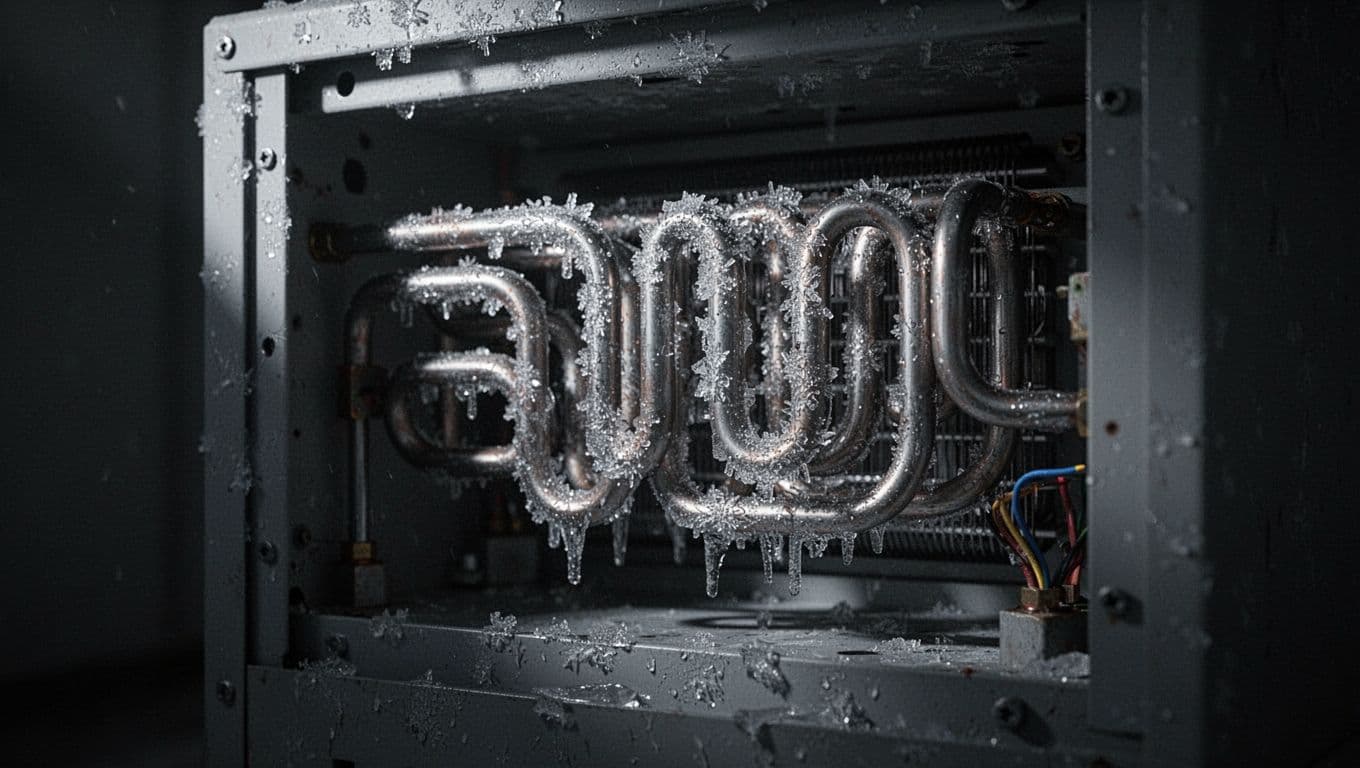
When return airflow is weak, less warm air reaches the coil. That means the coil keeps absorbing heat without enough air to balance it out. The temperature can fall below 32 degrees, and moisture in the air starts to freeze on the coil fins.
That ice does more than sit there. It blocks airflow even more, which makes the coil colder. Then the system starts a loop that can quickly get worse. A thin frost layer can turn into a solid block of ice, and the cooling performance drops fast.
A frozen coil is a symptom, not the whole problem. The real issue is often hidden in the airflow path.
Humid weather makes the problem show up faster. In places like Florida, warm air carries a lot of moisture. That moisture freezes on the coil when airflow drops, so the system can ice over even on a day that feels normal indoors.
Common airflow problems that lead to coil freeze-up
A frozen coil does not always mean the AC is failing. Many times, the cause is simple airflow loss somewhere in the system. The most common problems are easy to miss because they start in places people rarely check.
- Dirty air filters : A clogged filter is one of the fastest ways to cut return airflow. Air struggles to pass through, so the coil gets less warm air.
- Blocked return vents : Furniture, rugs, curtains, or dust can choke off the opening that feeds air back to the system.
- Closed interior doors : Bedrooms with closed doors can trap air, especially in homes with only one main return. That can reduce the amount of air the blower can pull.
- Collapsed or undersized return ducts : A crushed flex duct or a return run that is too small can limit airflow no matter how clean the filter is.
- Blower problems : A weak blower motor, dirty wheel, bad capacitor, or speed issue can move less air than the system needs.
- Dirty evaporator coil : Dirt on the coil acts like a blanket. Air cannot pass through it well, so the coil gets colder and ice builds faster.
Supply airflow matters too. If supply vents are blocked or ducts are restricted, the whole system loses balance. That can raise pressure issues and make freezing more likely.
If airflow problems keep coming back, the ductwork may need a closer look. A duct sealing and insulation in Florida visit can uncover leaks or crushed returns that a filter change will not fix.
Signs your AC coil may already be freezing
The first warning is often weaker cooling. The system runs, but the air from the vents feels lukewarm or inconsistent. You might also notice that some rooms cool down while others stay stuffy.
Other signs are easier to see. Look for frost on the copper line near the indoor unit, water under the air handler, or ice on the coil cabinet. A frozen coil can also make the blower sound different because air struggles to move through the system.
Common warning signs include:
- weak airflow from supply vents
- ice or frost on the indoor unit
- a musty smell after the system cycles
- longer run times with less cooling
- water around the air handler after shutdown
If the coil freezes, the system may still keep running for a while. That does not help. It can make the ice thicker and the strain worse.
If you're not sure whether dirt in the ducts or buildup inside the unit is the real issue, the air handler vs duct cleaning guide helps you sort that out.
Other problems can freeze the coil too
Poor return airflow gets a lot of blame, and often for good reason. Still, a frozen coil can also come from issues that have nothing to do with blocked returns.
Low refrigerant is a big one. When refrigerant levels are low, pressure in the system drops. That can make the coil too cold and allow ice to form. In that case, a filter change won't solve the problem.
Thermostat trouble can also confuse the system. If the thermostat is reading the room wrong or short cycling the AC, the indoor unit may not run the right way. Then the coil can freeze even when airflow seems decent.
Blower problems create another path to the same result. If the fan motor is weak or the blower wheel is dirty, the coil won't get enough moving air. Restricted supply airflow can also add stress, since the cooled air cannot leave the system fast enough.
That is why a frozen coil needs a full check, not a guess. The airflow may be the main issue, but refrigerant, electrical parts, and duct balance all have a role.
What to do while the coil thaws
The safest move is simple. Turn the cooling off right away. Keep the fan on if you want to help the coil thaw faster, but do not keep the system in cooling mode.
If the coil is icy, let the system rest. Running it harder usually makes the freeze worse.
Then check the basics in order:
- Replace the air filter if it looks dirty or clogged.
- Make sure return vents are open and clear.
- Open interior doors that may be cutting off air to the returns.
- Check supply vents for furniture, rugs, or closed registers.
- Let the ice thaw completely before turning cooling back on.
Do not chip at the ice with a tool. The coil fins and refrigerant lines are easy to damage. Also, don't restart the AC before the ice is gone. The compressor can get stressed, and the cooling problem may come right back.
If the system freezes again after thawing, the issue is likely deeper than a dirty filter.
When duct cleaning or duct repair makes sense
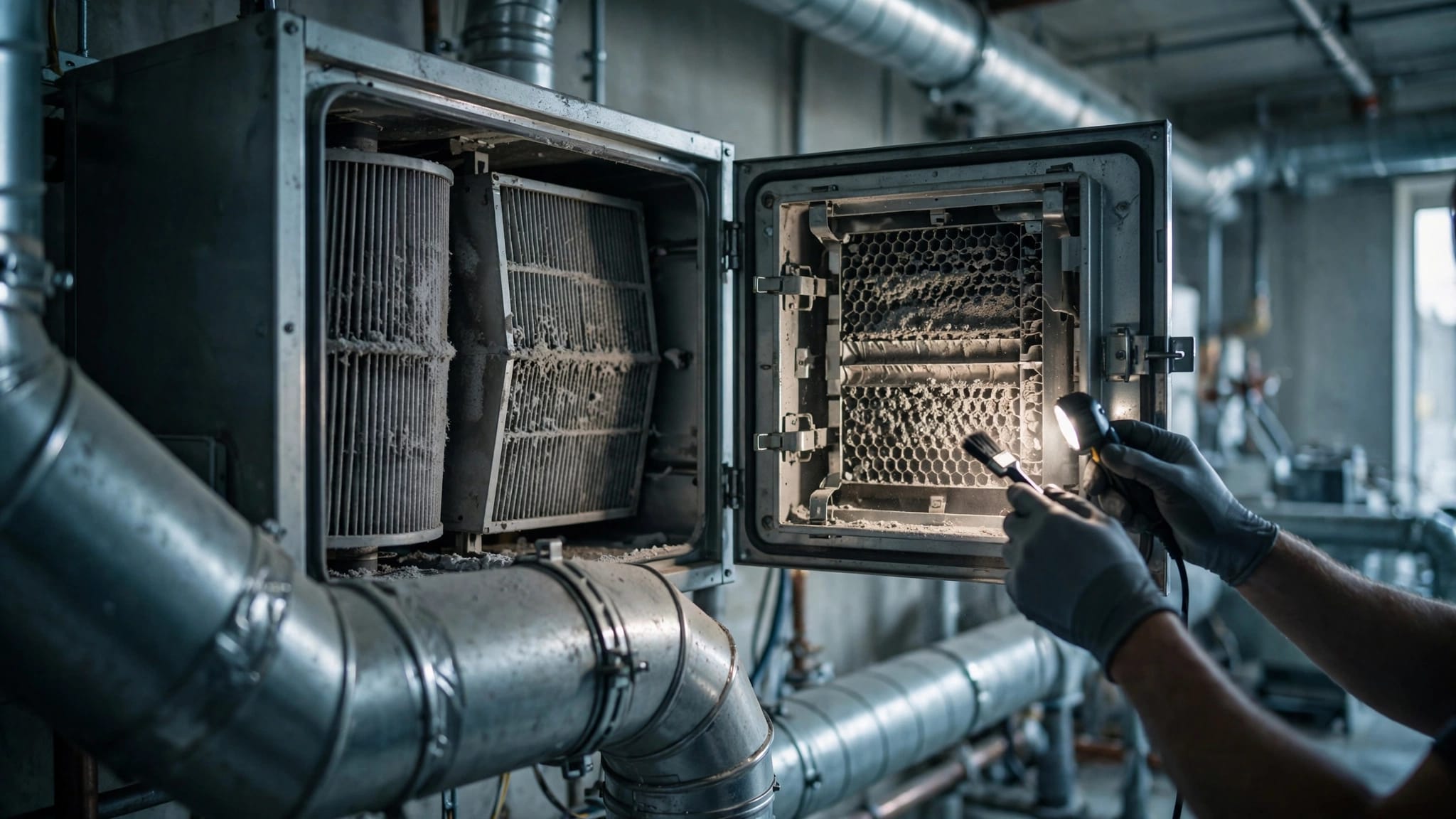
If weak airflow shows up in more than one room, the ductwork deserves attention. Dust buildup inside return ducts can narrow the path for air. Leaks, crushed flex lines, and poor connections can do the same thing.
That matters because return airflow problems often hide in the duct system, not just at the filter. A home can look fine at the vent and still be losing a lot of air in the attic or wall cavity. Then the coil keeps freezing, even after the obvious parts are cleaned.
A service visit makes the most sense when you see:
- repeated coil freeze-ups
- dusty return grilles and vents
- rooms that never cool well
- whistling or rattling in the ducts
- an AC that runs longer than usual
For homeowners who are unsure where the dirt or restriction starts, duct inspection can save a lot of guesswork. If the issue points to the system itself, Get a Free Estimate before the next cooling cycle puts more stress on the unit.
Conclusion
A frozen AC coil often starts with weak return airflow, because the coil needs warm air moving across it. When that airflow drops, the coil can get too cold and ice can build fast.
Dirty filters, blocked returns, closed doors, duct trouble, and blower issues can all play a part. Low refrigerant and supply-side restrictions can cause the same symptom, so the safest response is to shut the cooling off and check the whole system. A frozen coil is your AC asking for a closer look, and airflow is one of the first places to check.