
What a Dryer Vent Inspection Can Reveal
If your dryer takes longer than it used to, the vent may be the real problem. A dryer vent inspection can uncover buildup, damage, and airflow issues that you can't see from the laundry room.
That matters for safety, energy use, and the life of your dryer. It also matters for property managers, because one weak vent can turn into repeat complaints, slow-drying units, and avoidable service calls.
The vent system is small, but it can hide a lot. A careful inspection shows what is happening behind the machine and at the outside exhaust point.
What a dryer vent inspection checks first
A good inspection starts at the dryer connection and follows the full vent path to the exterior cap. The technician looks for signs that air is moving the way it should, then checks for anything that blocks, traps, or leaks that airflow.
The first pass usually focuses on the basics:
- Whether the dryer is attached to the vent correctly.
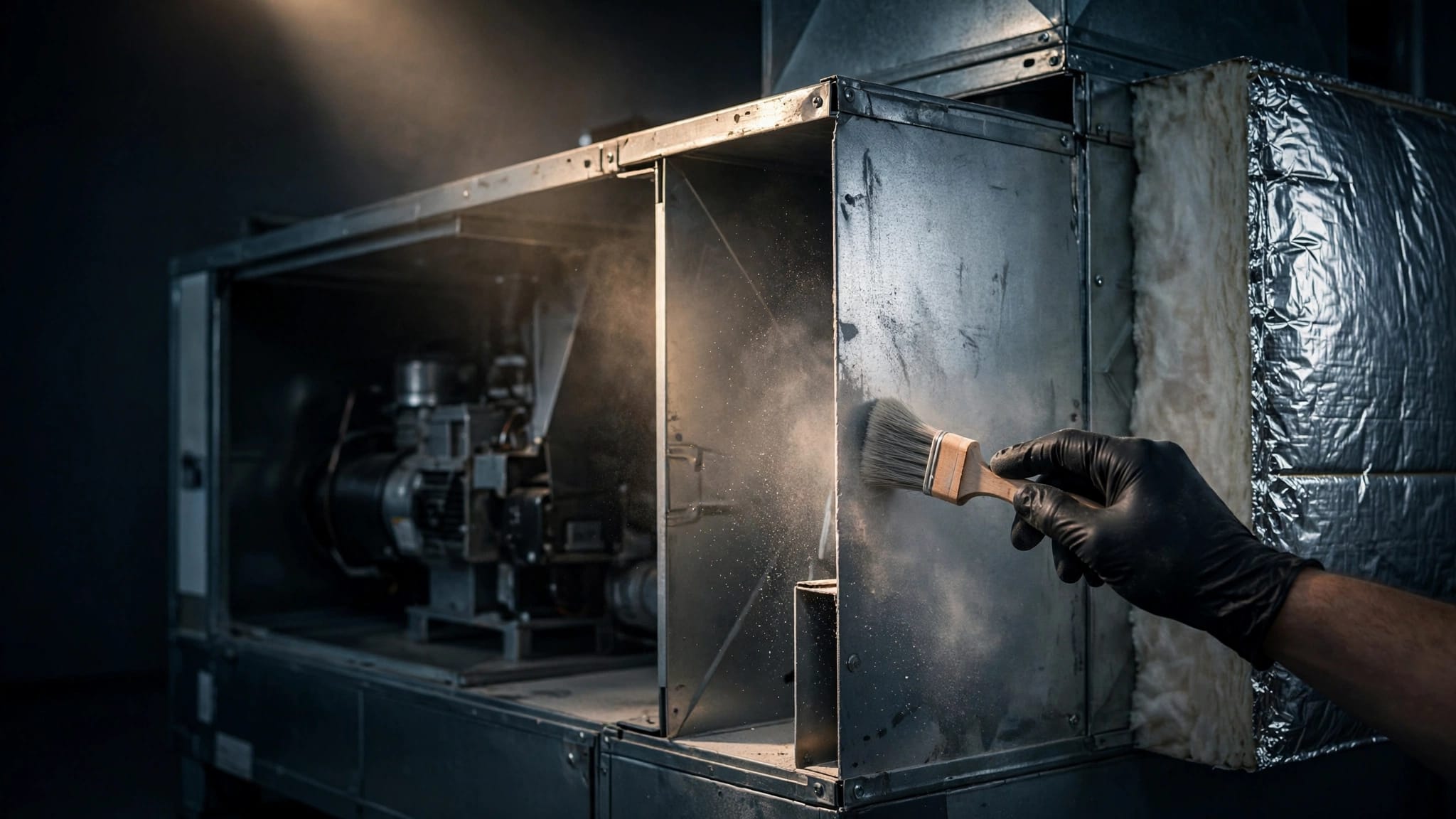
- Whether lint has built up in hidden sections of the duct.
- Whether the duct is crushed, loose, or poorly supported.
- Whether sharp bends or long runs are slowing airflow.
- Whether the outside vent cap opens and closes freely.
- Whether moisture or heat is escaping in the wrong place.
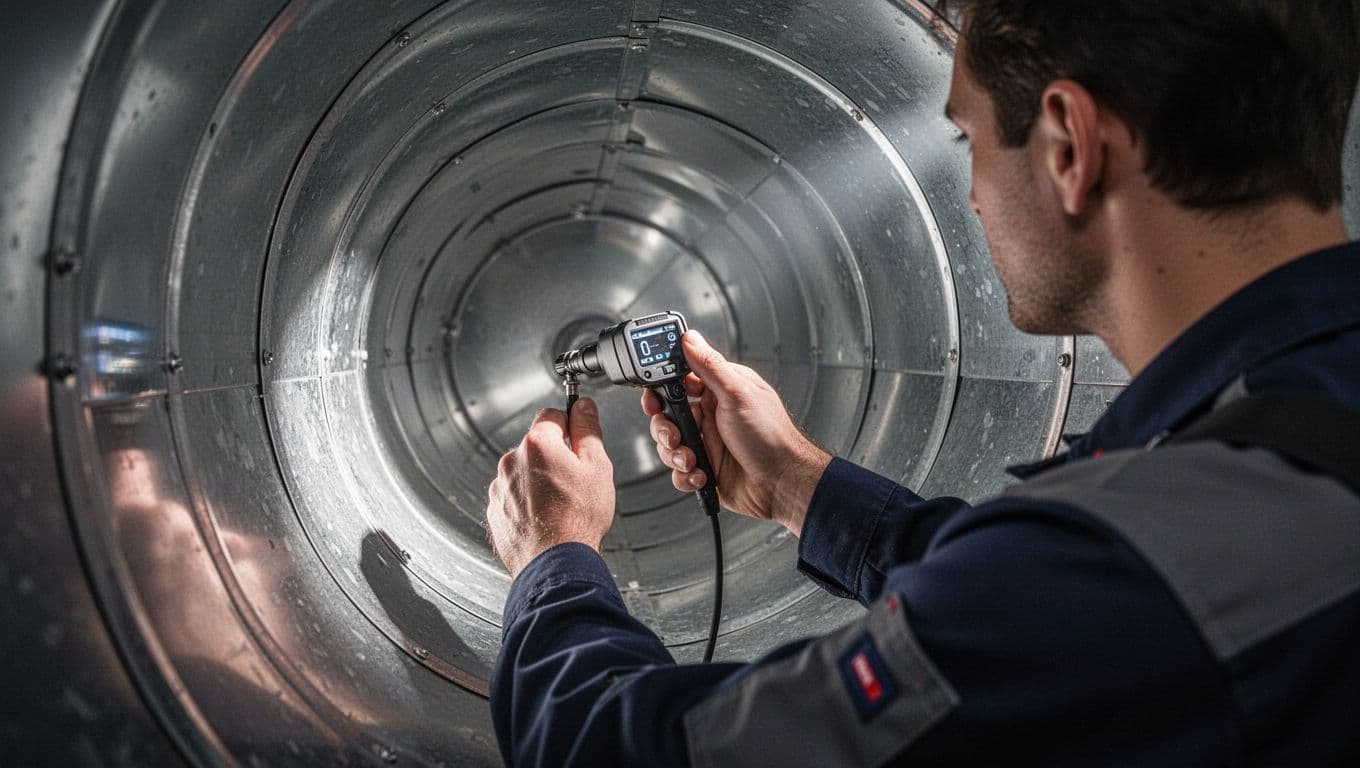
A technician may also use a camera, mirror, or airflow test, depending on the layout. That matters because some vents look fine at the laundry wall, yet fail farther down the line.
In other words, the inspection is not only about lint. It is about the whole exhaust path and how well it is doing its job.
Hidden problems that often stay out of sight
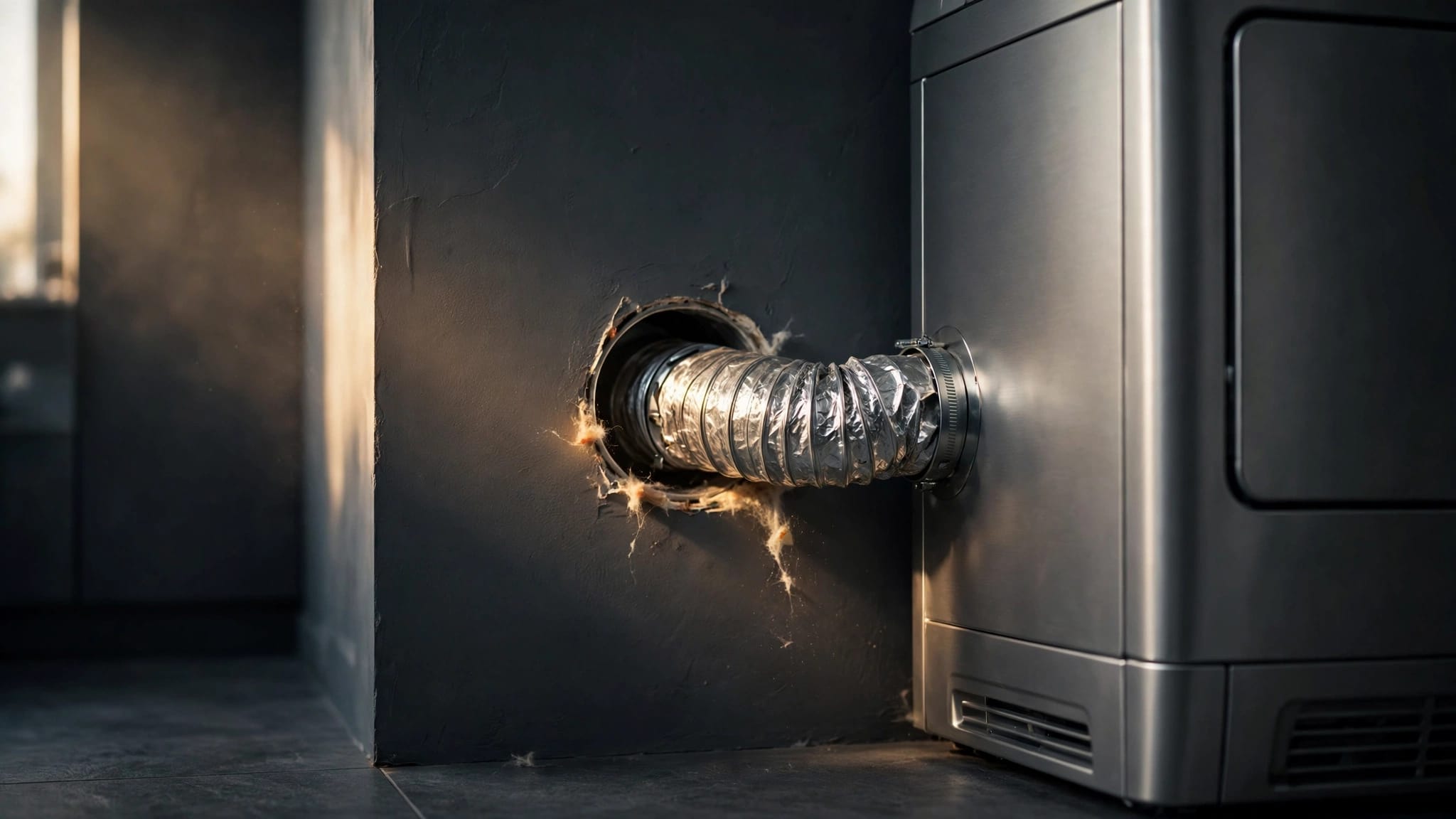
A dryer can keep running even when the vent is only partly blocked. That is why these issues often stay hidden until clothes stay damp or the machine starts feeling too hot. An inspection can reveal lint packed deep inside the line, sagging flexible ducting, loose joints, and vent materials that should have been replaced long ago.
It can also uncover problems at the outside exit. A stuck flap, a bird nest, or a crushed termination cap can cut airflow almost as much as a clog inside the wall. In some homes, the vent is also too long or has too many bends, which slows air the same way a narrow hallway slows foot traffic.
A lint trap catches the easy stuff. The vent can still hide the rest.
Here is a quick look at common warning signs and what they may point to.
| Warning sign | What it can point to |
|---|---|
| Clothes stay damp after a normal cycle | Lint buildup, a crushed duct, or a vent run that is too long |
| Dryer feels hot on the outside | Restricted airflow and trapped heat |
| Burning or dusty smell | Lint near the heat source or a blocked vent path |
| Laundry room feels humid | Poor exhaust, a loose connection, or a disconnected vent |
| Outside vent flap barely moves | Weak airflow or an obstruction at the exit |
Those signs do not always mean the same thing, but they all deserve attention. A dryer can still turn and tumble while the vent slowly loses its ability to move heat and moisture out of the home.
That is where an inspection helps. It turns guesswork into a clear picture of what is causing the slowdown.
Why the findings matter for safety and utility bills
Lint is dry, light, and easy to ignore. It also becomes fuel when heat builds up around it. That is why a blocked or damaged vent is more than a comfort issue. It can raise fire risk over time, especially when the dryer is used often or the vent is already restricted.
Airflow problems also waste energy. When hot, moist air cannot escape, the dryer has to work longer to finish one load. That means longer cycles, more wear on the machine, and higher utility costs. A dryer that should finish in one cycle may need two, and that extra run time adds up fast.
The wear on the appliance matters too. Strained airflow can stress the heating element, motor, thermal fuse, and sensors. Over time, those parts work harder than they should. A dryer that seems "old" may simply be fighting a vent problem.
For property managers, these findings are useful for another reason. They help separate a machine issue from a vent issue. If one unit keeps underperforming, the inspection may show that the dryer is fine, but the vent path is not.
If the inspection uncovers lint packed deep in the line, the next step is often how dryer vent cleaning works. That service clears the full vent path and helps the dryer move air the way it should.
When to schedule a dryer vent inspection
Most homes benefit from a yearly check, and some need one sooner. A fast inspection is a smart move if the dryer has started giving you clues.
Schedule sooner if you notice any of these:
- Clothes take more than one cycle to dry.
- The dryer cabinet or top feels unusually hot.
- The laundry room smells dusty, musty, or burnt.
- The outside vent flap barely opens.
- Lint collects behind the dryer or around the outside cap.
- You have recently moved in, remodeled, or changed appliances.
Homes with long vent runs, multiple bends, pets, or heavy laundry use may need more frequent attention. Property managers should also think about turnover periods, because a unit can look clean while the vent path is already restricted.
Humidity can make the signs harder to spot. A weak vent may leave the room feeling muggy before anyone notices a real problem. That is why a routine check is useful even when the dryer still works.
If you are seeing warning signs, Get a Free Estimate and get the vent checked before the next laundry pile grows.
Conclusion
A dryer vent inspection does more than find lint. It shows whether the whole exhaust path is open, safe, and working the way it should.
That matters because hidden vent problems can raise heat, waste energy, and shorten the life of the dryer. When the warning signs start to show, a simple inspection can keep a small issue from turning into a bigger repair.