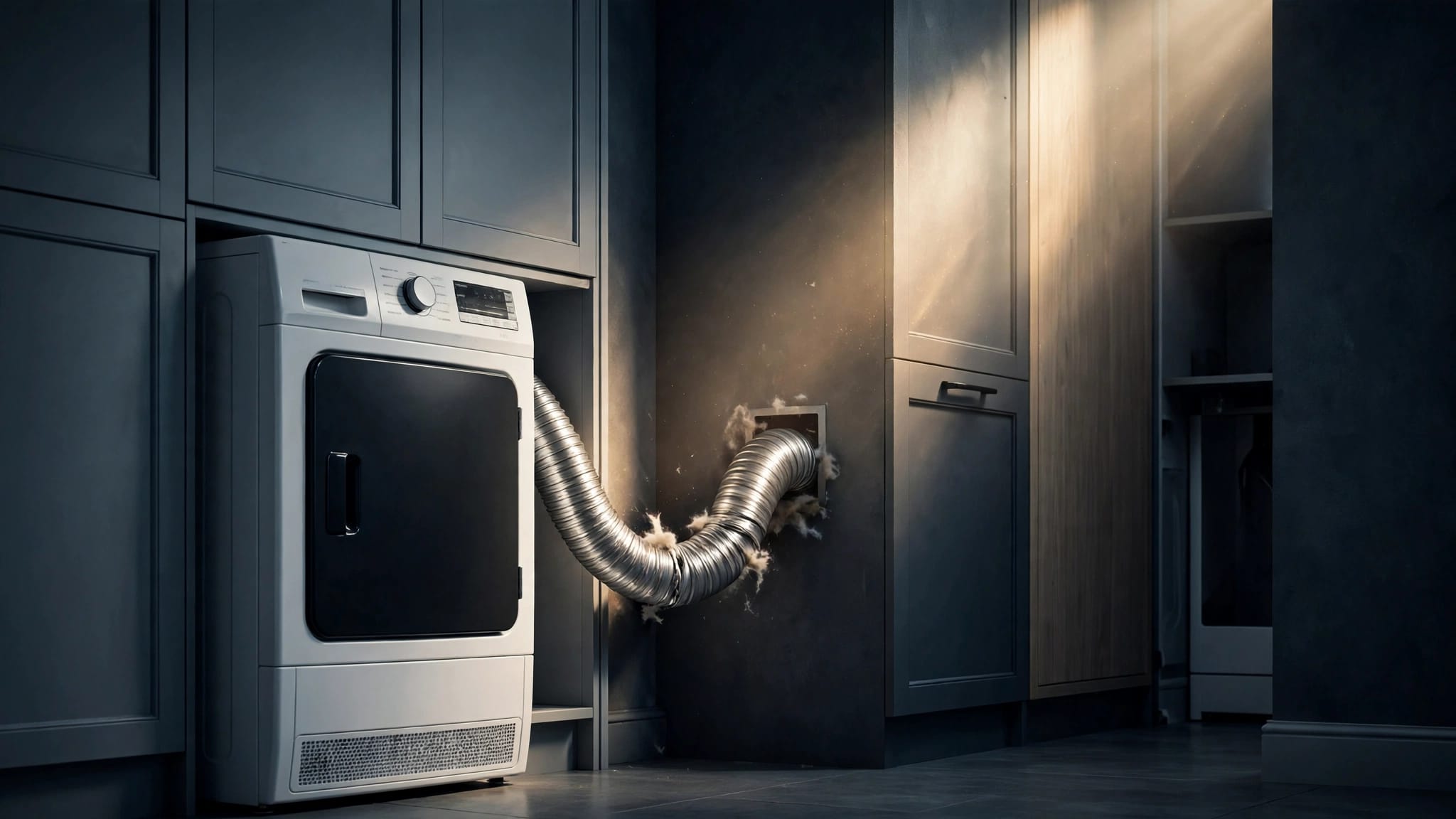
What a Wet AC Filter Usually Means
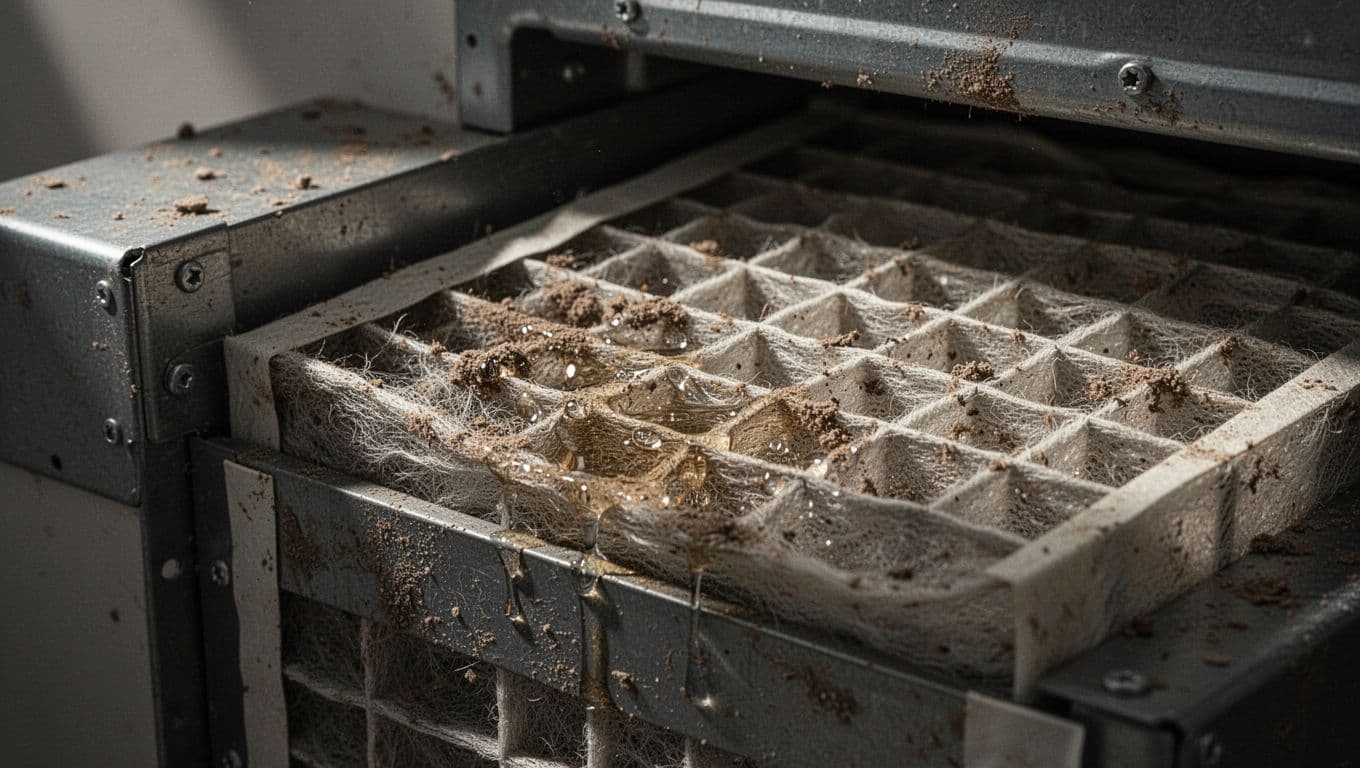
A wet AC filter is a warning, not a normal quirk. Your system should pull moisture out of the air and send it away, not leave water sitting on the filter.
When the filter is damp, something in the cooling process is off. The cause is often a clogged drain, a frozen coil, high indoor humidity, poor airflow, or a filter that does not fit right.
Because water and electricity do not belong together, the safest move is to treat the problem seriously. Start with a few simple checks, then bring in help if the moisture keeps coming back.
Common reasons an AC filter gets wet
Most damp filters come from a short list of problems. The pattern of the moisture usually gives you the best clue.
| Cause | What you may notice | Why it matters |
|---|---|---|
| Clogged condensate drain | Water in the drain pan, slow dripping, a musty smell | Water cannot leave the unit the way it should |
| Frozen evaporator coil | Weak cooling, ice on the indoor unit, wet filter after thawing | The coil may be starved for air or low on refrigerant |
| High indoor humidity | Sticky rooms, long run times, a filter that feels damp more often | The system is removing more moisture than it should |
| Poor airflow | Hot rooms, dirty return grilles, closed vents, whistling airflow | Weak airflow can cause coils to get too cold |
| Wrong filter size or fit | Gaps around the frame, dust bypass, wet edges | Air and moisture can move around the filter instead of through it |
A wet filter usually points to water that is not draining, air that is not moving well, or a system that is working harder than it should.
Why a damp filter should not be ignored
A damp filter acts like a sponge inside the system. Dust sticks to it faster, the material can sag, and airflow drops even more.
That is a bad loop. Less airflow can make the coil colder, and a colder coil can create more ice. When that ice melts, the filter and the drain area can get soaked again.
Moisture also creates a better place for mold and mildew. You may smell it before you see it. A filter that stays wet can spread that smell through the house and into the ductwork.
If you see standing water near the air handler, shut the system off before you do anything else.
A wet filter can also point to damage that goes beyond the filter itself. A full drain pan, rust on the cabinet, or water near wiring can lead to bigger repairs. In a warm, humid climate, the problem can show up fast and spread even faster.
What you can safely check first
Before you touch anything, turn the thermostat off. If you see water near the indoor unit, shut off power at the breaker too.
Then check the easy items first.
- Remove the filter and inspect both sides. A disposable filter that feels soaked should be replaced after the source of the moisture is fixed. If it is washable, clean it and let it dry fully before reinstalling it.
- Look for ice on the indoor unit or refrigerant lines. Ice means the system needs time to thaw, and it often points to an airflow or cooling problem.
- Check the condensate drain area. The drain line carries away the water your AC pulls from the air. If the pan is full or the line looks slimy, a clog may be the problem.
- Make sure vents and return grilles are open. Furniture, curtains, rugs, and boxes can block airflow and make the system work too hard.
- Confirm the filter is the right size and seated straight. A crooked or loose filter lets air slip around the edges, which can leave moisture and dust where they do not belong.
If you find water near wiring, stop there. Electrical parts and standing water are a bad mix, and there is no reason to test your luck.
When a technician should step in
Some wet-filter problems clear up after a filter change or a simple thaw. Others keep coming back because the real issue sits deeper in the system.
Call for service if the filter gets wet again after you replace it. That usually means the drain, coil, blower, or ductwork needs more than a quick reset.
A technician should also take a look if you notice weak airflow, ice that keeps returning, a breaker that trips, or a musty smell that hangs around after the system runs. Those signs often point to a problem in the air path, not just at the filter slot.
If weak airflow keeps returning, local air duct cleaning and inspection experts can check for buildup, leaks, and restrictions that a filter change will not fix. If the wet filter keeps coming back, Get a Free Estimate for a duct and airflow check.
Moisture problems also deserve attention when mold is part of the picture. A damp cabinet, dirty coil, or clogged drain can all feed that cycle.
How to keep the next filter dry
A dry filter starts with steady airflow and good drainage. Changing the filter on schedule helps, but the fit matters too. A filter that is too small, bent, or installed backward can create as many problems as a dirty one.
Keep return grilles and supply vents clear. If your home feels sticky, the AC may be running long enough to pull extra moisture from the air, which puts more strain on the drain system. In that case, an annual tune-up matters more than a last-minute filter swap.
Drain maintenance helps as well. A condensate line can clog with slime, dust, or algae. When that line backs up, the water has nowhere to go except back into the unit.
For Florida homes that stay humid, indoor air quality upgrades can also help. If the air handler area keeps showing signs of moisture, choosing between UV lights and air purifiers can be part of the larger fix, especially when mildew keeps showing up near the coil.
A few habits make a real difference:
- Replace the filter at the right interval for your home.
- Use the correct size and MERV rating for your system.
- Keep vents open unless a technician tells you otherwise.
- Watch for recurring condensation, especially in humid weather.
- Schedule service before a small drain issue turns into a water problem.
These steps do not take long, but they can keep a small moisture issue from turning into a repair call.
Conclusion
A wet AC filter usually means the system is telling you something important. The most common causes are a clogged drain, a frozen coil, weak airflow, excess humidity, or a filter that does not fit the opening well.
Start with the safe checks, then stop if you see ice, water near wiring, or repeat moisture. The longer water stays in the unit, the more chance you have for mold, damage, and electrical trouble.
When the same damp filter keeps coming back, the problem is usually deeper than the filter itself. A dry filter is a good sign that air and water are moving where they should.