Home Addition Duct Cleaning: When It Makes Sense
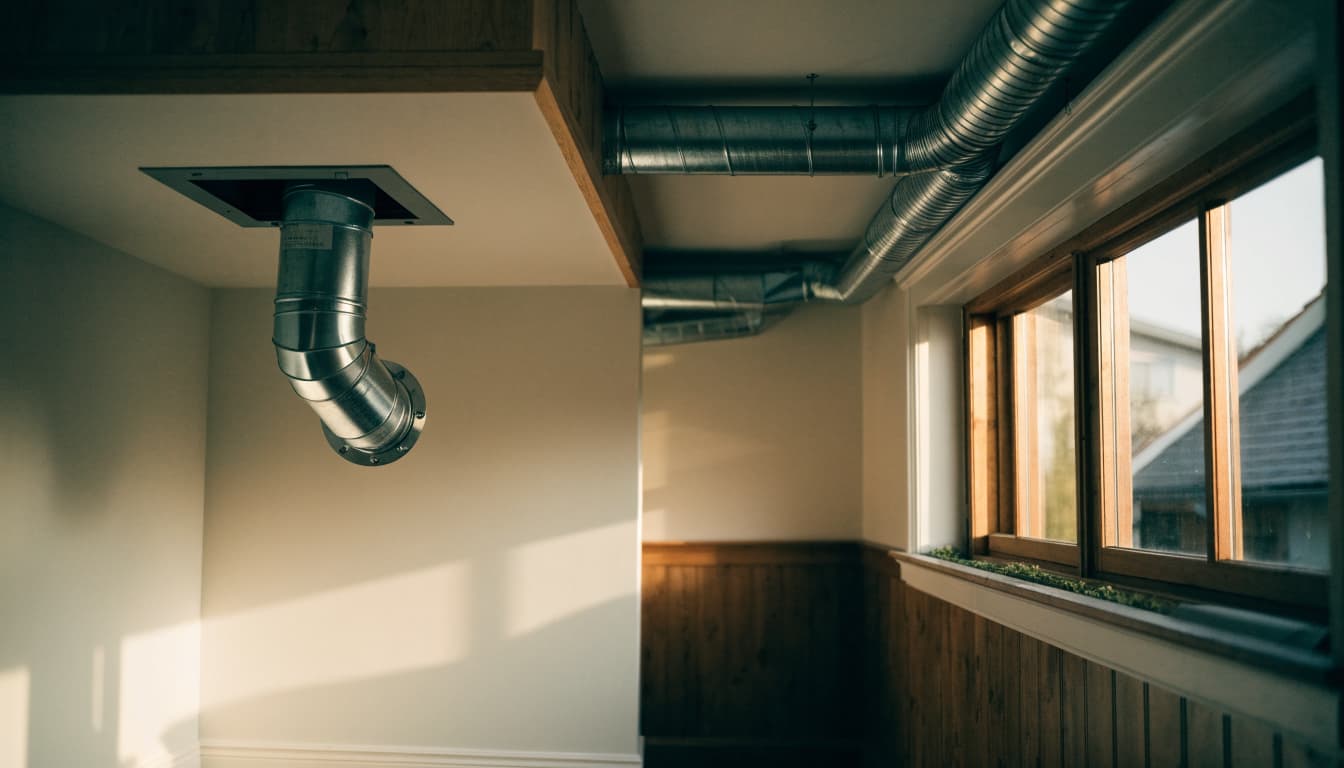
A new room doesn't automatically need its own duct cleaning. The deciding factors are how its ductwork connects to the home's HVAC system and whether construction dust or debris got inside.
An addition may share ducts with the original house or have a separate HVAC system. Either way, cleaning is worth considering when there's visible contamination or dust keeps coming from the vents. Start by looking at the system layout and the evidence.
Key Takeaways
- A separate HVAC system doesn't automatically need cleaning.
- Shared ductwork affects which parts to inspect, but the connection alone doesn't prove cleaning is needed.
- Construction debris in the ducts, dust blowing from supply vents, or a filter that clogs quickly are reasons to arrange an inspection.
- Wait until dusty construction work is finished before considering cleaning.
Does a home addition need its own duct cleaning?
There's no automatic rule that every new addition needs a separate cleaning. Instead, consider the duct layout and what happened during construction. The HVAC system may have run while workers sanded drywall, cut materials, or disturbed insulation, allowing fine particles to enter through open returns or uncovered registers.
How the ductwork connects
If the addition's ducts branch off the existing system, debris in that branch may also have reached shared return ducts or HVAC components. An inspection can help identify which areas are affected. The scope depends on the actual layout and visible conditions, not simply on the fact that the new room uses the same equipment.
A separate system may limit debris to that system, but it doesn't automatically mean cleaning is necessary. If the system stayed protected and there's no visible debris or other sign of contamination, there may be no reason to clean it.
What makes cleaning worth considering
The U.S. Environmental Protection Agency doesn't recommend routine duct cleaning for every home. Remodeling is a reason to inspect when construction debris entered the ductwork or dust continues to blow from supply registers. That condition-based approach applies to an addition, too.
New-home construction can leave drywall dust, sawdust, insulation fibers, or packaging debris inside vents. A room addition may involve similar work, but the amount of dust in the house alone doesn't prove the ducts need cleaning. Look for signs inside the system. For more on post-project debris, see our guide to duct cleaning for drywall dust in Florida homes.
Signs construction debris may have reached the ducts
Construction dust is fine and easy to spread. If the HVAC system ran during sanding or demolition, return vents may have pulled particles into the system. Open registers, gaps, or disconnected ducts can also let debris enter.
Check for visible or recurring dust
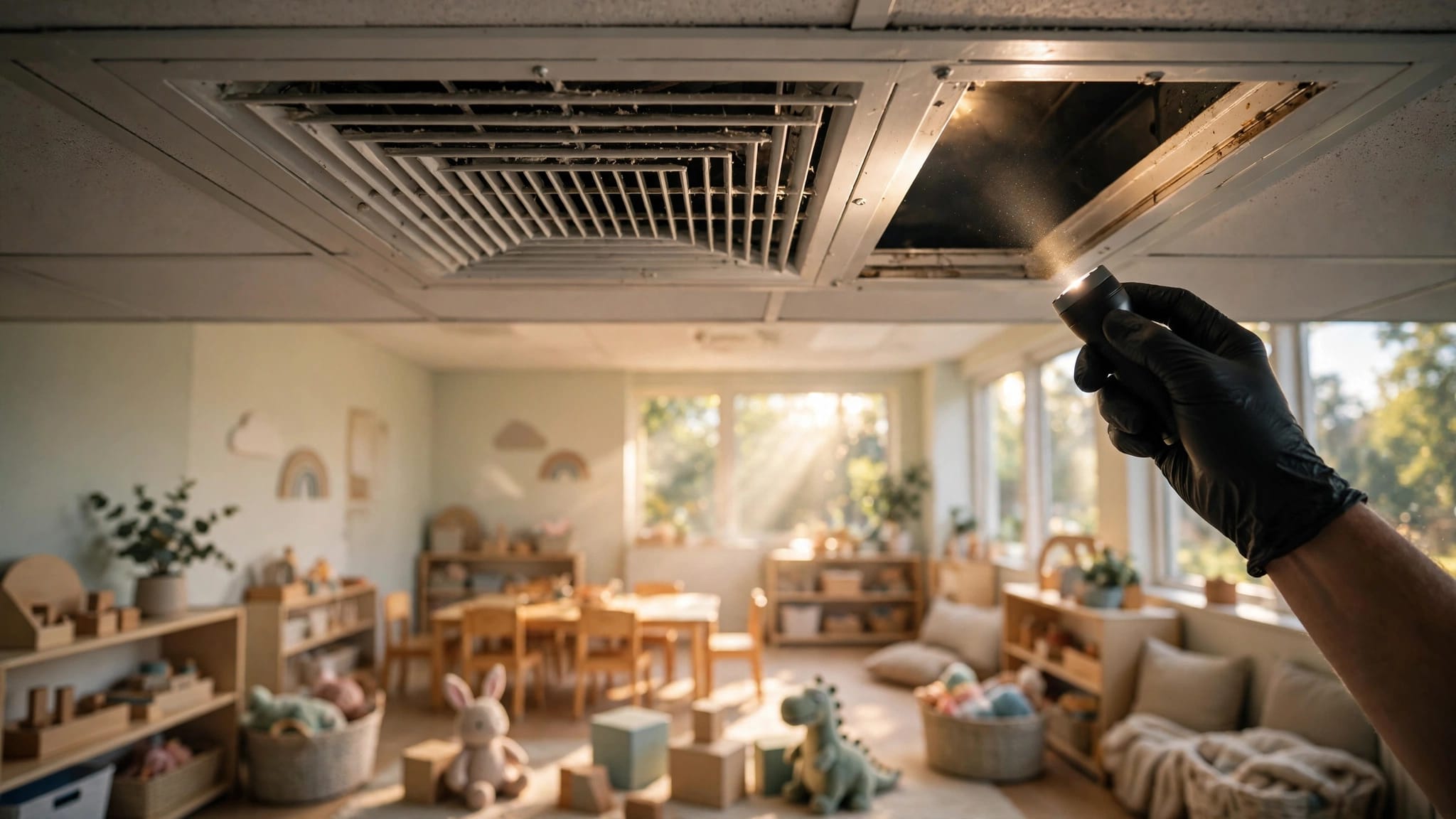
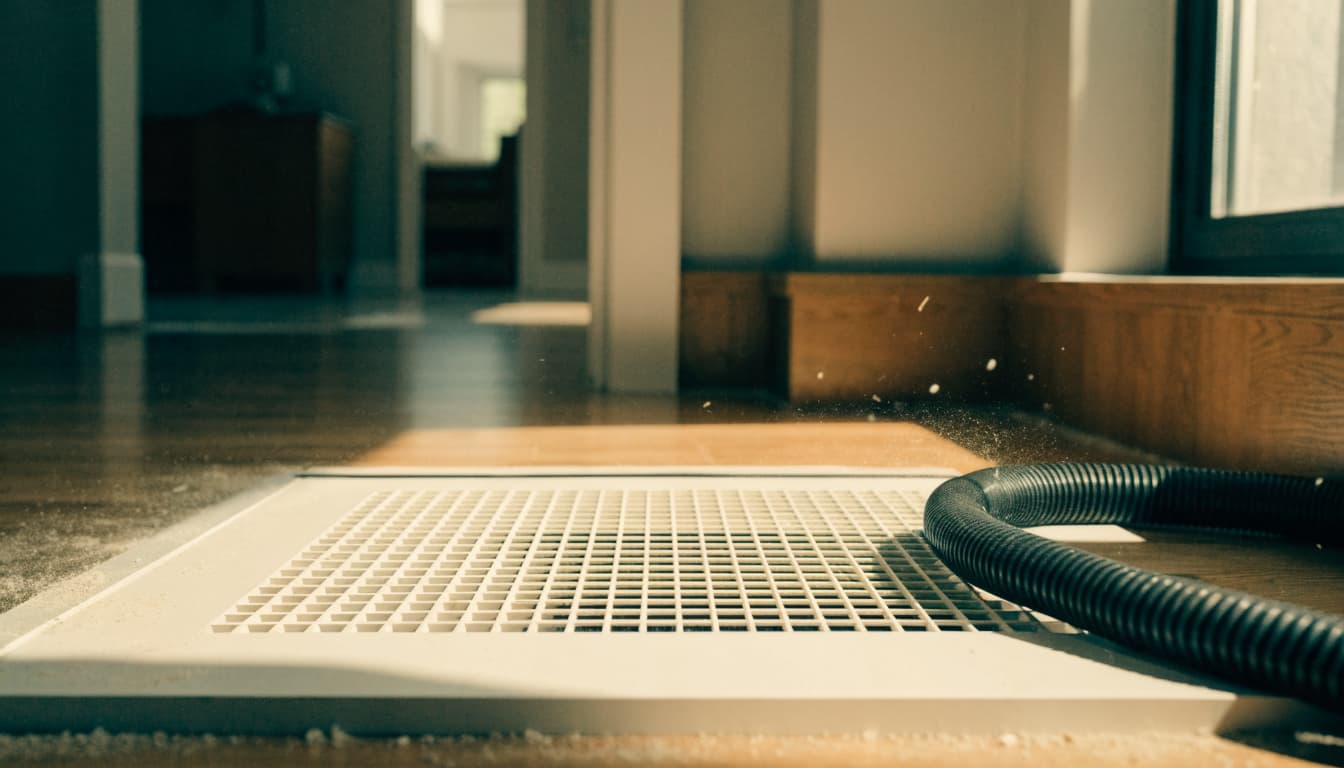
Look at supply registers and return grilles, then note whether dust returns soon after you clean the room. A filter that clogs unusually quickly or visible debris inside an accessible duct are also useful clues. These signs support an inspection, but one clue by itself doesn't establish that the entire system needs cleaning.
Weak airflow after construction deserves attention, too. Dust may be one factor, but a crushed or disconnected duct, a loaded filter, or another equipment issue can also affect airflow.
Notice what happened during the work
Consider whether workers covered nearby registers and returns, whether the system ran during dusty tasks, and whether insulation or ductwork was moved. If drywall dust or loose material entered the system, an inspection can help determine whether it reached the ducts or accessible HVAC components.
What to inspect after construction
Wait until sanding and other dusty work are complete. Cleaning the ducts before the last dusty task can leave new debris behind. When the work is done, clean room surfaces, replace a dirty filter with the correct size, and inspect the registers, grilles, and accessible area around the air handler.
Check for visible debris, moisture, damaged insulation, or a duct that appears disconnected or crushed. These findings can point to a repair or moisture issue rather than a cleaning need alone. Also, dust near a vent can come from the room, so look for evidence inside the duct opening before deciding.
If the system ran during renovation, or dust continues to blow from vents, arrange an inspection. A technician should identify what is visible and explain which part of the system needs attention. Cleaning isn't mandatory just because construction has ended.
What professional duct cleaning may cover
A useful assessment starts with the system's condition and the addition's connection to it. The service scope should match the areas affected, rather than focusing only on the visible vent covers.
Ask what the scope includes
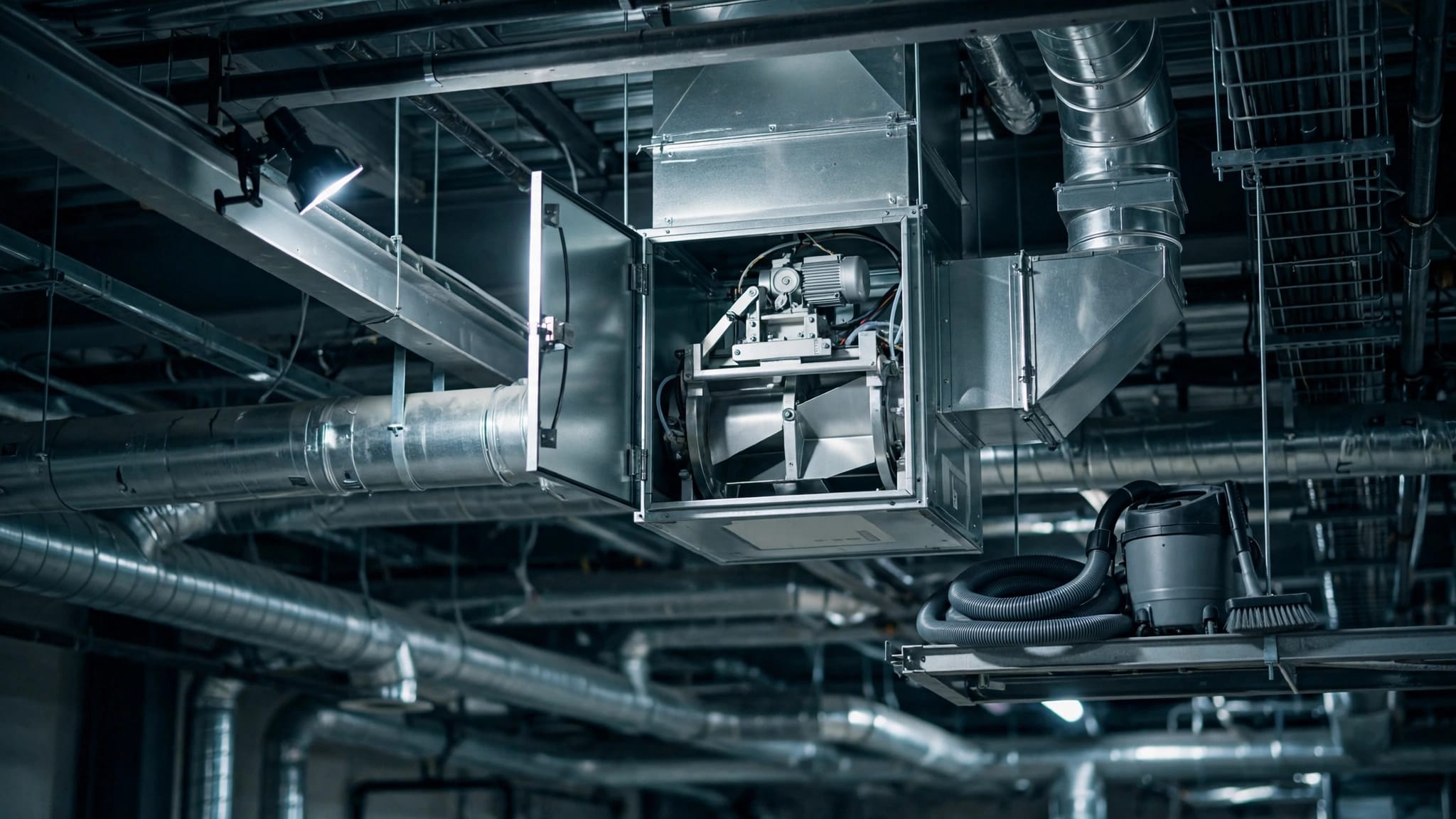
Depending on the layout and findings, cleaning may cover supply and return ducts, registers, grilles, and accessible HVAC components. Cleaning only a few visible vents isn't the same as addressing the connected ductwork. Ask for a clear description of what the proposed work includes.
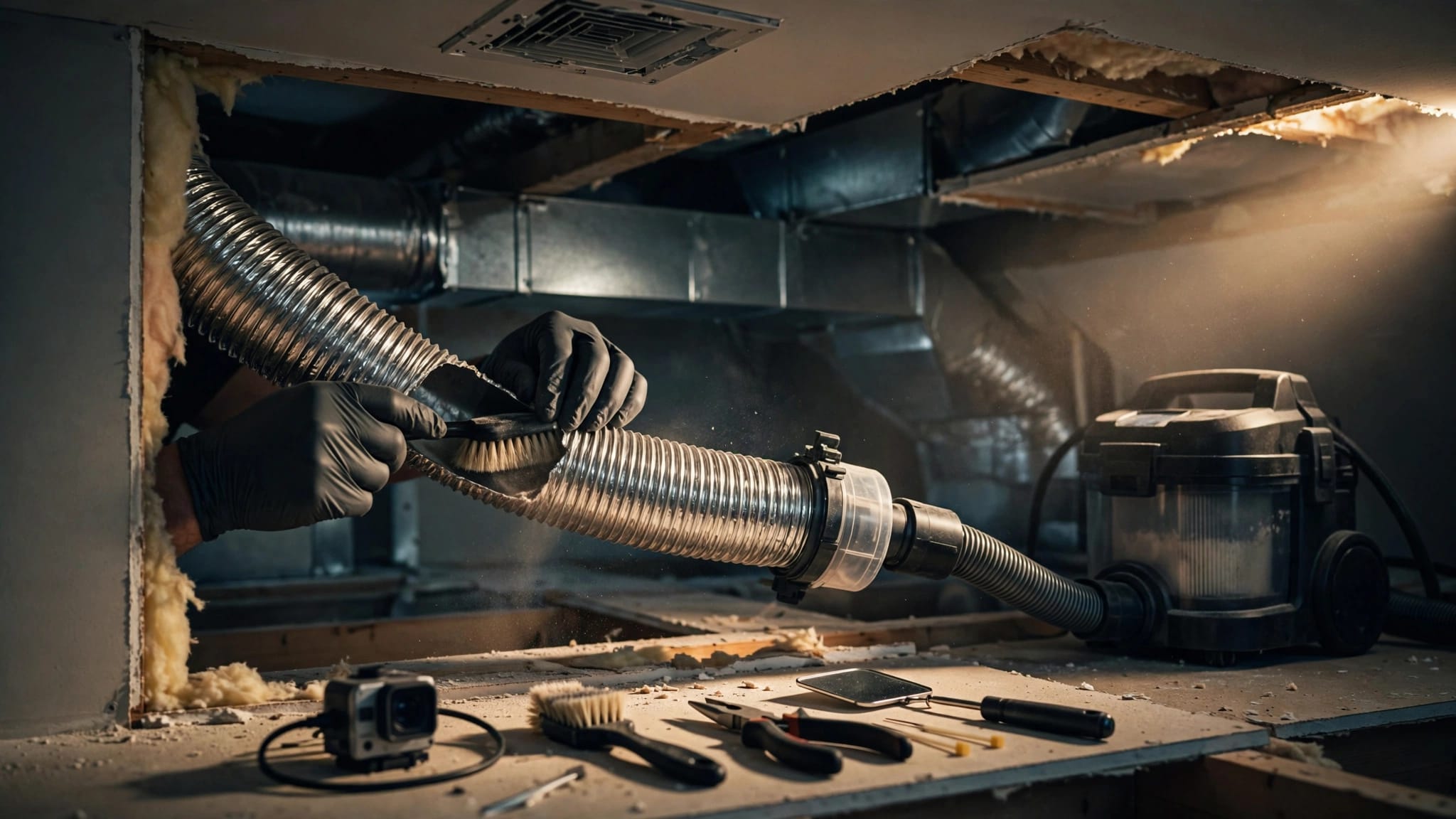
Professional methods generally use negative-pressure vacuum collection and agitation tools to loosen and capture debris. To understand the steps involved, read what to expect during professional air duct cleaning.
Separate cleaning from repairs or treatments
A cleaning service doesn't fix a disconnected duct, damaged insulation, or a moisture source. Those issues may need separate attention. Likewise, sanitizer or antimicrobial treatment shouldn't be automatic. The reason for any treatment should relate to a specific finding.
Duct cleaning can remove loose dust and debris, but it doesn't remove every airborne particle or resolve every indoor air concern. Filtration, moisture control, and ordinary home cleaning still matter. Our guide to the limits of residential duct cleaning explains what the service can address.
Frequently Asked Questions
Does a separate HVAC system mean the addition needs cleaning?
No. A separate system changes which equipment and ductwork need inspection, but it doesn't make cleaning automatic. Visible debris, construction dust in the system, or persistent dust from supply vents are more relevant signs.
Should the HVAC system run during construction?
During sanding or other dusty work, keeping it off when practical and protecting nearby registers and returns can reduce the chance of debris entering the system. Follow the construction plan and avoid blocking required return airflow.
Is dust around a vent enough to justify cleaning?
Not by itself. Dust may come from the room, furnishings, pets, or other sources. Recurring dust from a supply vent, visible debris inside the duct, or a filter that clogs quickly after construction provides a stronger reason to have the system inspected.
Make the decision based on evidence
A home addition's duct layout helps determine what to inspect, but it doesn't decide whether cleaning is needed. Focus on whether construction debris entered the system and whether visible signs persist after the work is finished.
If dust or debris is present, Get a Free Estimate for air duct or dryer vent cleaning. A clear inspection can help match the service to the condition of the system.