Duct Cleaning for Drywall Dust in Florida Homes
Drywall sanding can leave a home looking clean while fine white dust remains inside its HVAC path. After remodeling, many Florida homeowners search for duct cleaning drywall dust because an operating system can pull residue from the work area and distribute it into finished rooms.
The right response depends on where the dust traveled, whether the filter caught it, and whether moisture was present. Keep the HVAC system off during active sanding whenever possible, then inspect the system after construction dust has settled.
Why Drywall Dust Can Spread Through a Florida Home
The HVAC system can move more dust than you see
Drywall joint compound creates fine particles during sanding. Some settle on floors and trim, but smaller particles can remain airborne long enough to reach an open supply register or return grille.
Return grilles pull room air back toward the air handler. If the construction area shares that return path, dust can collect on the filter, enter the return plenum, or reach the blower compartment. Supply ducts can also carry particles into finished rooms if dust entered the system through uncovered registers or gaps.
Florida homes often run air conditioning for much of the year. As a result, an HVAC system may circulate renovation residue soon after sanding unless the work area is isolated.
When dust becomes an equipment problem
A loaded filter increases airflow resistance. Dust on the blower wheel or evaporator coil can also reduce airflow and make the equipment work harder. In severe cases, restricted airflow can contribute to poor cooling, coil icing, nuisance shutdowns, or extra wear.
Visible dust around a register doesn't prove that the entire duct system needs cleaning. However, dust blowing from supply vents, heavy buildup inside returns, or a filter that clogs soon after replacement are good reasons to arrange an HVAC inspection.
Know Which HVAC Parts Need Attention
A surface wipe around a vent is different from cleaning the full air-conveyance system. Each component has a separate job and may require a different cleaning method.
Registers, grilles, and filters
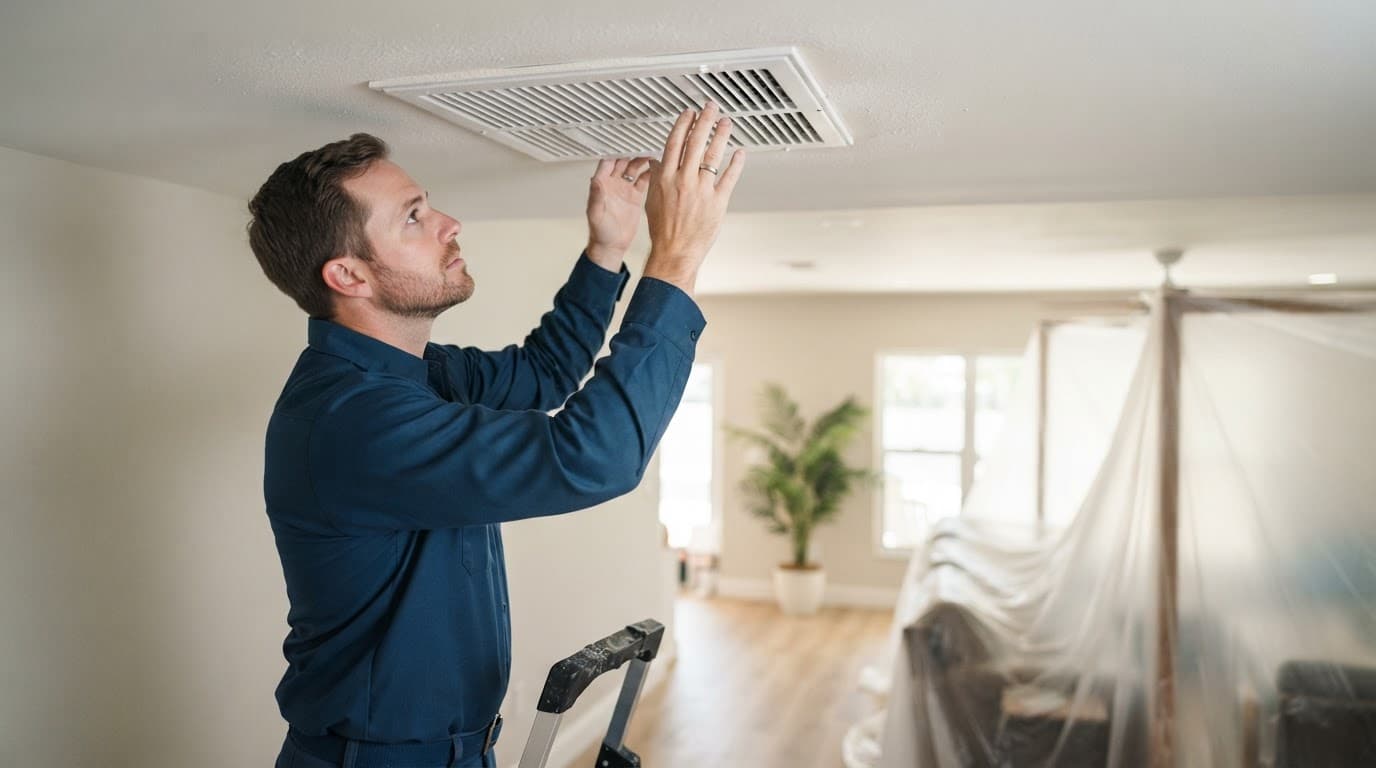
A supply register delivers conditioned air into a room. It usually has adjustable louvers. A return grille pulls air back toward the air handler and is often larger. Some return grilles hold the home's main filter, while other systems place the filter inside the air handler.
Cleaning the visible cover removes surface dust, but it doesn't clean the duct behind it. Remove registers and grilles carefully, vacuum them outside the living area when possible, and replace any filter that is visibly loaded or clogged.
Use the highest-efficiency filter recommended by the HVAC manufacturer. EPA's Indoor airPLUS guidance uses MERV 8 as a minimum filtration level for qualifying homes, but a higher-rated filter isn't automatically suitable for every system.
For more help deciding between filter replacement and duct service, review this guide on when to clean air ducts versus change filters.
Return plenums and supply ducts
The return plenum is the cabinet or chamber that connects return ductwork to the air handler, usually before the blower. It can collect drywall dust that passes through or around the filter.
Supply ducts begin after the blower and carry conditioned air to individual rooms. Dust inside these ducts may appear at supply registers when the system starts. A company should inspect both sides of the system rather than focusing only on the most visible vents.
Blower compartments and the HVAC coil
The blower compartment contains the fan that moves air through the home. Drywall dust on the blower wheel, housing, or nearby surfaces can affect airflow and add mechanical strain.
The cooling coil, often called the evaporator coil, removes heat from indoor air. Dust on its fins can restrict airflow and reduce heat transfer. Coil cleaning is separate from basic duct vacuuming, and the technician needs safe access to the coil's upstream and downstream sides.
In Florida, the condensate pan and drain also deserve inspection. Dust alone doesn't create mold, but moisture, blocked drainage, or condensation can support microbial growth.
When duct cleaning drywall dust Needs Professional Attention
Wait until dusty work is finished
The best time for duct cleaning drywall dust is after final sanding and other high-dust work has ended. This includes drywall finishing, major cutting, cabinet installation, flooring preparation, and cleanup that can stir particles into the air.
During active sanding, keep the HVAC system off if possible. CDC and NIOSH construction guidance also recommends isolating work areas with barriers, protecting nearby supply and return grilles, and using HEPA-filtered vacuums for cleanup.
If the system must run, coordinate with the remodeling contractor and HVAC professional. Protect the work zone without blocking necessary return airflow, and check the filter frequently. Cleaning ducts before the final dusty task can lead to another round of contamination.
After the last sanding session, clean floors and surfaces with suitable dust-control methods. Then replace the filter and inspect registers, grilles, and the air handler before returning the system to normal use. Homeowners planning this work can also read about post-remodel HVAC duct cleaning.
Use visible evidence, not a calendar
EPA doesn't recommend routine duct cleaning for every home. Remodeling becomes a strong reason to inspect the system when construction debris entered the ductwork or dust continues to blow from supply registers.
Look for these signs:
- Fine dust returns soon after cleaning the room.
- The filter becomes clogged shortly after replacement.
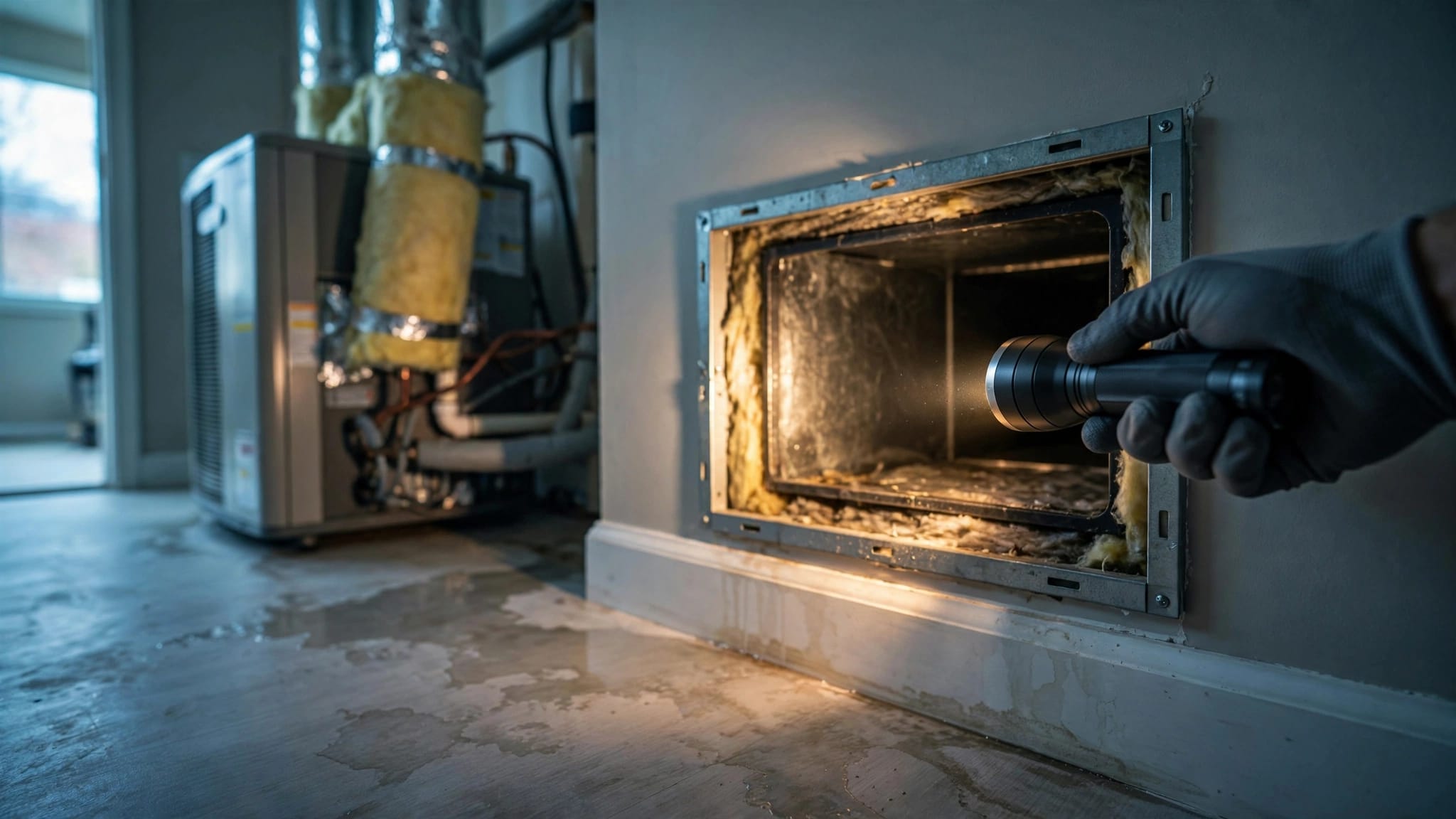
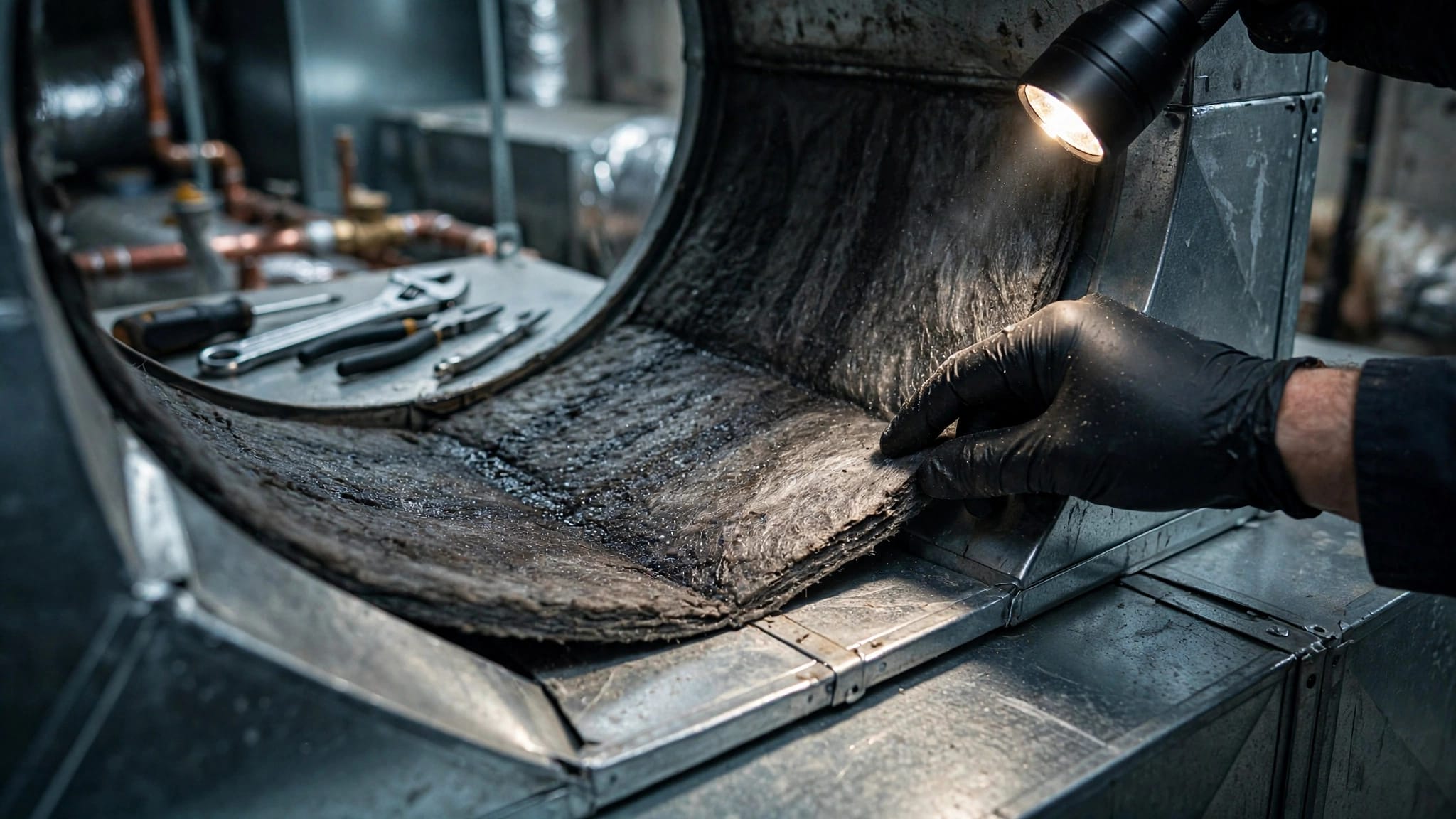
- Dust is visible inside supply ducts or return plenums.
- Airflow feels weaker after the project.
- The blower compartment or coil has visible construction residue.
- The home had water intrusion, condensation, or a blocked condensate drain during construction.
A dusty home doesn't automatically have mold. Mold concerns require evidence of moisture or microbial growth, followed by an appropriate assessment and remediation plan.
What Professional Duct Cleaning Should Include
A proper duct cleaning drywall dust job should address the areas that received contamination, not only the easiest vents to reach.
A full-system scope
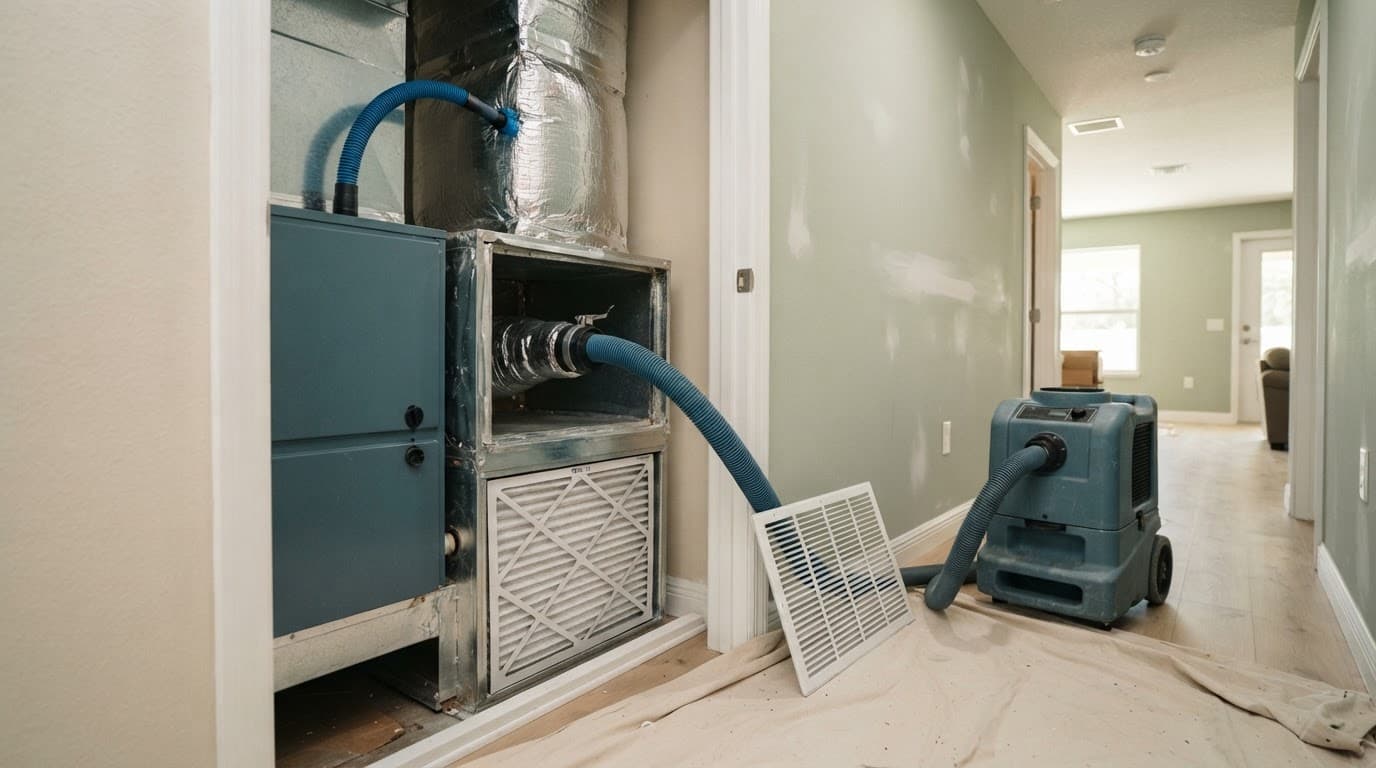
Before work starts, the technician should inspect the system and explain the proposed scope. Depending on the findings, that scope may include:
- Supply registers and the interior of supply ducts.
- Return grilles, return ducts, and return plenums.
- Air-handler surfaces and the blower compartment.
- The blower housing and wheel.
- The evaporator coil and surrounding cabinet.
- Condensate pans and drains when dust or moisture is present.
NADCA's ACR standard describes mechanical agitation paired with vacuum collection. Access openings should allow the technician to clean the duct interior and verify the result. The coil, blower, and plenum shouldn't be treated as automatic inclusions, so ask whether each item is included in the estimate.
Containment and verification
Professional equipment should capture loosened material instead of allowing it to settle elsewhere in the home. Technicians may use negative-pressure collection, agitation tools, and HEPA-filtered contact vacuuming where the component and condition call for it.
The crew should protect floors, furniture, and finished surfaces. Ask for before-and-after photos when access allows, especially inside plenums, blower compartments, and accessible duct sections.
Sanitizers, inhibitors, UV lights, or air purifiers are separate services. They shouldn't replace physical dust removal. If a company recommends a microbial treatment, ask what evidence supports it and whether the moisture source has been corrected.
Questions to Ask a Florida Duct-Cleaning Company
A clear conversation prevents a low quote from turning into a limited vent-cleaning visit. These questions to ask an air duct cleaning company can help you compare proposals:
- Does the estimate include supply ducts, return ducts, plenums, registers, and the air handler?
- Will you inspect the blower compartment, coil, condensate pan, and drain?
- How will you contain dust and protect finished rooms during the work?
- What access points will you use, and how will you close them afterward?
- Does the price include filter replacement, or should I buy the correct filter separately?
- Are you insured, and do you follow NADCA standards or hold relevant certification?
- If you suspect mold, what moisture evidence did you find, and who will handle remediation?
A trustworthy company should explain what it found without promising to cure allergies, eliminate every indoor-air-quality concern, or remove mold without testing or moisture control. In many cases, filtration, leak repair, humidity management, and proper ventilation matter as much as duct cleaning.
Ask for a written scope that lists the number of HVAC systems, registers, return grilles, and any extra charges. If the remodeling included the laundry area, remember that a dryer vent is separate from HVAC ductwork and needs its own inspection.
A Practical Checklist After Drywall Sanding
Follow this sequence after a dusty renovation:
- Keep the HVAC system off during active sanding whenever the work plan allows.
- Isolate the work area and protect nearby registers and grilles.
- Finish all sanding and high-dust construction before scheduling cleaning.
- HEPA-vacuum renovation dust from floors, walls, trim, and accessible surfaces.
- Inspect supply registers, return grilles, the filter, and the air-handler cabinet.
- Replace a clogged filter with the correct size and manufacturer-approved efficiency.
- Schedule an inspection if dust entered the system or continues to blow from vents.
- Confirm that the quote covers the affected components, not only visible covers.
If duct cleaning drywall dust is still needed after cleanup, schedule it before the home returns to regular occupancy and before the HVAC system runs continuously. A technician can then determine whether the contamination is limited to registers and filters or extends into the ductwork and air handler.
Conclusion
Drywall dust can travel through an active HVAC system, clog filters, reduce airflow, and coat components that need clean air movement. The safest approach is to shut the system down during sanding, contain the work area, complete cleanup, and inspect the full HVAC path afterward.
Registers and grilles may need simple cleaning, while contaminated plenums, supply ducts, blowers, or coils require a broader service. If you need a clear scope for your Florida home, Get a Free Estimate before booking the work. The goal is a clean HVAC system based on evidence, not a routine service sold without an inspection.