Dryer Vent Crawl Space Routing: What Is Safe?

Adkins Duct Cleaning • August 20, 2026

A dryer vent crawl space route can be safe when the duct passes through the space and continues outdoors. It must never release hot, moist air or lint into the crawl space.

A hidden termination can damage insulation, encourage mold, restrict airflow, and increase fire risk. Safe routing uses sealed, smooth metal duct, proper supports, and an approved exterior termination that follows the dryer manual and local code.

Can a dryer vent crawl space route be safe?

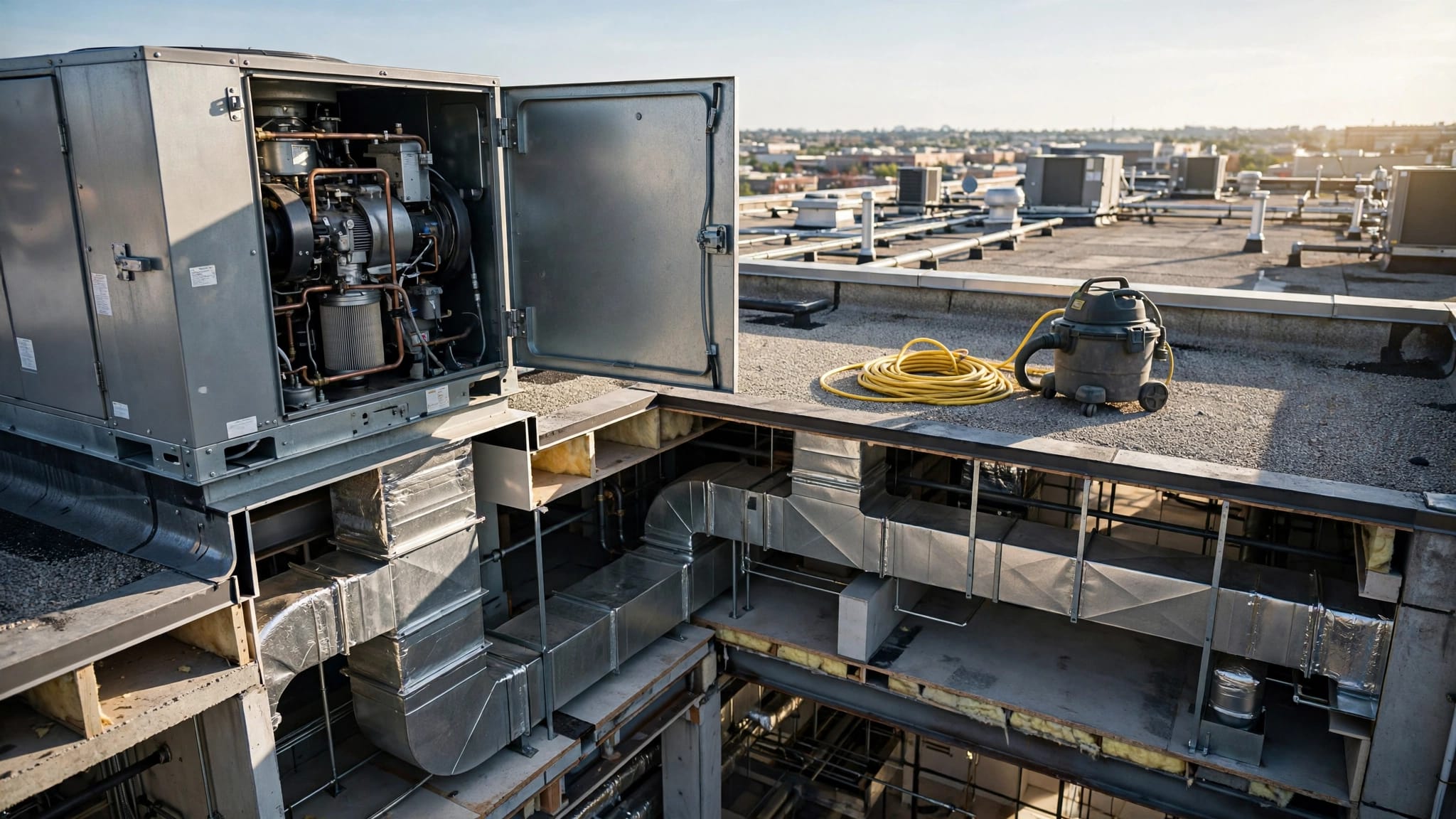
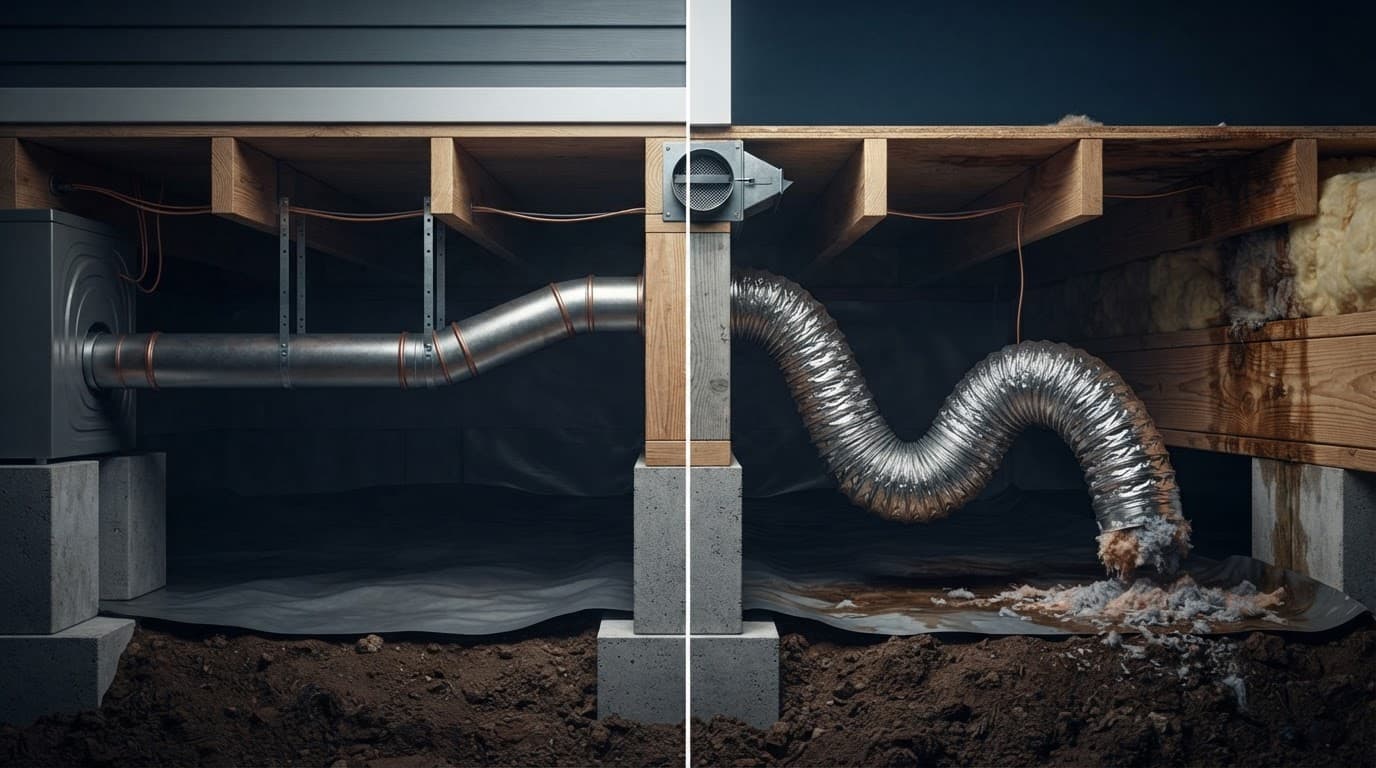
Yes, some homes can route dryer exhaust through a crawl space. The space may connect the laundry area to an exterior wall. However, the duct must stay intact and end at an approved outdoor cap. A cap inside the crawl space is not acceptable.

The International Residential Code addresses clothes dryer exhaust in Section M1502. Current code-based guidance requires discharge outdoors, not into a crawl space, attic, wall cavity, garage, or another enclosed area. The dryer's installation instructions and local requirements control the final design.

Passing through the crawl space

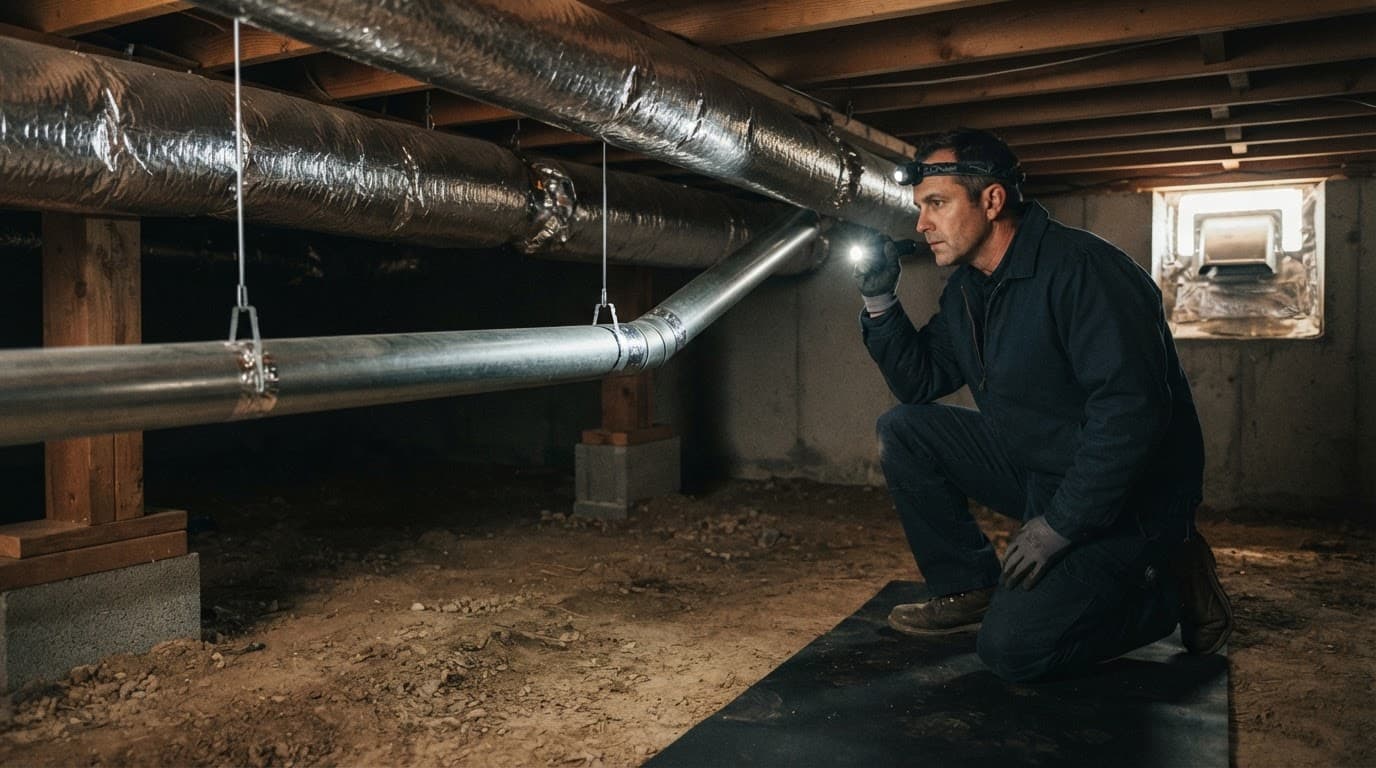
A duct passing through the crawl space keeps lint and moisture inside the exhaust line. Keep it accessible for inspection and cleaning, rather than burying it behind insulation or crushing it under stored items.

A direct path has fewer airflow restrictions. Bends add resistance, while sags collect lint or condensation. Insulation may be needed in damp or unconditioned areas, depending on local requirements and the installation conditions.

The crawl space can be part of the route, but it cannot be the destination.

The exterior cap matters

The outdoor end needs a termination with a backdraft damper. It opens while the dryer runs and closes when it stops. Don't cover the outlet with a screen because lint can collect against it and restrict airflow.

Unless the manufacturer or local code says otherwise, code summaries commonly call for the outlet to sit at least 3 feet from building openings. Keep the cap visible and reachable for cleaning.

Why a crawl space termination is risky

The risk comes from the termination or leaks, not the crawl-space location alone. Dryers exhaust heated air carrying water vapor and fine lint. In an enclosed cavity, both can settle on framing and insulation.

Lint, condensation, and mold

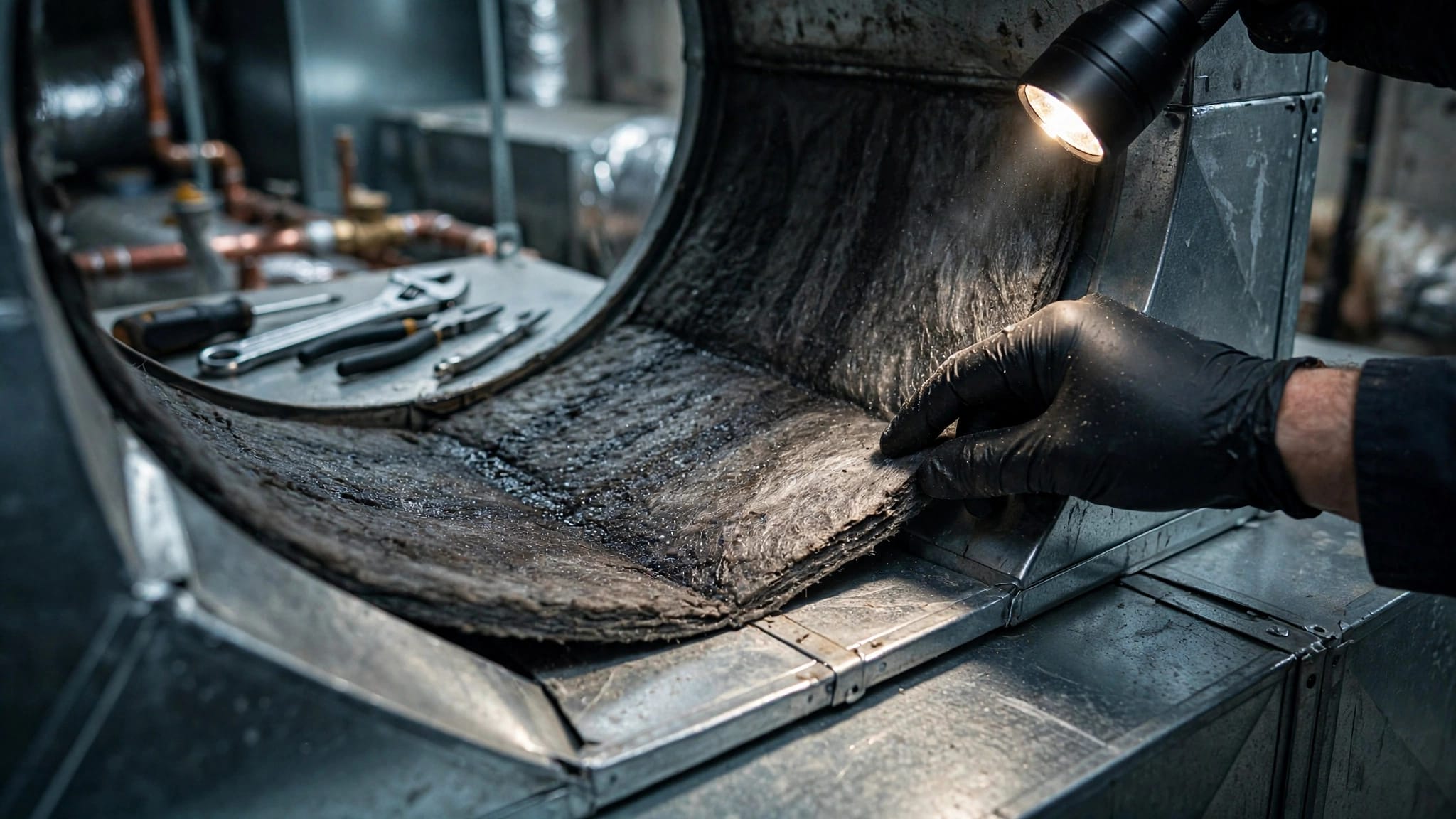
Lint can collect around a hidden outlet, on joists, and in insulation. It's combustible, so buildup near heat or a damaged duct raises fire concerns. Moisture can condense on cool metal, especially in a humid, unconditioned space. Damp materials can develop musty odors and support mold growth.

Florida's warm, humid weather can keep crawl spaces damp. A dryer vent isn't crawl-space ventilation. It must send moisture outside, while the crawl space needs separate moisture control.

If you notice a musty laundry smell, staining, damp insulation, or lint beneath the home, arrange a professional dryer vent inspection.

Restricted airflow and combustion concerns

A restricted or leaking vent makes the dryer work harder. Clothes may take longer to dry, and the cabinet may feel hot. Those signs show poor airflow, but not its location. The blockage may be behind the dryer, in the crawl space, or at the exterior cap.

Restricted exhaust can affect pressure near combustion appliances. In a tight home or shared utility area, depressurization may contribute to backdrafting and pull combustion gases indoors. Gas water heaters and furnaces deserve extra care when the route changes.

Materials and installation details that matter

Once the route is confirmed, materials and layout determine whether it stays clear and accessible. Small shortcuts create large cleaning problems inside concealed spaces.

Use smooth, rigid metal duct

The main exhaust line should generally use smooth, rigid metal, typically 4 inches in diameter. Always match the diameter to the dryer's listing and installation manual. Smooth walls give lint fewer places to catch and make cleaning easier.

Flexible plastic or foil accordion ducts are unsafe for a permanent dryer exhaust run. Their ridges collect lint, and they can sag, tear, crush, or fail under heat. A listed flexible transition duct may be allowed for the short connection behind the dryer, but it shouldn't replace the concealed metal duct through the crawl space.

Seal joints with approved dryer-exhaust materials. Keep them aligned with airflow, and avoid sheet-metal screws that protrude into the duct. Those fasteners can catch lint.

Keep the run short and supported

Code-based guidance commonly uses a 35-foot maximum developed length to the exterior termination. The allowance is often reduced by 2.5 feet for each 45-degree elbow and 5 feet for each 90-degree elbow. The exact calculation depends on the dryer, vent configuration, and local code.

Support the duct so it can't sag. One common reference calls for supports no more than 12 feet apart, but requirements vary by code edition and jurisdiction. Keep the line accessible for inspection and cleaning. If permanent construction hides it, a technician may not be able to verify its condition.

Warning signs your dryer vent needs attention

Some problems show up in the laundry room before anyone enters the crawl space. Schedule an inspection if you notice:

  • Drying cycles take longer or require a second run.
  • Clothes or the dryer cabinet feel hotter than usual.
  • The exterior flap barely opens while the dryer runs.
  • Lint, moisture, or a musty smell appears beneath the home.
  • The duct uses plastic, foil, crushed flex, or makeshift tape repairs.
  • The vent cap is screened, damaged, buried, or hard to reach.

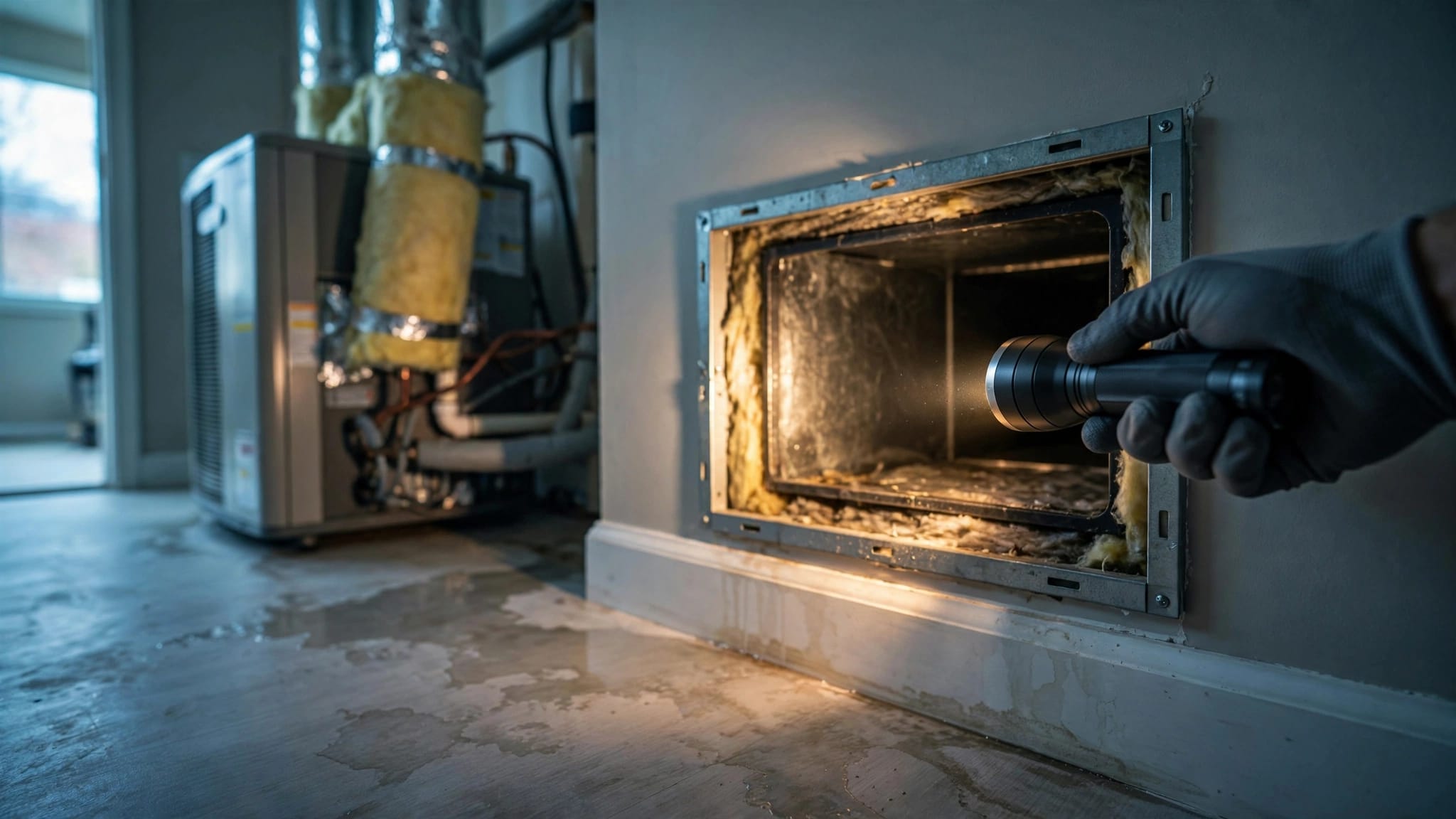
Cleaning removes lint, but it doesn't correct an unsafe route, damaged duct, or poor termination. The Florida dryer vent cleaning process includes checking the duct path, airflow, exterior opening, and system performance.

What homeowners should do next

Don't seal a crawl-space opening or replace a damaged line based on a diagram alone. Dryer models, construction, and local requirements vary. If you find a disconnected duct, heavy lint release, scorching, or a burning smell, stop using the dryer and arrange a qualified inspection.

For Gulf Coast homeowners, Get a Free Estimate for dryer vent cleaning or an airflow inspection. Cleaning can remove buildup, but the final routing still needs to meet the manufacturer's instructions and local code.

Conclusion

A dryer vent can pass through a crawl space safely when it uses a sealed, supported, smooth metal duct that continues to an approved exterior termination. It should not end in the crawl space, leak into it, or rely on plastic or foil flex for the concealed run.

Lint, moisture, restricted airflow, and pressure problems near combustion appliances make hidden defects worth addressing early. A professional inspection checks the full route instead of looking only at the short connector behind the dryer.

By Adkins Duct Cleaning August 20, 2026
Drywall sanding can leave a home looking clean while fine white dust remains inside its HVAC path. After remodeling, many Florida homeowners search for duct cleaning drywall dust because an operating system can pull residue from the work area and distribute it into finished ro...
By Adkins Duct Cleaning August 19, 2026
New flooring can improve a Florida home, but the installation process may send dust and debris into the air. Demolition, sanding, cutting, and foot traffic can disturb material that has settled around HVAC registers and inside nearby ductwork. Scheduling air duct cleaning at t...
By Adkins Duct Cleaning August 19, 2026
A stacked washer-dryer can hide a serious airflow problem behind a small laundry closet. Stacked dryer vent cleaning helps remove lint buildup, improve exhaust airflow, and reduce stress on the dryer without requiring unsafe appliance handling. The dryer may sit several feet a...