Air Duct Cleaning Before New Flooring in Florida
New flooring can improve a Florida home, but the installation process may send dust and debris into the air. Demolition, sanding, cutting, and foot traffic can disturb material that has settled around HVAC registers and inside nearby ductwork.
Scheduling air duct cleaning at the right point can help limit construction dust circulating through the home. The usual order is to remove the old flooring, complete dusty preparation, clean the HVAC system, and then install the new floor. Your flooring contractor and HVAC professional should confirm the exact timing.
Why Air Duct Cleaning Before New Flooring?

Flooring projects create different types of debris. Carpet removal can release fibers and settled dust. Tile demolition may produce fine particles, while wood or laminate work can involve cutting and sanding. If the HVAC system runs during this work, return registers may draw airborne particles into the system.
Cleaning after the dustiest work can remove debris before you place furniture, rugs, and personal belongings on the new floor. It also gives the HVAC technician better access to registers and return openings while the rooms are still mostly empty.
Flooring work can move settled dust
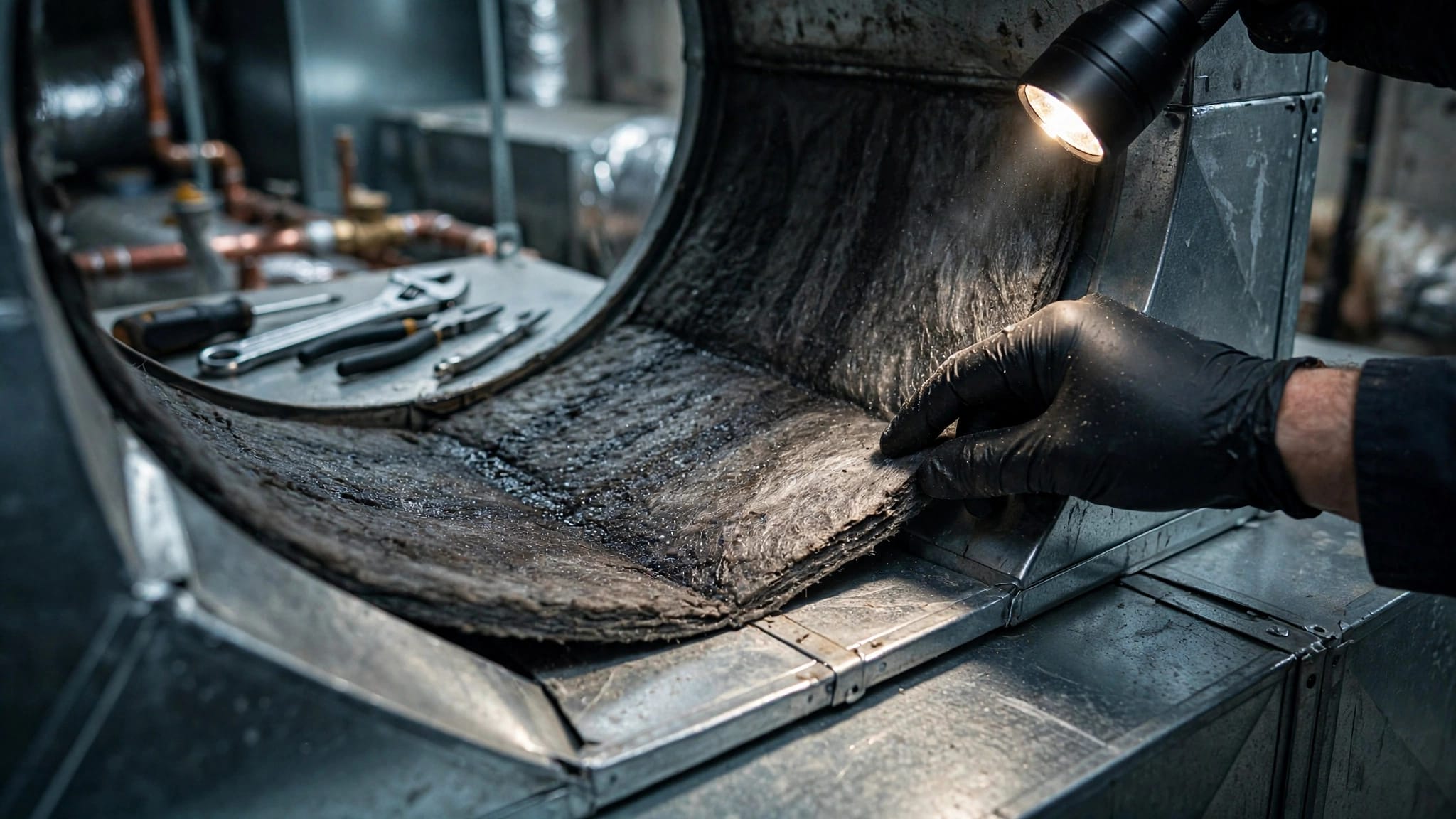
Dust does not stay only where workers create it. Air movement, open doors, fans, and the HVAC system can carry particles into nearby rooms. Some material may settle on supply registers, return grilles, blower compartments, or accessible duct surfaces.
A duct cleaning won't remove every particle from a home or guarantee relief from allergies. However, removing accumulated debris may help reduce one source of dust, especially after a renovation.
When cleaning first makes sense
For most flooring replacements, schedule duct cleaning after old flooring removal and major sanding or surface preparation. Complete any drywall repair that could create more dust before the cleaning appointment.
If the flooring contractor plans extensive work around vents, registers, or HVAC equipment, ask both companies to coordinate. Cleaning too early can leave the system exposed to another round of construction debris.
Plan the Work in the Right Order
A simple schedule prevents one trade from undoing another's work. Confirm the plan before flooring materials arrive.
1. Talk with both contractors
Tell the flooring contractor that you plan to clean the HVAC system. Ask when demolition, sanding, adhesive work, and final subfloor preparation will finish.
Then share the flooring schedule with the duct cleaning company. The technician may need access to supply registers, return grilles, the air handler, and other HVAC components. A clear work area makes the appointment easier and reduces the chance of damaging a finished surface.
If the laundry room is receiving new flooring, ask whether the dryer vent should be cleaned during the same visit. Dryer ductwork is separate from HVAC ductwork, and lint removal requires its own inspection and service.
2. Schedule cleaning after dusty preparation
The best date is usually after demolition and sanding, but before the final flooring installation. This timing lets the cleaning crew remove construction-related debris before the new surface is completed.
Some projects need a different schedule. For example, a flooring contractor may need to remove HVAC equipment or open part of a wall. In that case, wait until the contractor finishes work that affects duct access.
Homeowners in Fort Myers can review local Fort Myers air duct and dryer vent cleaning options when coordinating both services.
3. Confirm the final installation date
Ask the flooring contractor how much time the home needs between cleaning and installation. The answer depends on the flooring type, adhesive, subfloor condition, and remaining preparation.
For wood, laminate, or vinyl products, follow the manufacturer's requirements for acclimation and subfloor moisture testing. Duct cleaning doesn't replace those flooring inspections.
Prepare Your Home Before the Cleaning Visit
Preparation protects your belongings and gives the technician room to work. It also helps you identify concerns before service begins.
Clear access and protect belongings
Move small furniture, decorations, and fragile items away from registers and return grilles. If large furniture cannot move, tell the technician before work starts. Protect nearby surfaces with clean coverings, especially when the old flooring has already been removed.
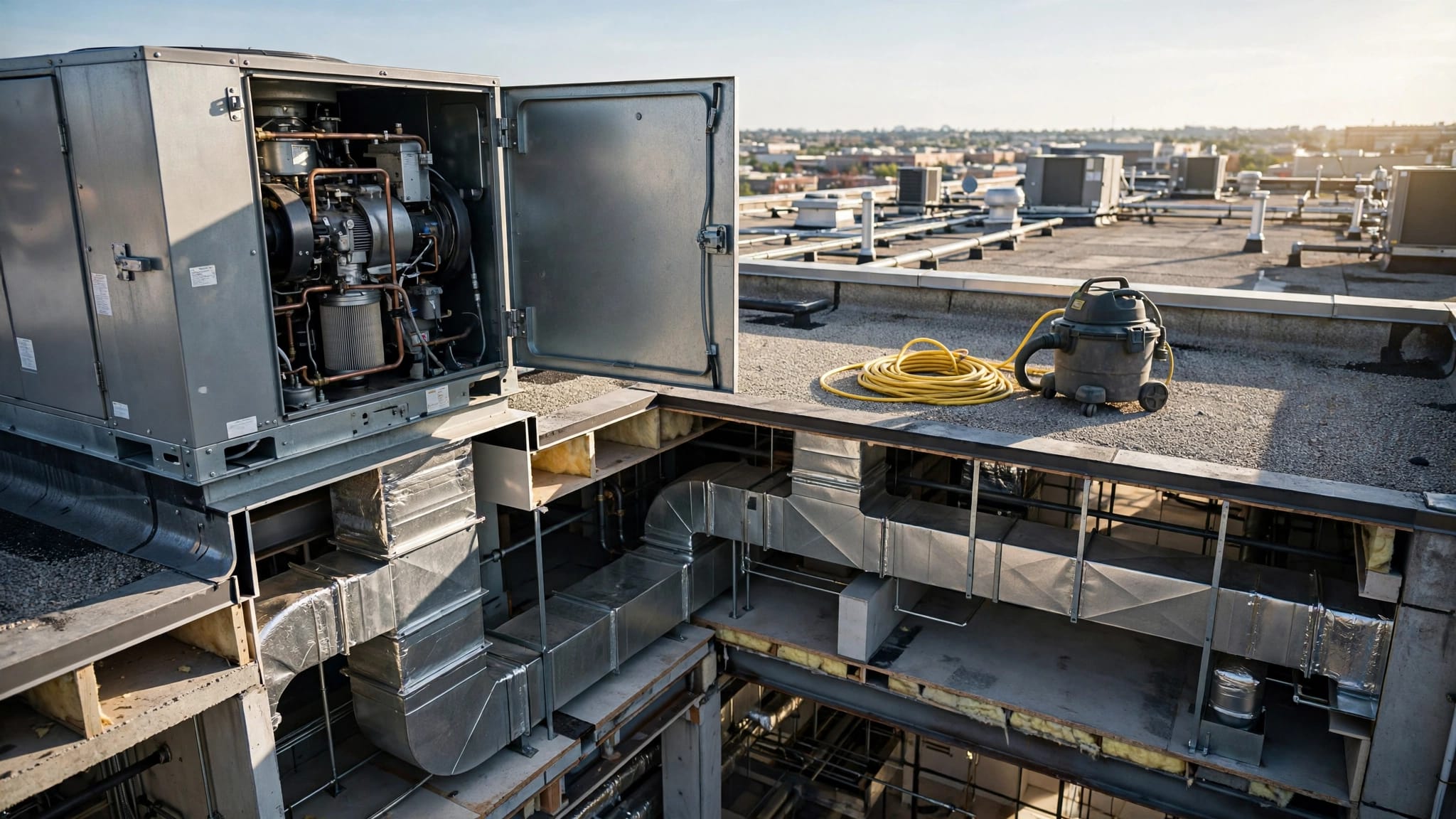
Keep children and pets away from the work area. Ask the cleaning company what they need near the air handler, attic access, crawl space, or utility closet. Florida homes may have HVAC equipment in garages, closets, attics, or exterior service areas, so access can vary.
Remove loose flooring debris before the appointment. A duct cleaning crew should not have to work through piles of demolition waste or wet materials.
Share useful information
Tell the technician about musty odors, visible debris, recent water damage, pest activity, remodeling dust, or rooms with weak airflow. Also mention whether the HVAC system has a history of leaks, condensation, or drain problems.
Have the filter size and recent HVAC service information available if you know them. A technician can then explain whether the job involves accessible duct surfaces only or also includes other HVAC components.
What to Expect During Air Duct Cleaning
A professional visit should begin with an inspection and a discussion of the work scope. Ask which parts of the system the company will clean, what access points it needs, and how it will protect the home.
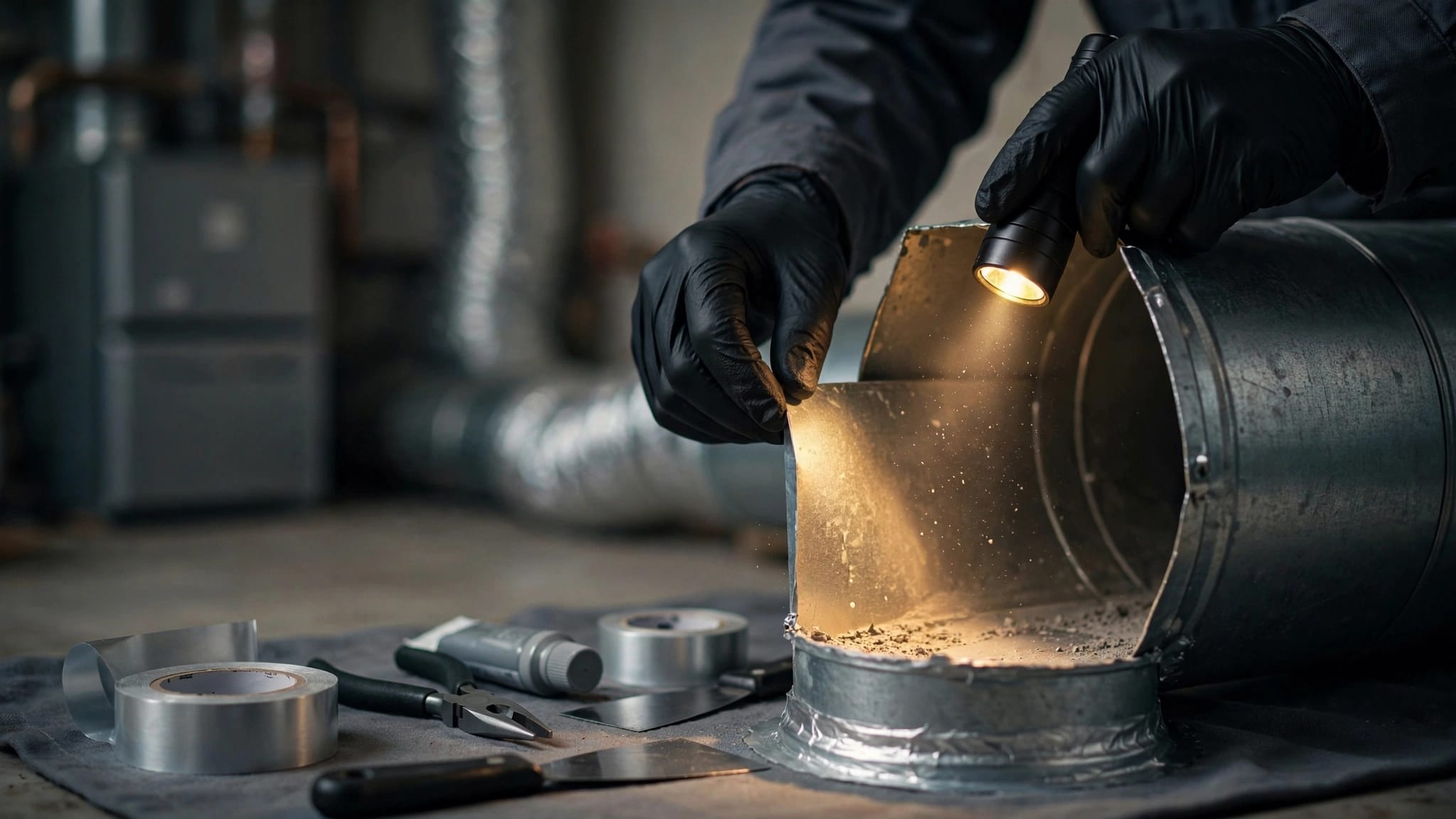
Cleaning methods vary by system design and condition. The crew may cover or isolate registers, use agitation tools, and connect vacuum equipment to collect loosened material. The technician should protect finished surfaces and avoid spreading debris into the rooms.
Ductwork is only one part of the HVAC system. The blower compartment, coil, drain pan, filter area, and supply or return plenums may need separate attention, depending on their condition and the service agreement. Ask for clear answers instead of assuming every component is included.
Choose the right service scope
Dust around a grille doesn't always mean the entire duct system needs the same level of work. On the other hand, wiping registers won't address debris deeper in the system.
Review the difference between register cleaning and full-system service before you book. The appropriate choice depends on what the inspection finds, how much renovation dust entered the system, and whether the HVAC equipment also needs service.
Be cautious about automatic sanitizer or antimicrobial recommendations. Those treatments may have a place in some situations, but a label or odor alone doesn't prove that a chemical treatment is needed. Ask what problem the product addresses and whether the source of moisture or contamination has been corrected.
Protect New Flooring During and After Installation
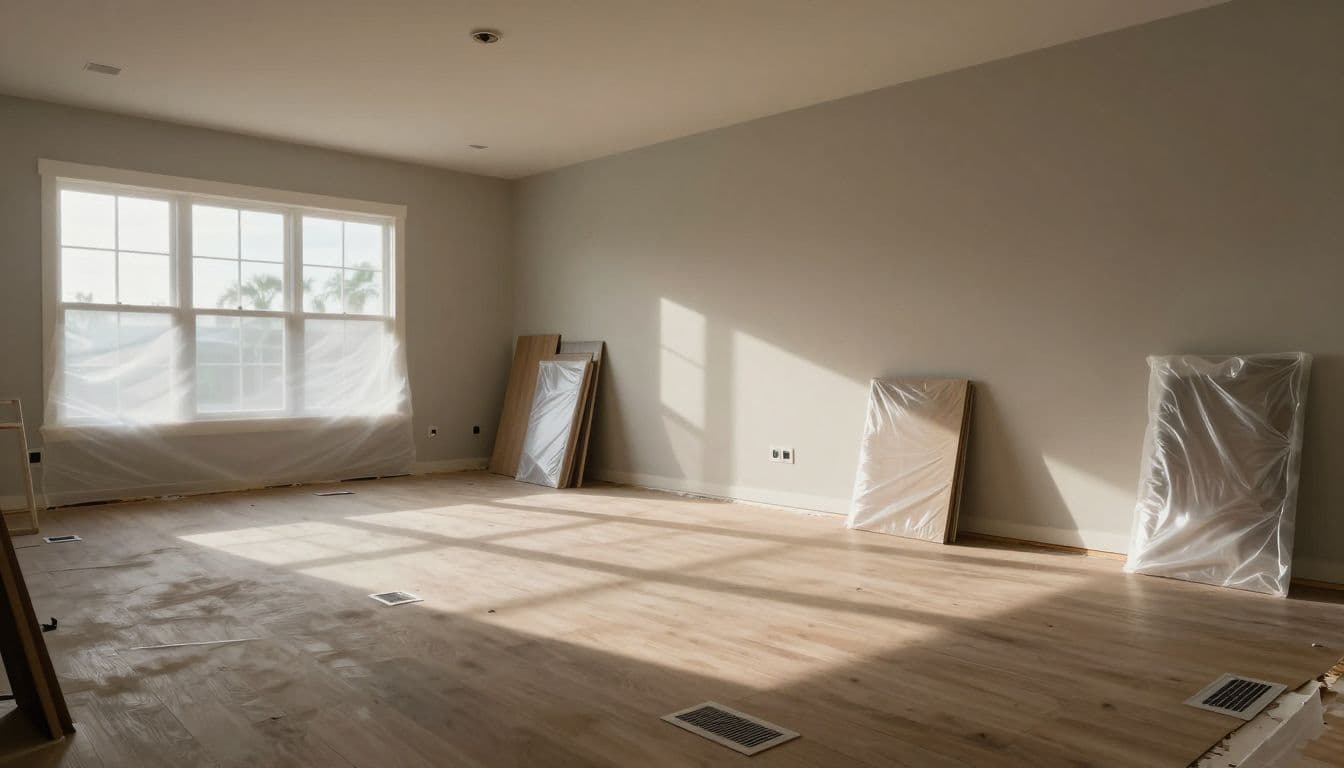
Once duct cleaning is complete, the flooring contractor still needs to control dust and protect the finished surface. A clean HVAC system can collect new debris if workers leave registers open during cutting or sanding.
Use a clean handoff between trades
Ask the flooring contractor how the work area will be contained. Floor protection, sealed barriers, and covered vents can help keep debris from spreading through the home. Vent covers should be removed when appropriate, not left in place while the HVAC system operates.
If more sanding or drywall work becomes necessary after duct cleaning, tell the HVAC company. You may need a final inspection or light cleanup after the renovation is finished.
Don't use the HVAC system to speed-dry adhesive, grout, or a newly installed floor unless the flooring manufacturer or contractor approves it. Excess airflow, heat, or humidity can affect some materials and finishes.
Check the system before normal use
After installation, inspect the visible registers and return grilles. Look for loose debris, displaced covers, or dust that entered during the flooring work.
Replace the HVAC filter with the correct type and size for your equipment. Then ask the HVAC professional when to restart the system if adhesives, coatings, or other materials are still curing.
Listen for unusual rattling and watch for weak airflow. These signs can point to a loose grille, blocked register, dirty filter, or an HVAC issue that duct cleaning alone won't correct.
When the Usual Order Needs to Change
The standard schedule works for many homes, but certain conditions require a different plan.
Address moisture before discussing mold treatment
Florida's heat and humidity can contribute to condensation and moisture problems, but humidity alone doesn't prove mold inside ductwork. A musty smell, dark residue, or recurring dust also needs closer evaluation.
Possible sources include roof or plumbing leaks, wet insulation, an overflowing drain pan, or poor condensate drainage. Correct the moisture source before treating visible growth. A cleaning company may recommend an HVAC repair or a separate assessment when the situation falls outside routine duct cleaning.
Avoid promises that a treatment will eliminate all indoor-air-quality concerns. Cleaning can address accessible debris, but it doesn't remove every pollutant or solve building moisture problems.
Coordinate repairs and restricted access
If the flooring project covers an access panel, moves a return grille, or changes a wall around ductwork, schedule the HVAC inspection before that area closes. The same applies when an air handler needs repair or replacement.
Occupied homes may need room-by-room planning. Ask whether the HVAC system should remain off during dusty work and when it can safely run again. Your flooring contractor should make the final call about protecting materials, while the HVAC professional can advise on system operation.
After Both Services Are Complete
Give the new floor and HVAC system a final check before returning furniture to each room. Confirm that registers and returns are open, secure, and free of coverings.
Keep the first HVAC run under observation. If you notice an unusual odor, visible dust blowing from a register, new rattling, or a sudden change in airflow, turn the system off and contact the appropriate professional.
Schedule a Get a Free Estimate if you want help planning air duct or dryer vent cleaning around a flooring renovation. Share the flooring type, renovation stage, HVAC location, and any odor or moisture concerns when you request service.
Conclusion
The most practical schedule is to finish dusty flooring preparation first, clean the air ducts next, and install or complete the new floor afterward. Keep the HVAC and flooring contractors informed so access, floor protection, and system operation don't conflict.
Air duct cleaning can remove accumulated debris, but it doesn't correct leaks, moisture, poor airflow, or every indoor-air-quality issue. A careful inspection and a coordinated work plan give your Florida home a cleaner handoff between renovation and everyday HVAC use.