How Duct Cleaning Works After HVAC Duct Repairs
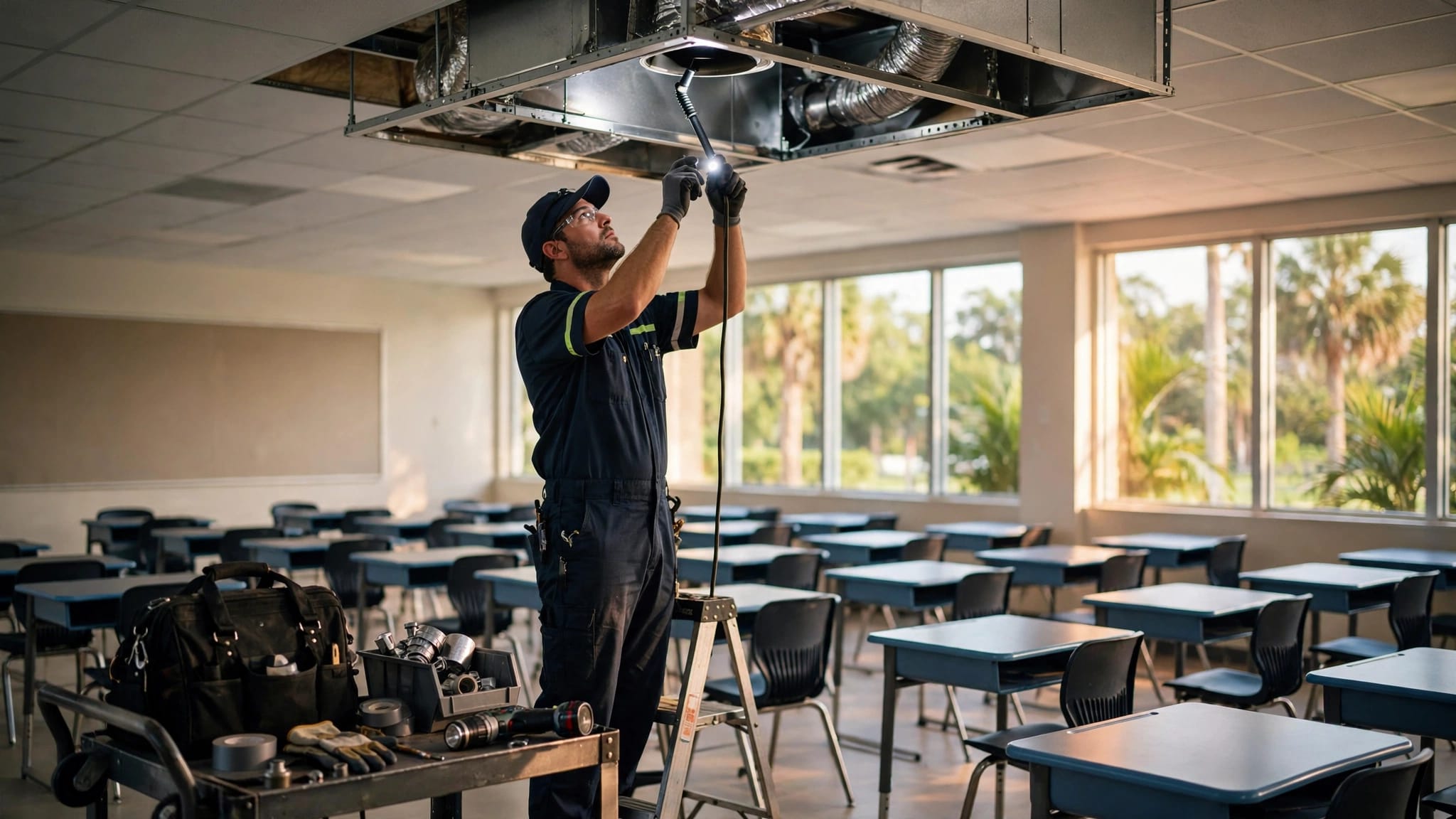
Your duct repair is finished, but dust still comes out when the air conditioner starts. Duct cleaning may be the next step, although visible evidence should guide that decision.
A repaired connection doesn't automatically mean the entire system needs cleaning. The right approach depends on what entered the ducts, where it traveled, and whether the repair corrected the source. Start with an inspection, then match the cleanup to the findings.
When duct cleaning is warranted after repairs
Opening ductwork can expose the air pathway to attic dust, insulation fibers, or nearby construction debris. However, a carefully contained repair may leave little material behind.
The U.S. Environmental Protection Agency doesn't recommend routine duct cleaning for every home. A repair is a reason to check conditions, not an automatic reason to purchase whole-system cleaning.
Look for contamination inside the system
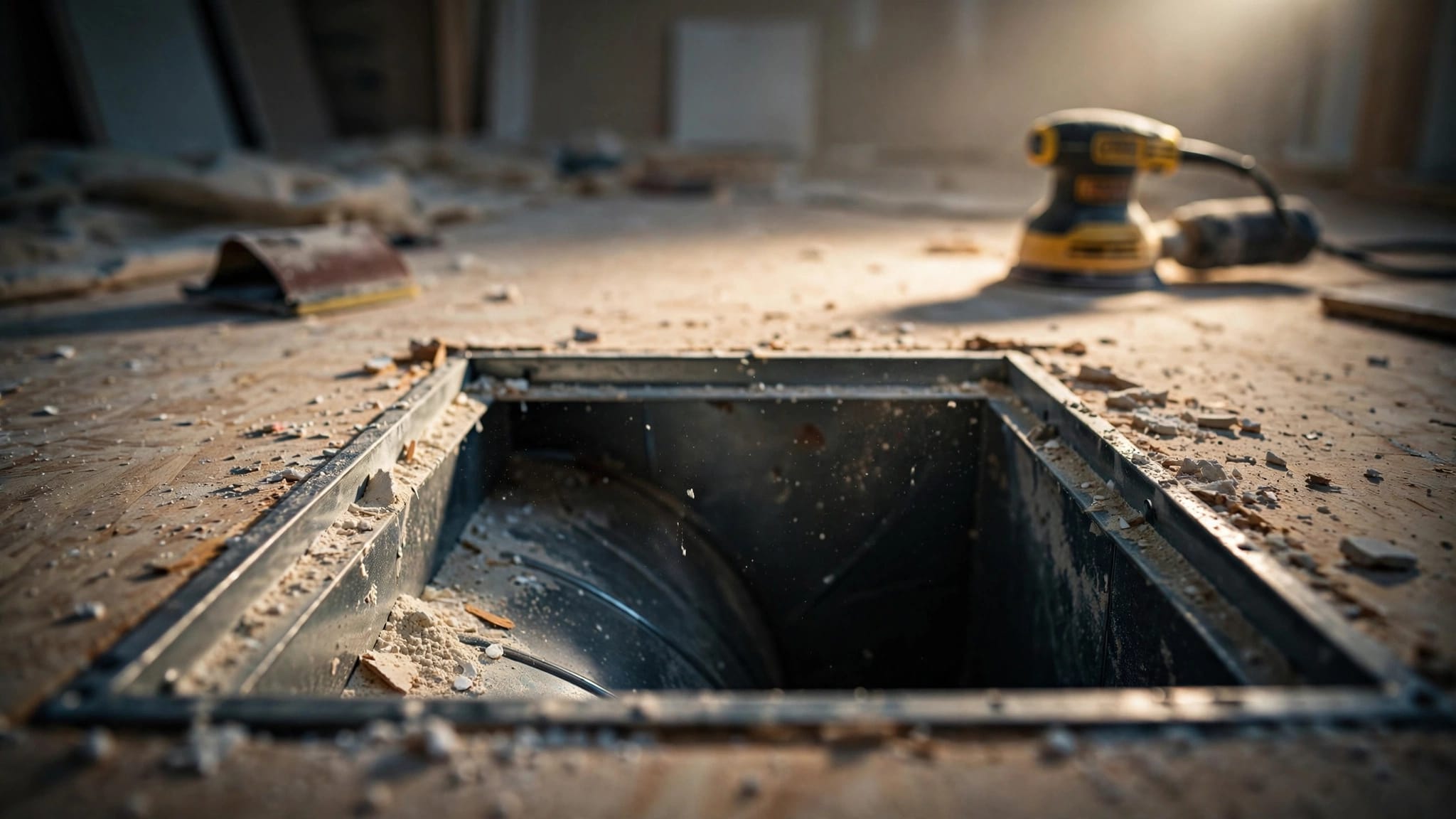
Cleaning deserves consideration when loose debris remains inside a repaired section or particles blow from supply registers. Construction residue in the return plenum or blower compartment also warrants attention.
Tell the technician whether the system ran while ducts were open. Also mention a filter that became unusually dirty after the work.
Dust on a grille alone doesn't establish widespread contamination. Ask for photos or a clear explanation of what the inspection found inside accessible sections.
Separate dust problems from airflow problems
Weak airflow after repairs may indicate a crushed run, loose connection, blocked filter, or another mechanical problem. Cleaning cannot correct those conditions.
Similarly, recurring dust may point to a leaking return connection that pulls attic air into the system. The source needs correction before cleanup can last.
Understanding duct cleaning versus filter replacement helps you separate routine maintenance from a genuine contamination issue.
Finish repairs and dusty work before cleaning
The cleaning appointment should follow completed repairs and any remaining high-dust construction. Otherwise, newly cleaned ducts can collect another layer of debris.
Your HVAC contractor and cleaning provider should agree on the handoff, especially when different companies perform the work.
Confirm the repaired section is ready
Before cleaning begins, the provider should check accessible connections, duct supports, insulation, and the repaired area. Fresh seals or adhesives may need time to cure according to their manufacturer's instructions.
A disconnected or collapsed section requires repair before technicians attempt to clean through it. Cleaning tools also need a sound pathway that can withstand the planned method.
If an airflow complaint remains, ask the HVAC contractor to evaluate it rather than assuming dust removal will resolve it.
Complete surrounding construction cleanup
Finish drywall sanding, cutting, and insulation work before scheduling final cleaning. Then remove settled room dust with suitable vacuuming and surface-cleaning methods.
During active dusty work, contractors should isolate the work area and protect nearby openings. Temporary covers must not remain in place when the system resumes normal operation.
The same timing principles apply to post-renovation air duct cleaning. Cleaning too early can leave you paying for work that later construction partly undoes.
Agree on the cleaning scope before equipment arrives
A written estimate should identify each HVAC system and the areas included. Homes with multiple air handlers have separate air pathways, so one unit's cleaning doesn't cover every zone.
Ask whether the service includes supply branches, main trunks, return ducts, accessible plenums, registers, and grilles. The scope should also identify access limitations and any additional charges.
Air-handler cleaning isn't an automatic inclusion. A blower wheel, evaporator coil, drain pan, or cabinet interior may need separate access, methods, or HVAC service.
NADCA's professional guidance takes a whole-system view of contamination. That makes inspection of connected components important, even when a particular component requires a separate service.
The estimate should explain what happens if technicians discover damage or contamination outside the original scope. Ask for approval before extra work begins, rather than accepting an undefined "whole-house" package.
You should also know which areas cannot be reached safely. A limitation doesn't necessarily invalidate the service, but it should appear in the documentation.
Finally, a dryer vent is separate from HVAC ductwork. If the repair project affected the laundry area, request a separate dryer-exhaust inspection rather than assuming the air duct appointment covers it.
How technicians protect your home and HVAC equipment
Protection comes before agitation or vacuuming. The crew should explain where equipment will sit, which openings it needs, and how dust will stay contained.
Protect rooms and control dust movement
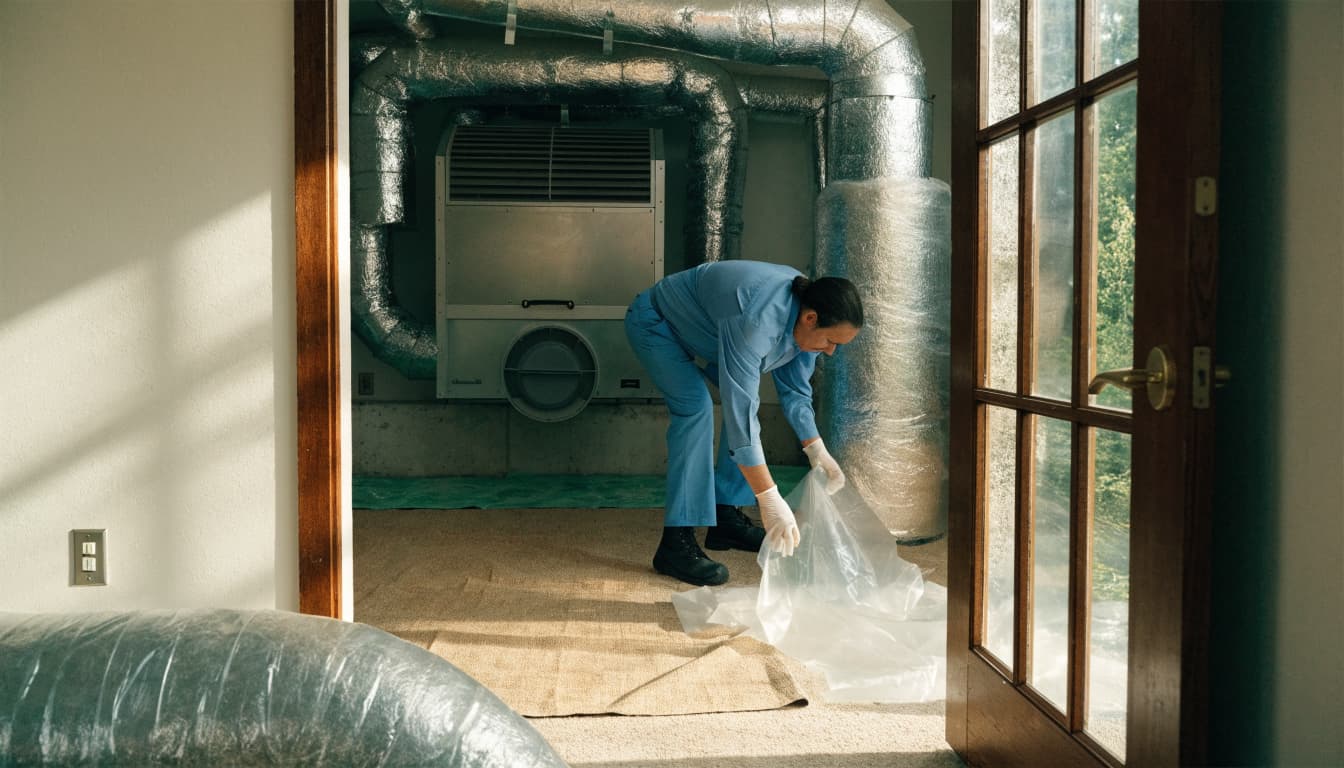
Technicians typically cover nearby flooring and furnishings, protect corners along hose routes, and organize removed grilles. They may temporarily cover or isolate registers to direct collection through the section being cleaned.
A collection unit attaches at a suitable access point. Negative pressure draws loosened material toward that unit rather than allowing it to drift into rooms.
If vacuum exhaust returns indoors, appropriate HEPA filtration helps contain collected particles. Ask the provider how its equipment handles both debris and exhaust.
Protect sensitive equipment and duct materials
The crew should shut down the HVAC system and isolate electrical power where the work requires it. Motors, controls, wiring, and coil surfaces need protection from inappropriate tools or cleaning products.
Methods should match the duct material. Sheet metal, flexible duct, and internally lined ductwork don't tolerate identical treatment.
Technicians should avoid pulling unsupported flex duct or forcing oversized brushes through bends. Wet electrical areas, exposed wiring, or deteriorated insulation require assessment before cleaning continues.
The typical duct-cleaning sequence after inspection
Once the system is safe and the scope is agreed, technicians generally combine collection with controlled agitation. The exact order depends on the layout, access points, and condition of the ducts.
Establish collection and work through the air pathways
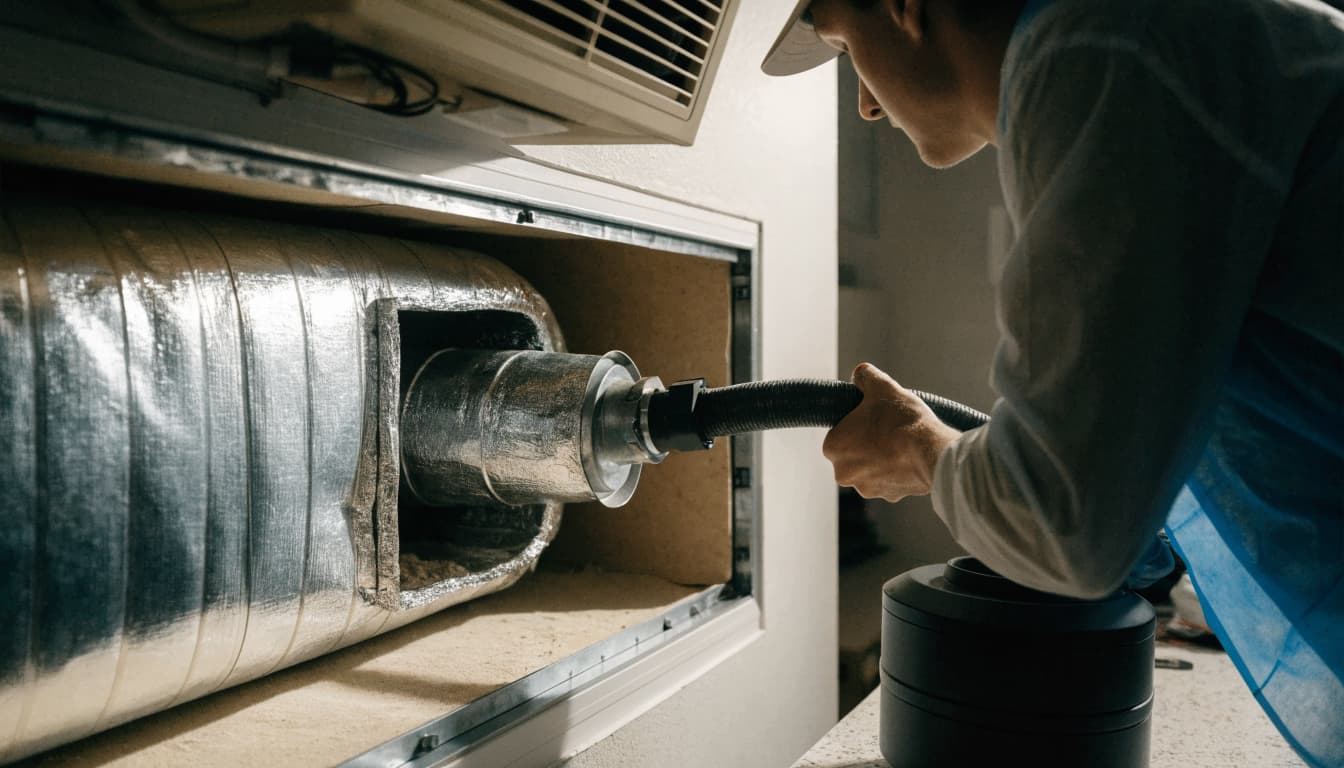
The provider connects a high-powered vacuum and establishes negative pressure in the section being serviced. Depending on the layout, technicians may clean return pathways before moving through supply trunks and branches.
Air whips, compressed-air tools, or suitable brushes loosen material while the collection equipment captures it. Technicians work through accessible sections instead of only vacuuming the openings visible from your rooms.
The process may address household dust, hair, fine sand, drywall residue, and loose insulation fibers. Finding pest waste or damp material changes the assessment and may change the service.
Clean included components and restore access points
Registers and grilles receive attention alongside the agreed duct interiors. If the scope includes air-handler components, technicians use methods appropriate for those surfaces.
Afterward, the crew inspects cleaned areas, reinstalls grilles, and closes access openings. Any new service opening must receive a suitable closure that preserves the duct's integrity.
The filter should also be checked for condition, fit, and the equipment manufacturer's requirements. A clogged filter needs replacement, but higher filtration efficiency isn't automatically suitable for every system.
This guide to professional duct-cleaning steps describes the containment and debris-removal methods you should expect.
Conditions that require a professional assessment
Ordinary dry dust differs from water damage, pest contamination, or deteriorated duct lining. Those findings can require work beyond a standard cleaning appointment.
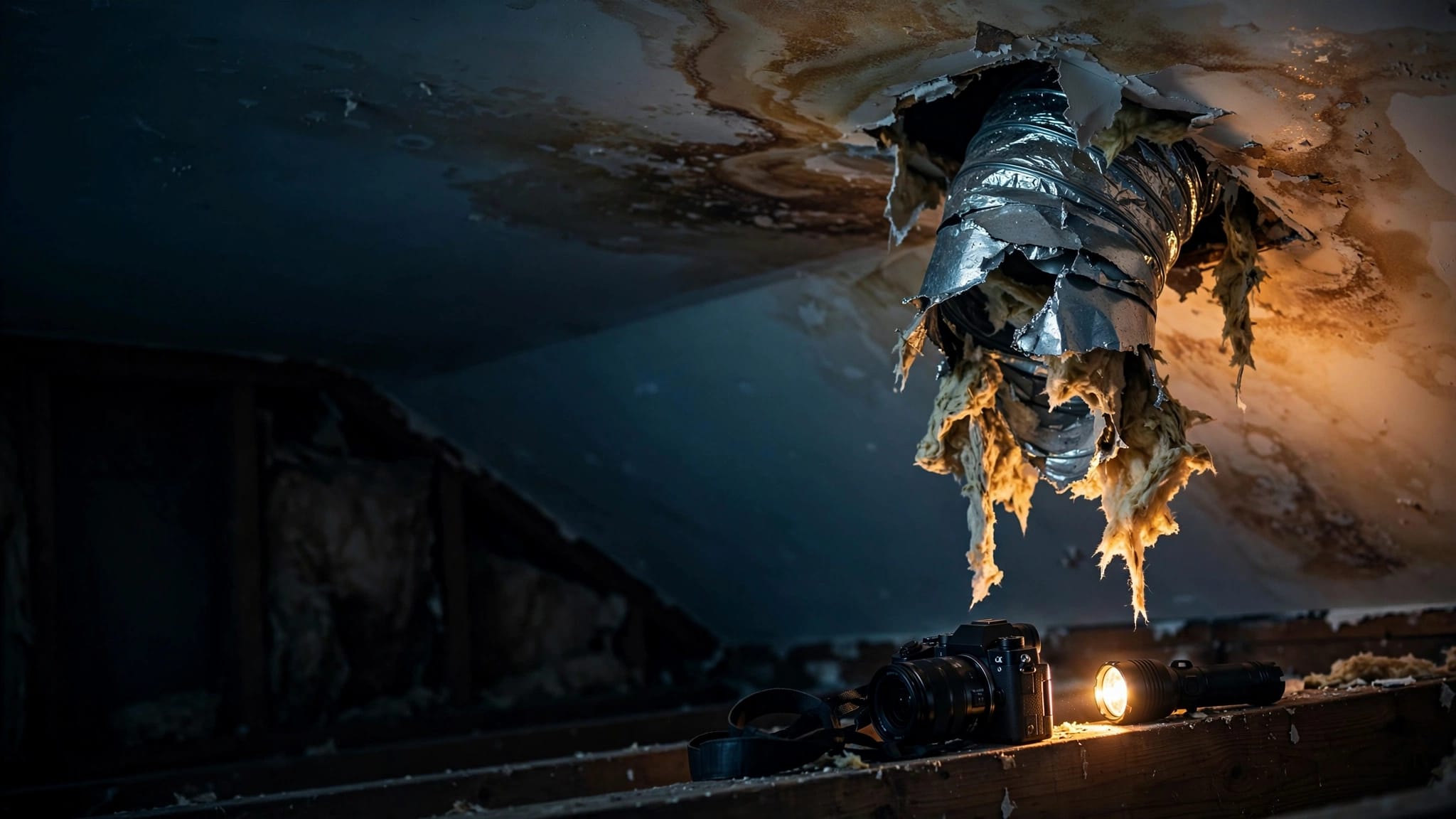
For Florida Gulf Coast homes, moisture deserves particular attention. Condensation, roof leaks, or drainage problems can leave insulation damp and create conditions for microbial growth. Cleaning won't correct the water source.
The EPA advises replacing wet or moldy insulated duct material when it cannot be effectively cleaned. Suspected mold also needs evaluation; color alone doesn't identify what a stain or deposit is.
Active rodents require pest control and entry-point correction before cleanup. Heavily contaminated porous materials may need replacement.
Suspected asbestos-containing material requires specialist assessment before anyone disturbs it with brushes or compressed air.
Sanitizers, inhibitors, UV lights, and air purifiers are separate options, not substitutes for physical debris removal. Ask what finding supports a treatment, whether the product suits the intended surface, and what label instructions apply.
A provider should explain these limitations before recommending an add-on.
What homeowners can verify after cleaning
A final review should connect the original findings to the completed work. You shouldn't need to judge the result by a fresh scent or a polished grille.
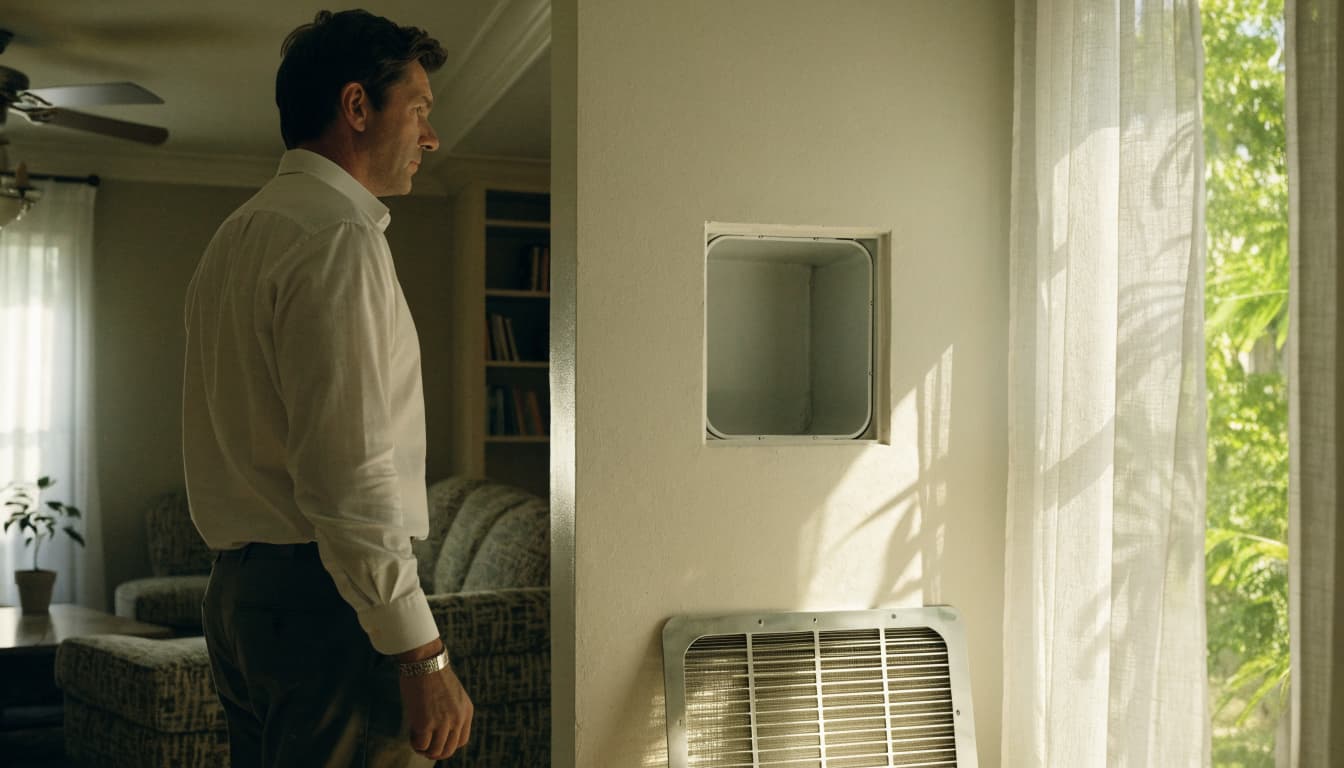
Ask for before-and-after photos of the same accessible locations, particularly the repaired section and any documented buildup. Photos of one clean opening cannot establish the condition of every branch.
A clean register cover shows that the cover was cleaned. Verification inside the agreed duct sections matters more.
Before the crew leaves, review these practical checks:
- Confirm that registers, grilles, and access panels are reinstalled securely.
- Ask which duct sections and HVAC components were cleaned, excluded, or recommended for separate service.
- Check that the correct filter is installed and temporary protective covers are removed.
- Look for leftover debris, damaged finishes, or loose hoses around the work area.
Once the technician clears the system for use, note whether previously reported particles or unusual noises return. Persistent weak airflow needs HVAC diagnosis rather than repeated cleaning without an explanation.
Homeowners can check visible surfaces, but they shouldn't open electrical compartments or reach deep into ducts. Cameras and professional inspection provide safer access to hidden areas.
Keep the scope, photos, and repair records together. They make follow-up conversations easier if a problem returns.
A repair should lead to a condition-based cleanup
Duct cleaning after HVAC repairs makes sense when inspection finds debris that needs removal. It works best after the underlying damage and any remaining dusty work are resolved.
Evidence and a clear scope matter more than an automatic cleaning recommendation. Controlled collection and a documented final review help you understand what the service accomplished.
If your repair left visible debris or you need help evaluating cleanup, Get a Free Estimate from Adkins Duct Cleaning & Dryer Vent Service.