
Can Open Registers Let Construction Debris Into HVAC Ducts?

Adkins Duct Cleaning • September 29, 2026

A remodel can look finished while drywall dust sits just inside a vent. Yes, loose debris can enter an uncovered register during sanding, cutting, or cleanup. But the type of opening matters : a return draws room air inward, while a supply register normally blows air out.

If you suspect construction debris in HVAC ducts, check which openings were exposed and whether the air conditioner ran during the work. Those details help you decide what needs inspection.

Key Takeaways

  • Debris can fall into an uncovered supply opening; an operating return can draw airborne dust into the system.
  • Dust on a grille alone doesn't prove the connected duct is dirty.
  • Finish dusty work before inspecting and cleaning affected parts.

How construction debris in HVAC ducts gets there

A register opens into a duct branch, but supply and return openings expose the system in different ways.

Supply openings can collect falling material

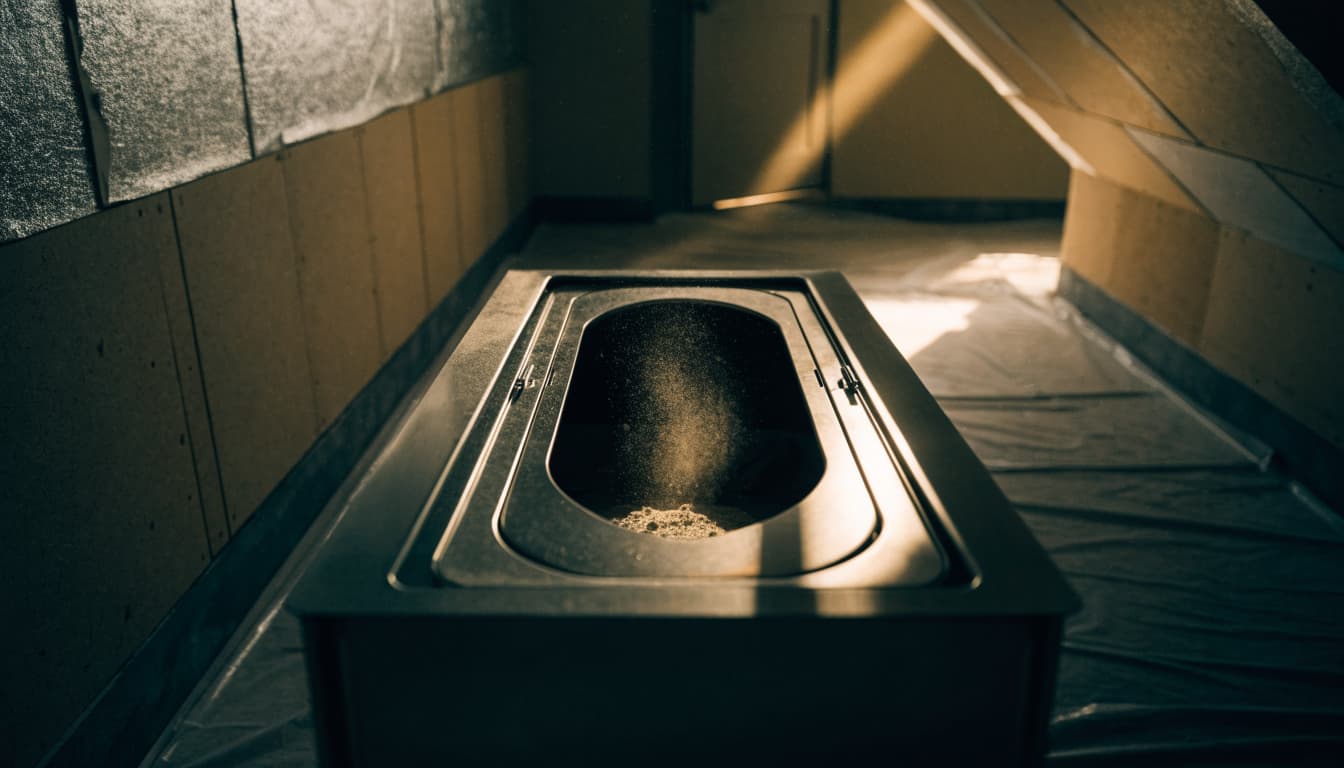
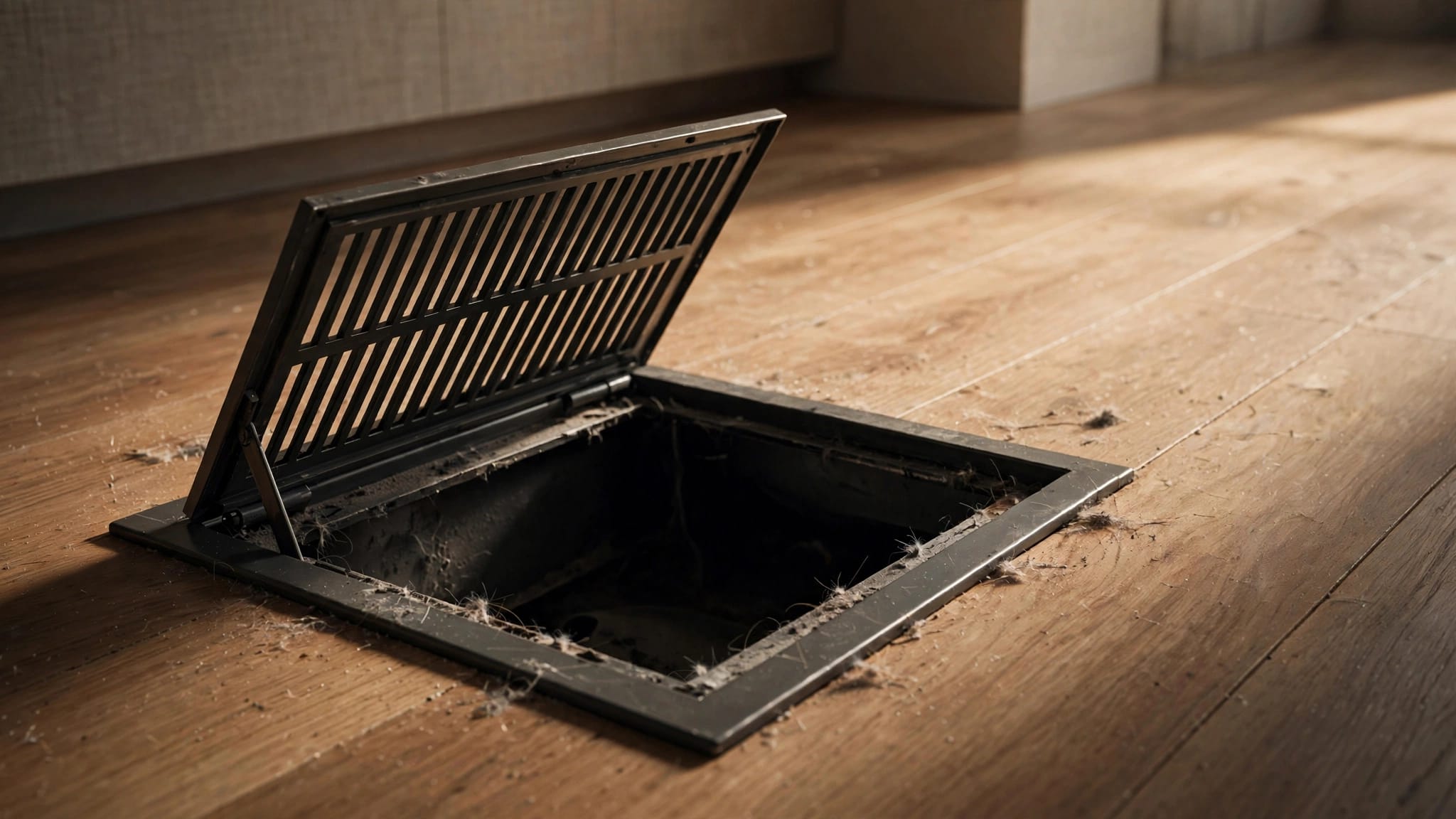
Removing a supply grille exposes the duct section immediately behind it, called a boot. Drywall dust, sawdust, insulation fibers, or flooring grit can fall or be swept into that opening. Floor registers are vulnerable when workers cut materials or clean nearby.

Supply airflow normally moves out into the room. So a running supply register doesn't draw in dusty room air like a return does. Still, material that entered while the opening was exposed may blow into the room when the system starts.

Returns draw dust toward the equipment

A return grille is an intake. If the fan runs during sanding, airborne dust can travel toward the filter and air handler. A loaded filter or gaps along the return path can add to the problem.

That airflow route differs from debris falling into a supply boot. Both deserve attention after a dusty project. For a closer look at how remodeling affects the air path, see air duct cleaning after a home renovation.

What signs call for an HVAC inspection?

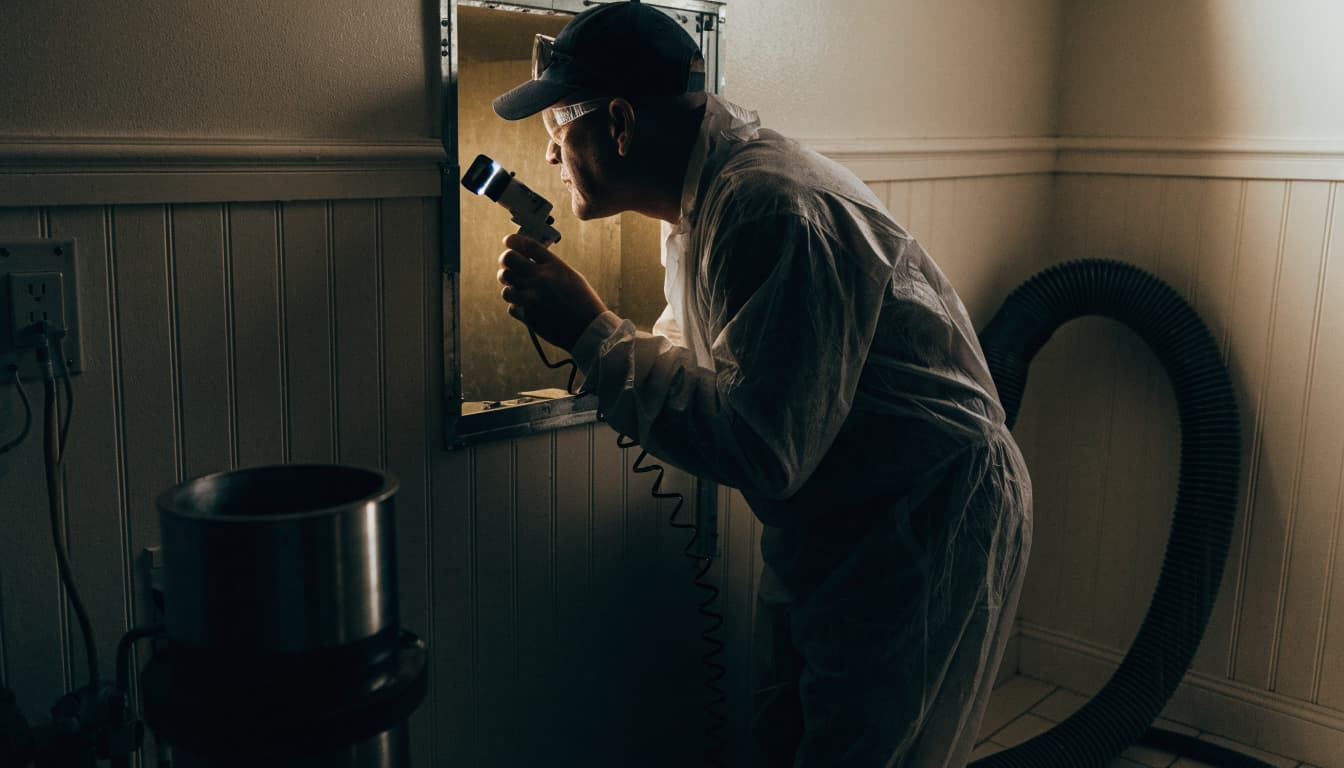
Start with accessible openings. Turn the system off before removing a grille, and don't reach deep into the ductwork.

Look beyond the grille face

Shine a flashlight into the boot behind the cover. Loose grit or a layer of fine white dust inside the opening is more telling than dust on the cover. Dust puffing from supply vents, a filter that loads unusually fast, or visible residue in the blower compartment also warrants a closer look.

If airflow changed after the project, ask an HVAC technician to check for restrictions or damage. Construction debris in HVAC ducts is one possible cause, but a damaged duct needs a different fix.

Find out why the dust is there

Marks around a grille can come from ordinary household dust or an air leak. They don't show how far debris has traveled. An HVAC ductwork inspection can help locate affected branches and loose connections.

Tell the technician if you find damp insulation, pest waste, or mold-like growth. Those conditions may require source control or replacement of damaged porous material, not ordinary vacuuming alone.

Protect the system during the rest of the project

Keep the HVAC system off during sanding or demolition when the work plan allows. Contain the work area and cover nearby openings temporarily. Remove temporary covers before running the system so necessary airflow isn't blocked.

Once the last dusty task is complete, clean floors and surfaces without sweeping debris toward vents. Check the filter and replace it if loaded, using the correct size and an efficiency suitable for your system. Then inspect registers, returns, and accessible air-handler areas.

Timing can prevent repeat work. Guidance on air duct cleaning after new construction recommends waiting until heavy dust work and flooring cleanup are finished. The same sequence makes sense for a remodel.

Match the cleaning to what the inspection finds

If dust sits only on a removable cover and the duct behind it looks clean, cleaning the register may be enough. Material deeper in a branch or dust released from supply vents calls for a broader assessment. The U.S. Environmental Protection Agency doesn't recommend routine duct cleaning for every home.

When construction debris in HVAC ducts is confirmed, ask what the proposed work covers. Professional cleaning can use negative-pressure collection while tools loosen settled material. The scope may include affected supply and return runs, registers, and accessible air-handler components. A quick pass over the grille faces won't reach debris deeper inside.

Cleaning also won't repair a torn duct or correct a moisture source. If residue is visible or dust keeps blowing from vents, Get a Free Estimate for a scope based on the areas affected.

Frequently asked questions

Does an open supply register pull renovation dust inward?

Normal supply airflow moves outward. However, debris can fall or be knocked into an uncovered supply opening, particularly a floor register. A return grille is the opening that draws dusty room air into an operating system.

Does every renovation require full duct cleaning?

No. A dusty cover may need only surface cleaning, while debris deeper in the ductwork can justify professional removal. Finish construction cleanup first, then use an inspection to decide which parts need attention.

The bottom line

An open vent near construction work deserves a look, but the route matters. Returns draw airborne dust inward ; uncovered supply openings can collect debris that falls through them. A dirty grille alone doesn't prove every duct needs cleaning.

Finish the dusty work, inspect the accessible areas, and match any cleaning to the contamination found.

By Adkins Duct Cleaning • September 28, 2026
A ceiling stain, torn duct, or pile of debris near a vent can change quickly once cleanup begins. If you may file a home insurance claim, record what you can see before it changes , as long as it's safe to wait. Good duct condition documentation connects clear, dated images to...
By Adkins Duct Cleaning • September 27, 2026
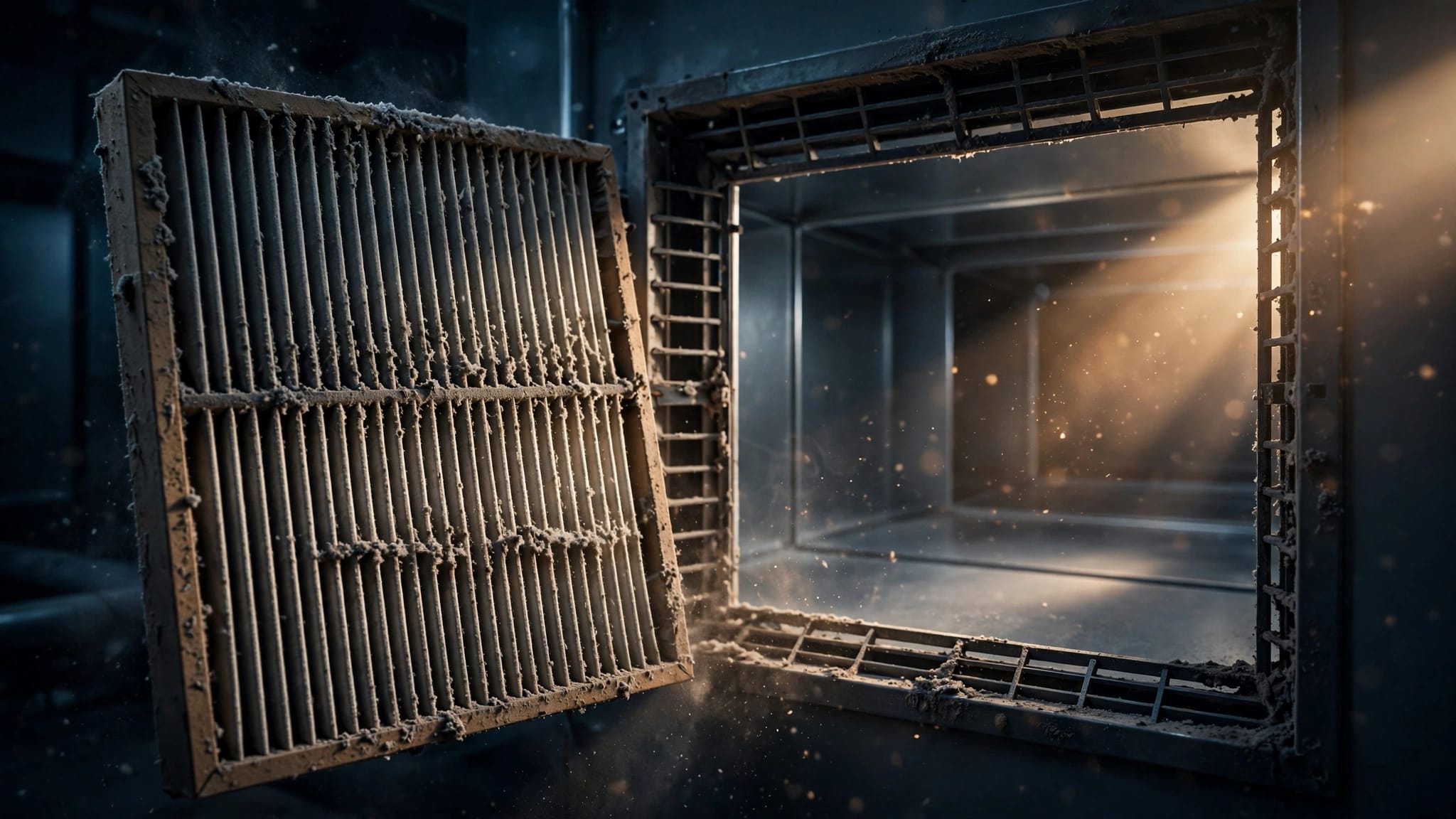
A filter comes out coated in gray dust, and you wonder what the ducts look like inside. A dirty HVAC filter can contribute to dust buildup in the system, especially if air slips around its frame. But a dirty filter alone doesn't prove your ducts are contaminated or need cleani...
By Adkins Duct Cleaning • September 26, 2026
A dusty grille in the floor can make you wonder what's collecting beneath it. Because floor return air grilles sit where shoes, pet hair, and cleaning debris can reach them, the visible mess may build up quickly. That dust alone doesn't tell you whether the duct system needs c...