Can a Dirty HVAC Filter Contaminate Your Air Ducts?
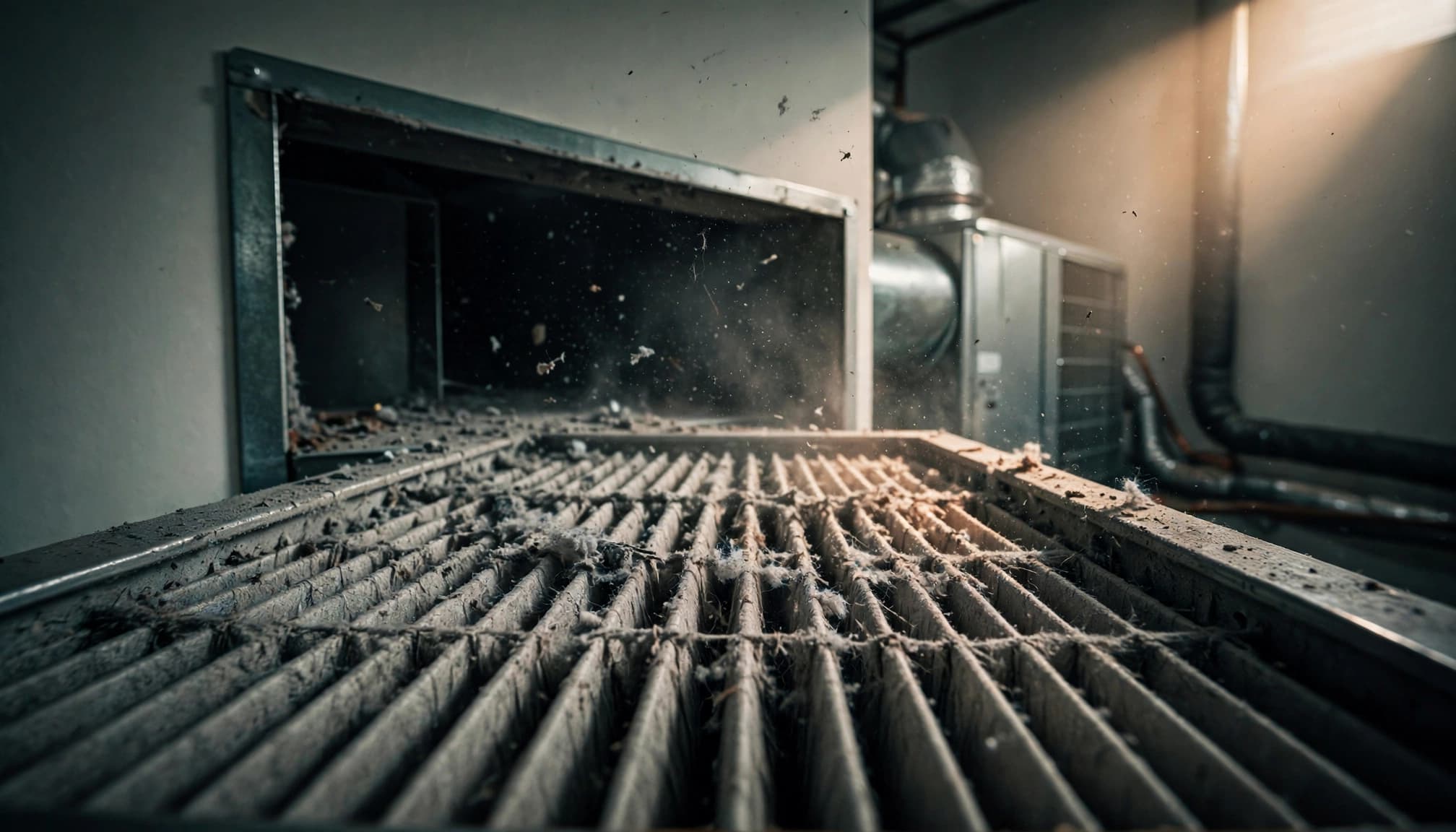
A filter comes out coated in gray dust, and you wonder what the ducts look like inside. A dirty HVAC filter can contribute to dust buildup in the system, especially if air slips around its frame. But a dirty filter alone doesn't prove your ducts are contaminated or need cleaning.
The useful question is where the dust is collecting and how it got there. Start with the filter and return-air path, then look for evidence farther into the system.
How a dirty HVAC filter affects your ducts
Your HVAC system pulls air through return openings, past the filter, and into the air handler. Dust on the filter's incoming side is expected: trapping particles is its job. As the filter fills, however, airflow can become restricted.
A clogged filter can strain the system
A heavily loaded filter makes it harder for air to pass through. You might notice weaker airflow at several vents or rooms that take longer to cool. Those symptoms call for a filter check and, if they persist, HVAC maintenance. They don't establish that the ducts are dirty.
Replacing the filter won't remove dust already settled in ductwork. It can, however, restore proper filtration if the old filter was the source of the airflow problem.
Gaps create a path around filtration
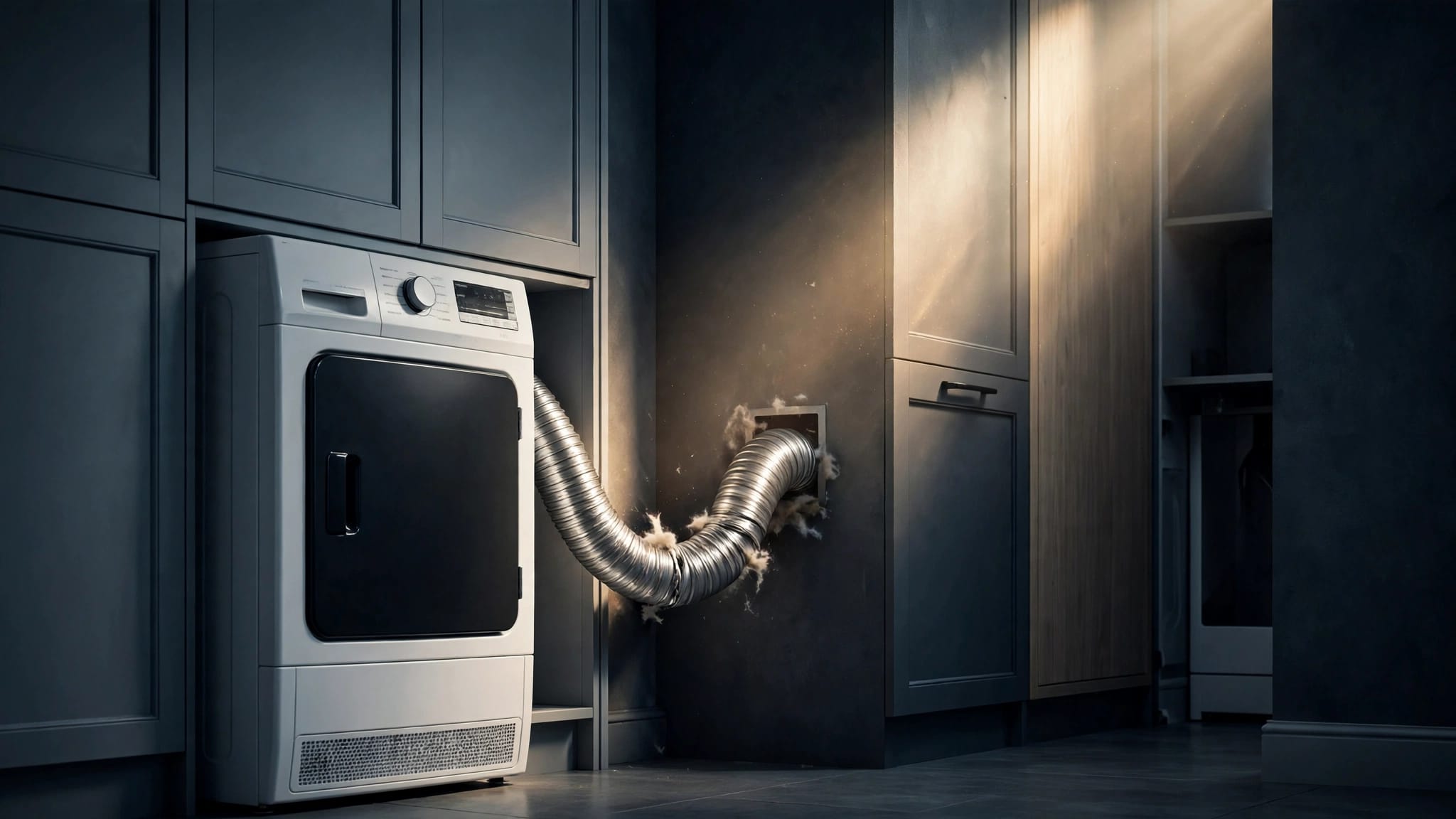
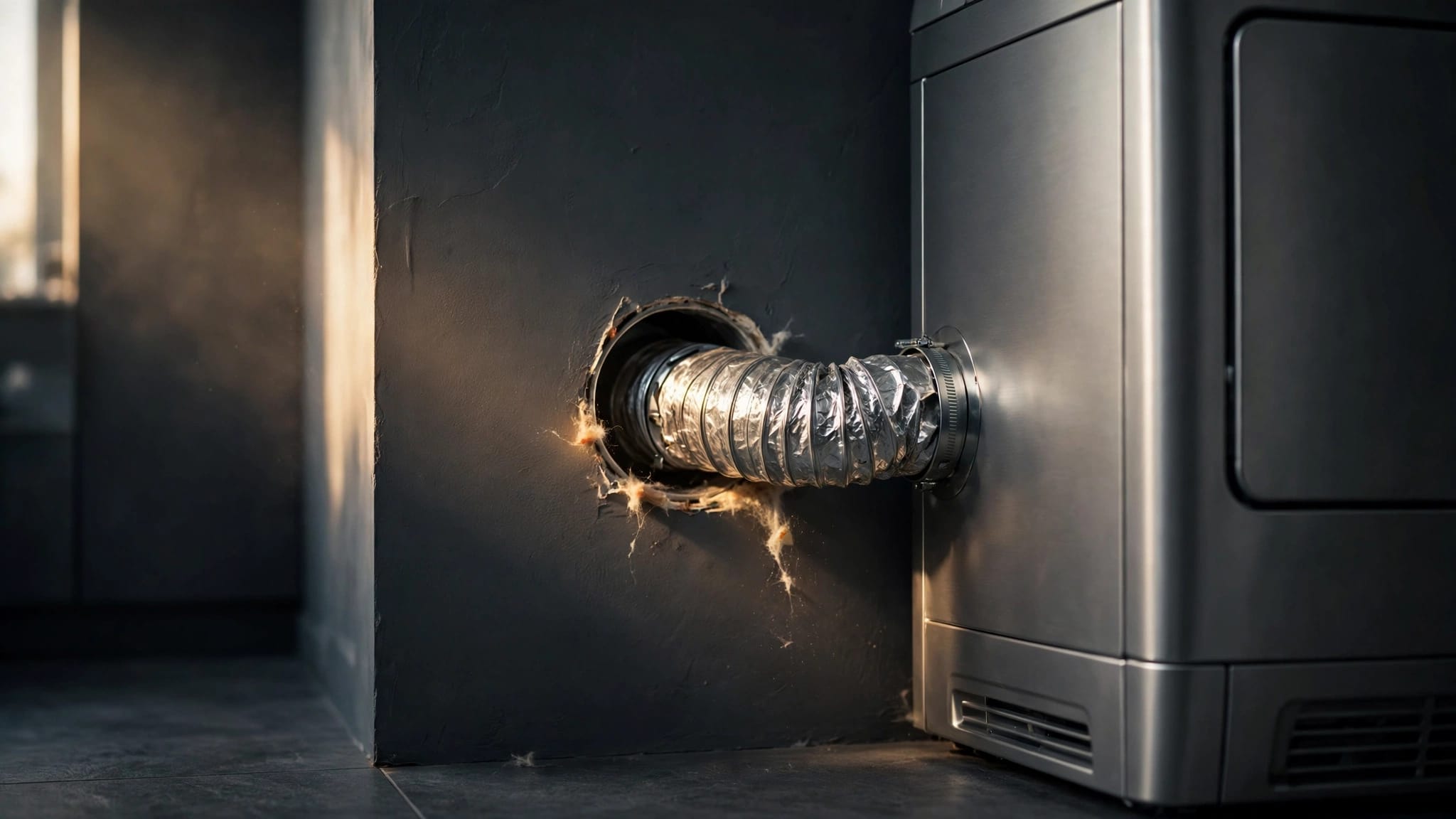
A filter that's the wrong size or sits loosely in its rack may let dusty air pass around the edges. That air can carry particles into the return plenum, blower area, and other downstream components. Leaks in return ductwork can also draw in dusty attic air.
An inspection can distinguish these issues from ordinary filter loading. See how an inspection identifies duct and filter problems for a closer look at the return-air path.
Signs worth checking beyond the filter
A dirty register cover or a dusty shelf isn't enough to judge the entire duct system. Instead, look for a pattern that remains after you replace the filter and clean nearby surfaces.
Check what you can see safely
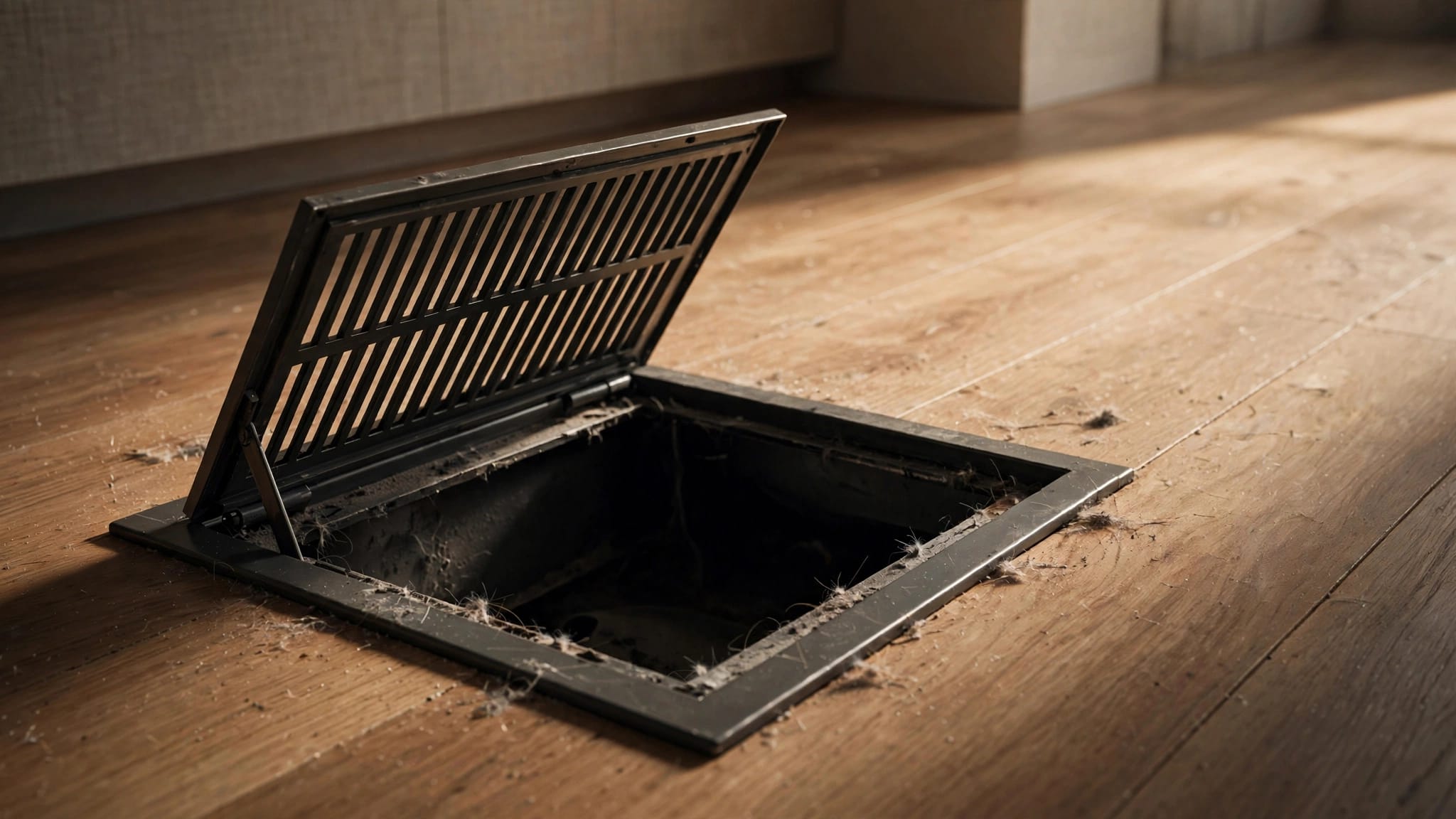
Turn off the system and look behind an accessible return grille or supply register with a flashlight. Note substantial loose debris inside the opening, rather than dust limited to the grille. Dust blowing from supply vents when the system starts is another reason to investigate.
Also watch for a filter that becomes heavily loaded unusually soon after replacement. Pets, open windows, and renovation work can increase its dust load, so that clue needs context.
Take moisture and pest signs seriously
A musty odor when the AC runs, water stains near vents, or visible condensation calls for a moisture inspection. Don't assume a dark mark is mold based on appearance alone. A professional can identify the material and find the moisture source.
Likewise, droppings or nesting material require pest control before final duct cleaning. Recent drywall sanding or insulation work deserves attention if the HVAC system ran during the project or registers were left uncovered. These situations offer stronger reasons to investigate than filter color alone.
Replace the filter before deciding on duct cleaning
If the filter is loaded, replace it with the size and type your equipment calls for. Seat it fully in the rack and check the airflow arrow, which should point toward the blower. Don't stack filters or choose a more restrictive model without checking what the system can handle.
Check it on a schedule that fits your home
Inspect the filter monthly so you can see how quickly it loads. During Florida's heavy cooling season, changing it every one to three months is a useful starting point, not a rule for every filter. Follow the manufacturer's instructions and shorten the interval when pets, construction dust, or long AC run times fill it sooner.
If airflow remains weak with a clean, correctly fitted filter, ask an HVAC technician to check the equipment. A clogged coil, blower issue, or damaged duct needs a different fix than duct cleaning.
Watch what happens after replacement
Give the new filter and cleaned register covers a chance to establish a baseline. If dust still blows from supply vents, look for an entry point or settled material inside the system. When to clean air ducts vs. change HVAC filters offers more guidance on that decision.
Pay attention to where dust reappears. Buildup near a return may point toward filtration or sealing, while debris emerging from a supply register calls for a closer look inside the duct.
When a professional duct inspection makes sense
Schedule an inspection when you see substantial debris inside accessible ducts, notice dust coming from supply vents despite proper filter care, or suspect moisture or pests. Persistent odors and post-renovation debris also warrant a closer look.
Ask the technician to show you the findings and explain their source. If cleaning is recommended, confirm which supply and return ducts, registers, and accessible HVAC components the estimate covers. What to expect during air duct cleaning can help you review the proposed scope.
The U.S. Environmental Protection Agency doesn't recommend routine duct cleaning for every home. Cleaning makes more sense when inspection finds a specific problem to address. It also won't repair a leaky return or stop moisture from coming back.
Key Takeaways
- A loaded filter can restrict airflow; dust on the filter alone doesn't prove duct contamination.
- Poor filter fit or return-air leaks can let dust enter areas the filter should protect.
- Replace and check the filter first. Inspect the ducts when visible debris, persistent dust, moisture, or pests point to a larger problem.
Frequently Asked Questions
Can a dirty filter release dust into the ducts?
A filter loaded with dust mainly restricts airflow. Dust can get past filtration when air bypasses a poorly fitted filter or enters through return-air leaks. An inspection can show whether debris has collected downstream.
Will changing the filter clean dusty ducts?
No. A new filter helps capture particles moving through the system, but it won't remove material already settled inside ducts. Whether that material needs professional cleaning depends on what an inspection finds.
Conclusion
That gray filter is a prompt to check your system, not proof that every duct needs cleaning. Replace it, make sure it fits, and watch for dust or airflow problems that persist.
Visible evidence matters most. When debris, moisture, or pests appear inside the system, an inspection can identify the cause before you commit to cleaning.