
Can Under-Slab Ducts Be Cleaned Without Excavation?

Adkins Duct Cleaning • August 21, 2026

Can a duct buried beneath concrete be cleaned without tearing up your floor? Often, yes , but the answer depends on the duct's condition, layout, access points, and available cleaning ports.

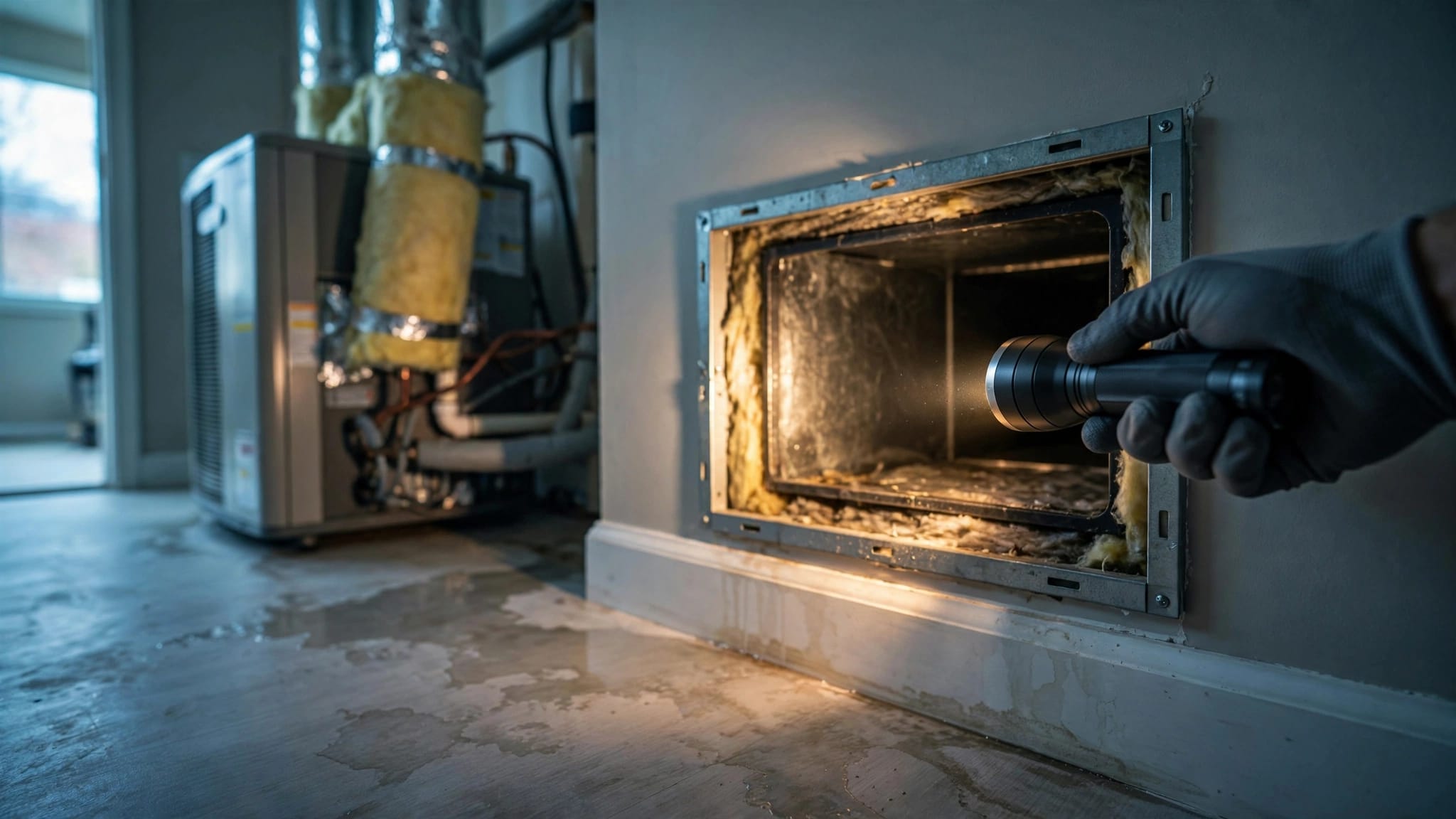
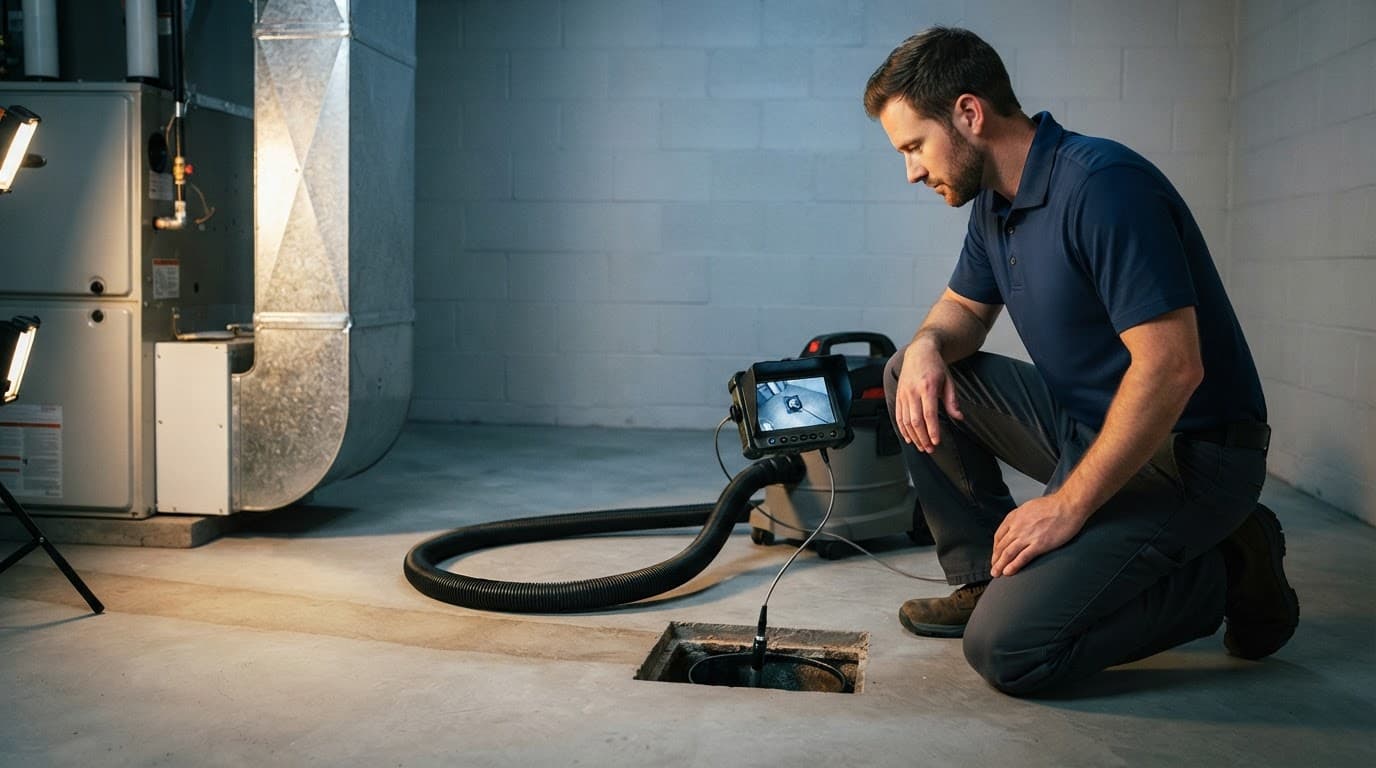
Proper under-slab duct cleaning requires more than pushing a vacuum hose into one register. A technician needs to confirm that the duct is intact, reachable, and suitable for mechanical cleaning. Existing openings, inspection cameras, and negative-pressure equipment can make the work possible without excavating the entire slab.

Before anyone promises a result, the duct system needs a careful inspection.

When under-slab duct cleaning can work without excavation

Under-slab ducts can sometimes be cleaned through existing access points near the air handler, plenum, registers, or service openings. A contractor may also create a small access opening in a floor or wall when necessary. That limited opening is different from excavating the full duct route beneath the concrete.

The layout matters just as much. A straight, accessible run is easier to clean than a long duct with sharp turns, disconnected branches, or narrow sections. The technician also needs enough room to insert agitation tools, vacuum equipment, or a camera and then verify the results.

When existing access is enough

A successful cleaning usually requires the duct section to hold negative pressure while loose material is removed. NADCA's 2021 standard calls for service openings large enough to accommodate mechanical cleaning and allow cleanliness verification.

That means a single register opening may not provide enough access. A professional may need to work through several points so the vacuum captures dust instead of sending it into the home.

Non-invasive methods professionals may use

A professional assessment can identify whether the job needs only cleaning or requires repairs first. Several methods help technicians reach buried ducts without opening the entire slab.

Inspection cameras and robotic tools

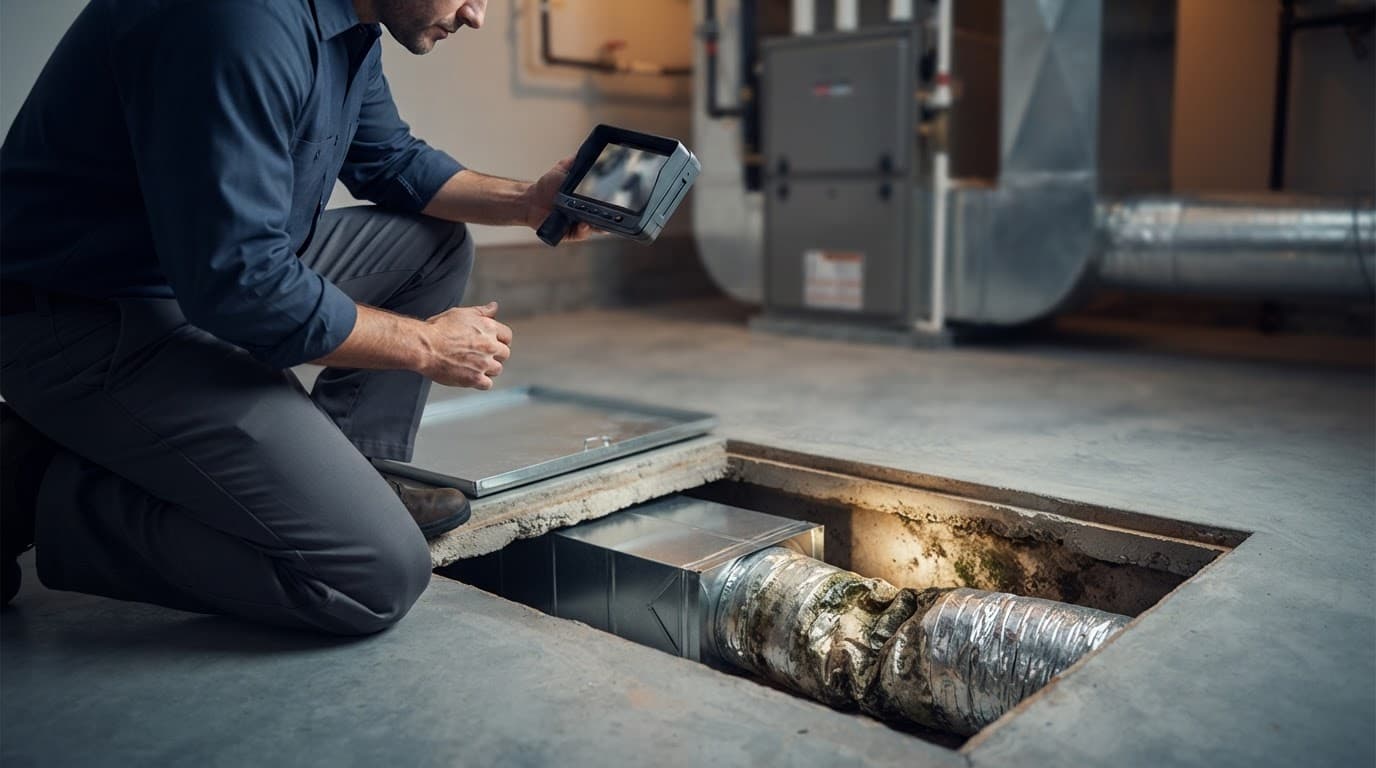
A small inspection camera can travel through reachable sections and show dust buildup, standing water, broken surfaces, pest debris, or a collapsed area. Camera systems such as Rotobrush's Roto-Vision and inspection robots such as Tecai's Visiobot are examples of equipment used for duct evaluation.

A camera doesn't confirm every problem on its own. Dark staining may be dust, soot, old adhesive, or microbial growth. If you want to understand what this equipment can reveal, review what a duct camera inspection reveals.

Robotic tools may also carry brushes, air whips, or suction equipment. Their usefulness depends on duct diameter, bends, surface condition, and whether the robot can travel through the entire run.

High-powered vacuums and air washing

Source-removal cleaning combines mechanical agitation with vacuum collection. Brushes or compressed-air tools loosen material from the duct walls, while a high-powered vacuum pulls the debris into a collection system.

The duct section should remain under negative pressure during this work. That helps prevent loosened dust from entering living spaces. If the exhaust discharges indoors, federal HVAC cleaning specifications call for HEPA filtration rated at 99.97 percent for particles measuring 0.3 microns.

Air washing can remove loose debris, but it can't repair a broken duct. It also may be unsafe for fragile liners, deteriorated materials, or sections that cannot withstand agitation.

When cleaning is not enough

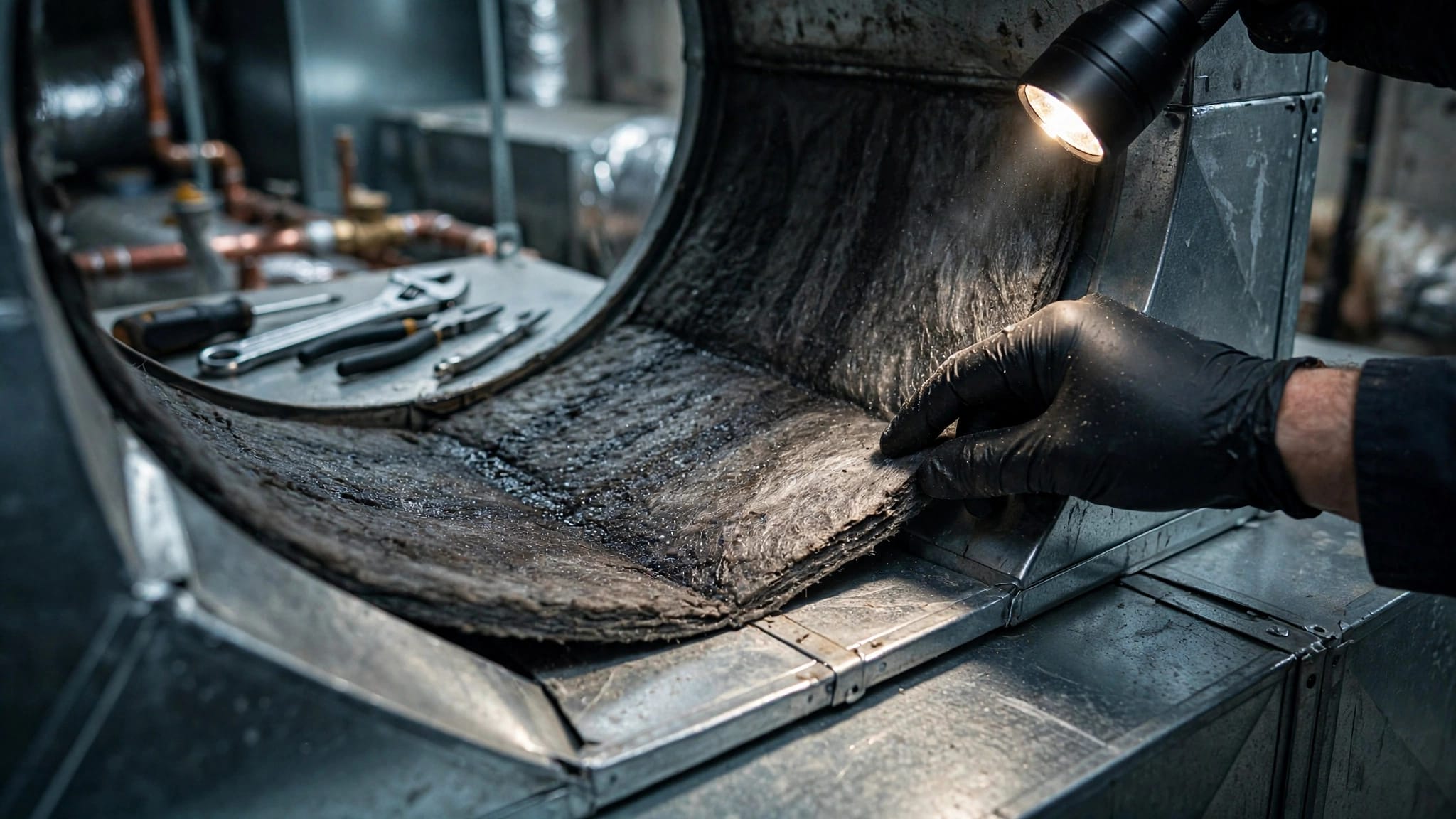
Cleaning removes loose contamination. It doesn't restore a duct that has collapsed, separated, leaked, or filled with water. In these cases, excavation may still be unnecessary, but another repair method must come first.

Collapsed, disconnected, or leaking ducts

A camera may show a crushed section or a blocked passage that prevents tools from moving farther. The vacuum can identify the restriction, but it can't reopen a collapsed duct.

Leaks create another problem. A damaged under-slab run may draw soil, dust, odors, pests, or moisture into the HVAC system. Cleaning the interior without sealing the breach leaves the cause in place. Depending on the layout, a contractor may recommend sealing, rerouting, abandoning the damaged run, or replacing part of the system.

A sound under-slab duct cleaning plan should explain these findings instead of treating every problem as ordinary dust buildup.

Moisture, mold, asbestos, and other hazards

Moisture can enter through leaks, condensation, groundwater, or damaged duct materials. It may also support microbial growth. A camera can show suspicious spotting, but visual evidence alone doesn't prove that the material is mold. Testing or a closer evaluation may be needed.

When microbial contamination is confirmed, the work may require procedures consistent with ANSI/IICRC S520 for professional mold remediation. Removing debris without correcting the moisture source often allows the problem to return. A targeted antimicrobial treatment may help on suitable surfaces, but it isn't a substitute for cleaning and moisture control. Read more about targeted antimicrobial treatment for HVAC systems.

Older homes can contain asbestos in insulation, mastic, or nearby building materials. If asbestos is suspected, work should stop until qualified professionals test and manage the material. Rodent waste, sewage contamination, and other hazardous debris also require extra precautions and proper containment.

What a professional assessment should include

Before authorizing under-slab duct cleaning, ask the contractor to document the system's condition and access plan. A useful assessment should include:

  1. Inspection of the air handler, plenum, supply runs, returns, registers, and reachable duct sections.
  2. Camera inspection where the buried route can't be viewed directly.
  3. Checks for collapse, separation, leaks, standing water, damaged liners, and heavy contamination.
  4. Identification of existing service openings and any additional openings needed for safe cleaning.
  5. A post-cleaning plan that includes visual verification and photographs when possible.

The contractor should also explain which sections can be cleaned and which sections cannot. NADCA guidance focuses on source removal, negative pressure, mechanical agitation, and cleanliness verification. Those details are more useful than a promise that every buried duct can be restored without excavation.

For homeowners, the best estimate separates cleaning from repairs, moisture correction, microbial treatment, and HVAC maintenance. You can also review the Florida duct cleaning process before scheduling service.

If your home has slab ductwork and you need a professional evaluation, contact Adkins Duct Cleaning for a Get a Free Estimate request.

Conclusion

Under-slab ducts can often be cleaned without excavating the entire floor, but only when the system remains structurally sound and technicians can reach it through suitable openings. Cameras, high-powered vacuums, air washing, and robotic tools can remove loose debris while limiting disruption.

The strongest answer comes from an inspection, not a sales promise. If the duct is wet, collapsed, leaking, contaminated, or made with hazardous materials, the repair or safety issue must be addressed before cleaning can provide a lasting result.

By Adkins Duct Cleaning August 21, 2026
Searching for bait and switch duct cleaning can lead you to bargain ads that become expensive once a technician arrives. The low price attracts attention, then missing details, new fees, or urgent sales pitches change the deal. The same concern applies to dryer vent cleaning....
By Adkins Duct Cleaning August 20, 2026
Drywall sanding can leave a home looking clean while fine white dust remains inside its HVAC path. After remodeling, many Florida homeowners search for duct cleaning drywall dust because an operating system can pull residue from the work area and distribute it into finished ro...
By Adkins Duct Cleaning August 20, 2026
A dryer vent crawl space route can be safe when the duct passes through the space and continues outdoors. It must never release hot, moist air or lint into the crawl space. A hidden termination can damage insulation, encourage mold, restrict airflow, and increase fire risk. Sa...