Fitness Center Air Duct Cleaning in Florida
A dusty vent above a basketball court deserves attention, but it doesn't tell you what the whole HVAC system needs. For Florida operators, fitness center air duct cleaning should start with documented conditions , not a promise of healthier air.
Busy gyms combine heavy foot traffic, moisture, and long operating hours. Those demands make inspection and maintenance planning especially important. Start by separating contamination that needs removal from problems that require HVAC repair or moisture control.
Key Takeaways
- Inspect visible debris, moisture, pest evidence, and renovation residue before approving duct cleaning.
- Keep cleaning separate from repairs, ventilation adjustments, and routine HVAC maintenance.
- Coordinate access, containment, and scheduling around classes, court bookings, and staff availability.
Florida Humidity and Heavy Occupancy Change the Priorities
Florida's humid outdoor air creates challenges for buildings with frequent door openings and demanding cooling needs. Meanwhile, exercising occupants add heat and moisture. Locker-room showers introduce another moisture source that requires attention beyond the ductwork.
Track moisture separately from temperature
A comfortable thermostat reading doesn't confirm that humidity is under control. Facilities staff should document condensation around diffusers, damp insulation, and water near air handlers.
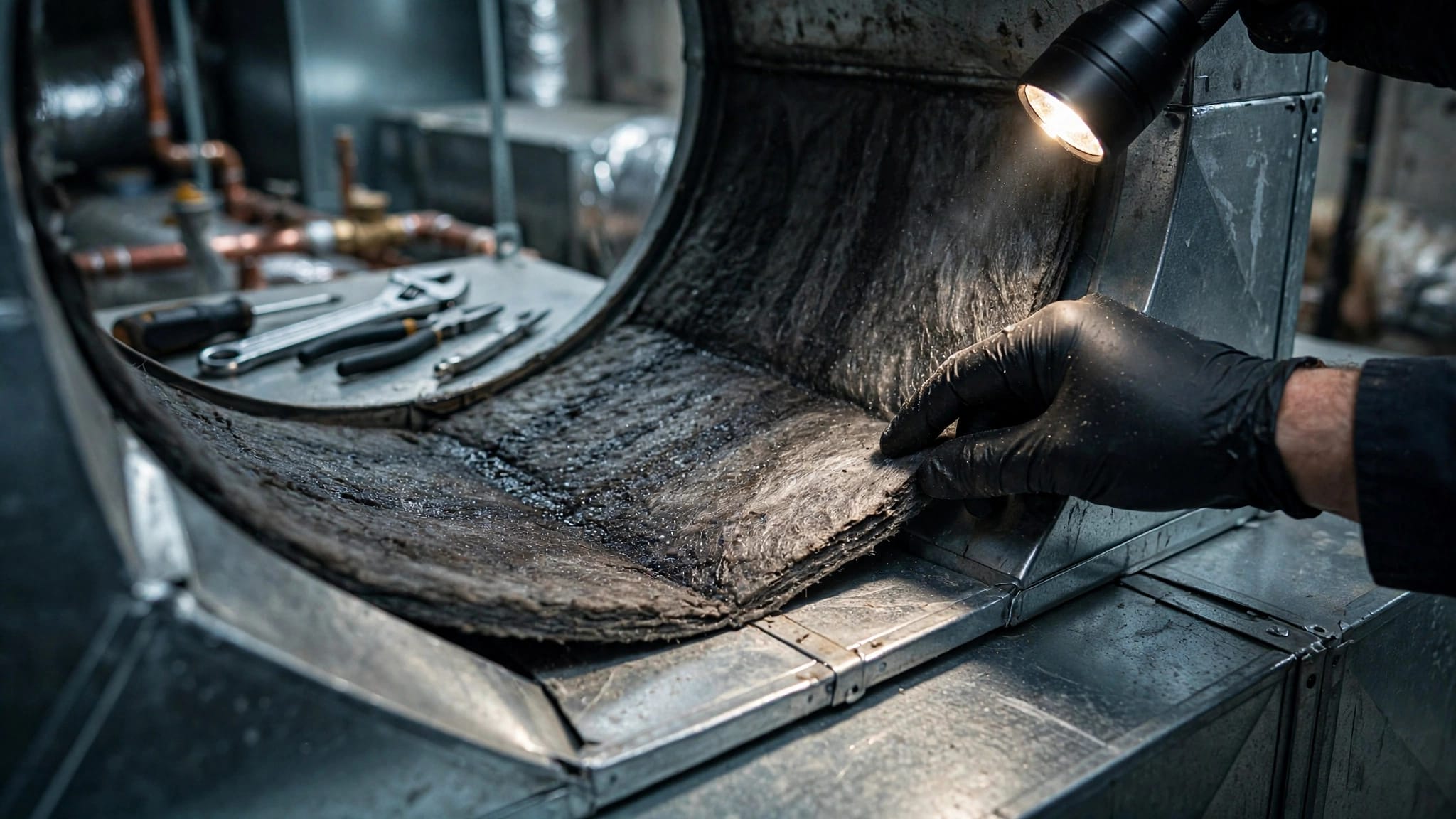
An HVAC contractor can investigate drainage, insulation, equipment operation, and moisture removal. If duct materials remain wet, cleaning alone won't resolve the problem. Damaged or contaminated insulation may need replacement rather than repeated treatment.
Also, investigate roof and plumbing leaks. Moisture can reach ductwork through building problems unrelated to the air conditioner.
Match inspections to the facility's activities
Different sports introduce different material. Gymnastics and climbing areas may have chalk dust, while fitness floors collect clothing fibers and tracked-in dirt. Renovations can introduce drywall dust or insulation debris.
High occupancy also increases ventilation demands. Duct cleaning removes accumulated material where technicians can reach it, but it doesn't establish whether outdoor-air delivery suits peak attendance.
Ask the HVAC provider to evaluate ventilation and comfort separately, especially when packed classes feel stuffy despite adequate cooling.
When Fitness Center Air Duct Cleaning Makes Sense

Look for evidence inside accessible system areas, not just dust on a grille. A dirty vent cover can collect particles from the room without proving widespread duct contamination.
Document debris and recent events
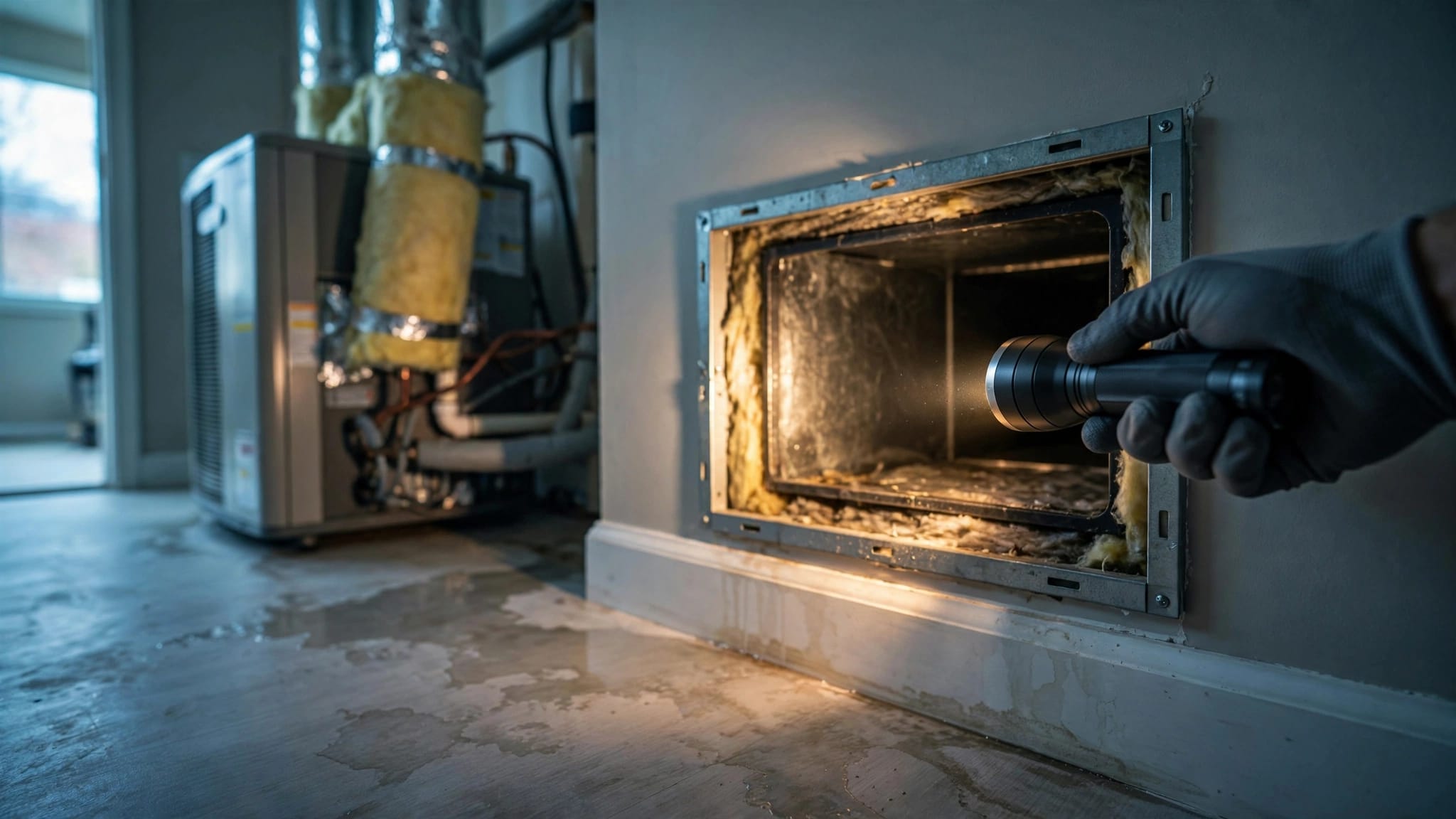
Persistent particles blowing from supply registers deserve inspection. So do substantial deposits inside supply boots, return openings, or accessible duct sections.
Record where the problem occurs and whether it followed remodeling, roof work, or insulation replacement. Note unusually rapid filter loading, but don't assume ducts caused it. Poor filter fit or return-air leaks can also allow dust into the system.
Photographs and maintenance records help the contractor focus the inspection. A camera can reveal inaccessible buildup, although the findings still need interpretation.
Investigate moisture and pest evidence first
Musty odors, nesting material, droppings, or damp duct insulation require more than a cleaning quote. Active pest problems need removal and exclusion before final cleaning. Moisture sources also need correction.
Dark patches on inspection footage don't confirm mold. Dust, staining, and other residue can look similar. Request qualified evaluation when the material's identity affects the work plan.
The U.S. Environmental Protection Agency's residential guidance identifies substantial mold growth, vermin, and excessive debris as reasons to consider cleaning. It also says routine cleaning hasn't been shown to prevent health problems. That guidance doesn't establish a cleaning schedule for commercial gyms.
Keep Duct Cleaning Within a Broader HVAC Plan
Cleaning supports system maintenance when contamination is present. However, weak airflow, uneven temperatures, and recurring odors can have causes that cleaning won't correct.
Check filtration, airflow, and duct condition
Start with the filter's condition, fit, and suitability for the equipment. A loaded filter can restrict airflow. Increasing filtration without checking system requirements can create another restriction.
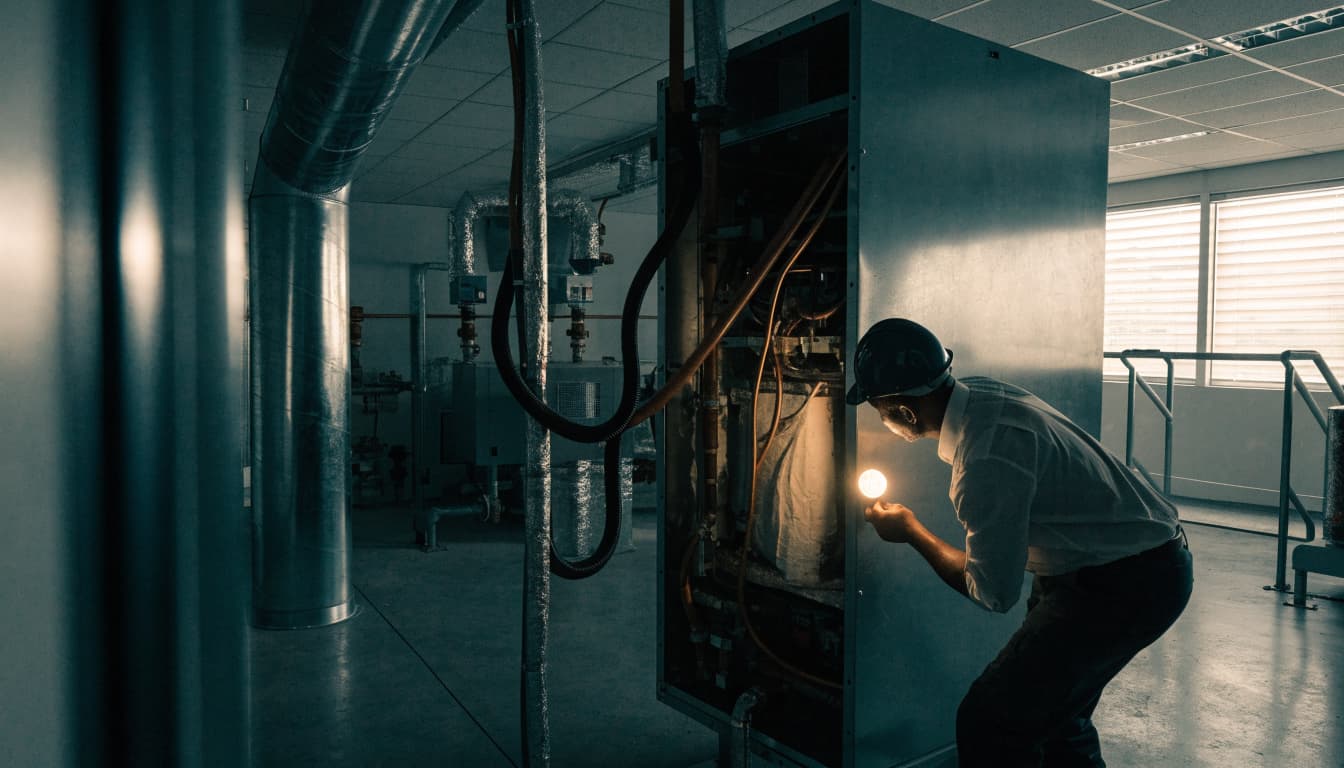
An HVAC professional should also check dampers, blower operation, and damaged or disconnected ducts. Return leaks can pull dusty air from ceiling cavities into the system, allowing contamination to recur after cleaning.
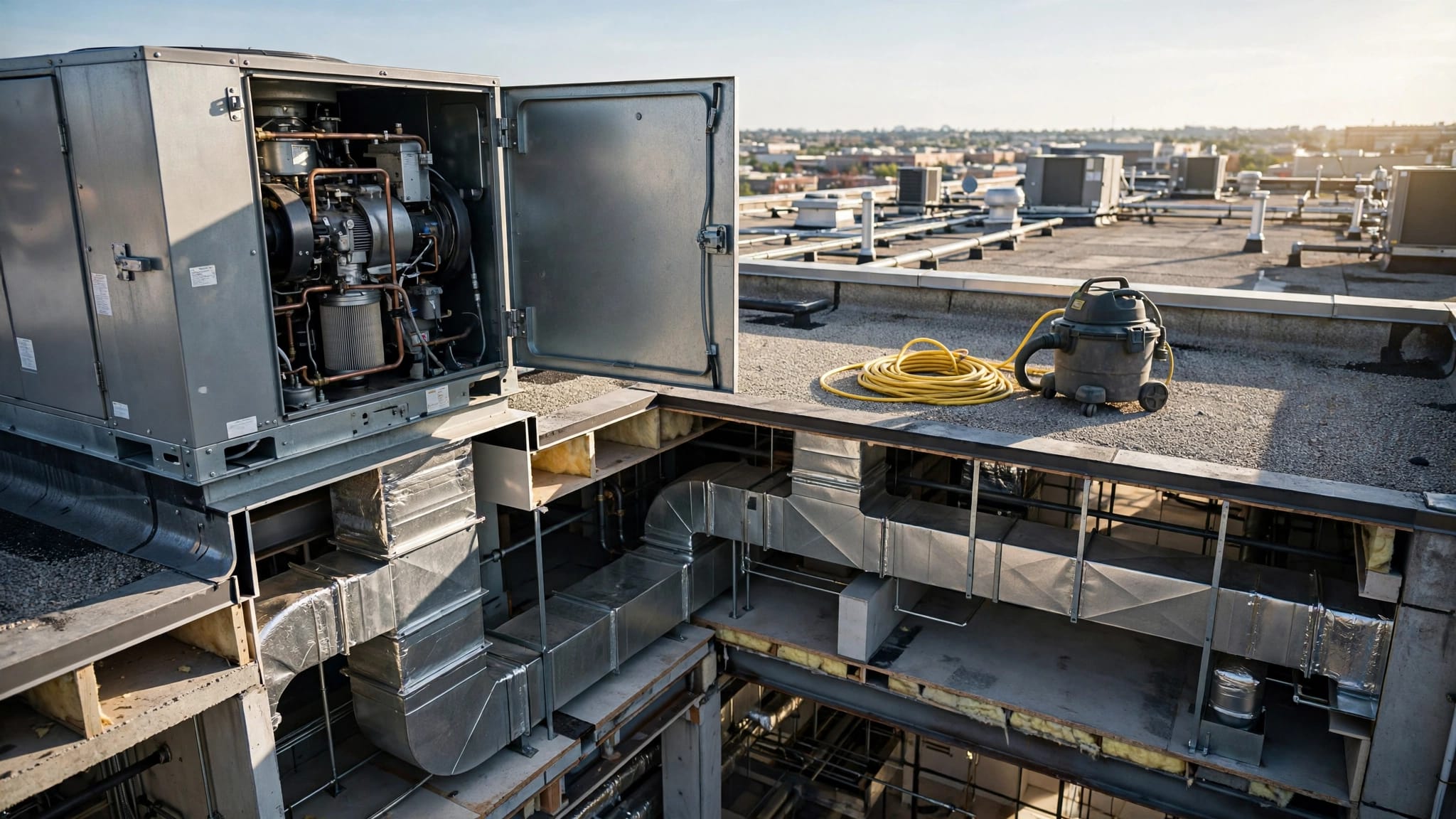
For buildings with rooftop units, rooftop HVAC duct cleaning requires attention to connected supply and return pathways. Servicing the rooftop cabinet alone doesn't cover those pathways.
Include coils, drainage, and ventilation
Coils, drain pans, condensate lines, and air-handler compartments need their own assessment. A musty smell may originate at a damp component rather than inside a long duct run.
Ask who will handle equipment maintenance and repairs. The cleaning contractor and HVAC contractor may have different responsibilities, so the scope should identify both.
If a leaking return or active moisture source remains, a cleaned system can collect contamination again.
Continue routine filter care, surface cleaning, and moisture monitoring afterward. Cleaning doesn't remove every airborne particle or replace ventilation maintenance.
Define What the Cleaning Proposal Includes
A useful commercial proposal identifies the systems, zones, and components involved. It also explains access limitations before technicians arrive.
Specify source removal and component coverage
Ask whether the work includes supply ducts, return ducts, grilles, diffusers, and plenums. Confirm separately whether air-handler housing, blower components, coils, or drain pans are included.
Professional methods generally combine debris agitation with controlled vacuum collection. The equipment should capture loosened material rather than push it into occupied spaces. Flexible and internally lined ducts require methods appropriate for their condition.
NADCA's cleaning guidance emphasizes physical source removal. Ask about applicable training and standards, but don't assume a provider holds NADCA certification without verification.
Request inspection photos when access allows, along with a record of inaccessible sections and recommended repairs.
Treat laundry exhaust as a separate system
Fitness centers that wash towels may also need dryer vent inspection. Dryer exhaust carries heated, lint-filled air outdoors, while HVAC ducts distribute conditioned air through occupied areas.
Cleaning one system doesn't clean the other. Longer drying cycles, lint accumulation, or a restricted exterior outlet warrant a separate assessment.
If both services are appropriate, ask for distinct scopes and charges. Coordinating them during one closure may simplify access, but the contractor should evaluate each system independently.
Minimize Disruption Around Classes and Court Bookings
The best service window depends on the building layout and HVAC zoning. Closing one studio won't necessarily isolate work if it shares ducts with an occupied area.
Coordinate access and system shutdowns
Before scheduling, provide court bookings, class times, and locations of air handlers and ceiling access points. Include parking arrangements, keys, alarm procedures, and a staff contact authorized to answer questions.
Confirm which equipment must stop operating and which areas need to remain vacant. Avoid assuming a neighboring workout area can stay open during the work.
The planning principles in after-hours commercial duct service also apply to fitness facilities: access, HVAC controls, notifications, and cleanup need coordination. Ask about available scheduling options rather than assuming overnight service.
Protect floors and verify readiness
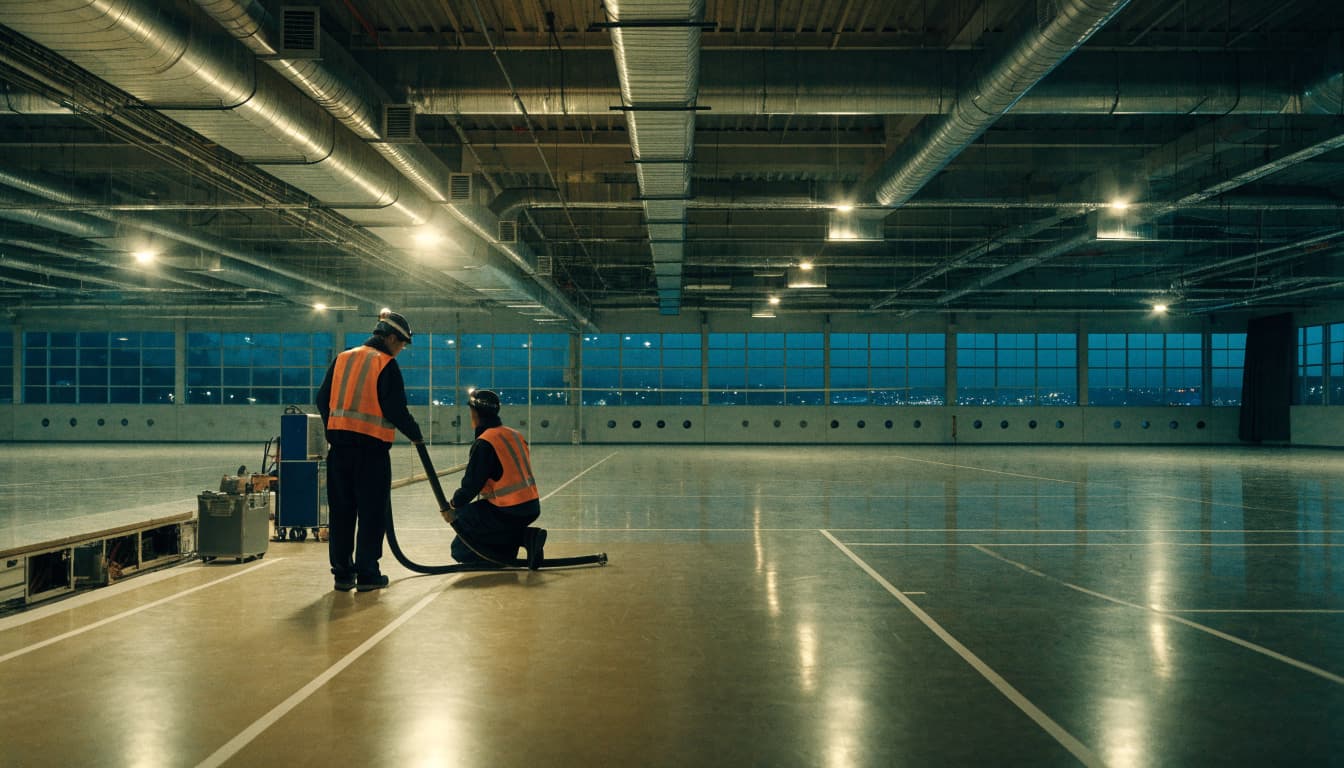
Discuss floor protection before technicians move equipment onto hardwood courts, rubber flooring, or synthetic playing surfaces. Hose routes and lifts need a clear plan that keeps exits unobstructed.
The crew should protect nearby equipment and contain debris around access openings. Equipment noise may also affect adjacent classes or tenants.
Before reopening, confirm that access panels and registers are secure, tools are removed, and work areas are clean. Have the appropriate person verify system operation and review outstanding repairs. Keep the service documentation with facility maintenance records.
Compare Estimates by Scope, Not Promises
Commercial cleaning costs depend on the actual work required. System layout, contamination, ceiling access, duct materials, and scheduling all affect a proposal. A site inspection provides a firmer basis than a quote based only on floor area.
Ask for written inclusions, exclusions, and extra charges. Confirm how the company will handle damaged materials or unexpected contamination before authorizing additional work.
Optional treatments need a stated purpose. If a sanitizer, inhibitor, or microbial treatment is proposed, ask what product will be used, where it will go, and why the inspection supports it. These services shouldn't replace debris removal or moisture correction.
Adkins Duct Cleaning & Dryer Vent Service serves commercial customers along Florida's Gulf Coast, including Naples, Fort Myers, and Tampa. Its duct and dryer vent services include cleaning and related treatment options.
Facility managers can Get a Free Estimate and discuss system access, laundry exhaust, and operating schedules before selecting a scope.
Frequently Asked Questions
Does every busy gym need scheduled duct cleaning?
Heavy use justifies careful inspection and maintenance, but it doesn't automatically justify cleaning. Base the decision on contamination, moisture history, pest evidence, or debris introduced during construction. The inspection should explain why removal is appropriate.
Will cleaning solve odors or improve airflow?
It can remove residue and debris within the agreed scope. However, odors may come from damp equipment, flooring, drains, or other materials. Weak airflow may require filter replacement, duct repair, or equipment service. Neither result should be guaranteed before diagnosis.
Can the facility stay open during service?
That depends on shared ductwork, containment, access, and equipment shutdowns. Review the plan with the contractor and facility staff. Some work may fit around occupied zones, while other tasks require closure. Confirm the arrangement before notifying members.
Make Cleaning an Evidence-Based Maintenance Decision
A dusty court-side vent is a reason to investigate, not enough evidence to approve whole-system cleaning. The strongest fitness center air duct cleaning plan combines documented findings with appropriate repairs and moisture control.
Define the scope, protect the facility, and coordinate service around actual operating needs. That approach keeps cleaning focused on a confirmed maintenance problem without promising health or air-quality outcomes the service can't guarantee.