What a Duct Camera Inspection Can Actually Show
A duct camera inspection can clear up a lot of guesswork, but it doesn't tell the whole story by itself. It gives you a direct look inside parts of your HVAC system that are usually hidden, which is useful when rooms feel dusty, air feels stale, or some spaces never stay comfortable.
That matters for homeowners and property managers alike. A few photos or a short video can help separate a simple maintenance issue from a bigger repair problem.
Still, the camera has limits. It can show what is inside the duct, but it can't always prove why the problem started. That difference matters, especially when moisture, odor, or possible mold are part of the picture.
How a duct camera inspection works
A duct camera inspection uses a small camera attached to a flexible cable. A technician feeds it into supply ducts, return ducts, or access openings, then watches the live feed on a monitor. The camera can move through bends and tight runs that you can't see from a vent cover.
That live view helps show the condition of the duct walls, seams, and joints. It can also reveal what has collected deeper in the system, where dust brushes, household vacuums, and flashlight checks won't reach.
The process is useful because it is direct. Instead of guessing from a dusty register or a musty smell, you get visual evidence. That can help answer questions like, "Is this just normal buildup?" or "Is there a bigger issue hiding in the run?"
For property managers, it can also make documentation easier. Photos and video are handy when you need to track complaints across units or compare one system with another.
A camera inspection is not the same thing as cleaning. It is a look inside, not a removal service. That distinction matters because the next step should match what the camera shows.
What the camera can reveal inside the ducts
A duct camera can show a range of common problems. Some are simple. Others point to work that should happen soon.
Here are a few things it often reveals:
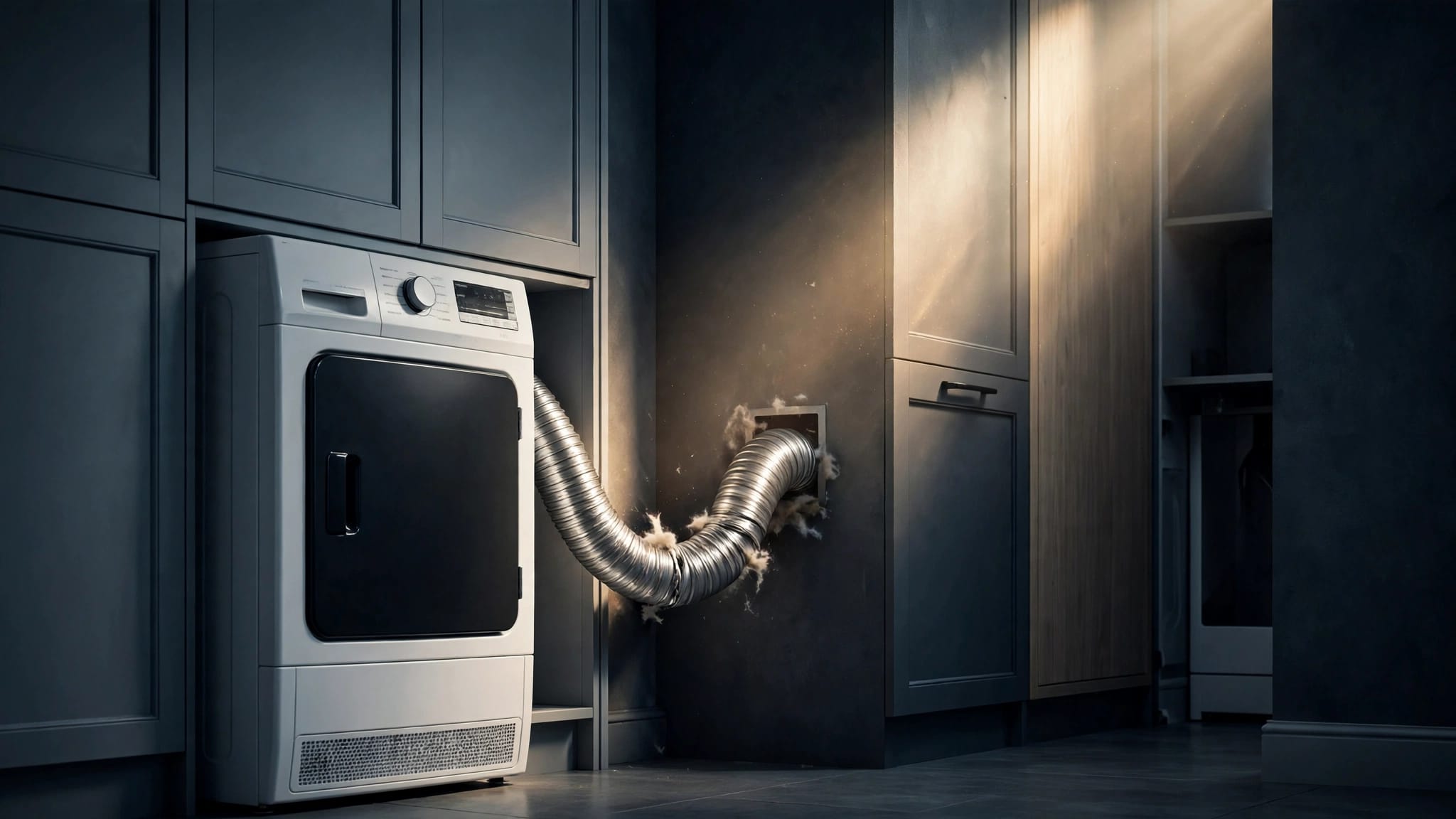
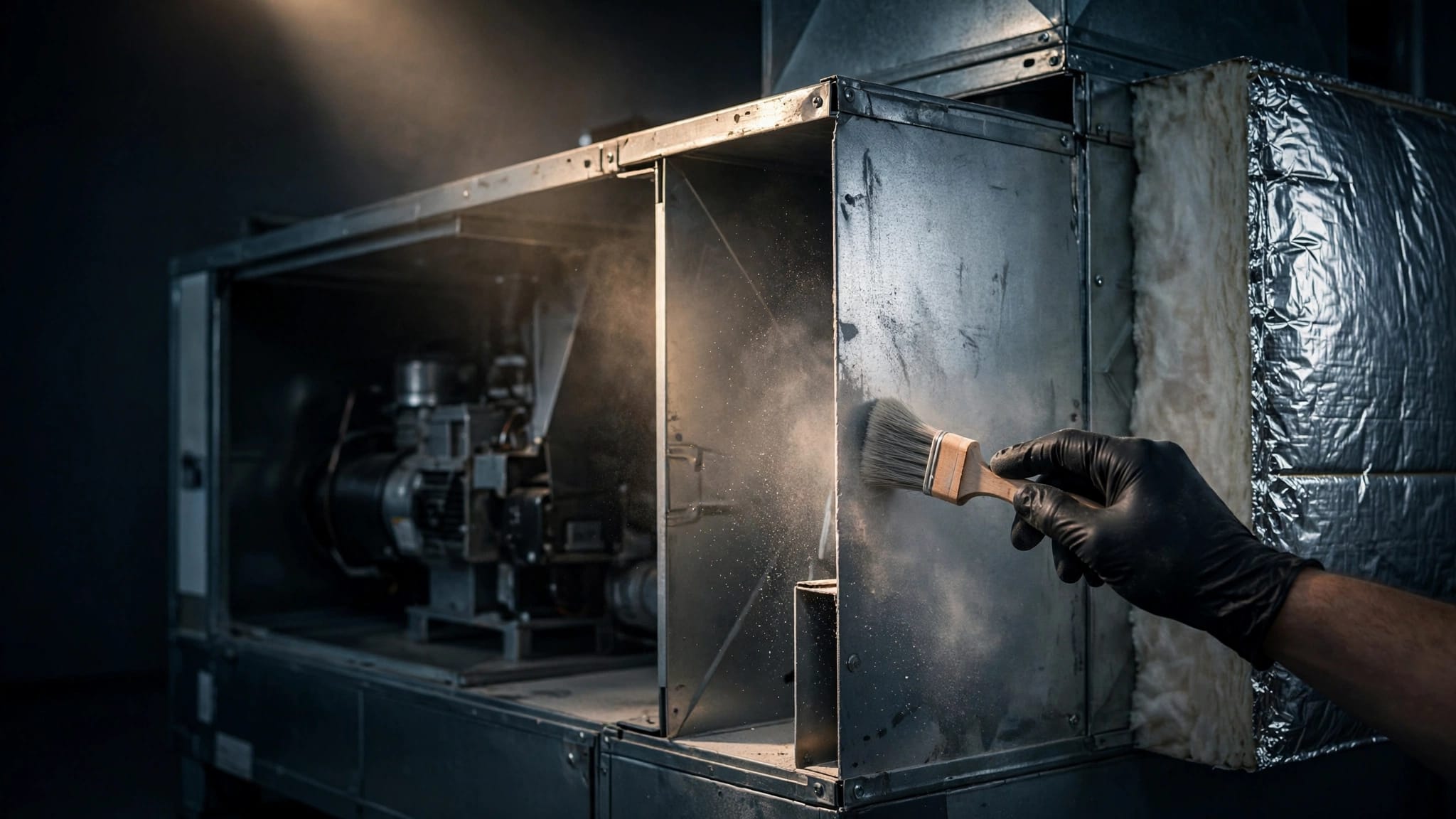
- Dust and debris buildup , which can narrow airflow and collect at elbows or low spots.
- Pet hair, lint, and construction debris , which often get trapped near returns or branch lines.
- Crushed or bent flex duct , which can choke off air and make one room feel weak.
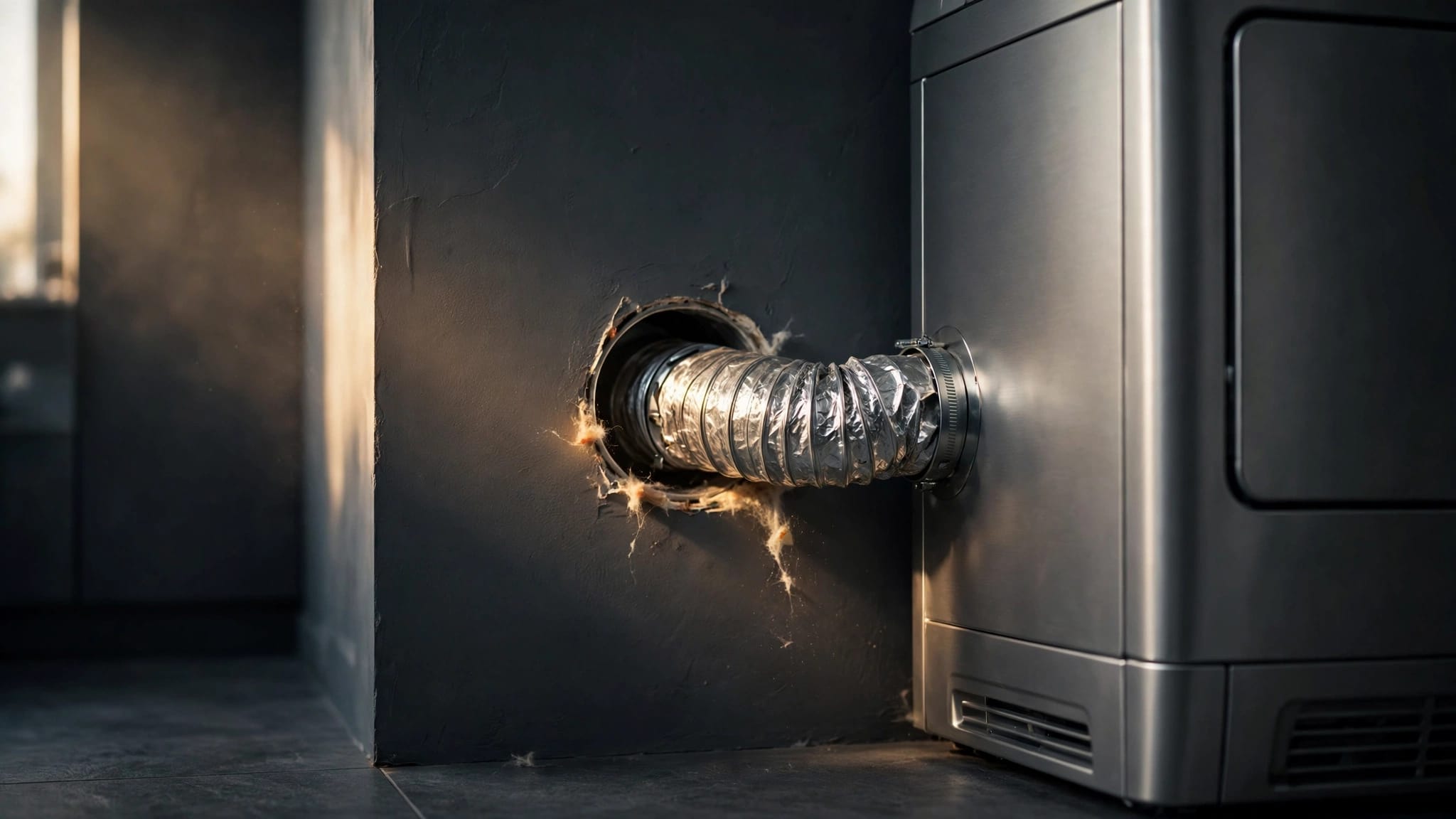
- Disconnected joints or gaps , which can leak conditioned air into walls, attics, or crawl spaces.
- Rust, staining, or wet areas , which can point to moisture problems that need more attention.
A camera can show a stain or spot, but it can't always name the cause.
That last point matters with mold. A camera may show dark patches, speckling, or fuzzy growth. Those signs can suggest microbial activity, but they do not confirm it. Dust, soot, old adhesive, and staining can look similar on video. If mold is a real concern, lab testing or a closer HVAC evaluation may be needed before anyone calls it mold.
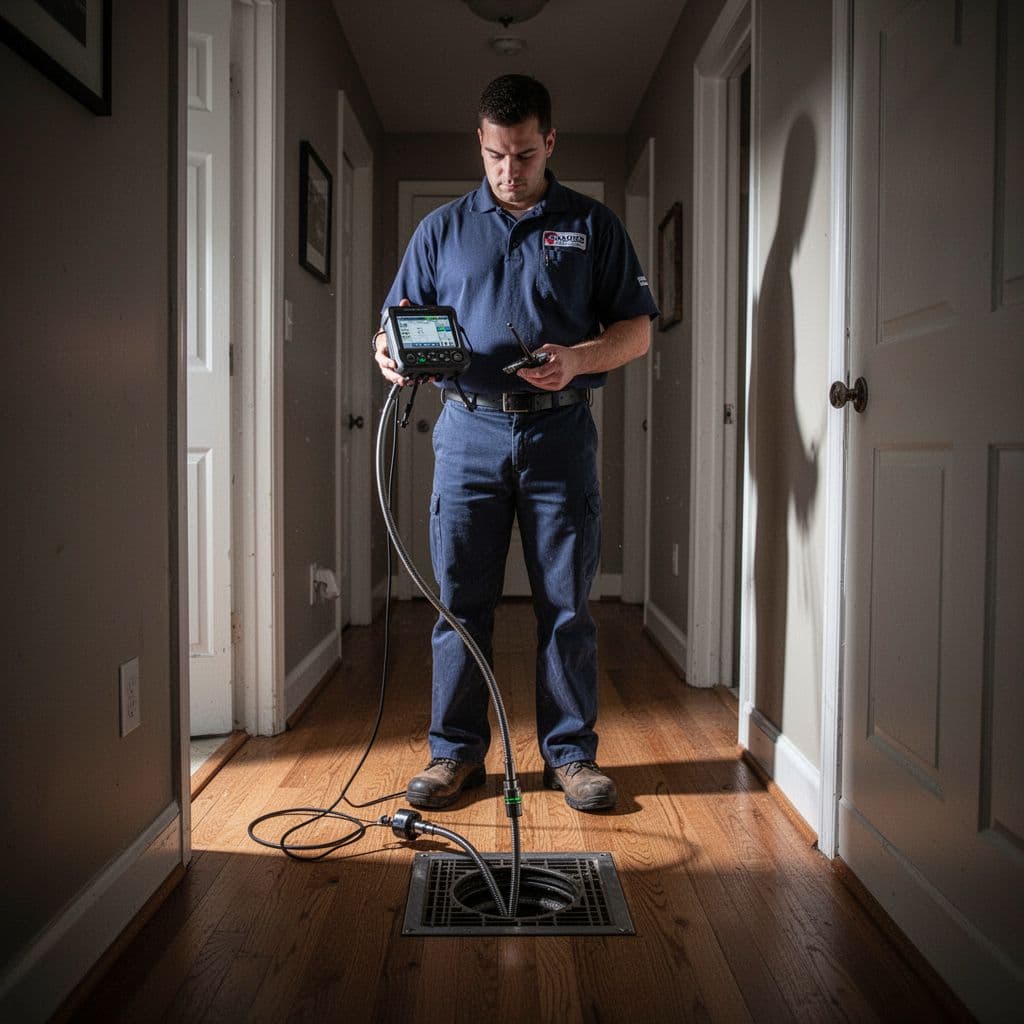
A good inspection gives you more than one close-up. It shows patterns. If several runs have the same problem, that often tells a better story than one dirty section does.
When the image suggests a bigger HVAC problem
The camera can point toward a problem, but it does not measure everything that affects the system. For example, it can show a dirty duct wall, but it cannot tell you how much air is leaking. It can show a damp spot, but it can't diagnose the moisture source on its own.
That is where people get tripped up. A clean-looking duct does not always mean the HVAC system is healthy. The blower may still be weak, the filter may still be overloaded, or the coil may be dirty. In those cases, the duct image only shows one part of the issue.
A camera also can't test air pressure. It can't measure balance between rooms, and it can't prove that all supply and return paths are working the way they should. If one room stays hot while another gets enough air, the camera may reveal a crushed run or blockage, but it may also point to a deeper airflow problem.
The same idea applies to odor. A camera might show residue, soot, or sticky buildup inside the duct. That does not tell you whether the smell comes from the ductwork, the air handler, the insulation, or something else nearby.
If the system has visible moisture or possible growth, the next step should be careful. In humid Florida homes, one wet section can keep causing trouble if the source stays active. Cleaning without fixing the moisture source usually brings the problem back.
Why these findings matter for airflow, energy, and comfort
The value of a duct camera inspection is not just what you see. It is what the findings mean for the building.
When dust, debris, or crushed flex duct blocks a run, airflow drops. That can leave one bedroom warm, one office stuffy, or one side of a home harder to cool. The system then runs longer to make up the difference, which can raise energy use.
Leaks matter too. If the camera shows loose joints or damaged connections, conditioned air can escape before it reaches the room. That waste may not be obvious right away, but it shows up in higher bills and uneven temperatures.
Indoor air quality is part of the picture as well. Heavy dust buildup can keep recirculating into the home. Residue from smoke, pets, or past construction can also cling to duct surfaces and feed odors. In occupied homes and rental units, that can lead to complaints even when the HVAC equipment itself still works.
Comfort is often the first thing people notice. Maybe the vents blow weakly. Maybe certain rooms feel damp. Maybe the system sounds fine, but it never seems to catch up on hot afternoons. A duct camera inspection can help connect those symptoms to a visible cause.
For a homeowner, that can mean a clearer repair plan. For a property manager, it can mean fewer repeat service calls and better records for maintenance decisions.
What to do after the inspection
The next step depends on what the camera actually shows.
If the ducts have light dust but no damage, you may only need routine maintenance and filter changes. If the video shows heavy buildup, disconnected sections, or crushed flex duct, you may need cleaning, sealing, or repair. When the findings point to more than one issue, the order matters. Fix leaks and damage first, then clean the ducts if needed.
If the camera shows dark patches, wet areas, or suspect growth, pause before treating it as mold. Ask for lab testing or a deeper HVAC review when the source is unclear. That keeps you from paying for the wrong fix.
It also helps to compare the inspection results with the service options available. If the problem is dirt and debris, professional duct cleaning services may be the right next step. If the problem is moisture or damage, cleaning alone will not solve it.
Keep the images or video on file. They can help you compare future inspections, explain issues to tenants, or show why a repair was approved.
If you want a clear read on what your ducts need, Get a Free Estimate and use the inspection findings to plan the next move with confidence.
Conclusion
A duct camera inspection gives you a real look inside the system, which is better than guessing from the vent cover alone. It can show buildup, damage, moisture signs, and other clues that affect airflow and comfort.
Just as important, it can show where the camera stops short. A stain is not always mold, and a dirty duct is not always the root cause.
The best results come when the inspection leads to the right next step, whether that is cleaning, repair, sealing, testing, or a full HVAC check. That is how a small camera can save time, avoid wasted work, and point you toward a better fix.