Should You Clean Air Ducts Before Installing a New AC?
A new AC is a big purchase, and duct cleaning often gets bundled into the conversation. That does not mean it belongs in every install. In many homes, the smarter first step is a close look at the ductwork, then cleaning only if there is a real problem.
The biggest issues before a replacement are often not dirt. They are duct sizing, leakage, insulation, airflow balance, filter condition, coil cleanliness, and system design. If you get those wrong, a spotless duct system can still underperform.
The short answer: not automatically
Air duct cleaning is not required before every new AC installation. If the ducts are clean, intact, and sized well, a good installer may move ahead without touching them. That is especially true when the system has been maintained and the vents look normal.
A routine cleaning is often sold as a default add-on, but a reputable contractor should inspect first. They should look at the ductwork, not guess. If you recently bought the house, this guide on duct cleaning after buying a Florida home can help you judge whether your ducts need service or only a checkup.
In Florida, heat and humidity can make dust and odors more noticeable. Even then, that does not make cleaning automatic. A new AC should start with good airflow, not with a checkbox service you may not need.
When air duct cleaning makes sense before a new AC
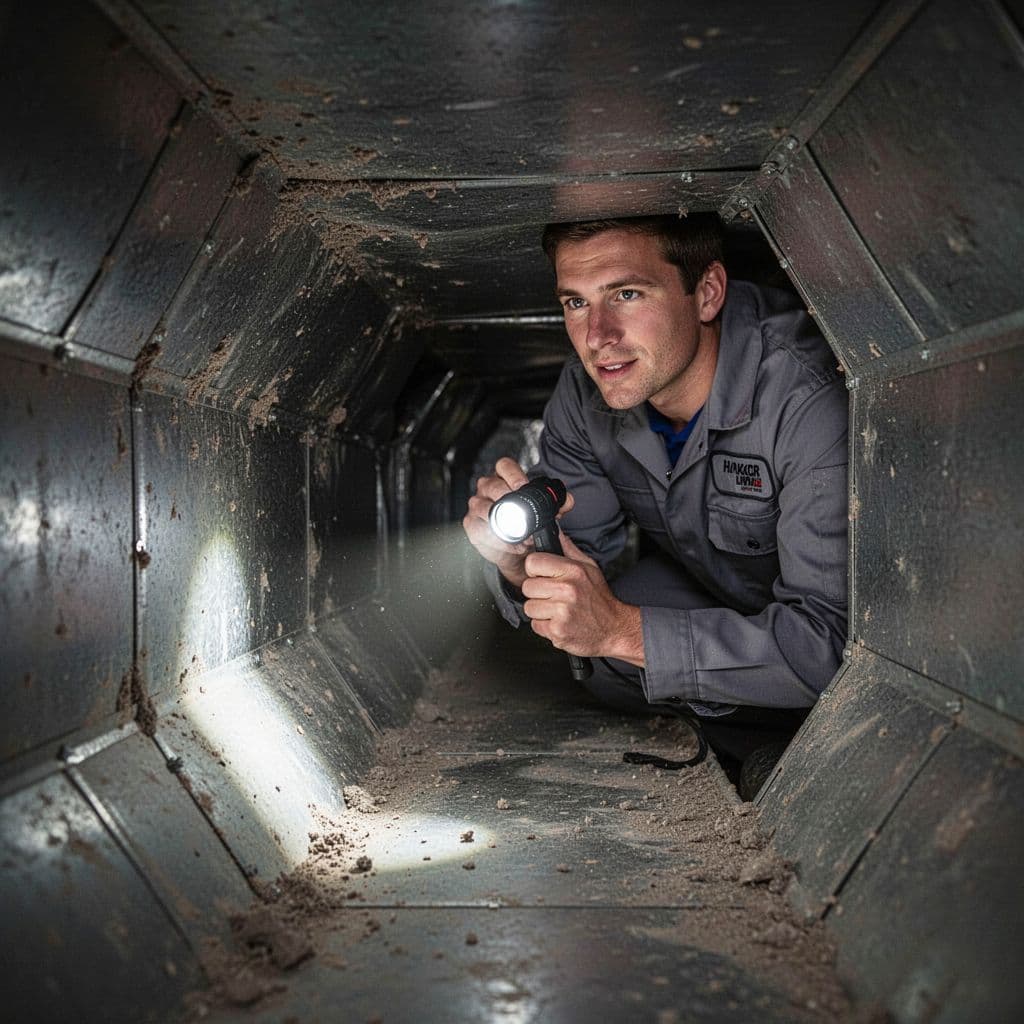
There are clear cases where cleaning is the right call. Visible mold inside ducts or on components is one. Pest activity is another. So are heavy debris and contamination after a remodel.
Common situations that point toward cleaning include:
- Visible mold or musty buildup
- Pests, droppings, or nesting material
- Drywall dust, sawdust, or construction debris
- Thick dust mats, pet hair, or insulation fragments
- Smoke residue or strong odors
- Water damage that left dirt or sludge behind
A little dust near a vent cover is not the same thing as contamination deep in the system. Surface dust happens. A duct full of debris is different.
If the ducts are dusty but sound, cleaning may help comfort. If the ducts are damaged, cleaning alone won't fix the system.
That line matters because cleaning should solve a visible problem. It should not be used to cover up leaky joints, bad layout, or a worn-out return path. If the ductwork is dirty enough to affect air quality or airflow, cleaning before the new AC can make sense. If not, skip it and spend the money where it counts.
What matters more than cleaning before installation
Before anyone talks about duct cleaning, the installer should look at the whole system. A new AC works best when the ductwork matches the equipment and the home.
Here is a simple side-by-side view of what deserves attention first.
| Pre-install issue | Why it matters | What a contractor should check |
|---|---|---|
| Duct sizing | Wrong sizes restrict airflow and strain the new AC | Supply and return dimensions, system capacity |
| Leakage | Leaks waste cooled air and pull in attic heat | Joints, seams, connections, and static pressure |
| Insulation | Poor insulation raises energy loss in hot spaces | Attic ducts, boots, and exposed runs |
| Airflow balance | Uneven airflow creates hot and cold rooms | Returns, register flow, and room balance |
| Filter condition | A bad filter can choke the system fast | Filter size, location, and replacement schedule |
| Evaporator coil cleanliness | A dirty coil can reduce cooling and airflow | Coil condition before startup |
| Overall system design | Bad layout limits performance no matter how new the unit is | Return placement, bends, long runs, and trunk layout |
The takeaway is simple. A clean duct with the wrong size still performs poorly. A new AC can only do its job when air moves through the house the right way.
If the installer talks mostly about cleaning and barely mentions sizing or leakage, that is a warning sign. The ductwork may need repair, sealing, or redesign more than it needs a full cleaning.
What a good HVAC inspection should cover
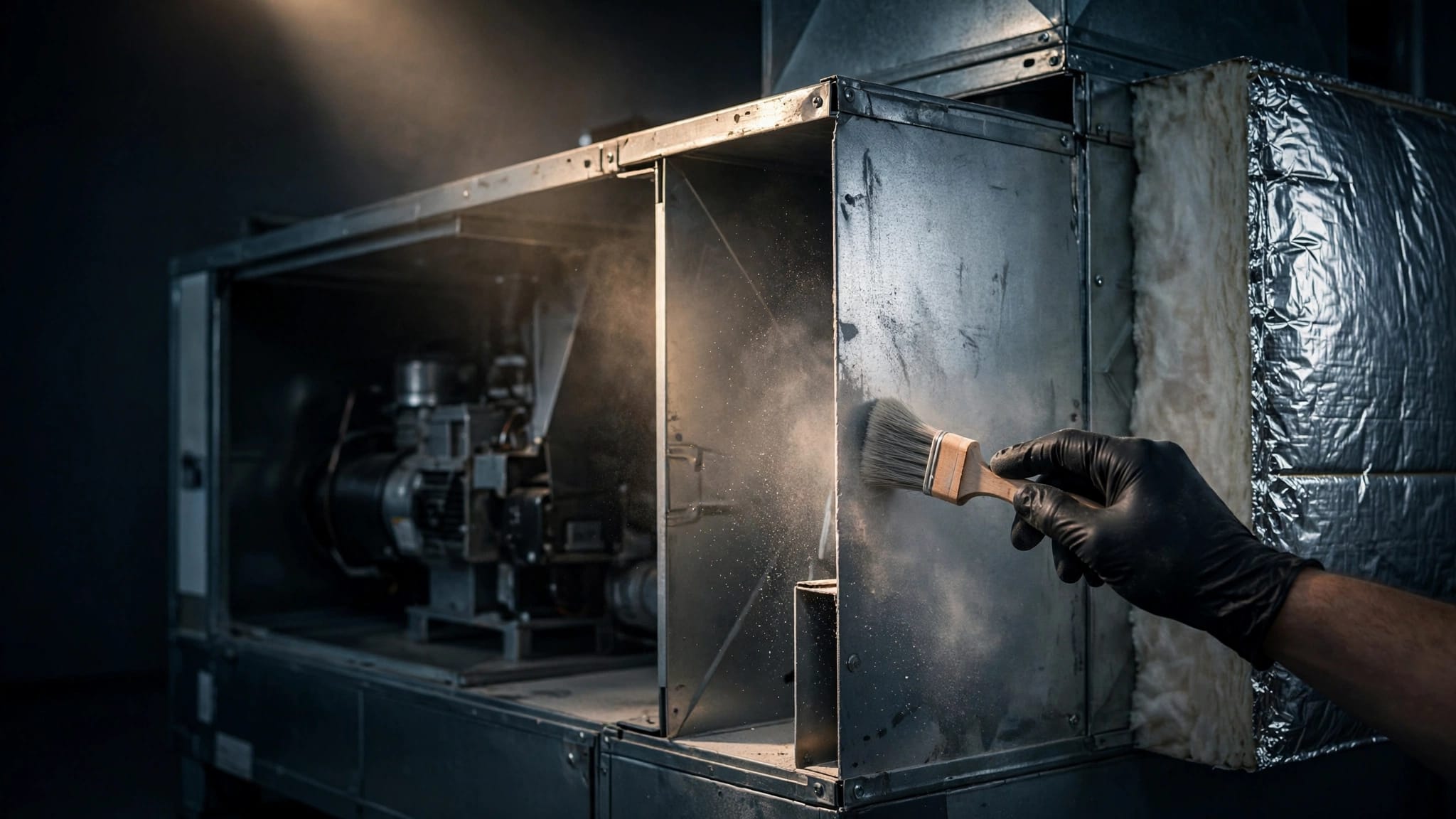
A proper pre-install inspection should be hands-on. The tech should open access points, look inside visible sections, and check for obvious problems. They should also look at returns, supply trunks, plenums, and exposed attic ductwork.
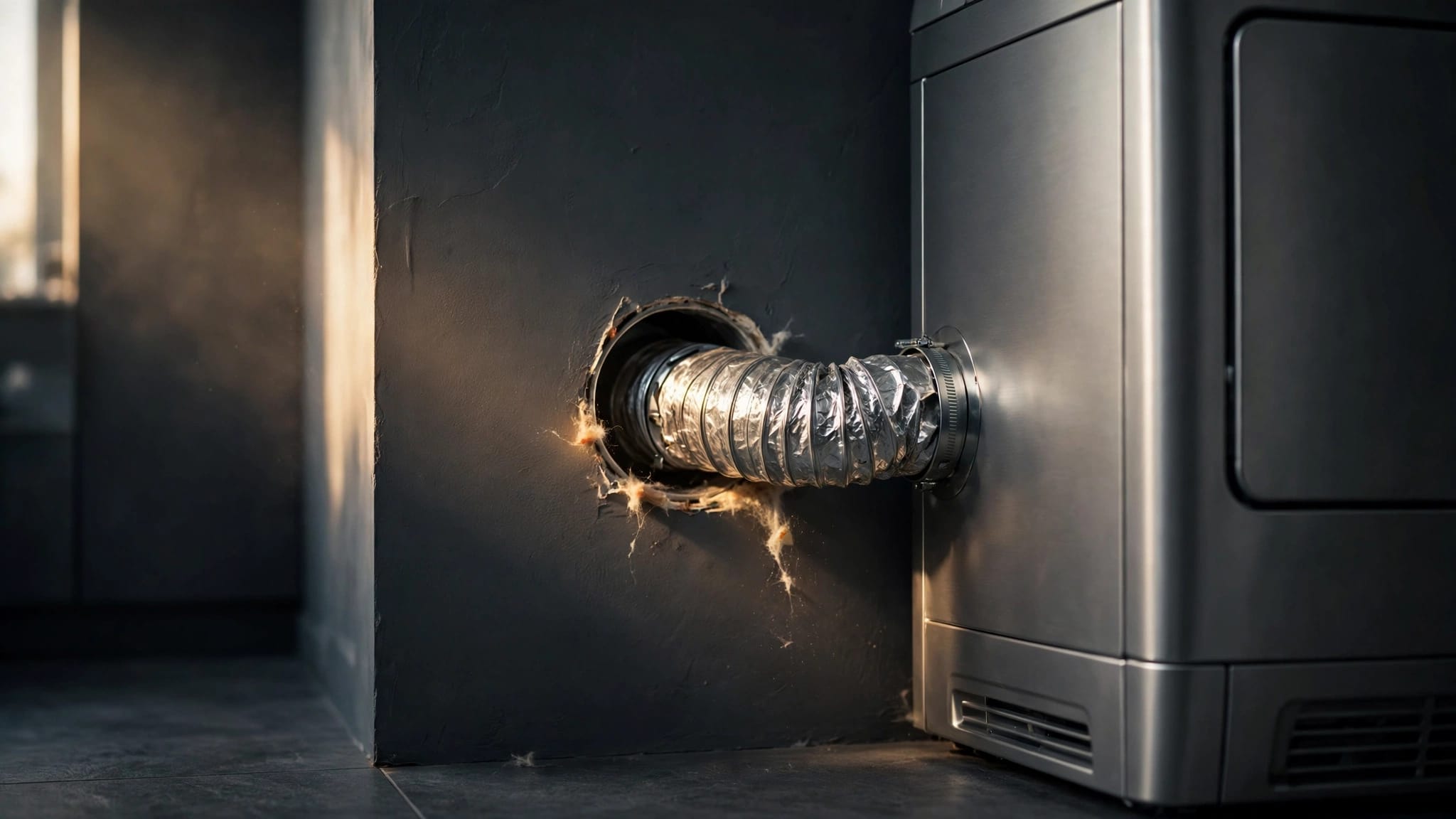
A careful inspection should also include damaged insulation, loose fittings, crushed flex duct, rust, standing water, and signs of pests. If the evaporator coil or drain area is dirty, that needs attention too. Those parts can affect the new system right away.
A company that handles professional air duct cleaning services should explain what it finds before it recommends cleaning. That is the standard you want. The goal is not to sell a package. The goal is to make the new AC work well from day one.
Good installers separate normal dust from real contamination. They also tell you when the ducts are fine and when they are not. If they cannot explain the issue in plain language, keep asking.
Questions to ask before you approve the replacement
A few direct questions can save you money and prevent rushed decisions. Ask these before the crew starts work:
- Have you measured the duct sizing for the new unit?
- Do you see leaks, crushed sections, or disconnected runs?
- Does the evaporator coil need cleaning before startup?
- Is the filter size and location right for this system?
- Will the return air path handle the new AC properly?
- Do you see mold, pests, or heavy debris inside the ducts?
- If you recommend cleaning, what problem will it solve?
- Can you show me the issue before I approve extra work?
These questions keep the focus on facts. They also help you tell the difference between a needed service and a routine upsell.
If the answer points to real contamination, then cleaning may be worth it. If the answer is vague, ask for more detail. When the ducts are clearly dirty or the home has heavy odor issues, it helps to ask for Get a Free Estimate before making a final decision.
A replacement is the right time to fix weak spots in the system. That may mean cleaning, but it may also mean sealing, balancing, or correcting a bad layout. The best installer will tell you which one matters most.
The cleaner path to a better AC install
You do not need to clean air ducts before installing a new AC just because the system is being replaced. You do need to inspect the ductwork and address real problems before the new unit goes in.
When there is visible mold, pest damage, heavy debris, or renovation dust, cleaning can be the right move. When the main issues are leaks, poor sizing, weak insulation, or bad airflow, those repairs matter more. The best results come from fixing the system as a whole, not from treating duct cleaning as a default step.
A new AC should start with a clear path for air. That is what protects comfort, efficiency, and the money you spend on the upgrade.