Senior Living HVAC Service: Planning Around Residents
HVAC service in senior living communities should follow residents' care routines, room-access needs, and comfort requirements. A workable plan identifies affected rooms, assigns staff contacts, and prepares a temperature backup plan before equipment shuts down.
Maintenance can interrupt meals, rest, and personal care even when technicians stay outside resident rooms. Independent living, assisted living, memory care, and skilled nursing settings need different arrangements.
Start with the building's HVAC zones and the people who depend on them.
Key Takeaways
- Schedule the entire service window, including setup, equipment shutdown, cleanup, and restoration.
- Give residents clear notice, then coordinate room entry and temporary moves through designated staff.
- Match dust controls, infection precautions, and temperature contingencies to the work and resident needs.
Plan Senior Living HVAC Service by System and Zone
A room-by-room schedule only works when it matches the equipment serving those rooms. One air handler may affect several apartments or shared spaces, even when technicians enter only one mechanical room.
Separate cleaning from mechanical repairs
Define the reason for the visit before choosing a work window. Weak cooling, unusual cycling, water leaks, and mechanical noise call for HVAC diagnosis. Duct cleaning addresses accumulated material inside accessible ductwork.
Cleaning won't repair a failing blower motor, crushed duct, or air leak. Likewise, microbial treatment won't correct an ongoing moisture problem.
Our explanation of full-system air duct cleaning distinguishes register cleaning from work involving supply ducts, returns, trunks, and other accessible components. That distinction helps managers identify which spaces need access.
Map affected rooms and shared services
Use available equipment drawings, room lists, and maintenance records to connect each work area with its HVAC zone. Include lounges, dining rooms, corridors, and staff workspaces.
Document where technicians will park, unload, connect equipment, and remove debris. Also identify mechanical-room access and any elevators needed for equipment.
If dryer vent cleaning is included, give it a separate laundry schedule. Dryer exhaust and HVAC ductwork are different systems, so cleaning one doesn't clean the other.
Schedule Work Around Care, Then Communicate Clearly
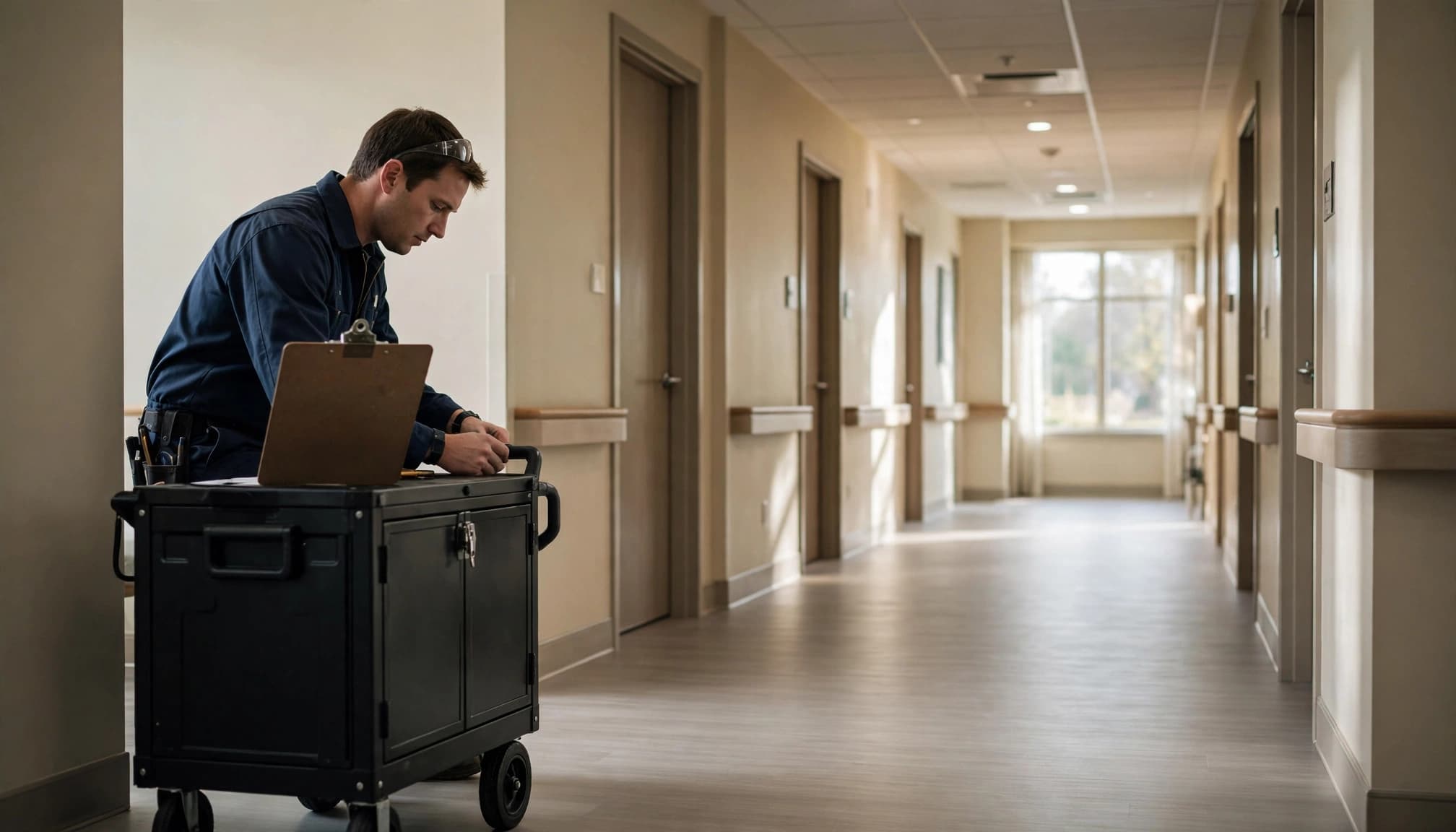
Build the window around actual routines
Use the community's daily calendar, including bathing assistance, medication rounds, therapy, meals, activities, and quiet periods. An empty lounge may offer a work window while nearby bedrooms remain unsuitable.
After-hours service isn't automatically less disruptive. Overnight work can disturb sleep and leave fewer staff available for escorts or room changes.
Include setup and cleanup in the schedule. Also allow for system restart and room-temperature recovery before the space returns to normal use. During hot Florida weather, avoid unnecessary shutdowns during the hottest part of the day when the work allows.
Explain what residents will experience
Advance notices should name affected areas, expected noise, room-entry needs, and any planned interruption to heating or cooling. Include the staff contact residents can approach with concerns.
Provide accessible communication suited to the resident. Written notices alone may not work for someone with low vision, hearing loss, or cognitive impairment.
On service day, staff should explain upcoming room entry before the crew arrives. If timing changes, update residents and affected shifts promptly. Avoid promising an exact finish time when concealed conditions could change the scope.
Protect Privacy and Reduce Occupied-Room Disruption
Technicians need access to vents and equipment, but resident rooms remain personal spaces. Entry arrangements should follow the community's privacy, consent, and security procedures.
Use staff-led room access
Assign a staff member to coordinate entry, resident preferences, and any required escort. Knock, identify the purpose of the visit, and allow time for the resident to respond.
Schedule around dressing, toileting, bathing, and bedside care. When a resident declines entry or becomes distressed, pause and return the decision to designated staff.
Move personal items only through the agreed process. Staff should handle resident care equipment and medications; technicians shouldn't disconnect medical devices or move mobility aids out of reach.
For work requiring additional openings, include planned duct access in the approved scope before opening finished surfaces.
Control noise and travel routes
Group noisy tasks into announced periods where practical. Keep staging areas away from occupied bedrooms and quiet spaces when the building layout allows.
Hoses, cords, ladders, and carts must leave emergency exits and accessible routes usable. Protect surfaces and keep tools within the controlled work area.
Offer a quieter location when noise may upset a resident. In memory care, staff should manage access to service areas without relying on residents to recognize temporary hazards. Necessary barriers must still allow staff to reach residents quickly.
Coordinate Comfort and Temperature Contingencies

Give care staff a clear role
Name a facilities lead for technical decisions and a care lead for resident needs. Both should know which areas may lose conditioning and how the crew will report delays.
Care staff should identify residents who need closer observation or an alternate space during service. Share only the information technicians need, such as entry restrictions or required shutdown limits. Medical details should stay within appropriate care channels.
Monitor conditions in occupied rooms rather than relying only on the central thermostat. Comfort can differ between rooms served by the same system. Include affected residents and unresolved concerns in shift handoffs.
Prepare the alternate space before shutdown
Choose a conditioned area served by equipment that will remain operational. Plan enough space for residents, staff assistance, mobility devices, and access to necessary care.
Care staff should establish resident-specific temperature limits, observation needs, and triggers for relocation. These decisions depend on the resident and care setting, not a universal maintenance rule.
A backup lounge won't protect comfort if it depends on the same air handler being taken out of service.
If the outage exceeds the planned window, use the agreed relocation or escalation process. Temporary cooling or heating equipment needs facilities and clinical approval, with electrical capacity, drainage, ventilation, and trip hazards addressed.
Signs of resident distress require immediate care-team attention. Maintenance work should pause when necessary for resident safety.
Match Infection-Control Precautions to the Work
Routine filter service, duct cleaning, and work above a ceiling create different conditions. The facility's infection-prevention lead, or designated clinical lead, should define precautions for the affected setting.
Contain dust and protect clean areas
Separate residents from active debris removal. Protect nearby furnishings, keep clean supplies outside the work zone, and establish an equipment route that avoids food preparation and clean storage areas.
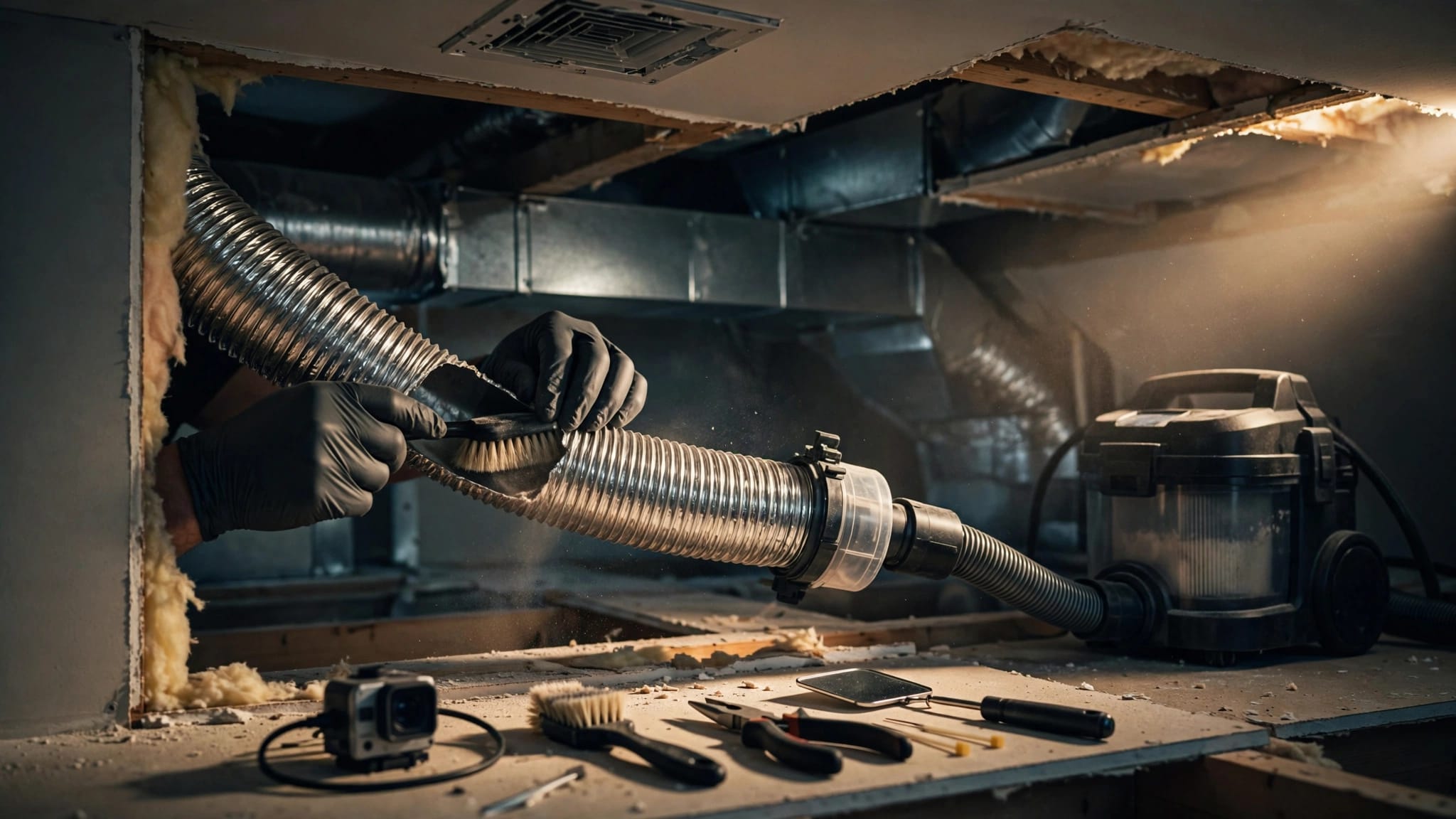
For duct cleaning, source-removal equipment should capture loosened material rather than release it into occupied spaces. Our overview of negative-pressure duct cleaning explains this process and its limitations. Duct-cleaning negative pressure doesn't replace a facility's infection-control plan.
Workers should follow facility hand-hygiene, illness-screening, and protective-equipment requirements. Rooms under transmission-based precautions need separate planning. Suspected hazardous insulation or extensive contamination also calls for an appropriate specialist response.
Treat chemical applications as a separate decision
Don't assume every cleaning job needs a sanitizer or microbial treatment. Any proposed application needs a defined purpose, suitable surfaces, and a resident-protection plan.
The product label controls application, dwell time, ventilation, and re-entry requirements. Coil-area treatment may require a different shutdown plan than treatment involving supply and return ducts.
Use the applicable HVAC treatment re-entry guidance when planning room availability. Staff should account for resident sensitivities before approving an optional treatment. Fragrance or a clean smell doesn't establish that a room is ready for occupancy.
Restore Each Area Before Moving to the Next
Close out one zone before disrupting another whenever the system layout allows. This limits the number of residents affected at once and keeps alternate spaces available.
Before reopening an area, technicians should restore registers and access panels, remove equipment, and clean work-related debris. The responsible HVAC professional should handle system restoration appropriate to the service performed.
Facilities staff should walk the route for trip hazards and examine affected rooms for unfinished work. Care staff can then assess whether conditions suit residents returning to the space.
Document completed work, inaccessible sections, product applications, and repairs requiring follow-up. Keep service photos focused on equipment rather than residents or personal belongings.
For dryer vent service, include the exhaust path and accessible termination in the scope. Lint-screen cleaning alone doesn't clear the vent. Restore laundry access only after equipment and work areas are ready for normal use.
Frequently Asked Questions
Can residents stay during duct cleaning?
Some can remain in unaffected spaces when noise, access, dust controls, and temperature conditions allow. Others need temporary relocation. The decision depends on the resident, the system being serviced, and facility precautions.
Is overnight HVAC service the best option?
Overnight work may suit an unoccupied activity area, but it can disturb sleep near resident rooms. Daytime work may be easier when care staff can coordinate activities, escorts, and temporary room changes.
Does duct cleaning replace an HVAC tune-up?
No. Duct cleaning removes accessible accumulated material. A tune-up addresses equipment operation and related maintenance. Poor cooling, leaks, or mechanical noises may require repair even when ductwork is clean.
Keep Resident Needs at the Center of the Plan
Successful senior living HVAC service starts with clear responsibilities and a workable plan for occupied spaces. Scheduling, staff-led access, dust control, and temperature contingencies should reflect the residents and building involved.
For planned air duct or dryer vent cleaning, Get a Free Estimate so we can discuss the scope and access needs. The service window should make room for both the work and the people who live there.