How Long Should You Wait After an HVAC Sanitizer Treatment?

Adkins Duct Cleaning • August 25, 2026

A clean air system should not leave you guessing about when to turn the thermostat back on. After an HVAC sanitizer treatment , wait for the interval given by the technician and product label, for treated surfaces to dry fully, and for any required ventilation to finish.

There is no universal safe number of hours. The wait can change with the product, treated component, and whether the technician sprayed, fogged, wiped, or otherwise applied it.

Use the job-specific instructions, not a rule of thumb, before your household returns to normal HVAC use.

HVAC sanitizer treatment wait times are product-dependent

The EPA directs users of disinfectants and sanitizers in HVAC systems to follow the product label, including any occupant re-entry restrictions. That is why a professional HVAC sanitizer treatment needs a product-by-product answer, not a standard promise of "two hours."

Start with the technician's written directions

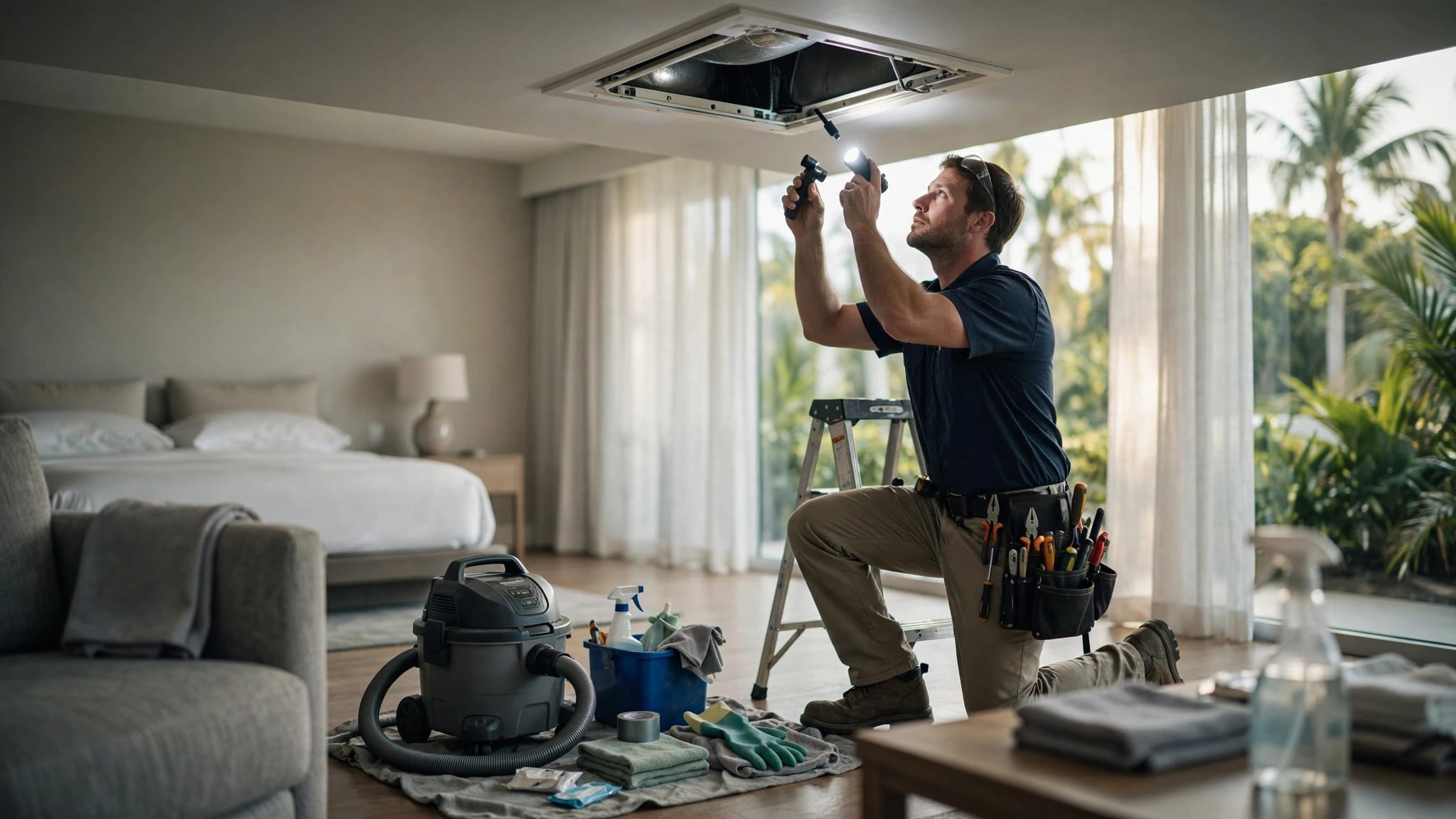
Your technician should tell you the product name, where it went, and when you can restart the equipment. Ask for the label and Safety Data Sheet (SDS) if you did not receive them.

The label may state a re-entry interval, required room ventilation, or a no-use period for the system. The SDS helps you check hazards, first aid, and ventilation details. If the directions seem to conflict, call the company before turning the system on.

EPA's 2022 label for Lysol Air Sanitizer says to leave a room for four minutes after a spray intended to kill bacteria, and 12 minutes for airborne viruses. Those directions apply to that room-air product, not a universal coil or duct treatment.

Contact time and re-entry time are different

A disinfectant may need a surface to remain wet for a stated contact time. Afterwards, it may still need to dry and the area may need ventilation.

Never treat a contact time as automatic permission to re-enter. The product label and technician's directions control the full wait period.

Where an HVAC sanitizer treatment is applied changes the plan

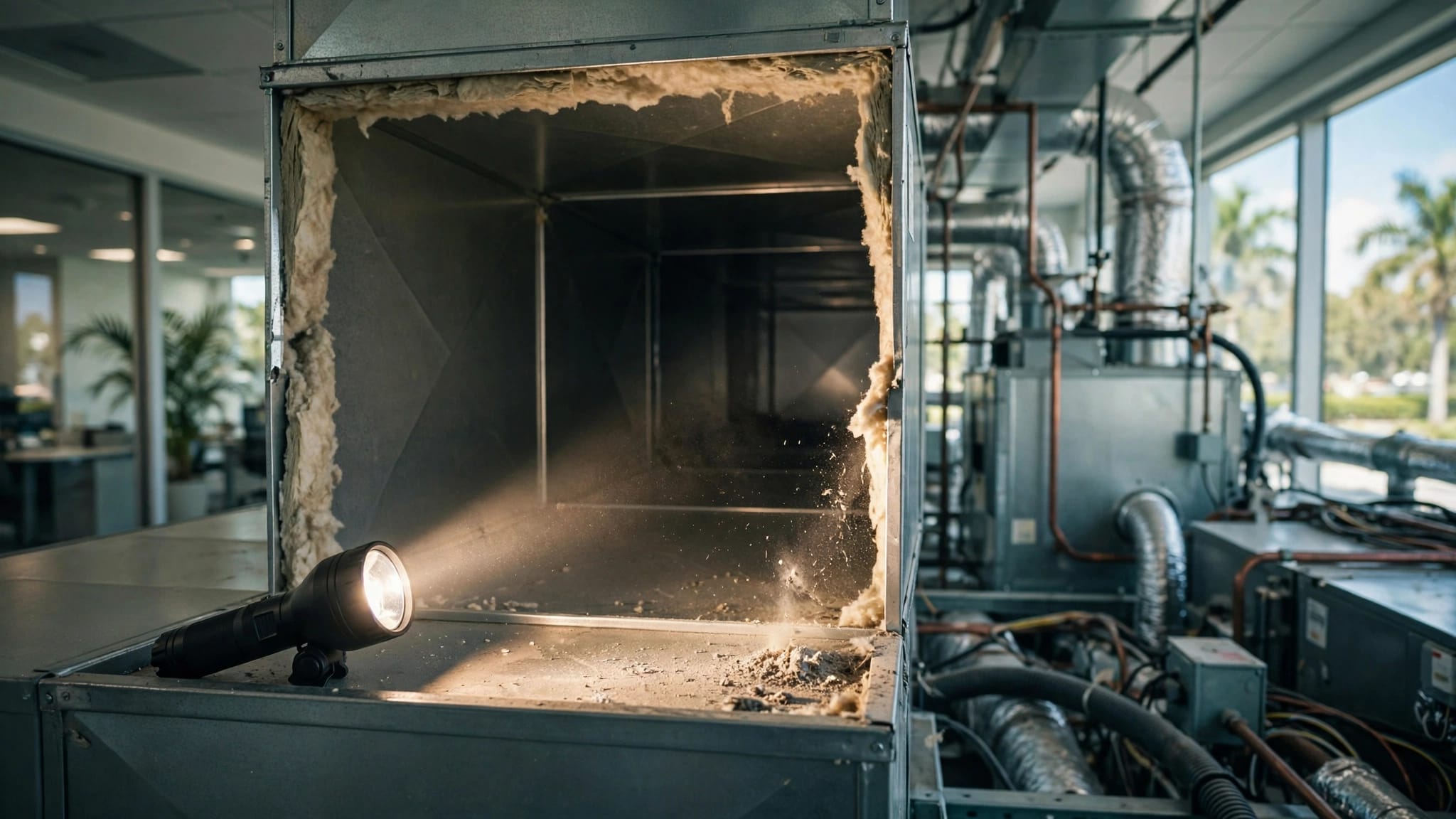
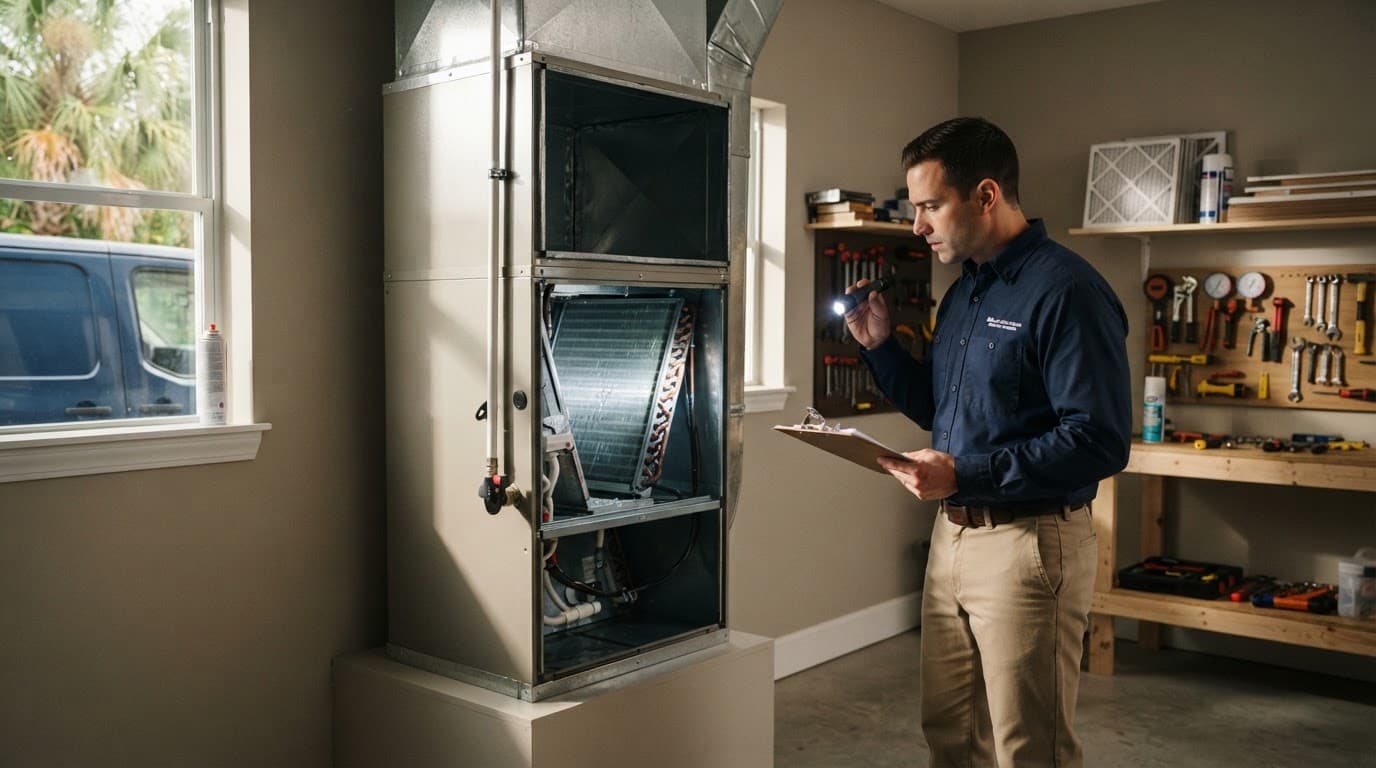
A treatment inside a coil compartment or on a drain pan can have different instructions than one applied through supply and return ductwork. Coils, blower sections, and electrical parts also require products that are compatible with the equipment.

Coils and ducts hold moisture differently

With coil-area applications, technicians may need the air handler off while the product completes its dwell time or dries. For ductwork, they may set a re-entry and ventilation period for rooms connected to those ducts.

A sanitizer does not replace cleaning or repair an ongoing moisture problem. Review what air duct microbial treatment does before approving a service that is meant to address odors or suspected surface contamination.

Sprayed and fogged products need different precautions

Sprays can leave a wet film. Fogged or aerosolized products require directions for settling, ventilation, and re-entry.

CDC guidance does not recommend wide-area fogging as the main surface-disinfection method in most settings unless a product label permits it. Never accept a generic wait time for a fogged HVAC treatment.

When can you turn your HVAC system back on?

Leave the equipment off if the technician tells you to do so. CDC and NIOSH guidance advises shutting down HVAC equipment when disinfecting compounds could re-enter the airflow or contact system parts. Restarting too soon may move material through the home before the stated interval ends.

Ventilate only as directed. That may mean opening windows and doors, using fans, or running the HVAC in a particular mode once the clearing time has passed. Keep windows closed if outdoor conditions or technician directions call for it.

A fading odor is not a clearance test. The label and technician's directions decide when your home and HVAC system are ready.

Before restarting, confirm that access panels are secure, filters are seated correctly, and no wet residue remains where it should not be. If you see pooling liquid, dripping, or residue near electrical components, leave the system off and call the service company.

Give vulnerable household members extra caution

Children and pets should stay out of the treatment area until the stated re-entry time has passed, ventilation is complete, and surfaces are dry. Keep them away from open air handlers, registers, and damp components.

Asthma and chemical sensitivities need an individual plan

People with asthma, chemical sensitivities, or other breathing concerns may need more time away from the treated space. Older adults who are prone to respiratory irritation should follow the same added caution.

Tell the technician about these concerns before work begins. Then ask whether the label lists occupant limits, extra ventilation steps, or a longer re-entry period.

If someone develops wheezing, trouble breathing, dizziness, or eye irritation, move them to fresh air and follow the product's first-aid directions. Call 911 for severe breathing trouble or a medical emergency.

Get clear instructions before the technician leaves

Before the visit ends, write down:

  • The exact product name and active ingredient.
  • The treated components and application method.
  • When to restart the HVAC system.
  • Required ventilation and re-entry instructions.
  • Any added precautions for pets, children, or sensitive occupants.

A clear estimate should separate sanitizer work from air duct cleaning, moisture correction, and dryer vent cleaning. Use this guide on what to look for in a duct cleaning quote if you need to compare service options.

For a documented scope of work for your home, Get a Free Estimate.

The Safe Answer Is the Written One

The right wait after an HVAC sanitizer treatment follows the product instructions, application method, dry surfaces, and required ventilation. The shortest quoted number is never a substitute for the label or the technician's directions.

Keep the system off for as long as instructed, and give sensitive household members extra time when needed. Clear documentation is the best way to return to comfortable, clean airflow with confidence.

By Adkins Duct Cleaning August 24, 2026
A clean vent grille can hide a dirty coil, clogged drain, or neglected blower. HVAC system cleaning works best when it matches the equipment in your home, because ductless mini-splits and central systems collect dust in very different places. Ductless units clean and condition...
By Adkins Duct Cleaning August 23, 2026
A return grille can collect a surprising amount of gray dust while the route behind it remains out of reach. In Florida, return air chase cleaning means more than wiping a vent cover. The chase may sit behind drywall or above a ceiling, so forcing access can turn basic mainten...
By Adkins Duct Cleaning August 22, 2026
A roof replacement can leave dust, shingle granules, and small bits of construction debris around your attic. If you're searching for air duct cleaning roof replacement advice after a reroof, start with one fact: replacing the roof doesn't automatically mean your ducts need cl...