How to Verify Main Trunk Line Cleaning Was Complete
One clear camera pass can look convincing while the worst buildup sits beyond the recorded section. After main trunk line cleaning , you should be able to confirm the route, the material removed, and the working condition of the full pipe.
A drain may run after service while a root mass, grease shelf, or sediment pocket remains near a junction. That is why a receipt alone isn't adequate proof. These checks help you review the work before a minor restriction becomes another backup.
Start by Identifying the Actual Main Trunk Line
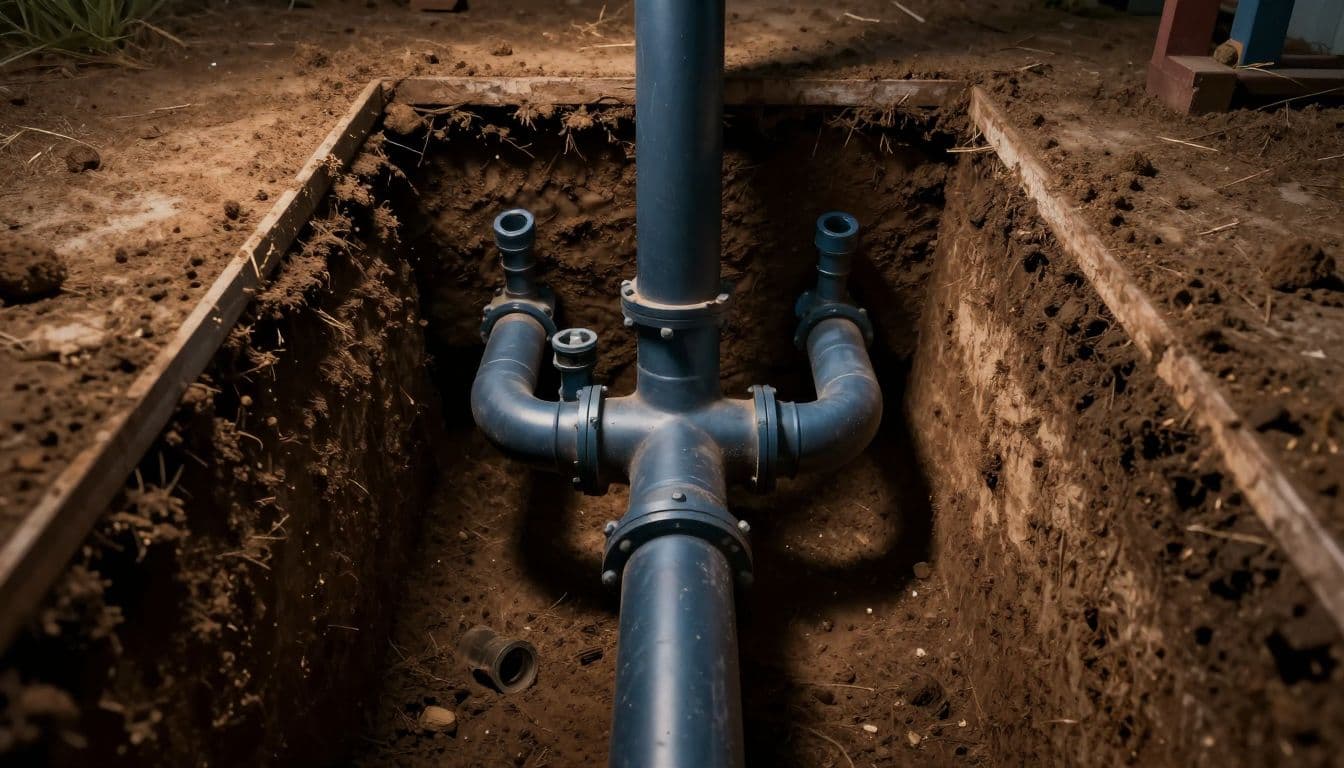
A main trunk line is the larger shared pipe that carries wastewater away after smaller branch drains join it. In a home, bathroom, kitchen, laundry, and floor-drain branches often feed into that central line before it exits toward the municipal sewer or septic system.
Cleaning a single bathroom branch can improve one slow fixture. However, it doesn't prove the contractor cleaned the full shared route.
Trace the route from access point to endpoint
Ask the technician to identify the cleanout used for entry and explain where the trunk line runs. Depending on the property, the access point may sit outside near the foundation, in a utility room, or near a bathroom group.
The service scope should state whether the work covered the line from the building cleanout to the street connection, septic tank, or another defined endpoint. If the crew cannot name the starting point and end point, you can't confirm the true scope.
A working fixture doesn't prove the trunk is clear
Water moving through one sink only proves that sink's branch line has some flow. The same applies to a toilet that flushes once without overflowing.
For a meaningful check, several fixtures that discharge into the shared pipe need to drain normally. A contractor should also explain which branches connect upstream of the cleaned section and which do not.
Use Inspection Video to Confirm Main Trunk Line Cleaning
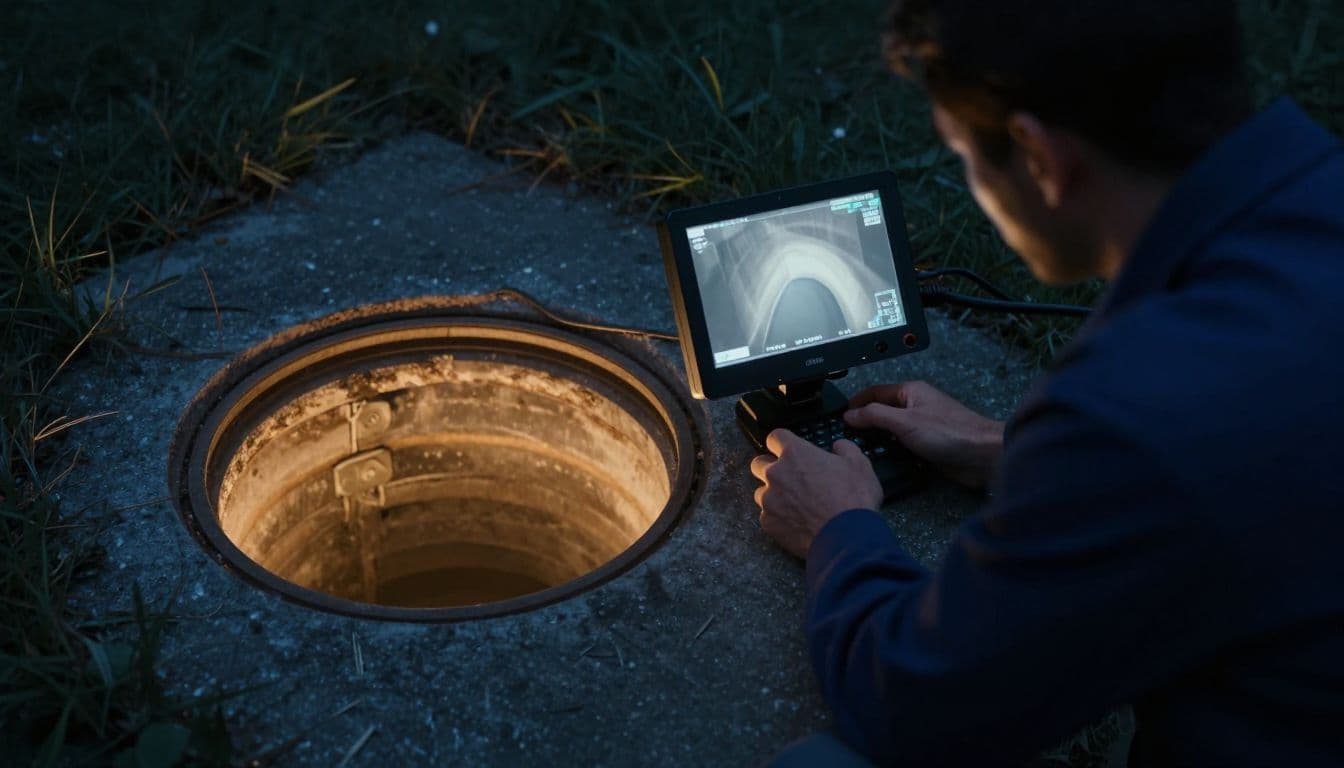
Camera footage is the strongest visual evidence of completed work when it shows the entire relevant pipe route. Request both before-and-after footage whenever conditions allow, rather than accepting a few still images.
A useful recording starts at a known cleanout, moves through the line, and reaches the stated endpoint or a documented stopping point. It should also show the camera returning when practical.
Compare the same route before and after service
The before-cleaning video should reveal the concern that prompted the work. It may show grease lining the pipe, root intrusion at a joint, settled sand, paper buildup, or standing water.
Then compare the after-cleaning footage from the same direction. Grease should no longer coat the pipe walls. Root fragments should be removed as far as the method can reach. Sediment should not remain in a thick layer that narrows the channel.
A clean pipe doesn't need to look brand new. Older cast iron may have rough surfaces, corrosion, staining, or scale that cleaning cannot erase. The important question is whether debris still restricts flow or hides a defect.
Look for continuous footage and clear location details
Watch for sudden jumps in the recording. A video that skips from the cleanout to a clean-looking section may leave the problem area undocumented. If the camera system displays footage length, ask the contractor to include that measurement in the record.
A clean-looking pipe segment is proof only for that segment. The recording must account for the full trunk route that the work order promised to clean.
A camera may stop because of a collapsed line, sharp bend, heavy obstruction, or inaccessible connection. Those are valid limits, but the contractor should state them plainly. An unexplained camera gap leaves an important question unanswered.
Inspect Access Points and Test Drain Flow
A proper closeout includes more than a camera screen. The entry point, nearby fixtures, and line behavior all offer practical clues about the work.
Check the cleanout after the equipment is removed
The cleanout cap should be secure, intact, and accessible after service. Look for wastewater seepage around the cap or standing water that remains visible just inside the opening.
Ask whether the crew used additional access points. A main line with difficult turns sometimes requires work from more than one cleanout. That fact should appear in the invoice or service report.
If a contractor removed an indoor toilet or opened a plumbing connection to gain access, they should describe what they restored. A cleanout area shouldn't be left with loose caps, damaged threads, or persistent odor.
Use controlled flow testing across shared fixtures
Flow testing checks whether the trunk can handle water from more than one branch. The contractor may run water at sinks, flush toilets, or use a hose at a suitable access point while monitoring downstream movement.
Watch for slow recovery, gurgling, bubbling toilets, or water rising in a tub or shower. These symptoms can mean a restriction remains farther down the line.
Avoid dumping large amounts of water into a drain when a partial blockage is suspected. A qualified professional can choose a safe test volume and stop before wastewater backs up into the home.
Signs the Line May Not Be Fully Clean
Some conditions point to incomplete work or a problem that cleaning alone cannot solve. Take photos of visible symptoms and report them promptly, especially if they return within days or weeks.
Remaining debris deserves a direct explanation
Roots left in the pipe can snag paper and waste soon after service. Fine root hairs may be hard to remove completely, yet a large remaining mass needs an explanation and a next-step plan.
Grease, sludge, and sediment also matter. A cable can punch a narrow opening through a deposit while leaving most material stuck to the pipe wall. That may restore short-term drainage without fully clearing the trunk.
Standing water can signal a low area in the pipe, a partial obstruction, or a camera that has reached a blocked section. It isn't always proof of poor cleaning, but it should appear in the final findings.
Treat recurring backups and video gaps seriously
A recurring backup after cleaning suggests the line still has an obstruction, has a damaged section, or was cleaned only in part. The location of the backup helps narrow the issue. For example, sewage rising in the lowest shower often points to a restriction downstream of several fixtures.
Camera gaps also need a clear reason. A missing segment may result from a failed recording, a lost signal, a sharp offset, or a blockage that stopped the camera. The contractor should either inspect that section by another method or mark it as unverified.
Match the Cleaning Method to What Was Found
Main trunk line cleaning is not one process for every blockage. The tool needs to match the debris, pipe material, and condition of the line.
Different obstructions need different tools
Mechanical cabling with a properly sized cutter can break through compacted stoppages and cut roots. Hydro jetting uses pressurized water to wash grease, sludge, and loose sediment from pipe walls.
Neither method repairs a broken pipe. A contractor should inspect the line first when there are signs of fragile cast iron, severe corrosion, or a possible collapse. Aggressive cleaning in a badly damaged pipe can create a larger problem.
Cleaning can't correct a structural failure
Offset joints, bellies, cracks, separated pipe sections, and collapsed areas remain after debris removal. In some cases, cleaning makes the defect easier to see because it removes the material hiding it.
Request footage of any damaged area and ask for its approximate location from the access point. That record helps a repair contractor target the right section instead of excavating based on guesswork.
Ask for Documentation Before the Crew Leaves
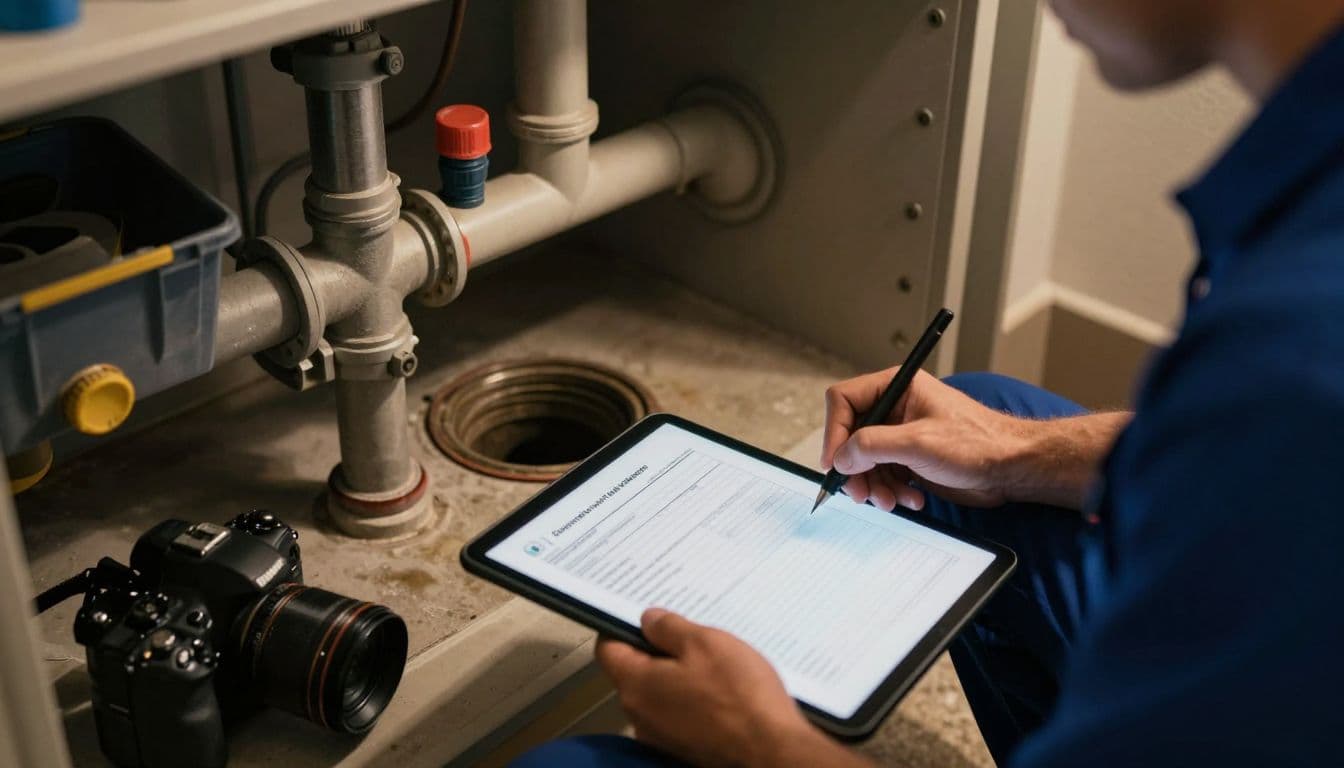
A detailed service record turns a verbal assurance into something you can review later. Keep it with home maintenance records, especially if the property has older plumbing or a history of backups.
A useful closeout package covers the work and its limits
Ask for records that clearly connect the video, cleaning method, and inspected route:
- Before-and-after camera files should show the accessible sections of the trunk line and any trouble spots.
- The report should identify the cleanout used, the approximate pipe route, and the endpoint reached.
- The invoice should describe the equipment used, such as a cable machine, root cutter, or hydro jetter.
- Any remaining roots, standing water, damaged pipe, or inaccessible segment should be listed as a limitation.
- A repair recommendation should include the observed condition and approximate location when possible.
Don't accept vague descriptions of completed work
Phrases such as "cleared line" or "drain open" don't show what was cleaned. A good record makes it clear whether the contractor cleaned a short branch, the accessible main line, or the complete route to the stated endpoint.
Keep the technician's name, service date, and video files together. If a backup returns, this information gives the next contractor a clearer starting point.
Use Qualified Professionals for Hazardous Conditions
Buried sewer work, confined spaces, and sewage exposure call for trained professionals. Sewer atmospheres can contain hazardous gases, including hydrogen sulfide and methane, and a person should never enter a sewer or crawlspace with suspected contamination without proper training and equipment.
Call a qualified drain or sewer contractor when the camera shows a collapsed pipe, extensive roots, recurring sewage backups, or inaccessible sections. Home drain chemicals and rental cables can damage fixtures, push a blockage farther along, or expose you to wastewater.
Main Trunk Lines in HVAC Systems Need Different Proof
The phrase "main trunk" also appears in HVAC work. A supply or return trunk duct is the larger air channel that connects to smaller branch ducts serving rooms, yet it has nothing to do with a sewer main.
Verify air ducts by access, photos, and airflow
Standing water, roots, and sewage backups apply to drain lines, not air ducts. For HVAC cleaning, ask the provider to identify the main supply and return trunks, show accessible areas before and after service, and list the components included in the scope.
A camera can help inspect certain duct runs. However, tight turns, flexible duct, and internal fittings may limit what it can show. Proper access-point checks, visible debris removal, and restored system operation provide stronger evidence than a single quick image.
Dryer vents are separate runs that lead outdoors. After lint removal, a technician should check the vent path and confirm that air exits through the exterior termination.
Choose a provider that documents the work
The same rule applies to every home service: get the scope in writing and ask how the provider will verify it. Review what to check before booking duct service before scheduling an HVAC cleaning appointment.
If your concern involves air ducts or a dryer vent, Get a Free Estimate for cleaning that includes a clear service scope and post-service checks.
A Clear Pipe Should Come With Clear Evidence
Completed main trunk line cleaning leaves a trail of proof: a defined route, continuous camera footage, inspected access points, functional flow testing, and written documentation. When any part of that proof is missing, ask for an explanation before treating the line as fully cleared.
A clean trunk line reduces the chance of a repeat backup, but it also reveals defects that debris may have hidden. Clear evidence helps you tell the difference.