Spray Foam Around Ducts: What It Means for Cleaning Access
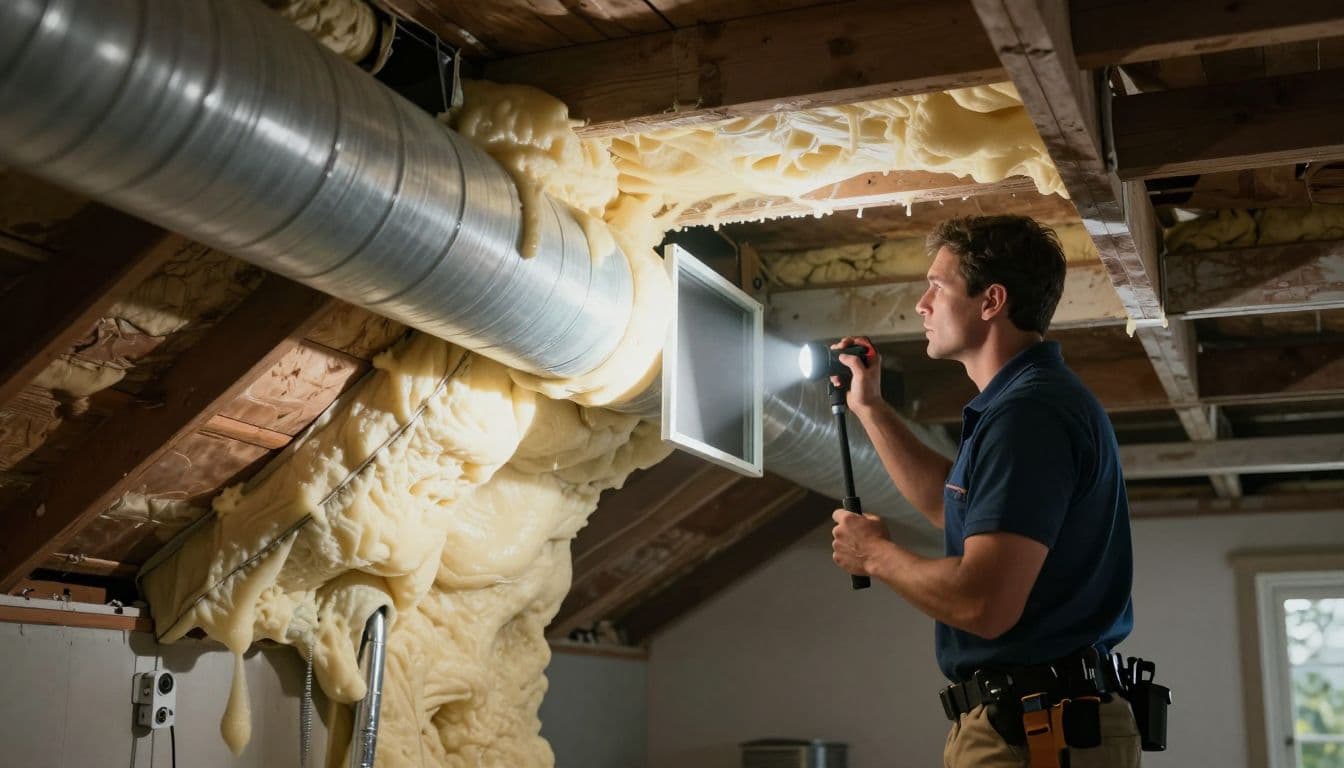
Spray foam can make an attic less drafty and help insulated ductwork hold its temperature. However, spray foam around ducts can create a service problem when it covers parts of the system a technician needs to reach.
Your ducts don't automatically become impossible to clean after foam installation. The issue is access. Cleaning a reachable duct interior is one job, while cutting cured foam to uncover a concealed seam or service door is a separate repair decision.
A quick look at the duct layout before insulation work can prevent expensive surprises later.
How Spray Foam Around Ducts Changes Cleaning Access
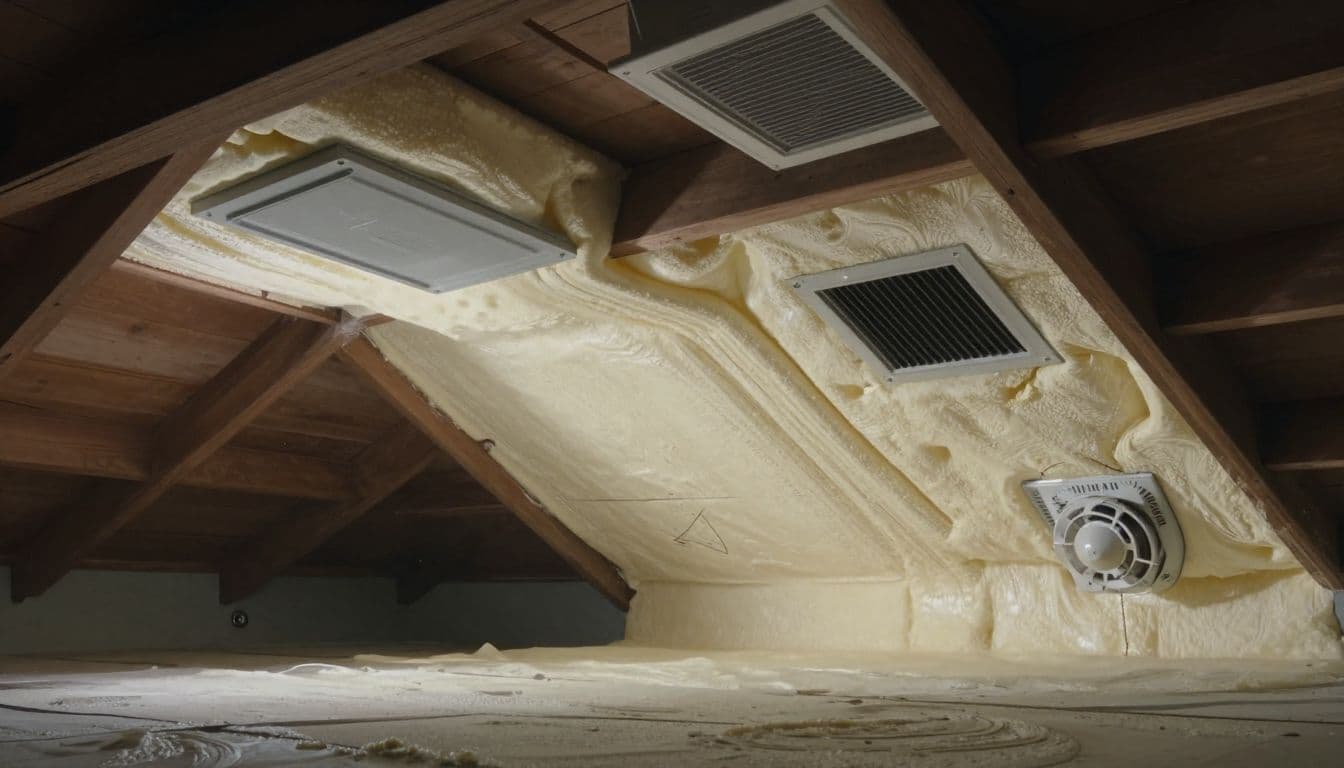
Spray polyurethane foam can insulate and air seal the exterior of rigid ductwork and the surrounding cavity. Huntsman Building Solutions states that spray foam can be applied directly to rigid ducts when joints are sealed first. It should not be sprayed directly onto flexible ductwork.
The foam itself belongs outside the air path . Problems begin when an installer buries a connection, cover, or adjustment point beneath it.
Air sealing can improve comfort and efficiency
Ducts in a hot Florida attic lose cooled air through gaps at joints, boots, plenums, and penetrations. Sealing those leaks and insulating accessible ducts can reduce unwanted heat gain.
Foam can support that work when the duct system is in good shape. Still, foam doesn't replace proper duct sealing. Joints should be secured and sealed with approved materials before insulation goes around them.
Service points must stay reachable
Duct seams, access doors, balancing dampers, filters, registers, and equipment panels all have a purpose after installation day. Technicians may need them to inspect airflow, clean debris, adjust the system, or make repairs.
EPA guidance says a complete duct-cleaning job requires access for cleaning and inspection. If new access holes are needed, the contractor should restore them so they remain airtight and insulated afterward.
Foam should insulate the duct assembly without turning service openings into hidden obstacles.
Cleaning Accessible Duct Interiors Versus Removing Foam
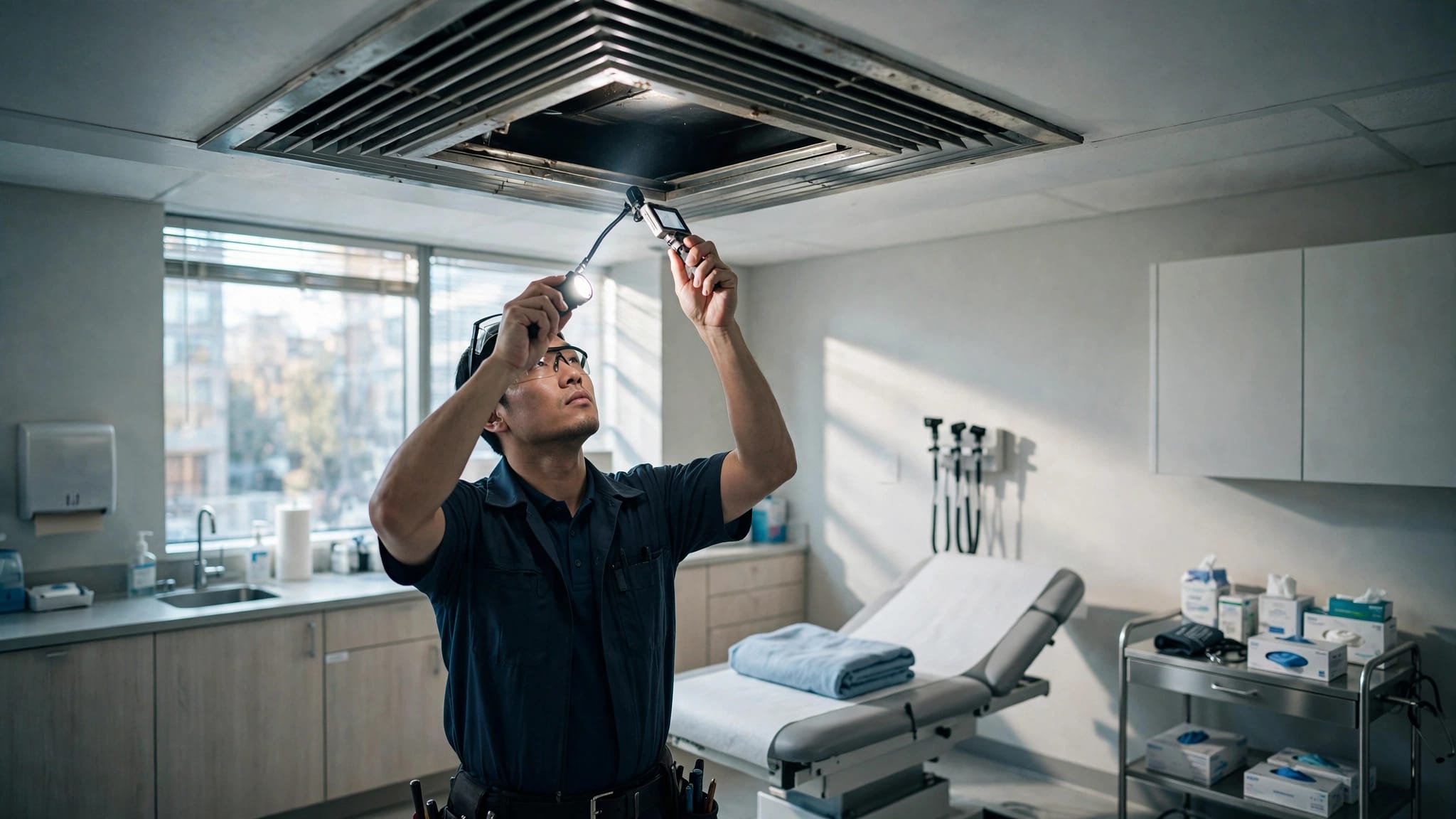
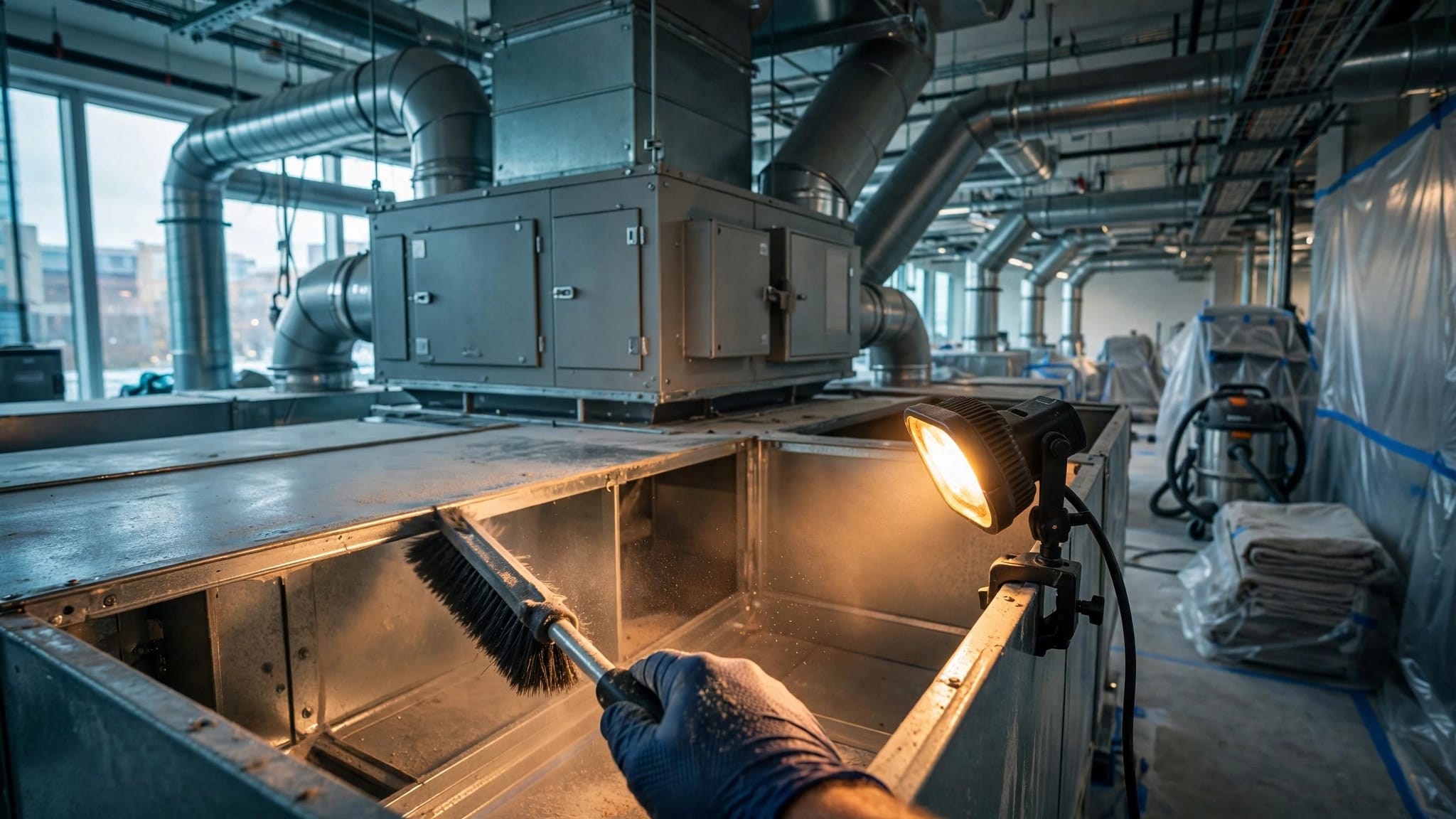
A duct-cleaning crew can often clean the portions of a system it can reach through registers, returns, existing access doors, and the air-handler connection. Technicians inspect visible sections, use contained vacuum equipment, and clean accessible supply and return runs.
That work can still be useful when foam surrounds other exterior areas. It just needs a clear scope. What to expect during air duct cleaning includes an inspection of supply ducts, returns, registers, and the air-handler area before cleaning begins.
Concealed areas may need a separate repair plan
When spray foam around ducts covers an access panel or blocks a seam, a cleaner should not guess at what lies behind it. Cutting cured foam can damage duct insulation, pull loose a flex-duct connection, or create air leaks that need repair.
A camera can help identify where the duct runs and what remains reachable. Learn what a duct camera inspection reveals before approving a larger opening or repair.
If foam removal is necessary, an HVAC or insulation professional should determine the safest cut location. The opening then needs to be sealed and re-insulated after service.
Inspect the System Before Foam Work Begins
Documentation is inexpensive. Rebuilding access after a foam job isn't. Before any insulation crew starts, walk through the attic with the HVAC contractor and identify parts that need future service.
Homeowner inspection checklist
- Take wide photos of the air handler, trunks, branch ducts, returns, and attic pathways.
- Photograph access doors, balancing dampers, filter racks, junctions, and ceiling-register boots.
- Mark service openings on a simple attic sketch and note nearby framing or landmarks.
- Confirm whether the system uses rigid metal duct, flexible duct, duct board, or a mix of materials.
- Keep a record of any existing airflow issues, unusual dust, odors, or rooms that heat up faster than others.
Questions to ask the insulation contractor
- Which ducts, boots, and connections will receive foam, and which areas will stay exposed?
- How will you protect access doors, dampers, filters, and electrical components?
- Are any ducts flexible, and if so, how will you avoid spraying directly onto them?
- Can you leave clear access around the air handler, return box, and major duct connections?
- Who will repair the air barrier and insulation if future HVAC service requires an opening?
Ask your duct cleaner to explain what they can access before scheduling service. These questions to ask an air duct cleaning company help clarify the cleaning method, protective steps, and scope.
Keep Duct and Dryer Vent Service Paths Clear
A dryer vent is separate from HVAC ductwork, yet it also needs a continuous, accessible path for cleaning and inspection. Don't allow foam to cover the dryer connection, cleanout points, or exterior termination.
The same rule applies throughout the home: insulation should not block items that need routine maintenance. If a contractor finds foam over a register, damper, or access panel, pause before cutting. First confirm what is behind the foam and whether another entry point can reach the needed area.
When you request pricing, describe the foam location and share your photos. Get a Free Estimate for air duct or dryer vent cleaning with a clear explanation of accessible areas and any limits.
A Cleaner System Starts With Reachable Access
Spray foam can support a better-sealed, better-insulated duct system. Its value drops when it hides the seams, access doors, dampers, and connections that keep the system serviceable.
Keep foam away from routine service points, document the duct layout, and involve qualified HVAC and insulation professionals before cured material is cut. Accessible ductwork is easier to inspect, clean, repair, and keep performing well.