Phased Commercial Duct Cleaning: A Facility Manager's Guide
Your building doesn't stop operating because its ductwork needs attention. Phased commercial duct cleaning divides the work into defined sections, but those sections must follow the HVAC layout.
For facility managers, the practical goal is controlled disruption with clear coverage of the affected air paths. A plan built around tenant schedules alone can overlook shared returns, trunk ducts, or equipment serving several areas.
Start with the system map, then build the cleaning schedule around how your facility operates.
What phased commercial duct cleaning means
Phased cleaning spreads a defined project across separate work areas or service windows. Each phase has a specific scope, access plan, and handoff before the building resumes normal use.
However, a floor, suite, or department isn't automatically an independent HVAC zone. Several tenants may share a return-air pathway, while separate air handlers may serve different parts of one floor.
That distinction matters because cleaning one visible area doesn't establish that its entire connected air path received service. The schedule needs to account for shared components without leaving them outside every phase.
Phasing also shouldn't turn a complete cleaning project into disconnected register-cleaning visits. The final scope should cover the accessible components identified during inspection.
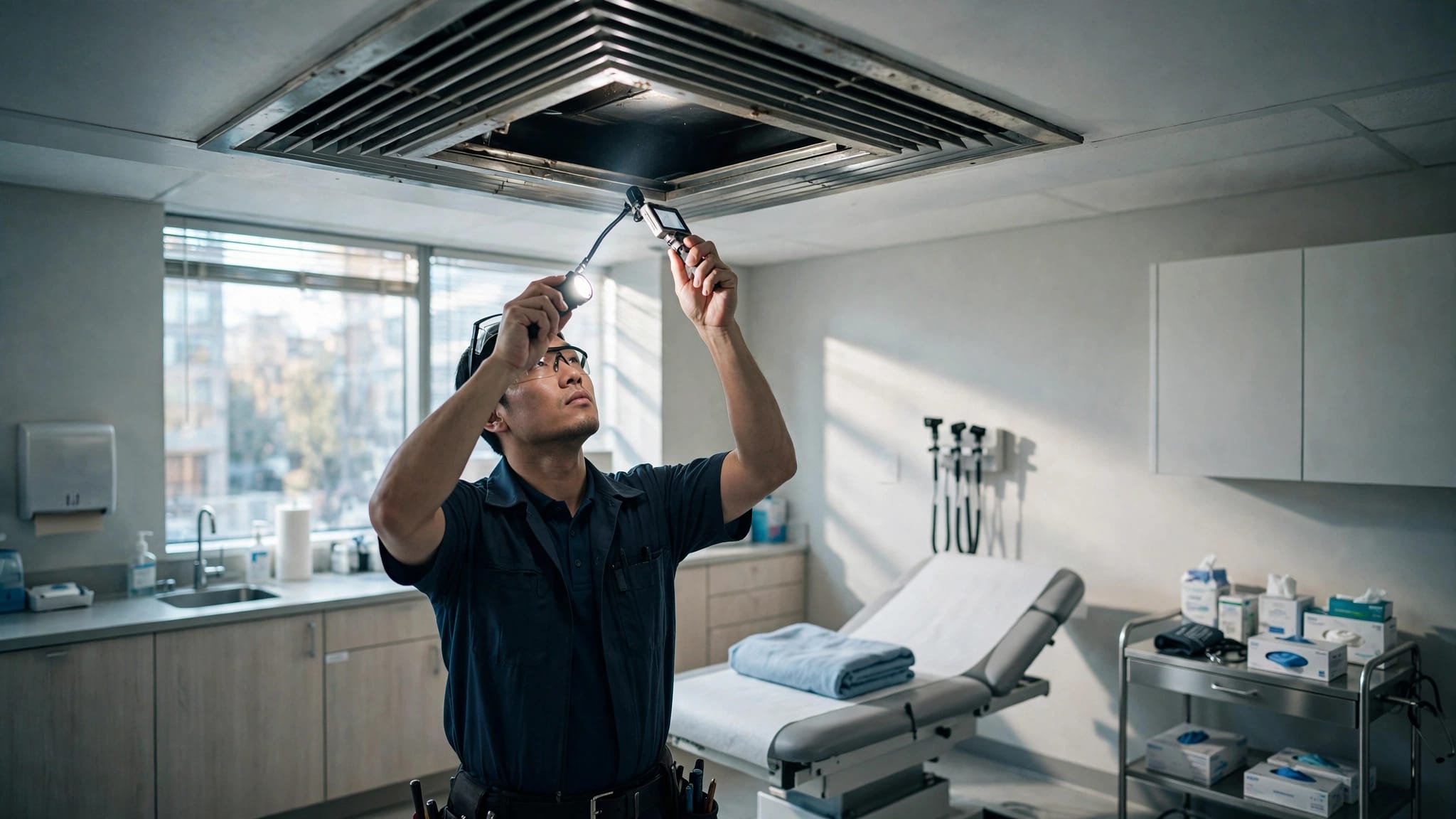
Use the inspection findings to decide where cleaning belongs. Visible debris, construction dust inside ducts, pest contamination, or water-related damage require different responses. Meanwhile, a comfort complaint may point to a control, leakage, or equipment problem that cleaning alone won't resolve.
Plan around the building's HVAC layout
Inventory each air handler and connected area
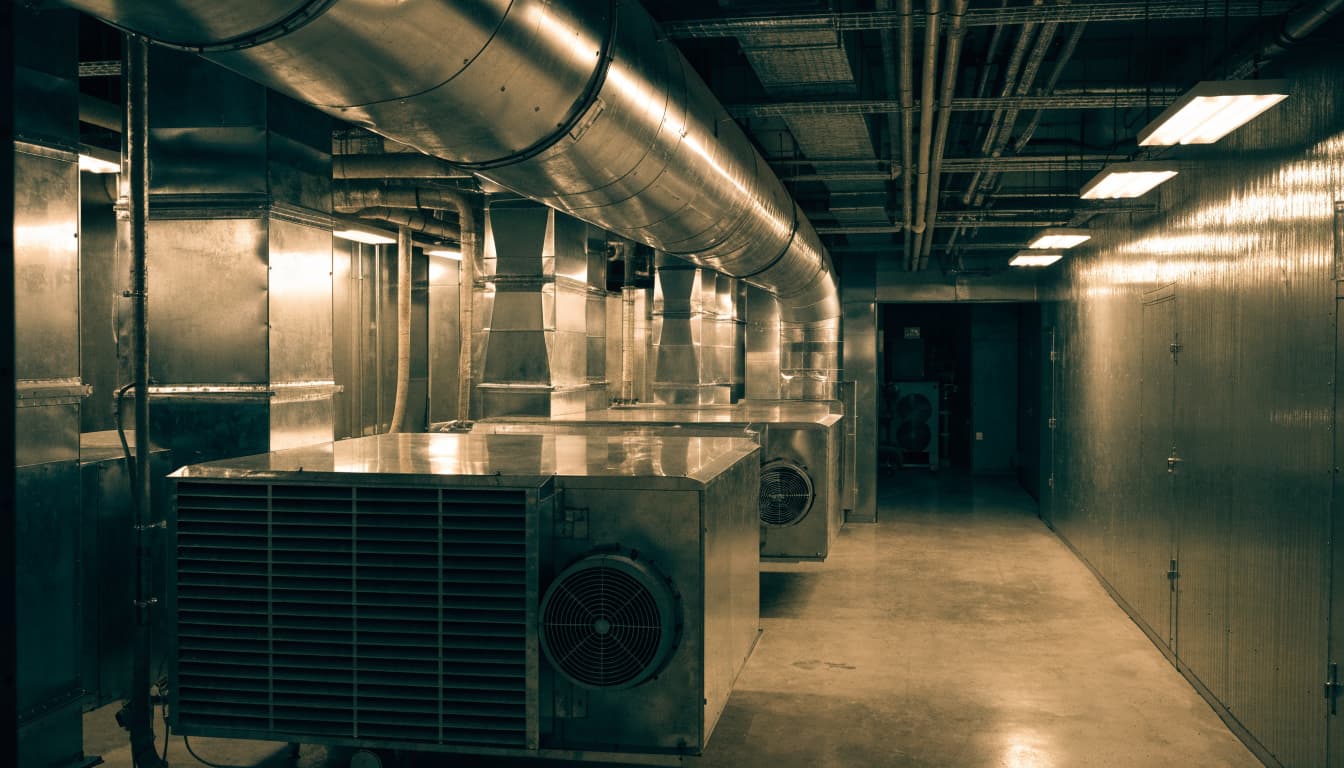
Build a system inventory before assigning work areas. Record each air handler's location, the spaces it serves, and the supply and return routes connected to it.
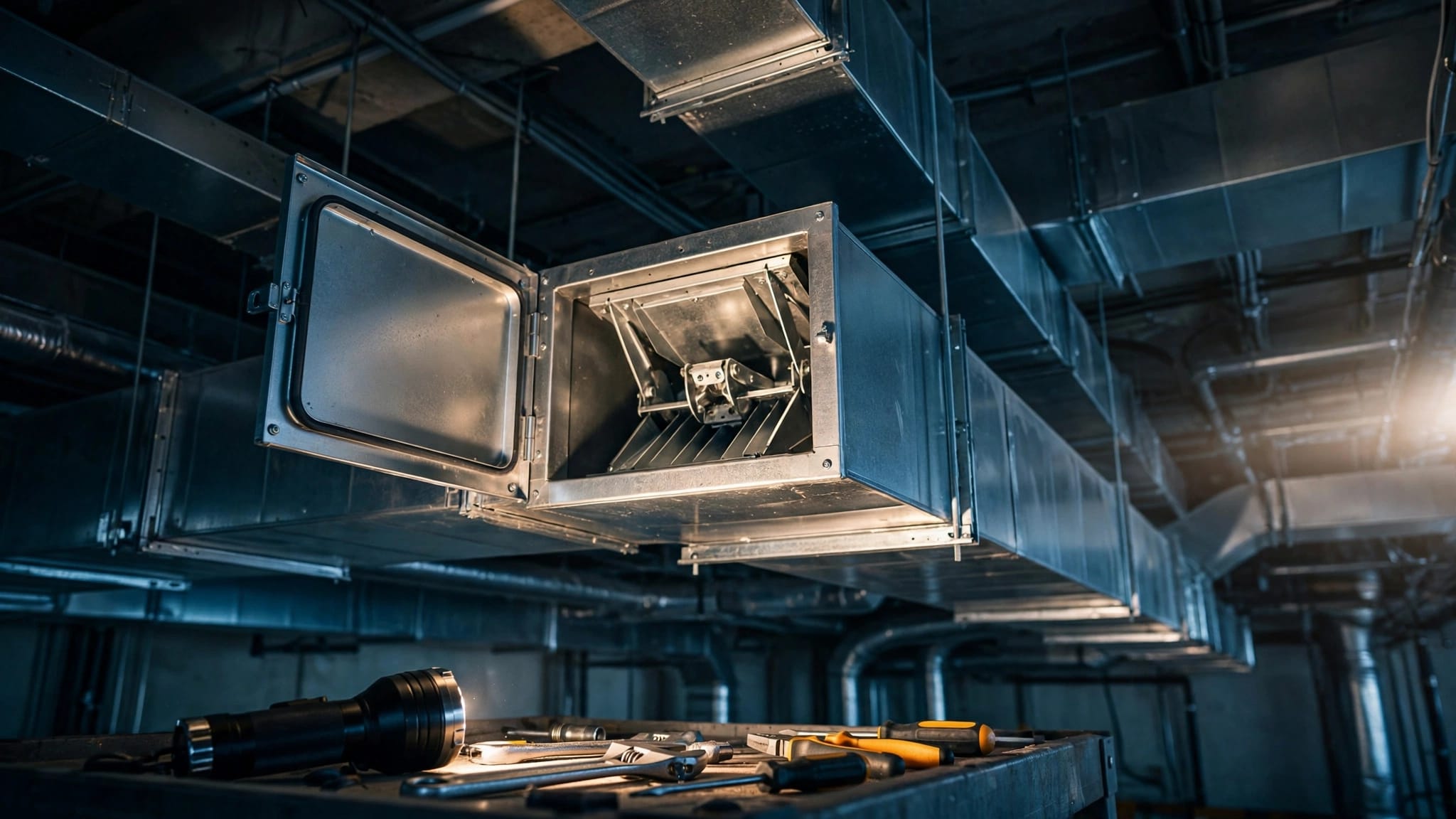
Also note accessible service openings, ceiling access, duct materials, and areas that require tenant entry. Existing mechanical drawings are useful, but the inventory should reflect the installed equipment and accessible connections.
Separate air handlers need separate inspection and cleaning sequences. Cleaning the system serving one wing doesn't address ductwork connected to another handler.
Include filter housings, return plenums, and accessible equipment areas in the inspection. Gaps around filters or dirty equipment can explain why debris keeps entering the ducts.
Define boundaries by the air path
A workable phase boundary follows a section the crew can access and control. Shared trunks, returns, and zone dampers deserve attention before anyone divides the project by room numbers.
For a zoned system, document which thermostats and dampers control each area. The technician needs to understand their response before positioning dampers for cleaning.
Where several areas share ductwork, the plan must identify how connected sections will receive service. Assign shared components explicitly so they don't disappear between tenant-specific work orders.
Define the cleaning scope before dividing the work
Include both supply and return pathways
A written scope should identify supply branches, main trunks, return branches, return trunks, and accessible plenums. It should also state whether registers, grilles, and diffusers are included.
Equipment cleaning needs equally clear boundaries. The blower compartment, coil area, drain pan, and cabinet don't automatically fall within a duct-cleaning price.
Our explanation of register cleaning versus full-system service shows why wiping visible covers leaves a different scope from cleaning connected duct interiors.
When an air handler contains substantial buildup, its condition belongs in the project discussion. Leaving that equipment untouched can limit the value of cleaning its connected ducts.
Separate treatments, repairs, and dryer vents
Sanitizers, inhibitors, microbial treatments, UV lights, and air purification systems address different concerns. Dust alone doesn't justify adding them to every phase.
Any treatment should have a stated purpose, application area, and product-specific occupancy instructions. Keep it separate from routine debris removal in the written scope.
Repairs also need their own line items. Torn flexible duct, damaged insulation, and disconnected sections require more than vacuuming.
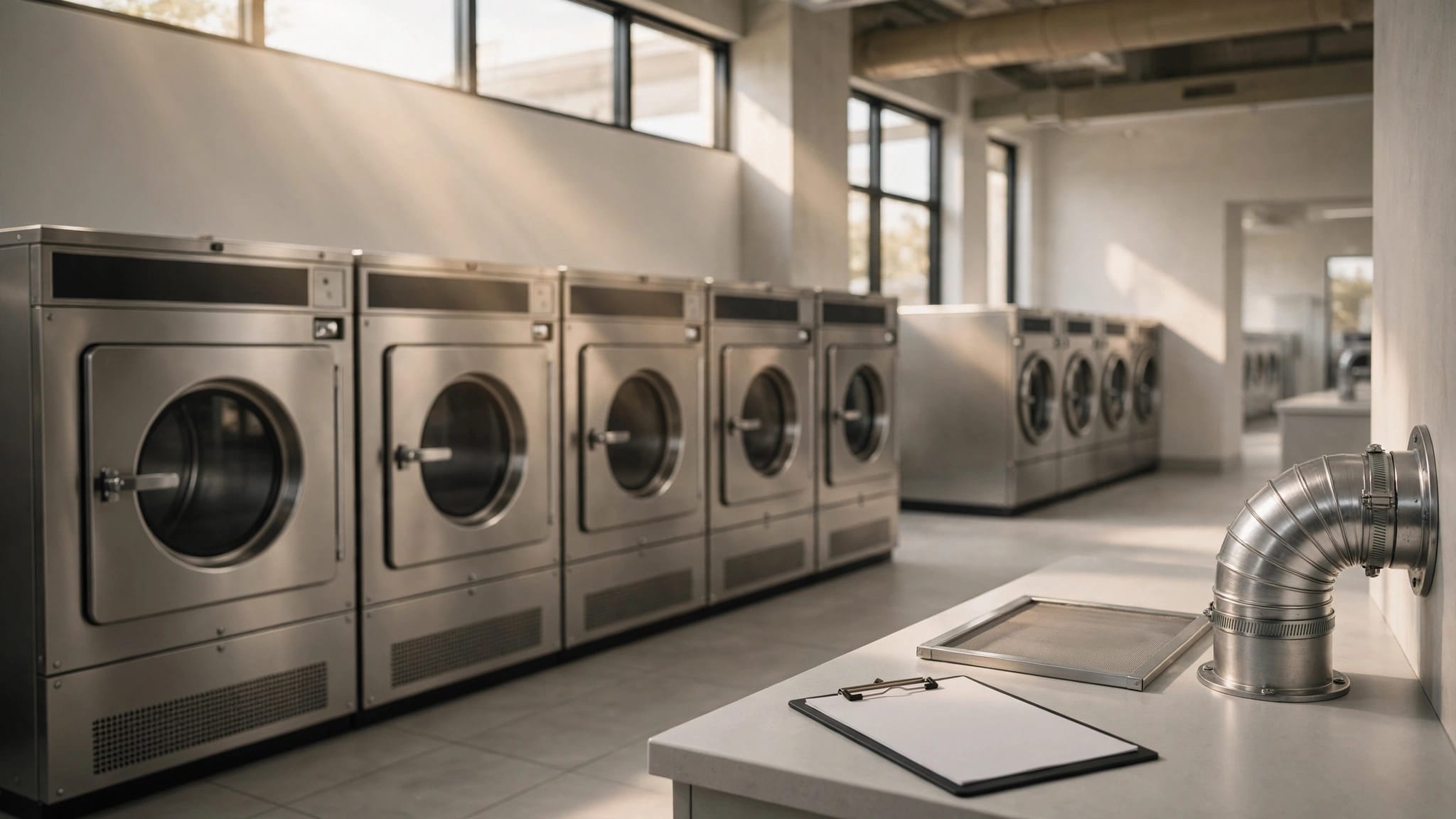
Dryer vents are another distinct pathway. In hotels, salons, assisted-living facilities, or mixed-use buildings with laundry equipment, include dryer exhaust service as a separate task. Its route and exterior termination require their own access plan.
Schedule work in manageable zones
Match access to building activity
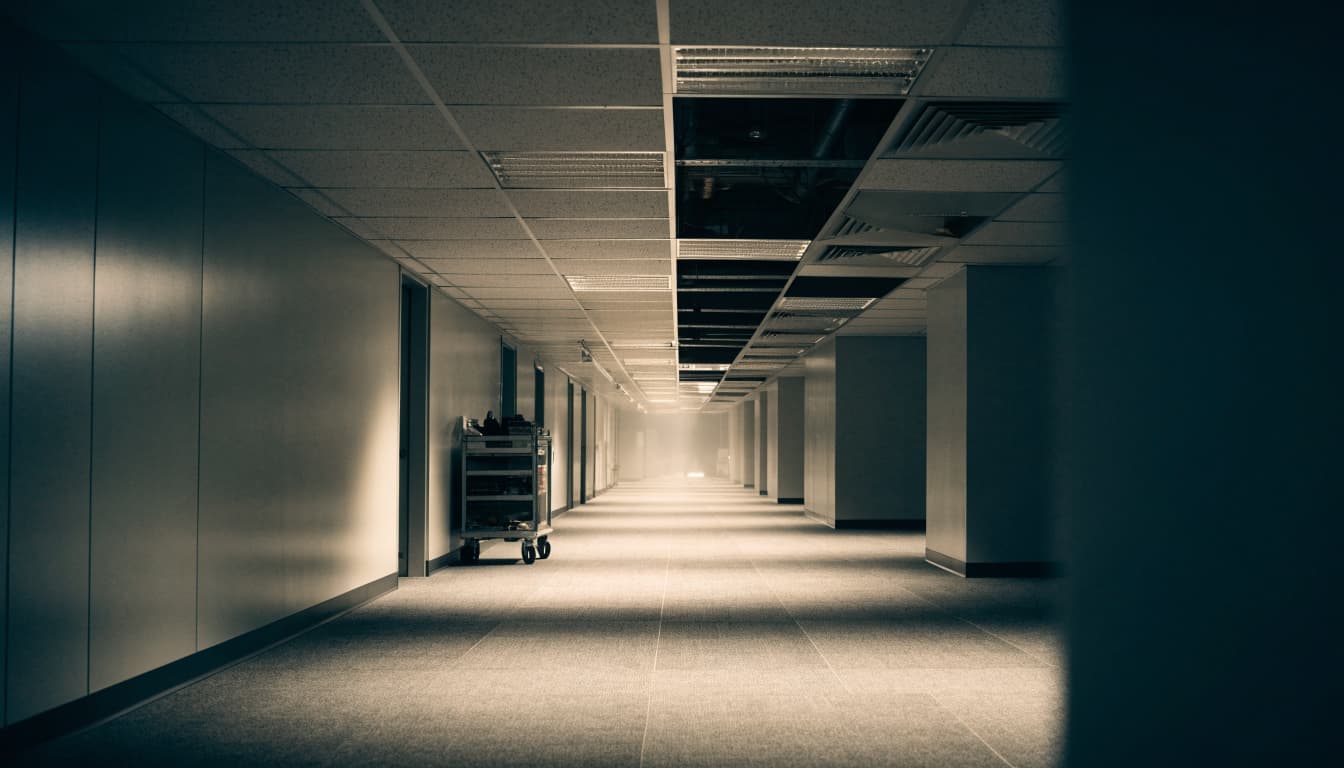
Choose service windows around the areas that need access, noise control, and temporary HVAC shutdowns. Reception areas, meeting rooms, and occupied tenant suites may have different scheduling needs.
After-hours work can reduce conflicts with daily activity. However, it still needs arrangements for building entry, security, lighting, elevators, and equipment staging.
Our guide to after-hours office duct service covers those scheduling considerations.
Give occupants a clear notice stating the affected area, expected access restrictions, and building contact. Avoid promising uninterrupted cooling in a zone whose air handler needs to be stopped.
Keep equipment routes clear without blocking exits or creating hose hazards in occupied corridors.
Sequence cleaning with construction and other maintenance
Complete sanding and other high-dust construction before cleaning affected ducts. Otherwise, ongoing work can introduce fresh debris into recently serviced sections.
Also coordinate surface cleanup and filter maintenance with the duct project. Dust left on nearby floors and furnishings can continue circulating after the crew leaves.
If ceiling repairs, HVAC repairs, or tenant improvements affect the same access points, place those activities in a deliberate order. This reduces repeated disturbance of finished areas.
Don't release an area simply because the cleaning tools have been removed. The handoff should include restoration, cleanup, and any required treatment drying or ventilation.
Set expectations for equipment and duct materials
Capture debris while loosening it
Professional cleaning commonly combines negative-pressure collection with tools that dislodge debris from accessible duct surfaces. The collection equipment captures loosened material while the technician works through the system.
The setup needs to match the section being cleaned. A shared system requires attention to open branches and damper positions so airflow supports collection.
Access also affects equipment choice. Parking, hose routes, upper-floor locations, and mechanical-room entry can influence whether truck-mounted or portable equipment suits the project.
Our comparison of duct cleaning equipment options explains those access considerations.
Agitation tools must suit the duct material. Flexible liners, internal insulation, seals, and damper assemblies need protection from excessive force.
Pause for unsafe or unsuitable conditions
Wet electrical areas, exposed wiring, loose insulation, or a damaged drain pan should pause affected work for professional assessment. Powerful cleaning equipment shouldn't operate around unsafe mechanical conditions.
Older duct systems can also contain brittle insulation or suspect materials near planned access points. Routine cleaning doesn't identify asbestos or remove asbestos-containing material.
Our guidance on asbestos precautions for older ducts explains why those concerns require a separate professional assessment.
Document any excluded section and the reason. A limitation should remain visible in the project record rather than becoming an unspoken gap in coverage.
Close each phase with testing and documentation
Restore the system before releasing the area
After cleaning, the crew should reinstall registers and grilles, close or reseal service openings, and remove protective coverings. The filter and accessible equipment areas also need attention before restart.
Zone controls then need a functional review. Operate the affected zones and compare register airflow with the pre-cleaning condition where baseline observations or measurements exist.
Because zones may share a trunk or return, changes in one area can affect another. An unexpected airflow change deserves investigation rather than an automatic assumption that cleaning improved performance.
Post-service testing helps identify disturbed controls or restrictions. Full air balancing is a separate task when the system needs airflow adjustment.
Record completed and deferred work
A useful service record identifies the air handler, connected areas, components cleaned, and sections left untouched. Include dated inspection photographs where they show meaningful conditions.
Also record the method used, filter work, treatments applied, and repairs completed or recommended. For zoned equipment, note whether dampers responded as expected.
Keep unresolved findings attached to the same system inventory used for planning. That way, the next phase starts with the actual project status.
A general invoice stating "ducts cleaned" gives future maintenance teams little help. Component-level records make remaining work and system history much easier to understand.
Build the budget around scope and access
Commercial duct cleaning estimates depend on more than the number of visible vents. System count, duct layout, contamination, equipment access, and included HVAC components all affect the work involved.
Phasing can also require repeated setup, equipment movement, and separate building-access arrangements. Those tasks belong in the estimate rather than appearing as unexplained additions later.
Compare proposals against the same system inventory and component list. A lower total may cover only registers or omit returns, shared trunks, or equipment areas.
Keep optional treatments, repairs, and dryer vent service separate so you can see what each charge addresses. Also distinguish routine cleaning from contamination cleanup that requires a different scope.
The strongest budget connects each charge to defined work and makes exclusions visible before scheduling starts.
Key takeaways for your phased cleaning plan
- Divide the project by connected HVAC sections, then fit those sections into workable service windows.
- Put shared trunks, returns, equipment areas, and excluded sections in writing so every phase has clear boundaries.
- Finish each phase with restored access panels, reviewed zone operation, and records showing completed work and unresolved findings.
With those details in place, you can manage tenant access and maintenance handoffs without losing sight of the complete system.
Keep every phase tied to the complete system
Phased commercial duct cleaning works best when the HVAC layout determines the scope and building activity determines the schedule. Clear boundaries keep a manageable project from becoming incomplete service.
At Adkins Duct Cleaning, we offer air duct and dryer vent cleaning for businesses across Florida's Gulf Coast. To plan service around your facility's layout and access needs, Get a Free Estimate.