Asbestos Duct Cleaning: What Older Homeowners Need to Know
Older homes can hide asbestos-containing insulation around heating and cooling systems, even when the visible ductwork looks clean. Before scheduling asbestos duct cleaning , homeowners need to determine whether any insulation, wrap, tape, or other material could be disturbed during the work.
The safest approach is simple: pause when suspicious material appears, avoid touching it, and arrange a qualified asbestos assessment before routine duct cleaning begins. The steps below can help you protect your household, choose the right professional, and avoid confusing duct cleaning with asbestos abatement.
Why older homes raise asbestos concerns
Asbestos was used in many building products because it resisted heat and added strength. EPA building guidance identifies insulation around pipes, ducts, boilers, and tanks as places where asbestos-containing material may still be found.
A home's age does not prove that asbestos is present. However, older construction, past renovations, and aging mechanical systems can increase the chance that original insulation or repairs remain in place.
Where asbestos may appear around HVAC systems
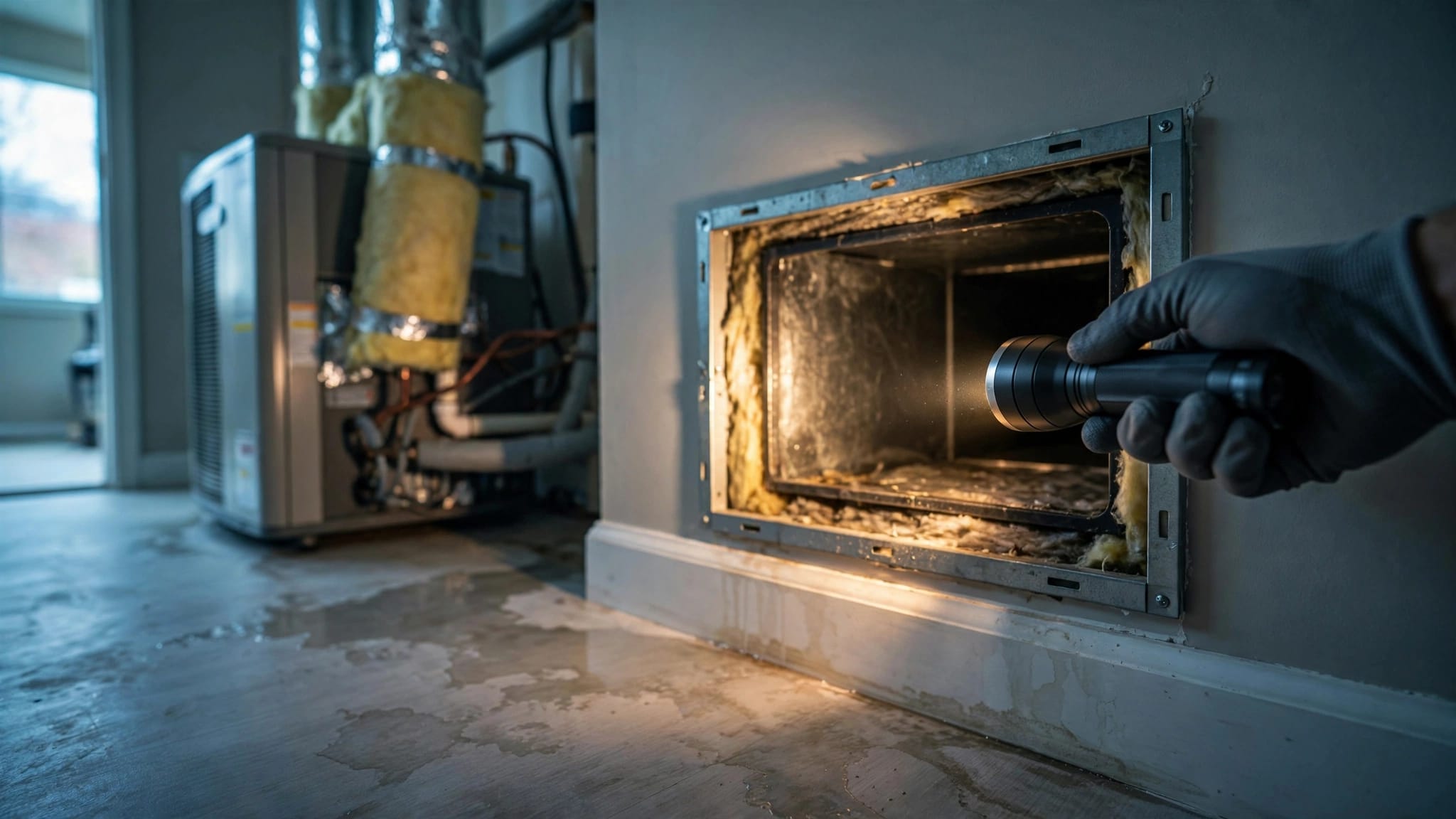
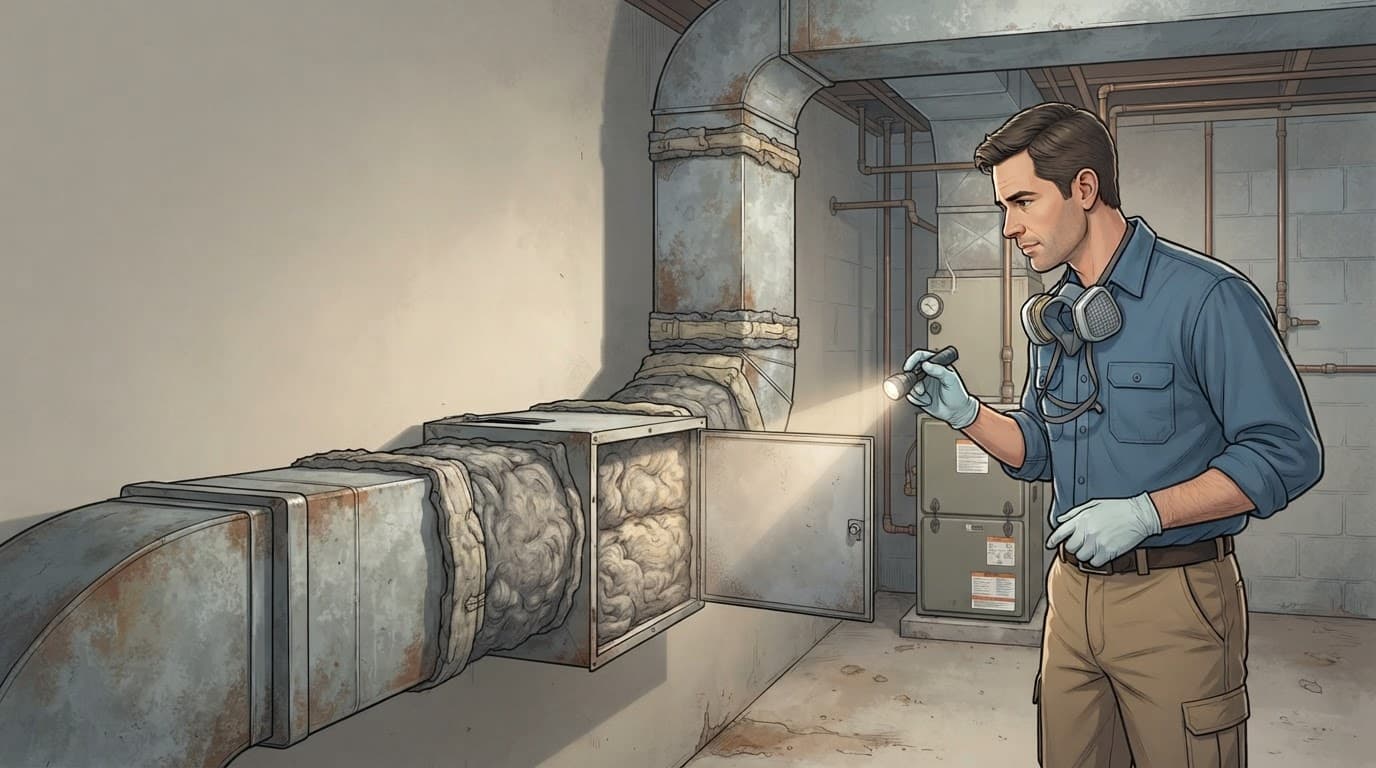
Suspect materials may include insulation wrapped around ducts, insulation near air handlers, pipe insulation connected to HVAC equipment, and older cloth-like tape at joints. Some systems also contain insulated boards or panels near furnaces and mechanical closets.
The duct itself may be sheet metal, while the surrounding insulation contains the concern. In other cases, a section may include fiberglass, foam, or another material. A single HVAC system can contain several materials installed during different repairs.
Why appearance cannot settle the question
White, gray, brown, or textured insulation may look suspicious, but appearance alone cannot confirm asbestos. Materials can change color with age, dust, moisture, or previous paint.
OSHA limits certain visual determinations involving thermal system insulation to a certified industrial hygienist or accredited asbestos inspector. Homeowners and ordinary duct-cleaning crews shouldn't treat visual guesses as a clearance decision.
EPA's practical advice is direct: if you're unsure whether a building material contains asbestos, treat it as asbestos and leave it alone.
Why visual inspection alone cannot confirm asbestos
A careful visual review is a useful first step, but it answers only limited questions. It can show where material is located, whether it appears damaged, and whether cleaning equipment or access work could disturb it.
It cannot reliably identify the material's composition. Confirmation may require bulk sampling, professional handling, and laboratory analysis.
What you can safely observe
Without touching the material, look for loose insulation, damaged wrap, peeling layers, exposed edges, or crumbling tape around ducts and HVAC components. Also note whether the cleaning company would need to cut an access opening through the material.
Take photographs from a safe distance if you need to explain the concern to an inspector. Don't move panels, pull tape, brush surfaces, or use a household vacuum near the suspected area.
Dust on a register doesn't prove asbestos. It may come from ordinary household buildup, a loose return connection, a dirty filter, or work performed during a renovation. The concern begins when cleaning could disturb suspect insulation or another building material.
Who should confirm the material
An accredited asbestos inspector or certified industrial hygienist can assess the material and determine whether sampling is appropriate. OSHA guidance states that bulk sampling must involve qualified personnel, and the sample should go to an appropriate laboratory.
The duct-cleaning company should not collect a sample as a shortcut unless it has the required asbestos credentials for that work. Ask who will inspect the material, what qualifications apply in your area, and whether the written result will identify the areas that may be disturbed.
What to do before scheduling duct cleaning
Tell the company about the home's age, previous remodeling, and any insulation or wrap you noticed near the HVAC system. Send photographs only if you can take them without entering an unsafe area or disturbing the material.
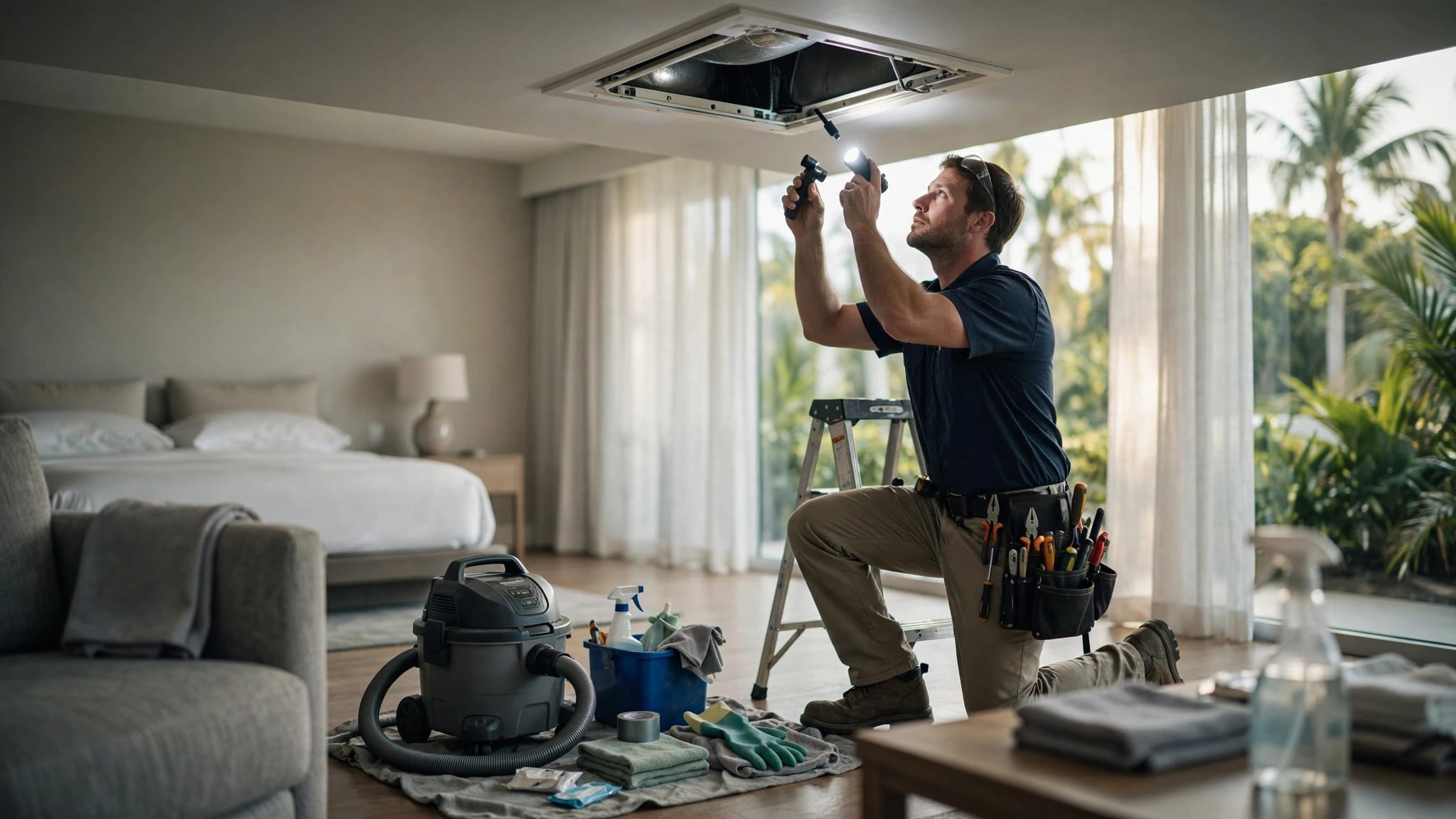
A responsible provider should ask about access points, attic conditions, equipment location, and visible concerns before recommending a cleaning method. The company should also explain what it will do if the crew finds suspect material during the appointment.
Ask for an inspection-first plan
Routine duct cleaning removes dust and debris from appropriate parts of an HVAC system. It doesn't identify asbestos, clear a suspect area, or remove regulated asbestos-containing material.
Ask these practical questions before booking:
- Will the technician inspect the ductwork and surrounding insulation before starting?
- What happens if the crew finds damaged or crumbling material?
- Does the company avoid cutting through or brushing suspicious insulation?
- Who should perform asbestos sampling if the material cannot be identified?
- Will the cleaning plan account for older, brittle, or insulated duct sections?
You can also review these questions to ask an air duct cleaning company before hiring a provider. Insurance, experience with older Florida homes, and a clear stop-work policy all matter.
Keep household activity away from the area
Until the material is assessed, keep children and pets away from the mechanical room, attic access, or work area. Avoid storage projects, remodeling, or HVAC repairs that could disturb the same insulation.
Don't sweep nearby debris or clean the surface yourself. If someone has already damaged the material, tell the inspector and cleaning company exactly what happened. That information helps them plan the assessment and decide whether additional controls are needed.
How testing and abatement change the plan
If an inspector finds no suspect asbestos-containing material in the work area, the company can evaluate the duct system for ordinary cleaning needs. If sampling identifies asbestos, the project changes.
The next step may involve leaving the material in place, repairing it, enclosing it, or removing it through an asbestos contractor. The correct option depends on the material's condition, its location, and the work planned around it.
Testing is separate from routine cleaning
Sampling is not a service that homeowners should perform with a knife, drill, or scraped fragment. Collecting a sample can release fibers if someone damages the material or misses a layer.
A qualified professional can select representative locations and arrange laboratory analysis. The sampling plan may depend on visible differences, damage, material layers, and the amount of insulation present.
The lab result should be tied to the actual work area. A test from one part of the house doesn't automatically clear every duct, attic section, or mechanical closet.
Confirmed asbestos may require specialized work
When asbestos is confirmed, ordinary duct-cleaning equipment isn't a substitute for asbestos controls. A qualified asbestos contractor may need to isolate the area, control dust, use appropriate protective equipment, and follow disposal procedures.
Requirements vary by state and local jurisdiction. EPA and OSHA provide federal guidance, while Florida homeowners should review guidance from the Florida Department of Environmental Protection before work could disturb suspected asbestos.
Keep the written assessment and laboratory report with your home records. Those documents can help future HVAC technicians avoid disturbing the same materials.
When routine duct cleaning can proceed
Duct cleaning can proceed after suspected materials have been assessed and the work plan addresses any hazards. The inspection should cover the areas technicians need to reach, not only the most visible supply registers.
The provider should also check whether the duct system is suitable for the planned tools. Older systems may include brittle insulation, damaged seams, or sections that require a gentler approach.
Controls should come before equipment
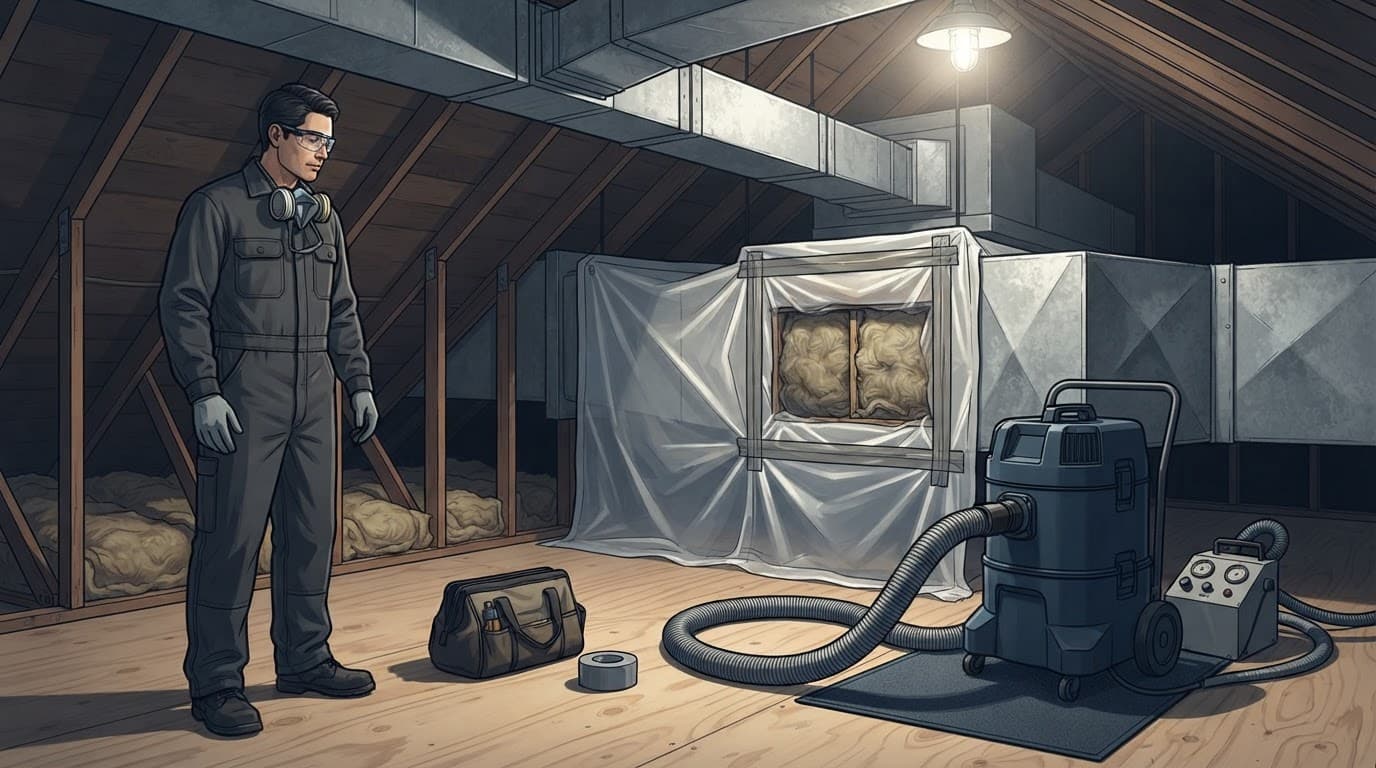
Before cleaning begins, the crew should protect nearby surfaces, confirm access points, and keep equipment away from suspect materials unless the area has been cleared for that work. They should avoid creating pressure or movement that could damage old insulation.
A cleaning plan may focus on accessible sheet-metal ducts while excluding an unsafe section. That limitation should be explained before work starts, along with any recommendation for a separate asbestos professional.
If asbestos-containing material has been properly controlled and the planned work is allowed, the HVAC contractor can clean the approved duct sections. The two services remain separate, even when scheduled for the same property.
Older ductwork may need a suitable method
Rotary brushes, air whips, and other agitation tools are not interchangeable. The right choice depends on duct material, interior condition, access, and the type of buildup present.
Aggressive agitation near brittle insulation or damaged components can create avoidable problems. A provider should inspect first and choose a method that fits the system rather than applying the same process to every home.
For more detail, read about duct cleaning methods for Florida homes, especially if the property has attic ductwork or several generations of HVAC repairs.
Stop-work situations that require a pause
The crew should stop and leave the area undisturbed when the job reveals a material that may contain asbestos. Work should also pause when the original plan changes in a way that could damage insulation, wrap, tape, or board.
Urgent stop-work situations include:
- Insulation crumbles, powders, tears, or sheds material when equipment approaches.
- A technician finds old wrap or tape that wasn't visible during the initial review.
- Access requires drilling, cutting, scraping, or pulling through suspicious material.
- Debris or dust appears after a panel, duct section, or insulation layer is opened.
- The cleaning company cannot explain how it will isolate or avoid the suspect area.
- A homeowner or worker has already disturbed the material and cannot describe its contents.
Don't allow anyone to vacuum, brush, scrape, or remove the suspected material as part of ordinary duct cleaning. Stop the HVAC work, keep people away, and arrange a qualified asbestos assessment.
A pause may delay cleaning, but it prevents an uncertain material from becoming an uncontrolled work area.
Pre-cleaning checklist for homeowners
Use this short checklist before an air duct or dryer vent appointment:
- Record the home's age and renovation history. Mention additions, HVAC replacements, attic work, and remodeling that may have affected the duct system.
- Look without touching. Note visible insulation, wrap, tape, damaged areas, or unusual material near the ducts. Never scrape or collect a piece.
- Share concerns before the appointment. Send the provider a description and ask whether the planned work could disturb the material.
- Request an inspection-first approach. The company should identify access points and explain its stop-work procedure.
- Arrange qualified sampling when needed. Use an accredited asbestos inspector or certified industrial hygienist, not a homeowner-collected sample.
- Keep people away from the work area. Secure pets and clear access without moving or handling suspicious insulation.
- Separate dryer vent work from HVAC cleaning. A dryer vent is an exhaust path for lint and moisture. It isn't part of the home's air-conditioning duct system. If the vent passes through an attic or wall with suspect material, tell the provider before work begins.
- Keep written records. Save inspection reports, lab results, contractor recommendations, and any areas excluded from cleaning.
This process also helps you decide whether cleaning is needed at all. Visible debris at registers, post-renovation dust, pest activity, or moisture-related contamination may support duct cleaning, while ordinary vent dust may call for filter care first.
Florida guidance and practical hiring questions
Florida homes along the Gulf Coast often have attic HVAC systems, tight mechanical closets, and long cooling seasons. Those conditions make access and material condition important parts of the pre-cleaning review.
Florida's Department of Environmental Protection maintains asbestos guidance and provides a public-service contact for compliance questions. State and local requirements can vary, so confirm the rules that apply to your property before work begins.
When comparing companies, ask whether the crew is insured, whether technicians work around older duct systems, and whether the estimate separates routine cleaning from asbestos-related services. A careful provider won't promise to identify asbestos by sight or pressure you to start before a concern is resolved.
If your system has been cleared for cleaning and you want pricing for the approved work, you can Get a Free Estimate for air duct or dryer vent service.
Conclusion
Older duct systems deserve a careful review before anyone brings in brushes, vacuums, or access tools. Asbestos duct cleaning starts with identification and control , not with equipment.
Visual suspicion can justify a pause, but only qualified assessment and appropriate laboratory testing can resolve uncertainty. Leave suspect material alone, stop work when conditions change, and proceed with routine cleaning only after the work area is safe and the plan is clear.