HVAC System Cleaning for Ductless and Central Systems
A clean vent grille can hide a dirty coil, clogged drain, or neglected blower. HVAC system cleaning works best when it matches the equipment in your home, because ductless mini-splits and central systems collect dust in very different places.
Ductless units clean and condition air in each room. Central equipment moves air through an air handler and duct network, so the cleaning plan must reach farther than the equipment cabinet. Knowing the difference helps you spend money on the problem you actually have.
HVAC System Cleaning Needs: Ductless vs. Central
Both systems use filters, coils, fans, refrigerant lines, and outdoor equipment. However, the route that air takes changes where dust and moisture collect.
Direct room circulation in ductless systems
A ductless mini-split has an indoor head mounted high on a wall, plus a separate outdoor unit. The indoor head pulls air from that room through washable filters, passes it over an evaporator coil, and sends cooled or heated air back into the space.
Because there are no supply or return ducts, duct cleaning isn't part of routine mini-split care. Instead, attention centers on the indoor filters, coil, blower wheel, condensate pan, and drain line.
Whole-home airflow in central systems
Central HVAC uses a return grille to pull air back to an indoor air handler or furnace. The filter captures particles before air crosses the evaporator coil and blower. Then supply ducts deliver conditioned air to rooms throughout the home.
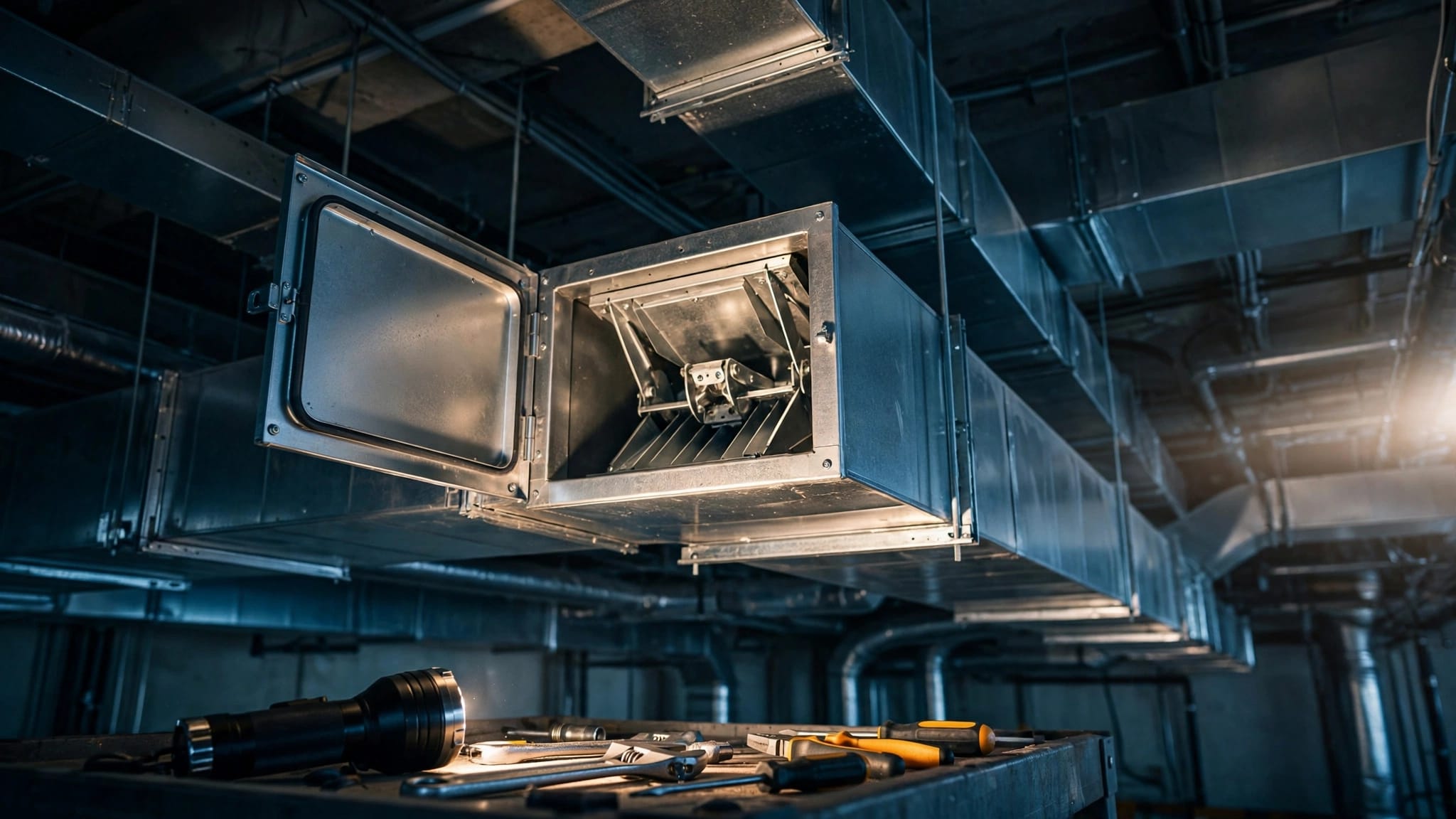
That network creates more places for buildup. A central cleaning plan may involve the filter slot, blower cabinet, coil area, condensate system, supply and return ducts, registers, grilles, and plenums. The right starting point depends on where the dirt or odor originates.
A Quick Comparison of Cleaning Priorities
The equipment layout tells you where to look first.
| System type | Where air travels | Routine homeowner care | Work for trained professionals |
|---|---|---|---|
| Ductless mini-split | Directly through each indoor head | Wash approved filters and wipe the cabinet | Clean coils, blower wheel, drain pan, drain line, and outdoor coil |
| Central HVAC | Through returns, air handler, and supply ducts | Replace filters and vacuum grilles | Clean blower components, coils, drains, ductwork, and plenums |
| Dryer vent | From dryer to an exterior termination | Clean the lint screen after each load | Remove lint buildup from the full vent path |
A clogged central filter can restrict airflow without dirty ductwork. On the other hand, a clean filter won't remove drywall dust, pest debris, or buildup already inside the duct system. That distinction is central to effective HVAC system cleaning .
Cleaning a Ductless Mini-Split
A mini-split's compact indoor head can look clean from across the room while its hidden parts need attention. Florida humidity also keeps its condensate system working for long stretches.
The indoor head needs more than filter washing
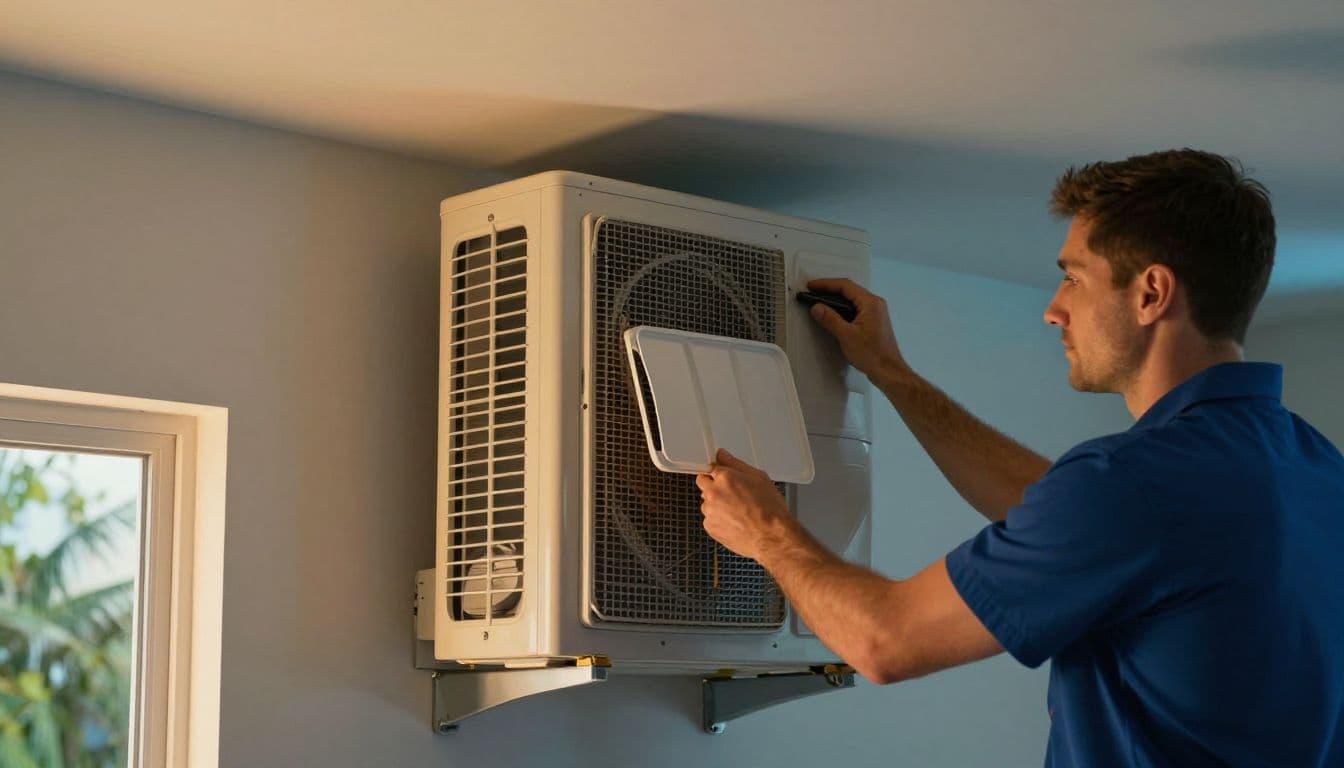
Most mini-split filters slide out from behind the front panel. Follow the owner's manual, rinse reusable filters as directed, and let them dry fully before reinstalling them. Wiping the accessible housing and louvers with a soft cloth also keeps surface dust down.
The harder work sits behind those filters. Fine dust can stick to the evaporator coil and blower wheel. A dirty blower wheel may reduce airflow and throw debris from the louvers. Meanwhile, a dirty drain pan or blocked condensate line can cause dripping, stale smells, or water marks beneath the unit.
Qualified HVAC technicians can access and clean those components without soaking circuit boards or damaging delicate fins. They can also check why a drain repeatedly clogs instead of treating the symptom.
Outdoor mini-split units need clear airflow
The outdoor unit releases heat through its coil. Leaves, grass clippings, mulch, and other debris can block airflow around the cabinet. Homeowners can keep the nearby area clear and avoid piling yard items against the unit.
Don't pressure-wash the coil, straighten fins with improvised tools, or open electrical panels. Refrigerant connections, capacitor terminals, and coil fins are easy to damage. A professional can safely inspect the coil, cabinet, fan area, and drain openings when maintenance is due.
A ductless outdoor unit may be dirty, but it doesn't mean your home has dirty ducts. Mini-splits don't use a duct network to distribute room air.
Central HVAC Cleaning Reaches the Air Handler and Ducts
Central systems need a wider inspection because the air path begins at a return grille and ends at multiple supply registers. The indoor equipment and the ductwork can each create separate problems.
The air handler has several dirt collection points
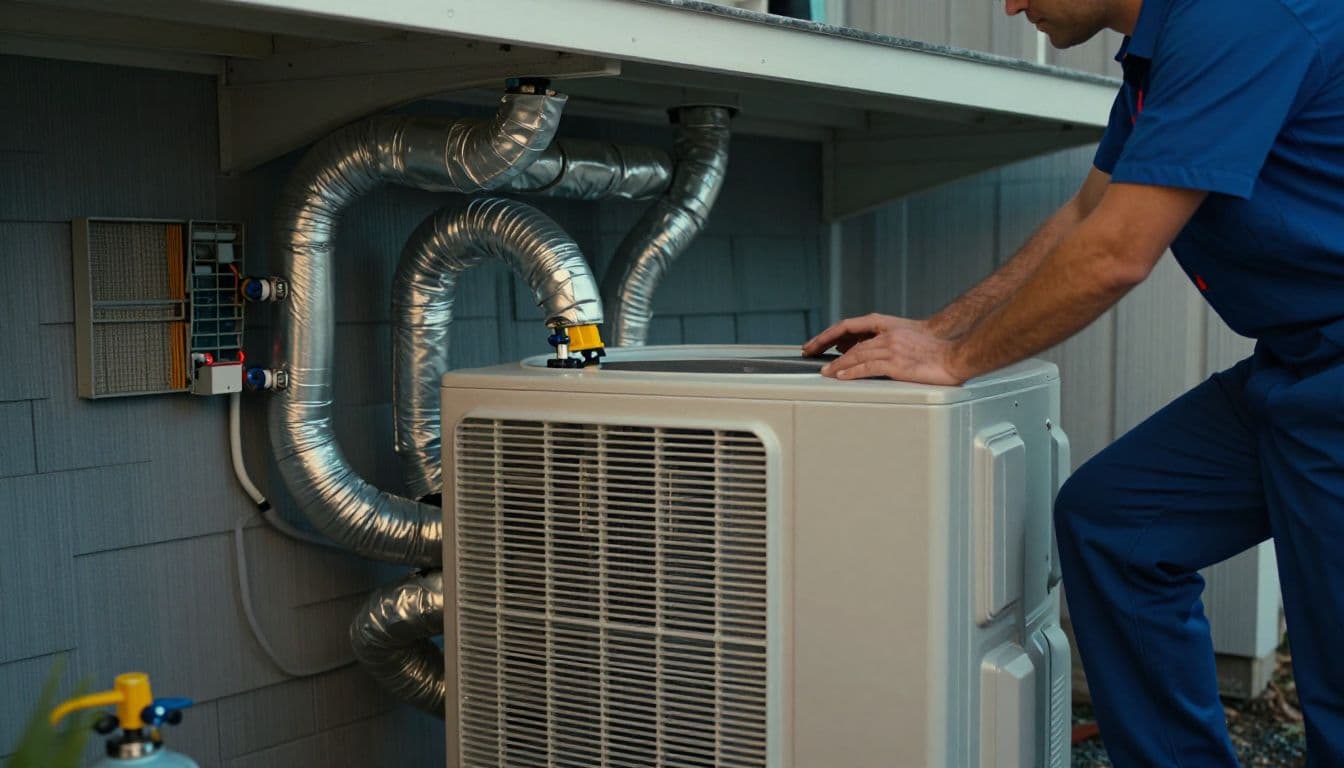
In a heat-pump system, the air handler holds the blower, evaporator coil, filter rack, drain pan, and condensate line. A furnace-based system uses a blower compartment and indoor coil with a similar air-cleaning path.
When dust bypasses a poorly fitted filter, it can settle on the blower and coil. That buildup affects airflow and can contribute to musty startup odors. A condensate issue may add moisture to the mix, which needs prompt attention in a humid climate.
For a closer look at where the problem begins, compare air handler cleaning vs. duct cleaning before booking a service. Cleaning ducts alone won't correct a dirty coil or an obstructed drain.
Ductwork needs evidence-based cleaning
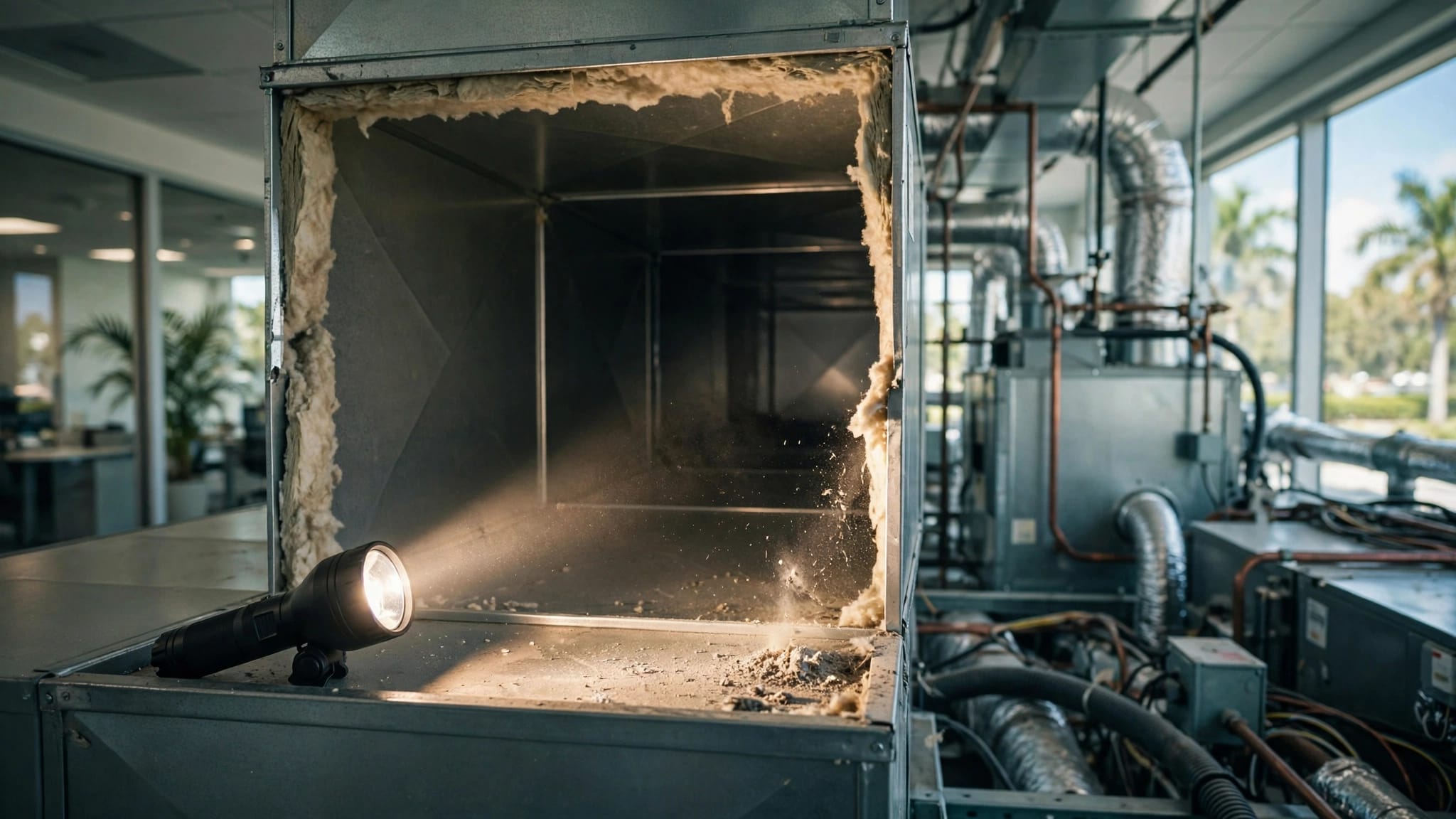
Supply and return ducts move air, but they don't automatically need cleaning every year. Consider professional duct cleaning when you see debris at registers, dust returns quickly despite proper filter changes, renovation material entered the system, or pests affected the ductwork.
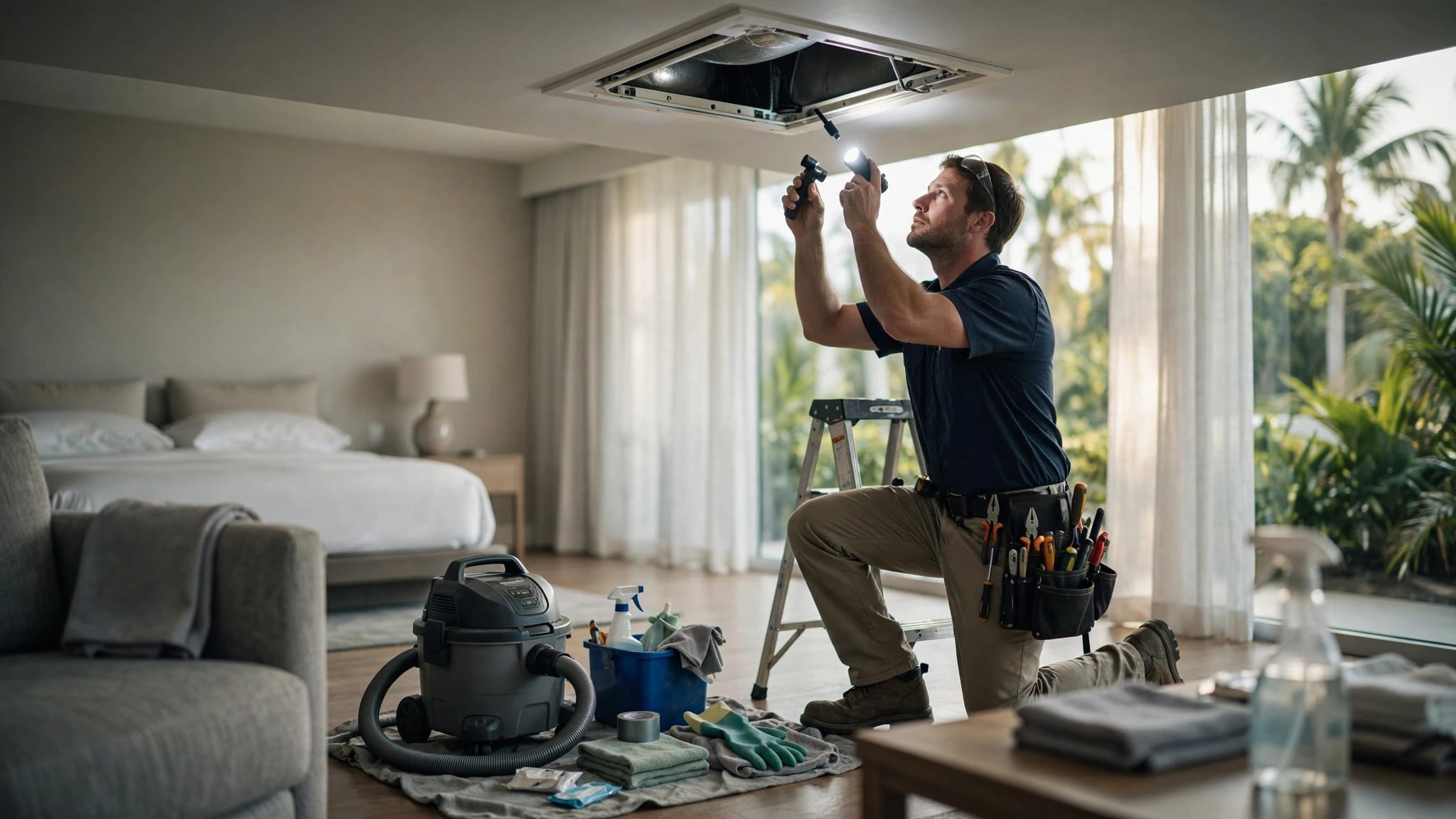
A reputable crew should inspect accessible duct sections, registers, grilles, return boxes, and plenums. They should use contained vacuum collection and appropriate agitation tools, not a quick blast of air through visible vents.

Photo by Kathleen Austin Kuhn
The outdoor central condenser also needs clear airflow. However, it has no direct connection to the home's duct interior. Outdoor coil service and air duct cleaning are related maintenance tasks, but they solve different problems.
What Homeowners Can Do Safely
Routine care helps both types of equipment run with less dust. Keep the job within the access points your manufacturer intended for homeowners.
Simple tasks that belong on your home checklist
For a ductless unit, wash or vacuum reusable filters according to the manual. Wipe accessible louvers and keep furniture, curtains, and clutter away from the indoor head's intake and discharge areas.
For central HVAC, check the filter regularly and replace it when it looks loaded or when the manufacturer schedule calls for it. Use the correct size, and don't choose a higher MERV rating without confirming that your equipment can handle it. Vacuum removable grilles and keep return vents unobstructed.
This practical guide to air duct cleaning versus changing filters can help you separate routine filter care from a true duct contamination issue.
Leave deep cleaning and repairs to professionals
Avoid spraying chemicals into ducts, indoor mini-split heads, or condensate lines. Bleach, harsh coil cleaners, and excess water can damage equipment or create runoff problems. Never open electrical compartments, alter refrigerant lines, or attempt to clean an indoor coil through limited access openings.
Skip rented rotary brushes or long vacuum attachments inside flexible ducts and lined ductwork. Those materials can tear, collapse, or shed fibers when handled roughly. A qualified HVAC professional or duct-cleaning company has the tools to protect the system while removing buildup.
Signs That Point to a Cleaning or Service Need
A dirty system often gives clues, although each clue can have more than one cause. Inspection comes before choosing a cleaning service.
Odors, water, and weak airflow need different fixes
A musty smell when cooling starts may come from the evaporator coil, drain pan, blower compartment, or wet duct material. Water dripping from a mini-split or pooling near an air handler often points to a condensate problem. In either case, arrange service before moisture damages finishes or spreads further.
Weak airflow can come from a loaded filter, dirty coil, failing blower, blocked register, crushed duct, or a closed damper. Diagnosing airflow problems before duct cleaning helps avoid paying for the wrong service.
Visible debris and renovation dust often involve ductwork
Dark dust at supply registers doesn't prove that every duct needs cleaning, but visible debris inside returns deserves a closer look. Remodeling dust, pet hair, pest activity, and cigarette odor can also justify an inspection of the full air path.
Good HVAC system cleaning starts with evidence. Ask what areas the technician inspected, which components need cleaning, and what will remain untouched. Clear answers protect your budget and make the work easier to evaluate.
Keep Dryer Vent Cleaning Separate From HVAC Care
A dryer vent is not part of a ductless or central HVAC system. It carries warm, moist dryer exhaust outdoors, while HVAC ducts circulate conditioned air through the home. Each needs its own cleaning method.
Clean the lint screen after every load and watch for longer drying times, excess heat, a weak exterior flap, or lint around the dryer connection. Those signs call for professional dryer vent service. HVAC cleaning won't remove lint from a dryer vent, and dryer vent cleaning won't solve a dirty evaporator coil or return duct.
If your home has dusty ducts, lingering odors, airflow concerns, or a slow dryer, Get a Free Estimate for the service that fits the problem.
The Right Cleaning Follows the Air Path
Ductless equipment needs focused care inside each indoor head and at its outdoor unit. Central equipment needs attention at the filter, blower, coil, condensate system, and, when evidence supports it, the duct network.
The strongest approach to HVAC system cleaning is targeted rather than automatic. Clean the parts that are dirty, address moisture or mechanical problems first, and keep each air-moving system on its own maintenance plan.