Return Air Chase Cleaning for Florida Homes
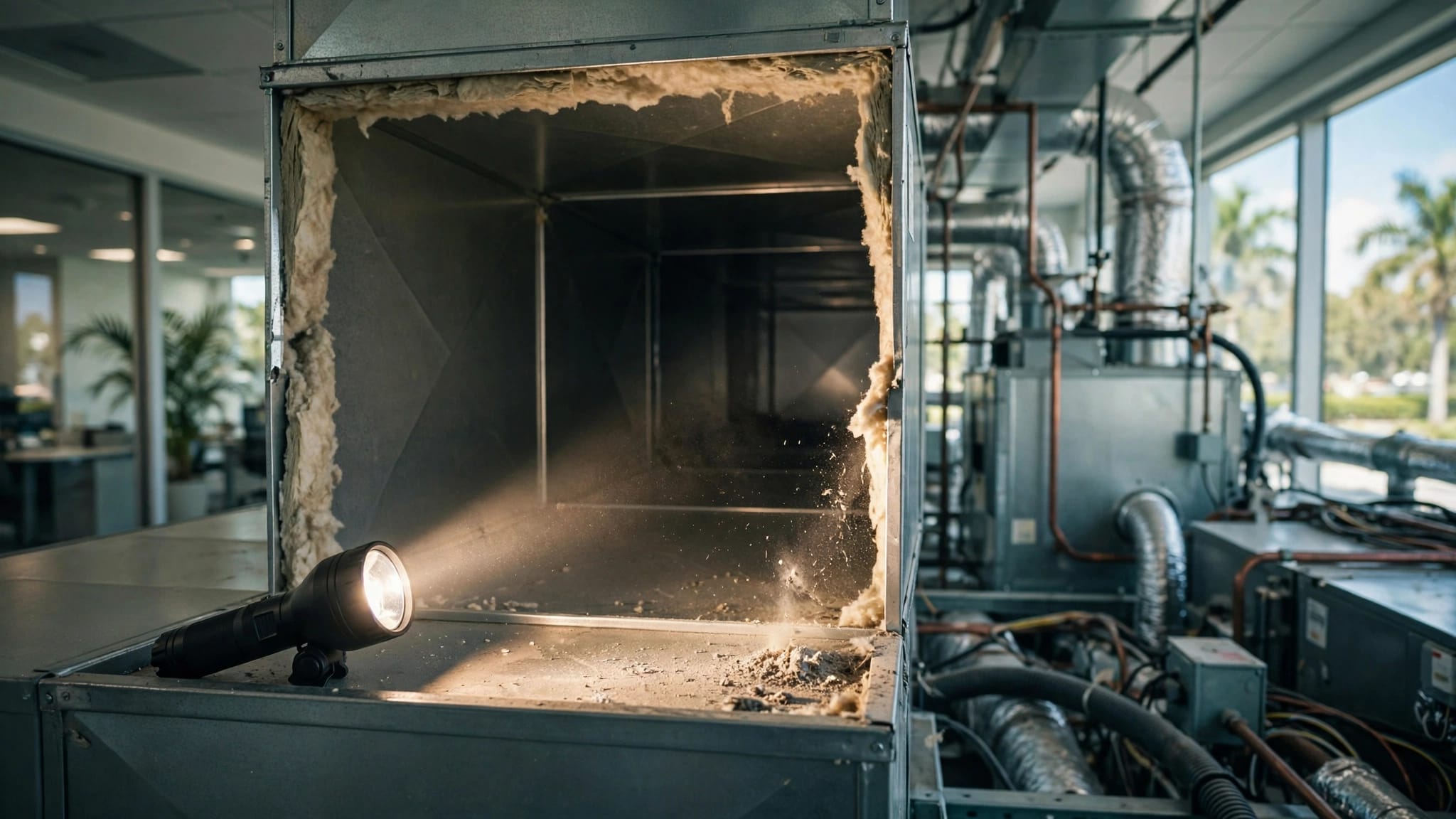
A return grille can collect a surprising amount of gray dust while the route behind it remains out of reach. In Florida, return air chase cleaning means more than wiping a vent cover. The chase may sit behind drywall or above a ceiling, so forcing access can turn basic maintenance into a repair.
Safe care focuses on the surfaces you can see and reach without damaging the HVAC system or the home. Start with a clear understanding of where the return path goes.
What a Return Air Chase Does Inside Your Home
Your HVAC system pulls room air through return grilles. That air passes through the filter and indoor equipment before cooled air travels back through supply vents.
The space behind a return grille may connect to metal ductwork, a plenum, or a framed cavity called a return air chase. Construction varies between homes, and even between different returns in the same house.
A return chase is not always a metal duct
Some Florida homes use a boxed chase to move return air through a wall, ceiling, closet, or soffit. Its edges may include drywall, framing, duct board, insulation, or a short metal connection.
A return chase is also separate from a dryer vent. Dryer vent cleaning requires its own equipment and access route. Don't use dryer vent brushes or long rods inside a concealed HVAC return path.
Concealed areas need a light touch
Behind a grille, you may see only a shallow opening. Farther back, the chase can turn, narrow, or connect to materials you can't identify from the room.
Never cut drywall, pull out insulation, break mastic seals, or push a hose into an unseen cavity. A careful cleaning stops at the accessible edge. That boundary protects the chase and prevents loose debris from getting pushed deeper into the system.
Signs Routine Return Cleaning May Help
Routine return air chase cleaning is appropriate when loose dust is limited to the grille and the first reachable surfaces. A soft layer of dry dust, pollen residue, or hair near the opening often responds well to basic surface cleaning.
Dust on one grille does not prove the entire duct system needs service. Start with the filter and visible return area before assuming a hidden problem exists.
Normal dust has a recognizable pattern
A grille may look dusty after weeks of AC use, especially near entry doors, pet areas, or rooms with open windows. Florida pollen and fine outdoor dust can collect quickly on an active return.
Dry debris that vacuums easily is usually a routine maintenance issue. However, caked material, a lingering odor, damp surfaces, or debris beyond reach calls for a closer inspection.
Dust on a return grille shows what the system is collecting, not the condition of every hidden part of the chase.
Florida weather can add to the load
High indoor humidity can make dust cling to grilles and nearby surfaces. In addition, heavy pollen periods can load filters faster than expected. After wind-driven rain or a major storm, check for water stains, ceiling damage, or debris around accessible return openings.
If clean surfaces become dusty again quickly, a return leak may be pulling air from an attic, garage, or other unconditioned space. Learn more about how return duct leaks affect indoor air quality before treating recurring dust as a simple cleaning problem.
Return Air Chase Cleaning: A Safe Surface Process
The goal is simple: remove loose material from exposed surfaces without wetting, dismantling, or enlarging the chase. Work only where you can stand safely and clearly see what you are cleaning.
Prepare the area before removing the grille
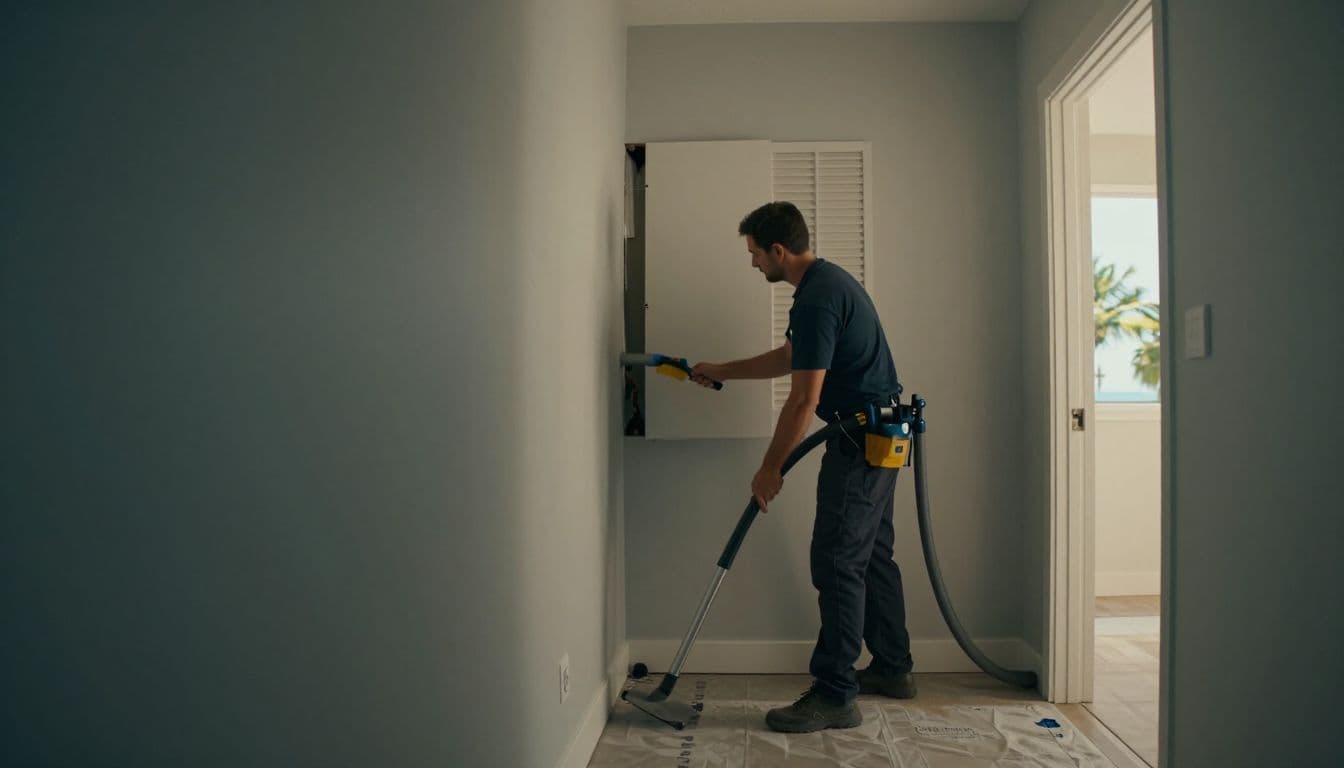
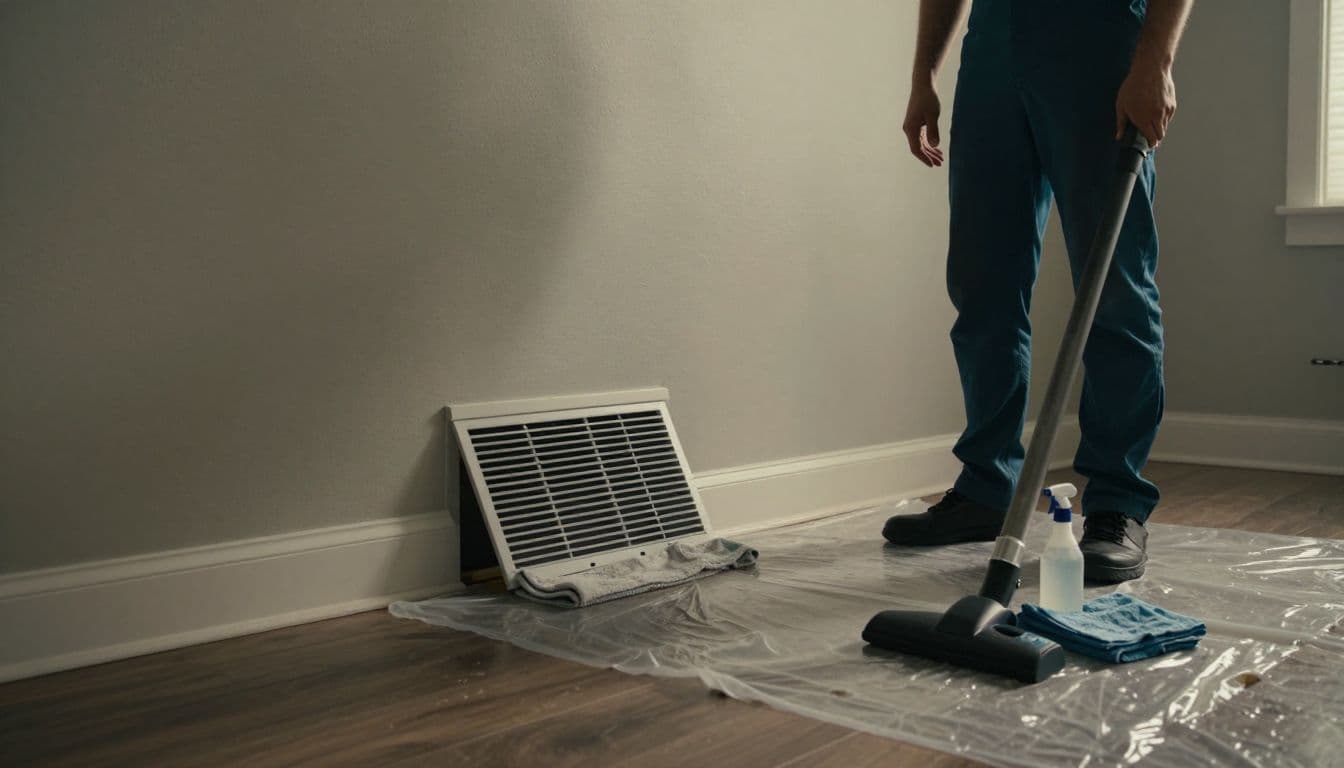
Gather a HEPA-filtered vacuum with a soft brush attachment, a clean microfiber cloth, a drop cloth, and a screwdriver if the grille has screws. Keep a small container nearby for screws.
First, turn off the HVAC system at the thermostat. Wait until the blower stops before opening the grille. Protect the floor and nearby furniture with a drop cloth, since dust can fall as you remove the cover.
Clean accessible surfaces in order
- Remove the grille carefully and set it on the protected floor. If paint, corrosion, or stuck screws resist removal, don't force them.
- Vacuum both sides of the grille with the HEPA-filtered vacuum. Use a soft brush so you don't bend the louvers or scratch the finish.
- Vacuum loose dust from the visible rim and the first accessible portion of the chase. Keep the nozzle near the surface instead of forcing it farther inside.
- Wipe sturdy painted, metal, or plastic surfaces with a damp, well-wrung microfiber cloth. The cloth should feel damp, not wet or dripping.
- Leave fibrous duct liner, insulation, deteriorating drywall, and damp materials alone. Those surfaces can tear, shed, or hold moisture.
- Check the HVAC filter before reinstalling the grille. Replace it if it looks loaded with dust or has reached the manufacturer's recommended interval.
- Reinstall the grille, restore power, and listen for rattling. The return should remain open and unobstructed after cleaning.
For most homes, return air chase cleaning ends at these accessible surfaces. Avoid bleach, disinfectant sprays, fragrance products, compressed air, and unapproved coatings inside a concealed return path.
Keep the Filter and Return Airflow Working Together
A clean grille won't stay clean if the filter is overdue or the return is blocked. The filter captures much of the dust before air reaches the blower and coil, so it deserves regular attention.
Choose a filter your system can handle
Check your filter monthly during periods of heavy AC use. Match the printed size and use a rating your HVAC equipment supports. A denser filter is not always better if it restricts airflow.
For many homes, MERV 8 is a practical starting point for common dust, lint, and larger pollen. Some systems can support MERV 11 or MERV 13, particularly when allergies are a concern. Review the best MERV filter ratings for Florida homes before moving to a higher rating.
Keep return grilles open
Furniture, rugs, laundry baskets, and curtains can restrict a return grille. That restriction can reduce airflow and make rooms feel less comfortable.
Leave several inches of clear space around the grille. Also, don't tape over a return or block it to reduce dust. A blocked return can make the system work harder while doing less useful filtering.
When a Hidden Chase Needs Professional Attention
Stop at routine surface cleaning when something points to moisture, pests, damage, or extensive contamination. A concealed chase isn't a place for trial-and-error repairs.
Moisture, odors, and possible mold need assessment
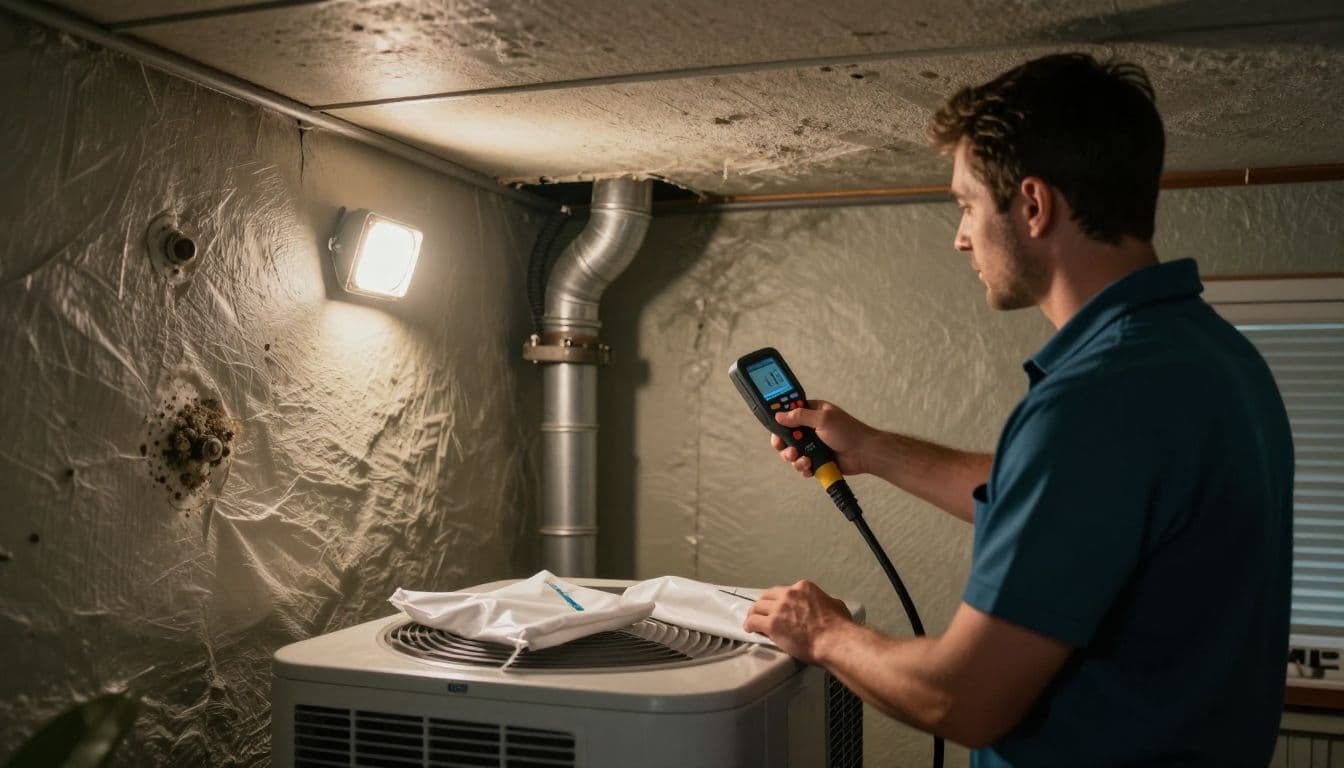
Musty smells, repeated condensation, wet insulation, staining, or material that feels damp deserves professional attention. You can't confirm mold type or safety by appearance alone, and a homeowner shouldn't try to remove possible mold growth inside a hidden cavity.
Don't spray bleach or other chemicals into the chase. Chemical products can add fumes, damage materials, and leave the moisture source unresolved. A proper inspection should identify why the area became damp before anyone recommends cleaning or treatment.
Pest debris and water damage are not DIY dust
Rodent or insect debris, nesting material, standing water, damaged drywall, and storm-related water intrusion all require more than a vacuum at the grille. Avoid disturbing the material, especially if it sits beyond the accessible opening.
A qualified inspection can determine whether the issue involves the chase, ductwork, a return leak, or the air handler's drainage. If dust, dampness, and uneven cooling happen together, consider testing HVAC duct leaks in Florida homes.
Reduce Dust Buildup After Cleaning
A return chase stays cleaner when the home limits what the system pulls in. Simple habits also make it easier to spot a new issue early.
Check accessible returns after storms
After a severe storm, look around return grilles for new ceiling stains, softened drywall, or water marks. Check the filter too, particularly if doors or windows stayed open during cleanup.
Don't push storm debris into the return opening. If you believe water entered the chase or ductwork, leave the system off until a professional can assess the area.
Fix the source when dust keeps returning
A filter that turns dark unusually fast may point to heavy household dust, a loose return connection, or air pulled from an unconditioned space. Cleaning can remove what is present today, but it can't close a gap in the return path.
That is why cleaning cannot fix leaky ducts. Sealing, repair, or targeted duct cleaning may be the better answer when recurring dust has a mechanical cause.
A Safer Way to Care for Hidden Return Paths
A hidden return chase needs caution, not aggressive tools. Remove loose dust from accessible surfaces, keep the filter in good condition, and leave the structure intact.
Moisture, odors, pest debris, visible damage, or recurring dust deserve a closer look. Careful maintenance helps protect your home's airflow without creating new damage.
For help with persistent return-side dust or related ventilation concerns, Get a Free Estimate for air duct or dryer vent cleaning.