

Best HVAC Filter Ratings for Florida Dust and Allergies
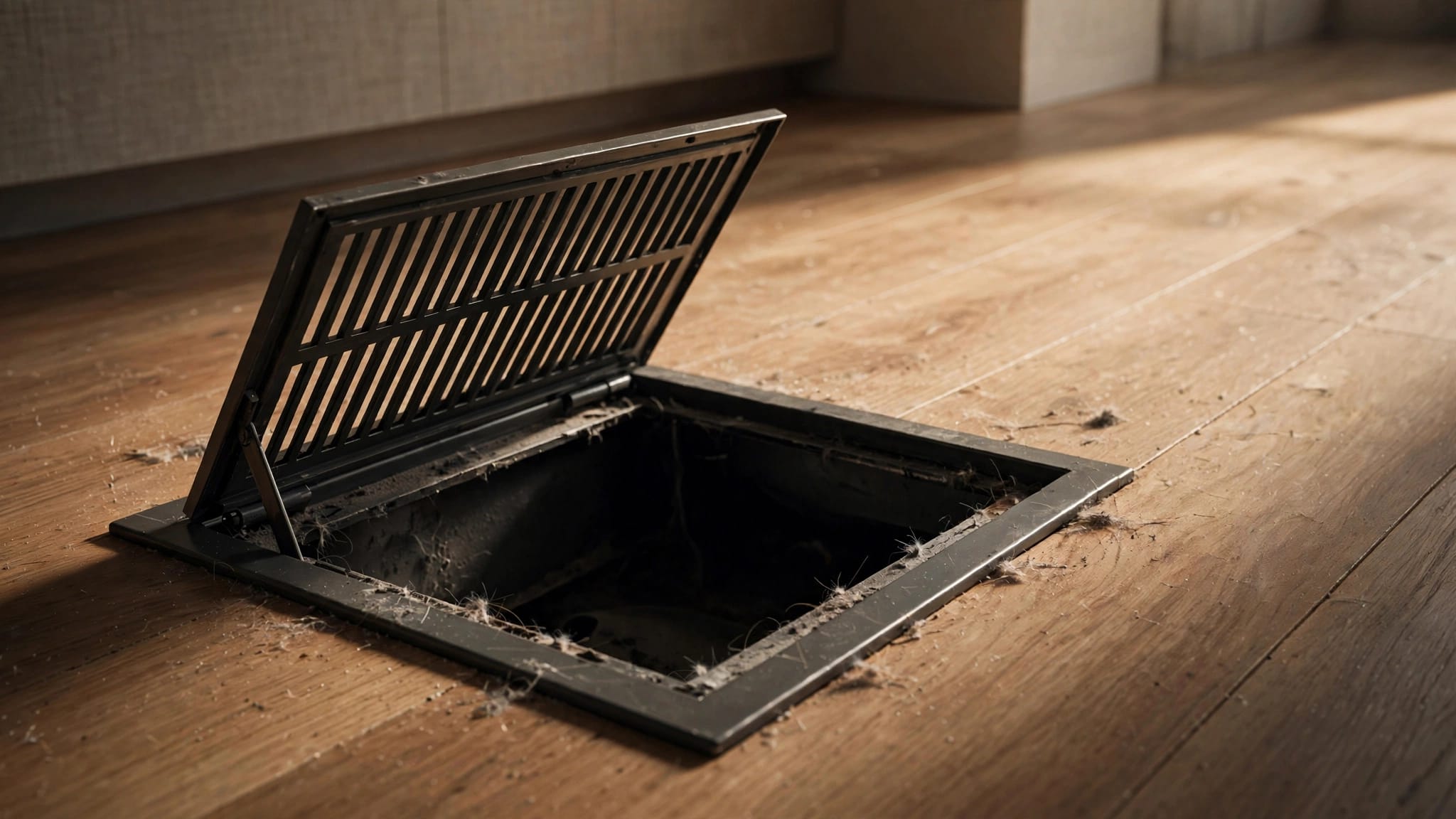
Florida dust has a way of showing up everywhere, on shelves, in vents, and on the filter itself. Add pollen, humidity, and long cooling seasons, and your AC works harder than most people expect.
The right HVAC filter ratings can help keep the air cleaner, but only if the filter fits your system. A weak filter lets more dust pass through, while an overly dense one can slow airflow and make your AC struggle.
Here's how Florida homeowners can choose a filter rating that makes sense for dust, allergies, and real-world system performance.
Why Florida Homes Need a More Careful Filter Choice
Florida homes deal with more than indoor dust. Spring pollen, outdoor grit, sand, and coastal air all find their way inside. Homes across our service coverage areas see the same pattern, too, especially when the AC runs for months at a time.
That mix changes how fast a filter loads up. Dust does not stay loose and dry for long when humidity is high. It clings, clumps, and builds up faster than many homeowners expect.
A filter that looks fine in a cooler climate may clog quickly in Florida. That means the best choice is usually a balance between particle capture and steady airflow. If the air handler cannot breathe, the house may feel stuffy even when the system is running.
Humidity also makes dust more stubborn. Fine particles stick to return grilles, filters, and coil surfaces more easily. So a filter rating should be chosen with Florida conditions in mind, not just the number on the package.
MERV, MPR, and FPR Explained Without the Guesswork
Not every filter rating uses the same scale. That is where a lot of confusion starts.
MERV is the most common and most useful standard for homeowners. It stands for Minimum Efficiency Reporting Value, and it gives a clear way to compare filters across brands. Higher MERV numbers usually mean finer filtration.
MPR and FPR are different. They are proprietary rating systems used by certain brands and stores. They can still help you compare filters within that line, but they do not translate cleanly to MERV.
Here's a quick side-by-side view.
| Rating system | What it tells you | Best use |
|---|---|---|
| MERV | Industry standard for particle capture | Best universal comparison |
| MPR | Proprietary brand rating | Compare within the same brand line |
| FPR | Proprietary store rating | Compare similar store-brand filters |
The big takeaway is simple. MERV is the easiest rating to use when you want a clear, honest comparison. MPR and FPR can be helpful, but they are better for shopping inside one brand family.
A filter rating only helps when the system can still move air freely.
Best HVAC Filter Ratings for Dust and Allergy Control
Once you understand the scales, the real question becomes this: which rating fits your home?
MERV 8 works well for basic dust control
For many Florida homes, MERV 8 is a solid starting point. It catches common dust, lint, and larger pollen without putting too much strain on most residential systems. If your home has older equipment or smaller return openings, MERV 8 is often the safest choice.
It will not capture every tiny particle, but it does a good job of keeping everyday debris under control. For many families, that means cleaner vents, less buildup on furniture, and fewer dusty surprises after the AC kicks on.
MERV 11 to 13 can help allergy-sensitive homes
If allergies are a real issue, MERV 11 or MERV 13 may be a better match, as long as your system supports it. These filters trap smaller particles than MERV 8, which can help with pollen, pet dander, and some finer dust.
That extra filtration can make a difference in homes where people are sensitive to airborne particles. Still, the filter has to fit the system. A tight fit matters, because air will always look for an easier path around a poor seal.
Higher is not always better
It is tempting to assume that the highest number is the best choice. In HVAC, that is not always true. A filter with more resistance can reduce airflow enough to create new problems.
In Florida, that matters even more because cooling runs so often. A filter that forces the blower to work too hard can lead to uneven cooling, longer run times, and more stress on the system.
A good filter choice should protect the home and still let the equipment do its job.
Why a Stronger Filter Can Create New Problems
A dense filter can trap more particles, but it also asks more from the blower. If the airflow drops too far, the AC may struggle to cool the house evenly. In some systems, restricted airflow can even contribute to coil icing.
Florida cooling seasons are long, so this problem adds up faster. A filter that loads with dust in a few weeks may start restricting air sooner than expected. Once that happens, the system can use more energy and still deliver less comfort.
Filter thickness matters too. A 1-inch filter has less surface area than a deeper media filter, so it may clog faster. That does not mean deeper is always better, but it does mean the whole setup matters, not just the printed rating.
If your home feels damp, dusty, or unevenly cooled, the filter may be part of the issue. Sometimes the problem is a mismatch between the filter and the air handler. Other times, the filter is doing its job while the ducts, return path, or blower are carrying the extra load.
That is why the highest MERV number is not the finish line. The best choice is the one your system can move air through without strain.
How to Pick the Right Filter for Florida Conditions
A practical choice usually starts with how your home feels day to day. If dust is the main issue and your system is older, MERV 8 is often enough. If allergies are a bigger concern and your equipment can handle it, MERV 11 or MERV 13 may be worth the upgrade.
A few simple checks help narrow it down:
- If airflow already feels weak, stay on the lower side until the system is checked.
- If allergy symptoms are bad, and the unit supports it, move up to MERV 11 or MERV 13.
- If the filter gets dirty fast, look for duct leaks, return issues, or heavy indoor dust before jumping to a denser filter.
Florida homeowners should also check filters more often than many packages suggest. Monthly checks are smart during peak cooling months. Many homes need a change every 30 to 60 days, while homes with pets, remodeling dust, or allergy concerns may need one sooner.
If the filter keeps clogging, the problem may be bigger than the rating. Dust in the ducts, gaps in the return path, or buildup in the blower can all add to the load. That is where the rest of the system starts to matter as much as the filter itself.
If you want help sorting out dust, airflow, or a filter that keeps loading too fast, Get a Free Estimate.
Conclusion
For Florida homes, the best filter rating is the one that keeps dust down without choking airflow. MERV 8 is a smart starting point for basic dust control, while MERV 11 to 13 can work well for many allergy-sensitive homes when the system can handle it.
MERV is the most useful standard to compare, because it is widely recognized and easier to read than MPR or FPR. That simple step can save you from buying a filter that looks stronger on paper but works worse in the house.
When Florida dust, pollen, and humidity all hit at once, the right filter rating makes the whole system easier to live with.