Should You Close Air Vents in Unused Rooms?

Adkins Duct Cleaning • May 14, 2026

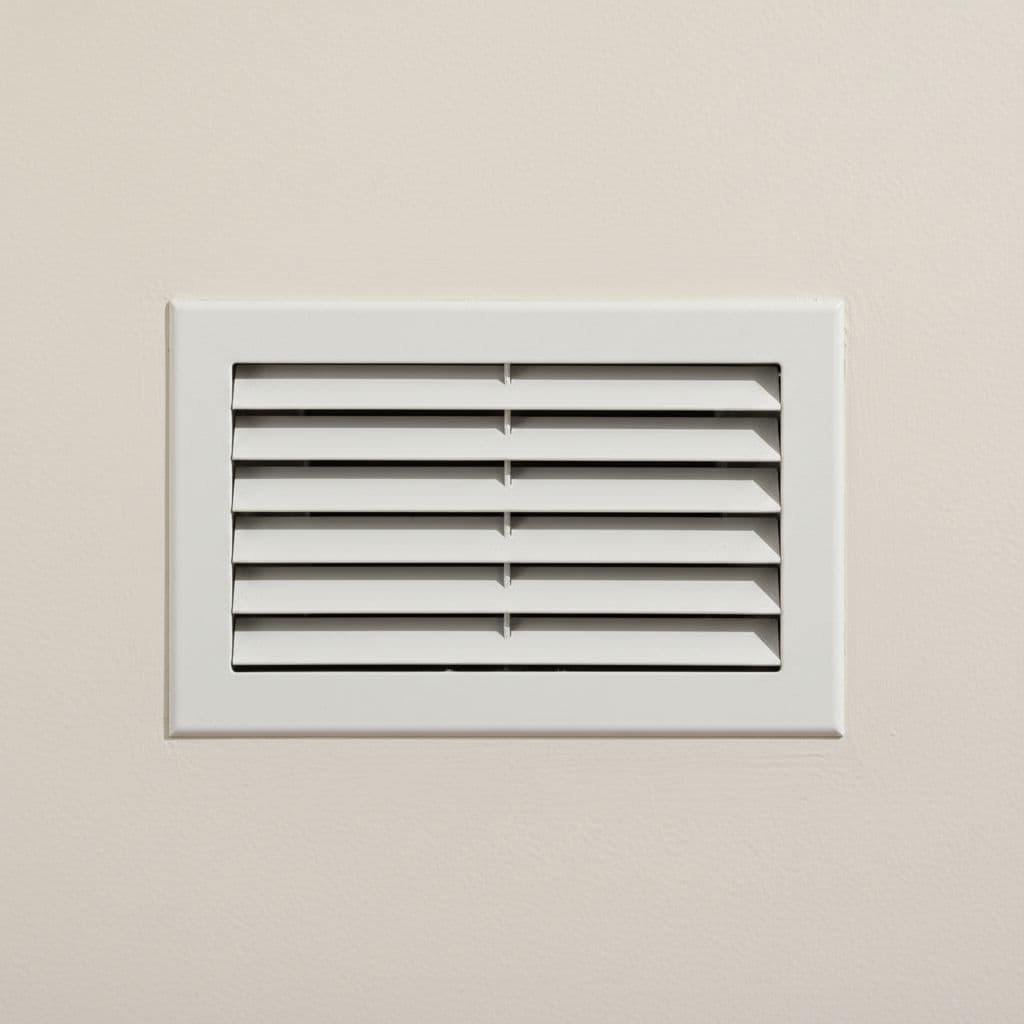
Usually, no, you shouldn't close air vents in unused rooms on a standard central forced-air system. It may look like an easy way to save money, but it can upset airflow, raise pressure in the ductwork, and make the furnace or AC work harder.

One closed vent may not cause much trouble. Several closed vents can change how air moves through the whole house, which can hurt comfort and efficiency. The best answer depends on the system, so the details matter.

Why Closing Air Vents Often Backfires

A central HVAC system is built to move a certain amount of air. When you close a supply vent, that air doesn't disappear. It meets more resistance, and the pressure inside the ducts rises.

That extra pressure can lead to whistling sounds, weak airflow in other rooms, and less even temperatures. It can also reduce airflow across the evaporator coil or heat exchanger, which affects how well the system cools or heats.

In plain terms, the equipment has to work against a tighter path. The load doesn't go away, it just gets harder to move.

When airflow drops too far, the house often feels less stable. One room may feel stuffy while another gets too much air. In humid climates, that uneven flow can also make moisture control less reliable.

Closing vents doesn't save air, it shifts the pressure problem somewhere else.

Closing One Vent vs. Several

How many vents you close matters. A single vent in a guest room may have a small effect. Several closed vents can change the system enough to create real comfort problems.

Here's a quick comparison:

Situation Likely effect Better approach
One vent closed for a short time Small change in airflow Leave it open if possible
A few vents closed in different rooms More pressure, more imbalance Balance the system instead
Many vents closed or an entire floor shut down Higher strain, weaker comfort Ask an HVAC pro to check the setup

A few closed vents are different from shutting many because the system reacts as a whole. If too much air is blocked, the blower and ducts lose the balance they were built for.

That balance matters even more if your home has long duct runs, a small return, or older ductwork. In those cases, the system may already be working near its limit.

Signs Your HVAC System Is Fighting the Change

If closing vents is causing trouble, the clues usually show up fast. You may hear the system get louder, or notice that some rooms no longer match the thermostat setting.

Watch for these signs:

  • Whistling or rattling at the vents
  • Hot or cold rooms that never seem to settle
  • Longer run times and higher energy bills
  • Weak airflow from vents that used to feel fine

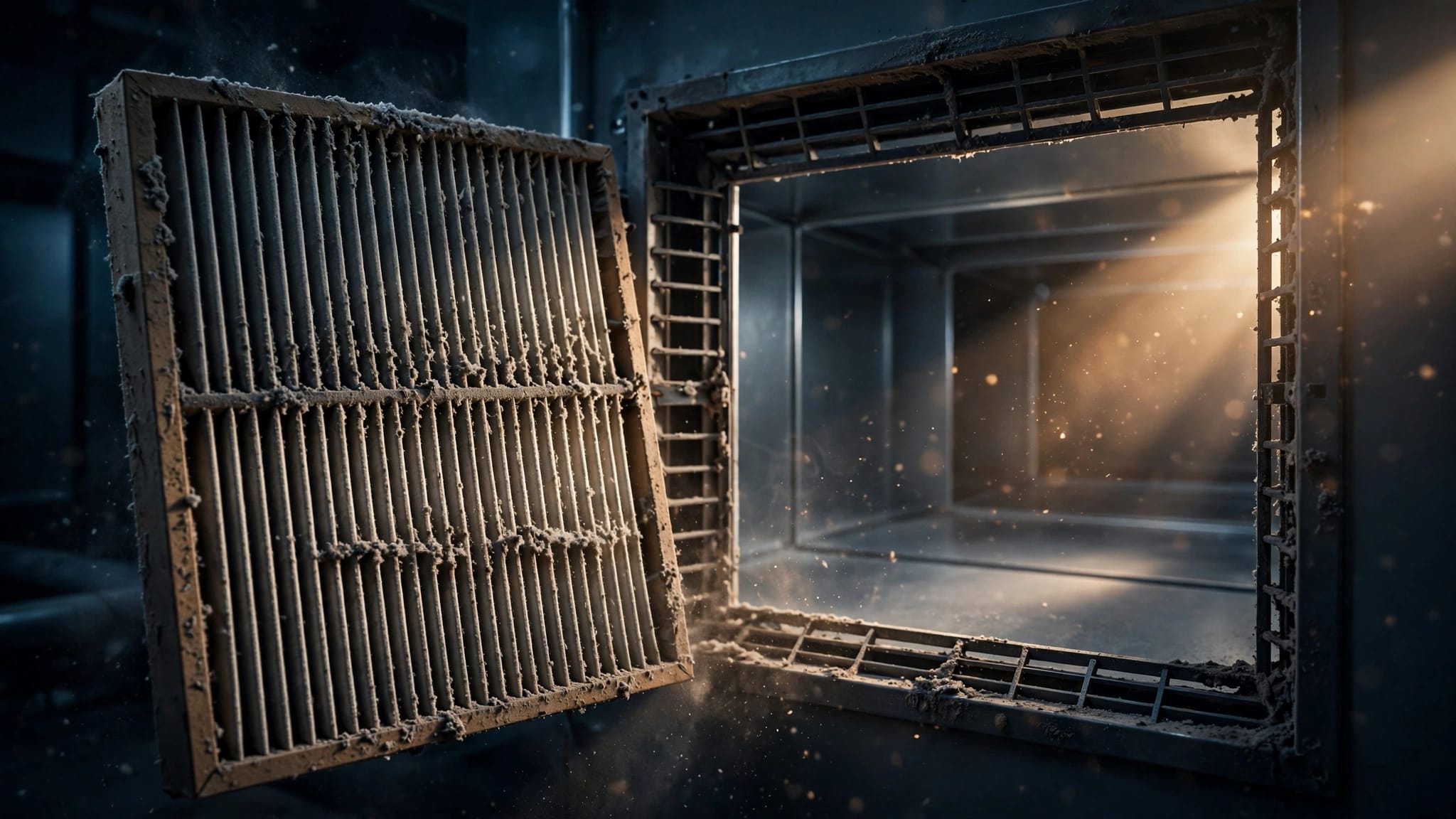
Dust can also become more noticeable when airflow is off. In Florida homes, moisture problems can show up too, including rust around the grille. That can point to condensation or airflow trouble, and it's covered in what rust around air vents means in Florida homes.

If the system feels strained after you close a vent, that is a sign to reopen it. Small changes should make small differences. If they do not, the ducts likely need attention.

When Closing a Vent Can Make Sense

There are times when closing an air vent is acceptable, but those cases are limited. Professionally designed zoned systems are the clearest example. They use dampers and controls that are meant to direct airflow on purpose.

That setup is different from guessing with a supply register in a spare room. The system is designed around zoning, so the blower and ductwork can handle the shift.

A manual vent may also be fine for a short stretch, such as when a room is unused for a few days. Even then, it should stay a temporary move. If you keep it shut for months, you should ask whether the system has enough return air and proper balancing.

The safest rule is simple. If the home was not built for zoning, don't treat the vents like on-off switches. Let an HVAC professional check the layout first.

Better Ways to Cut Waste and Keep Rooms Comfortable

If your goal is lower bills, closing vents is usually not the best fix. Air leaks, weak insulation, and poor duct balance do more damage to efficiency than one open guest room.

These steps usually help more:

  • Seal gaps around attic access points, doors, and windows
  • Add insulation where the home loses heat or cool air
  • Seal and insulate ducts in hot or leaky spaces
  • Adjust dampers or registers with help from a pro
  • Use thermostat settings and ceiling fans wisely
  • Keep up with HVAC maintenance and clean filters

If uneven airflow is part of the problem, the ductwork may need cleaning or sealing before anything else changes. A simple Get a Free Estimate can help you figure out whether the issue is airflow, dirt, leaks, or all three.

Conclusion

For most homes with standard central heating and cooling, you should avoid closing air vents in unused rooms. It can raise static pressure, reduce comfort, and make the furnace or AC work harder than it should.

The better fix is usually in the house itself, not at the register. Air sealing, insulation, duct sealing, balancing, thermostat changes, and regular HVAC care do more for efficiency and comfort.

If your system is zoned, or if some rooms already feel off, an HVAC professional can tell you whether any vent should stay shut.

By Adkins Duct Cleaning May 13, 2026
A duct camera inspection can clear up a lot of guesswork, but it doesn't tell the whole story by itself. It gives you a direct look inside parts of your HVAC system that are usually hidden, which is useful when rooms feel dusty, air feels stale, or some spaces never stay comfo...
By Adkins Duct Cleaning May 12, 2026
A new AC is a big purchase, and duct cleaning often gets bundled into the conversation. That does not mean it belongs in every install. In many homes, the smarter first step is a close look at the ductwork, then cleaning only if there is a real problem. The biggest issues befo...
By Adkins Duct Cleaning May 11, 2026
Hiring the wrong crew can cost more than money. A rushed duct job can leave half the system untouched, or leave you with a vague invoice and no proof of what changed. A good air duct cleaning company should answer direct questions without getting defensive. That matters for ho...