Dryer Vent Cleaning for Second-Floor Laundry Rooms
A second-floor laundry room can make everyday chores easier, but its dryer vent may be harder to inspect and clean. Dryer vent cleaning removes lint and debris from the duct, helping hot, moist air leave the home as designed.
The main warning signs are longer drying cycles, unusually hot clothing, a warm laundry room, or weak airflow at the exterior vent. These symptoms don't always mean a serious problem, but they deserve attention before the dryer works harder than it should. Start by understanding why an upstairs vent needs a closer look.
Why Second-Floor Dryer Vents Need Special Attention
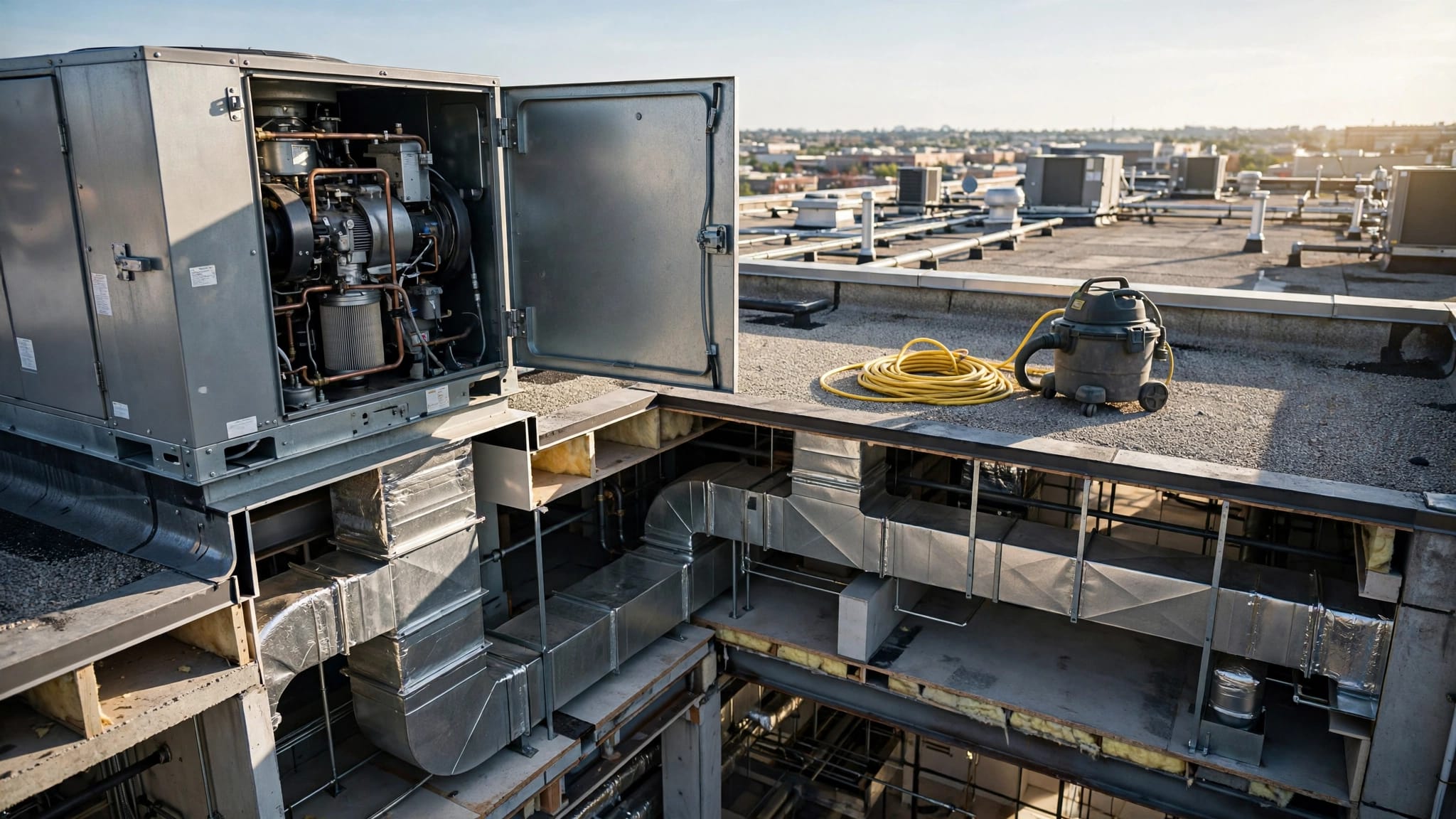
A first-floor dryer often sits close to an exterior wall. In contrast, a second-floor laundry room may connect to a vent that travels through a wall, ceiling, attic, or roof before reaching the outside. Each added foot and bend gives lint more places to settle.
The laundry room location isn't automatically unsafe. The concern is access. When a vent runs through hidden spaces, you may not see the buildup from the dryer connection or the exterior hood.
Longer vent paths hold more debris
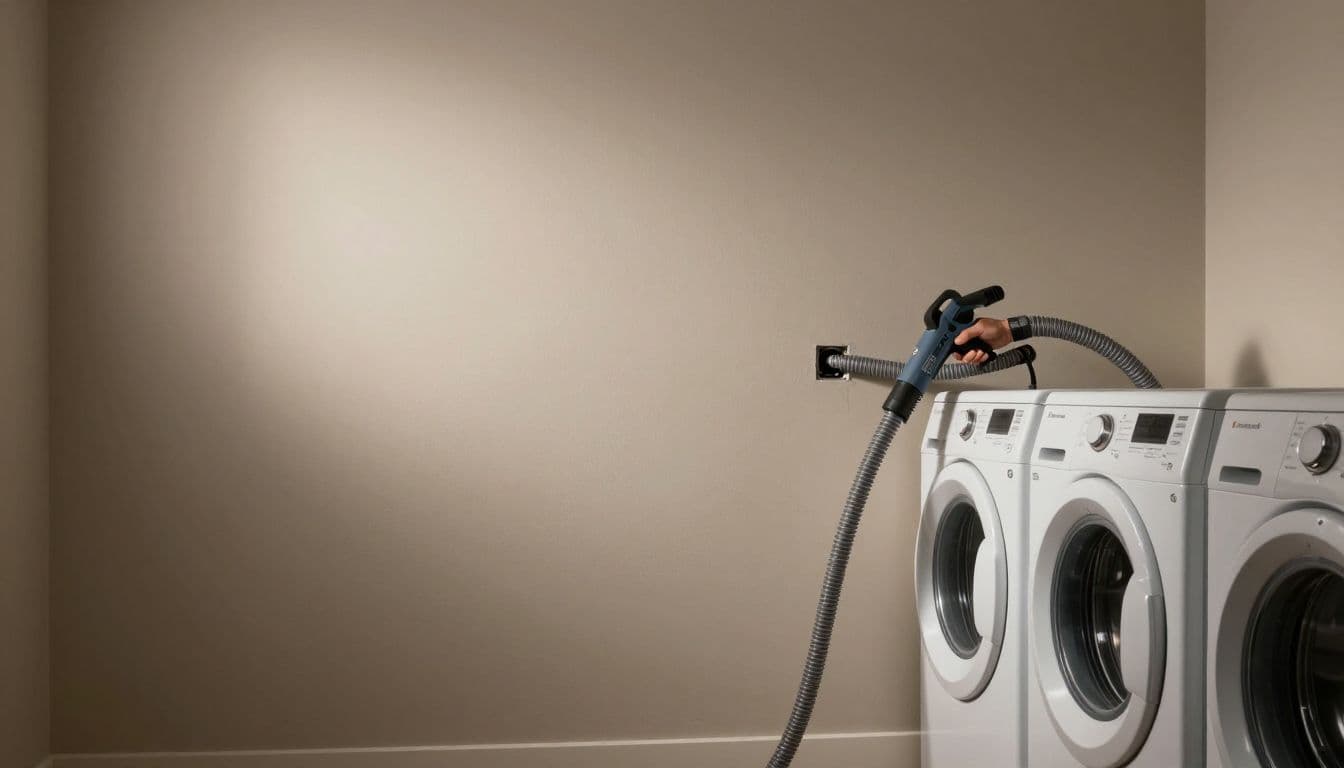
Dryer vents work best when they are short, direct, and properly supported. A long route can reduce airflow, especially when it includes sharp turns, crushed sections, or low spots.
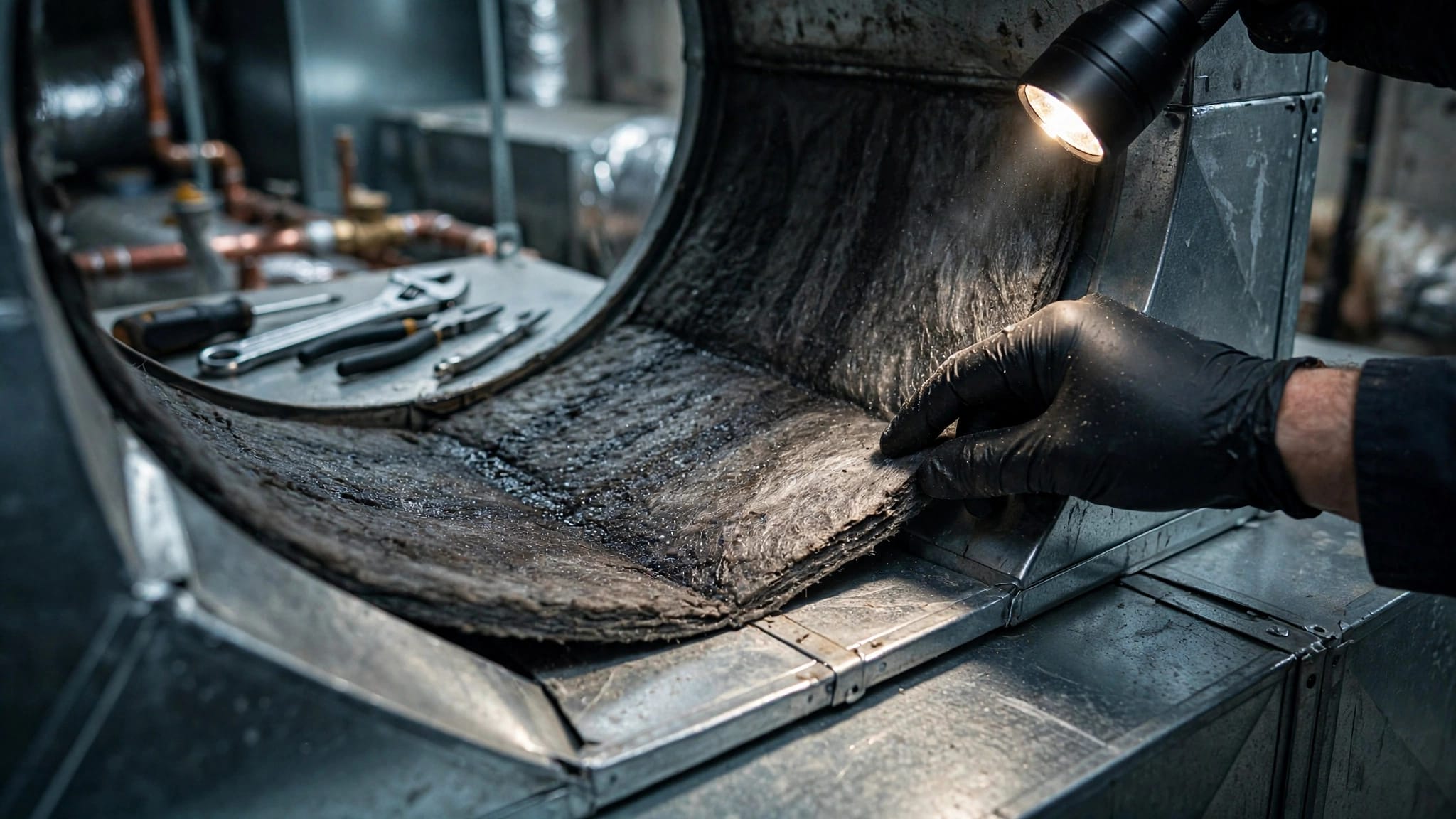
Lint may collect near bends and joints. Over time, the material can narrow the passage and make it harder for exhaust air to move outside. Flexible duct sections can also sag behind the appliance, creating areas where debris gathers.
Most residential dryers connect to a 4-inch vent opening, but the complete route may include several different materials and connections. A professional inspection checks the entire path instead of focusing only on the short section behind the dryer.
Exterior access may require extra care
The outside termination might be on a second-story wall, under an eave, or through the roof. Reaching it with a ladder can create a fall risk, especially on uneven ground or wet surfaces.
Some exterior vent covers also stick shut because of lint, paint, corrosion, or nesting material. If the flap doesn't open during a drying cycle, the restriction may be at the termination rather than near the appliance. A technician can inspect the opening without asking you to climb or reach into an unsafe area.
How Dryer Vent Cleaning Affects Airflow and Heat
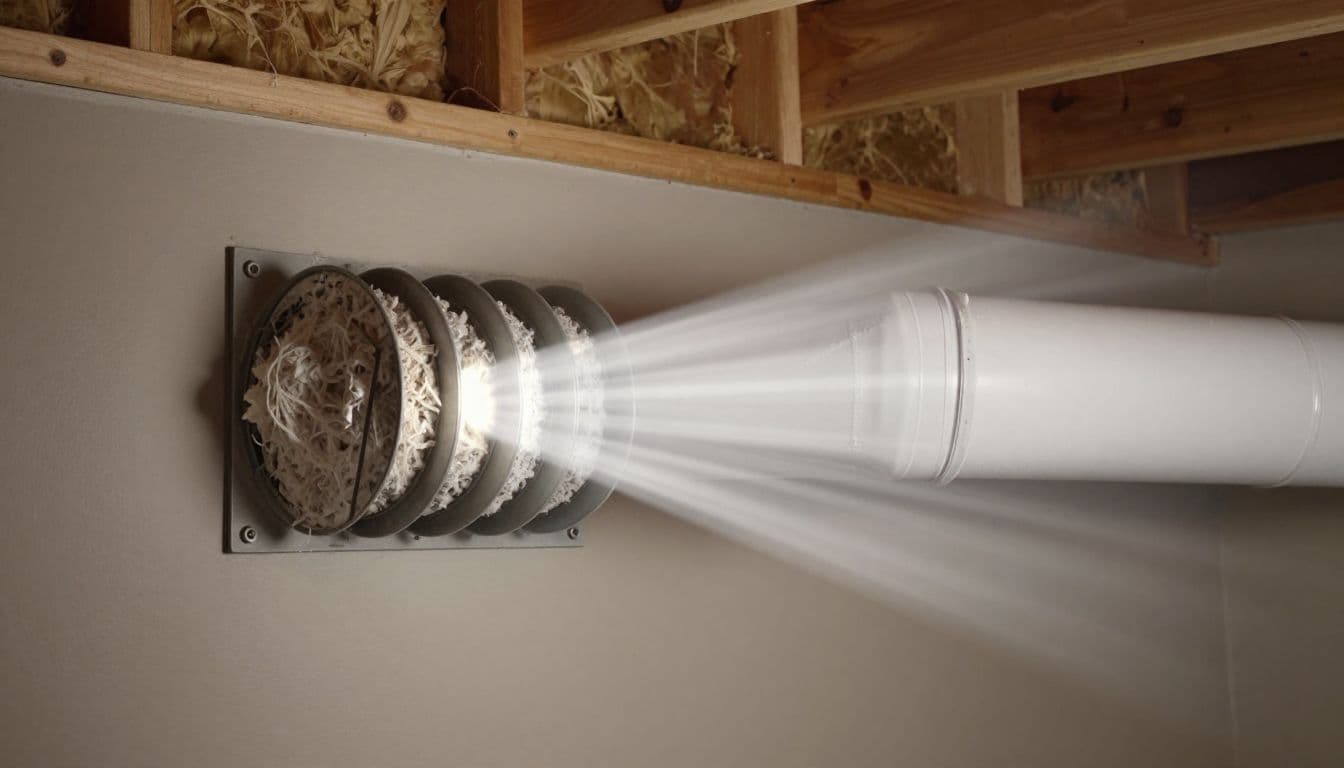
A dryer removes moisture by pushing warm air through clothing and out through the vent. When lint restricts that route, the dryer has to run longer to finish the same load.
That extra runtime can raise energy use and put more strain on components such as the heating system and motor. Cleaning won't fix every dryer problem, but it removes one common cause of poor exhaust airflow.
Watch for changes in drying performance
Pay attention when a normal load suddenly takes much longer. Towels may still feel damp at the end of a full cycle, or clothing may come out hotter than usual.
Other signs include:
- The dryer shuts off before clothes are dry.
- The laundry room feels hotter or more humid during a cycle.
- Little air comes from the exterior vent.
- The outside flap barely moves while the dryer runs.
- Lint collects around the indoor connection or exterior opening.
- The dryer needs two cycles for loads that used to finish in one.
A clogged lint screen can cause similar symptoms, so clean that screen before drawing conclusions. If the problem continues, inspect the vent system rather than replacing the appliance immediately.
A clean lint screen protects the dryer, but it doesn't remove lint that has traveled into the duct behind the machine.
Understand the fire risk without panic
Lint is light, dry, and combustible. When airflow drops, hot exhaust may remain in the system longer, while accumulated lint provides additional fuel. This combination can increase fire risk.
That doesn't mean every slow dryer is about to catch fire. It does mean a restricted vent deserves prompt attention, especially when the dryer feels excessively hot or the exterior vent shows little airflow.
Never keep running the appliance when you smell burning, see smoke, notice scorching, or hear unusual electrical sounds. Turn it off, unplug it if you can do so safely, and arrange an inspection.
What Happens During Professional Dryer Vent Cleaning
A proper service visit should address the full vent route, not only the lint screen housing. The exact method depends on the dryer type, duct material, length, and location of the exterior termination.
A typical process includes these steps:
- The technician checks the dryer and vent connection. The appliance is turned off and disconnected as needed. The technician looks for crushed ducting, loose joints, damaged materials, and signs of overheating.
- The vent route is assessed. The inspection identifies the likely path through the wall, ceiling, attic, or roof. This step matters in second-floor laundry rooms because much of the duct may be hidden.
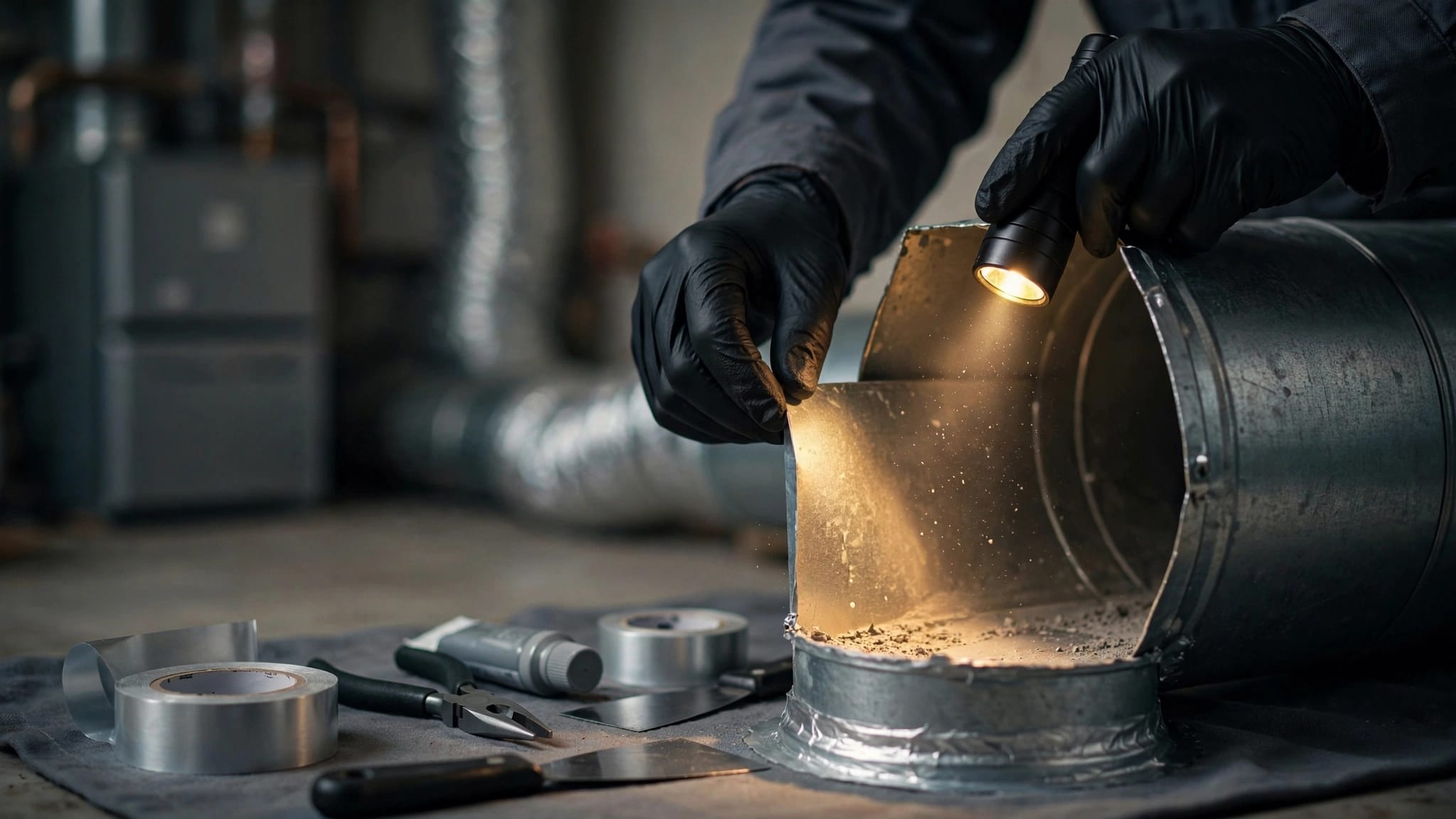
- Lint is loosened with professional equipment. A rotating brush, high-powered vacuum, or combination of both removes debris from the duct. The equipment should match the duct material and layout.
- The exterior termination is cleaned. The outside hood, flap, and nearby opening are cleared. The technician checks whether exhaust air can leave the home without obstruction.
- The system is reconnected and tested. The dryer is returned to position, connections are secured, and airflow is checked during operation. A final test can reveal a remaining restriction or a damaged section that needs repair.
For Florida homeowners, heat and humidity can make poor ventilation more noticeable. If you want a closer look at the process, what to expect during dryer vent cleaning covers the inspection, lint removal, and airflow testing involved in a typical visit.
When DIY Cleaning Is the Wrong Choice
Homeowners can handle basic upkeep, but second-floor vent systems often create limits. A short, accessible duct may be simple to inspect. A concealed or elevated route requires more planning and safer equipment.
Skip DIY work when the route is hidden or hard to reach
Call a professional when the duct runs through walls, ceilings, an attic, or a roof. You should also avoid the job if the exterior hood is above a safe ladder height or located where you can't stand securely.
Professional help is also appropriate when:
- The duct is crushed, disconnected, or made from damaged material.
- You find plastic ducting or excessive flexible ducting.
- Lint remains after you clean the accessible sections.
- The vent route has several bends or appears unusually long.
- A gas dryer has a damaged connection or combustion concern.
- You smell burning or find dark marks near the dryer.
- Moving the appliance could damage flooring, walls, or utility connections.
A household vacuum attachment may remove loose lint near the opening, but it may not reach the full duct. Pushing a brush too far can also disconnect a joint inside the wall and leave lint where you can't see it.
Keep basic maintenance within safe limits
You can clean the lint screen before or after every load. You can also check that the outside flap opens while the dryer runs, as long as you can view it from the ground or another secure location.
Don't operate the dryer with the vent disconnected. Don't use a damaged duct as a permanent solution, and don't reach into a roof or wall opening without the right access and protective equipment.
A Practical Safety Checklist for Upstairs Dryers
Use this short checklist during routine home care:
- Clean the lint screen after every load.
- Remove visible lint from the screen housing with a narrow brush or vacuum attachment.
- Keep boxes, clothing, and cleaning supplies away from the dryer.
- Confirm that the dryer sits level and the vent connection isn't crushed.
- Check the exterior flap for movement during a cycle.
- Watch for longer cycles, excess heat, or a burning odor.
- Stop using the dryer if smoke, scorching, or electrical problems appear.
- Arrange professional dryer vent cleaning when the duct is hidden, long, or difficult to access.
- Keep the area around a gas dryer free of flammable storage.
- Have damaged duct sections repaired instead of covering them or taping over the problem.
This checklist can catch changes early, but it doesn't replace a full inspection when the vent route disappears behind finished surfaces.
How Often Should a Second-Floor Vent Be Cleaned?
Many homes benefit from professional cleaning at least once a year. A shorter interval may make sense when your household runs several loads each week, washes bulky bedding often, or has a long vent route with multiple bends.
Don't wait for a calendar reminder if the dryer starts taking longer. Performance changes are useful clues, even when the outside vent still appears clean.
Build simple habits between service visits
Clean the lint screen every time, including small loads. If residue from dryer sheets or fabric softener makes the screen feel coated, wash it with warm water and mild soap. Let it dry fully before putting it back.
Once a month, look behind the dryer without forcing it forward. Check for a crushed connection, unusual dust, or a gap where the duct meets the appliance. If the dryer is stacked or tightly installed, ask for help instead of pulling it out alone.
Keep the exterior vent area clear of leaves, mulch, stored items, and other debris. In coastal Florida, salt air and outdoor moisture can also affect metal components over time, so visible rust or a sticking flap deserves inspection.
Schedule service when the signs return
A clean vent should allow steady exhaust airflow and normal drying performance. When those conditions change, schedule an inspection before the appliance develops more strain.
Adkins Duct Cleaning provides Get a Free Estimate for dryer vent and air duct cleaning in Fort Myers and across Florida's Gulf Coast, including areas between Naples and Tampa. A technician can review the vent layout, access concerns, and cleaning needs for your home.
Conclusion
Second-floor laundry rooms deserve special attention because their dryer vents often travel farther and remain hidden behind walls, ceilings, attics, or roofs. Lint buildup can restrict airflow, increase drying time, raise heat, and add unnecessary fire risk.
Clean the lint screen after every load, watch for performance changes, and avoid unsafe ladders or concealed duct work. When access is difficult, professional dryer vent cleaning helps restore airflow and gives you a clearer picture of the system's condition.