Do Heat Pump Dryers Need Dryer Vent Cleaning?
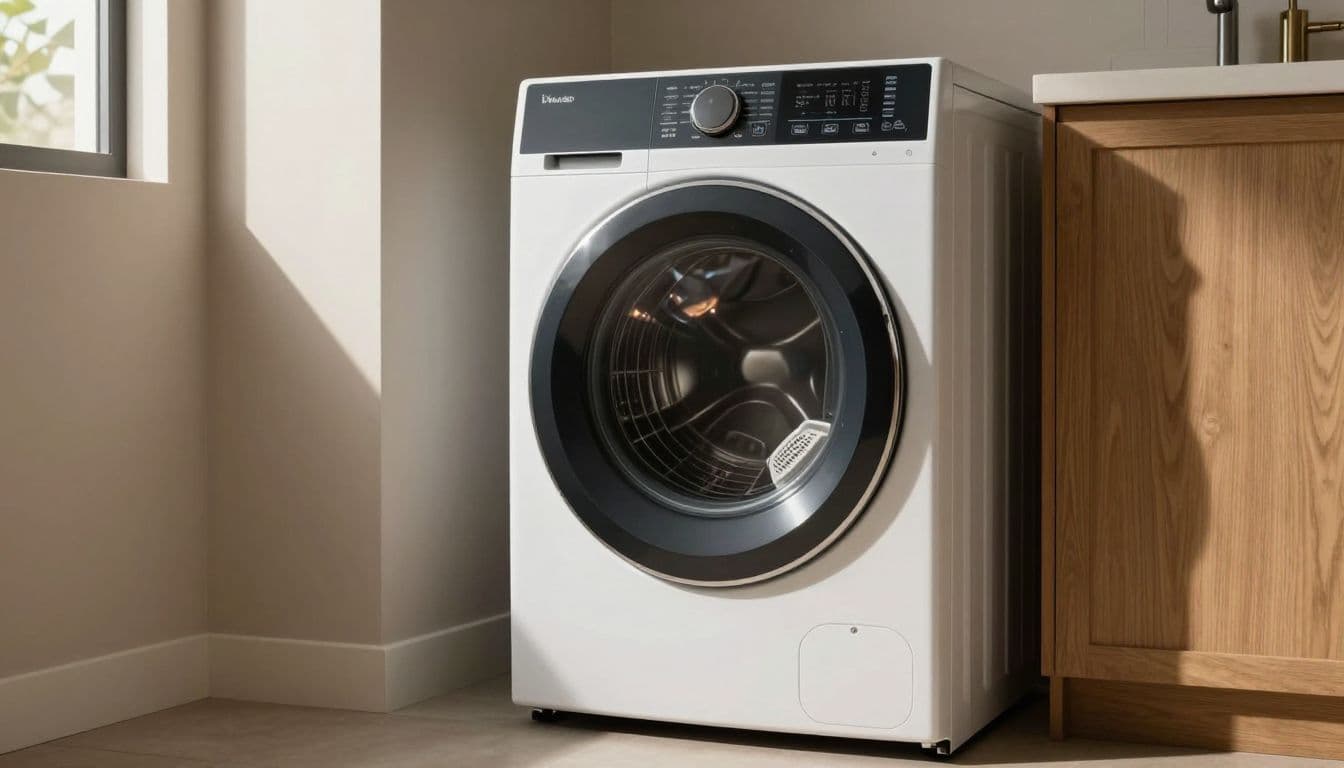
A heat pump dryer can dry clothes without sending hot, damp air through a duct to the outdoors. That design changes the maintenance question, especially if you've always scheduled annual cleaning for a conventional dryer.
If you're searching for heat pump dryer vent cleaning , first confirm whether your appliance has an exterior exhaust connection. Most residential heat pump dryers are ventless, so they need careful filter, heat-exchanger, and condensate-system maintenance instead. The owner's manual determines the exact routine.
When does heat pump dryer vent cleaning apply?
Usually, a heat pump dryer doesn't need traditional dryer vent cleaning because it doesn't use an exterior exhaust duct. It recirculates air through the drum, removes moisture through condensation, and sends the drier air back through the system.
Most heat pump dryers are ventless
A standard electric or gas dryer pushes heated air through a vent line. Lint can collect inside that line and restrict airflow. Heat pump models generally keep the air inside the appliance, while condensed water flows into a tank or drain hose.
That means a vent cleaning company can't clean an exterior duct that your appliance doesn't have. However, lint can still collect around internal filters, the heat exchanger, fan, and air passages.
Check the model before booking service
Don't rely on the appliance name alone. Read the installation section of your manual or check whether the dryer has an exhaust hose or duct connected to an outside opening.
Some models have different installation requirements, including optional drainage connections or special airflow components. If the manual lists an exhaust route, follow its instructions for inspection and cleaning. When the setup is unclear, a qualified appliance technician can identify the system safely.
What maintenance does a heat pump dryer need?
Heat pump dryers need regular homeowner maintenance even without an exterior vent. Small amounts of lint and fabric dust can reduce airflow through the appliance, while a full water container can stop a cycle or trigger an alert.
Clean the lint filters after each load
Most manufacturers recommend cleaning the primary lint filter after every load. Remove the lint by hand or with a soft brush, then follow the manual's instructions for occasional washing.
Some heat pump dryers have a second filter near the lower access area. Clean it at the interval listed by the manufacturer. Before reinstalling a washable filter, let it dry fully. A damp filter can restrict airflow and allow moisture to remain inside the machine.
Also, vacuum loose lint around the filter opening. Avoid sharp tools that could damage the filter housing or internal components.
Maintain the heat exchanger and condensate system
The heat exchanger, sometimes called the condenser, may require periodic cleaning. Access varies by brand. Some units allow homeowners to rinse or brush the component, while others use automatic cleaning systems or require technician service.
Empty the water container when the dryer requests it, unless the appliance drains through a properly installed hose. Check the drain hose for kinks, leaks, or loose connections. Never spray water into control panels or electrical areas.
A longer cycle in a heat pump dryer often points first to a dirty filter, restricted heat exchanger, or drainage problem, rather than an exterior vent blockage.
How often should heat pump dryer maintenance happen?
The best schedule comes from the manufacturer, but a simple routine works for most households. Clean the lint filter after every load, check visible air passages regularly, and inspect the heat exchanger at the interval listed in the manual.
Adjust care for laundry volume
A household that runs several loads each day creates more lint than a home that uses the dryer once a week. Pet bedding, towels, fleece, and high-shed fabrics can also fill filters faster.
Watch the appliance's warning lights and prompts. If a filter alert appears repeatedly after cleaning, the problem may sit deeper in the air path. Don't ignore recurring alerts or reset them without finding the cause.
Schedule professional service when needed
Heat pump dryer vent cleaning isn't a standard annual task for a ventless model. Professional appliance cleaning or inspection may still be appropriate when internal components are difficult to reach, the dryer shows repeated airflow warnings, or performance declines despite normal filter care.
If you own a conventional vented dryer in another laundry area, that separate exhaust line still needs its own maintenance schedule. Florida homes with heavy laundry use, long duct runs, or past airflow problems may need service more often than homes with short, accessible routes. See what to expect during dryer vent cleaning before scheduling an inspection.
What signs suggest an airflow problem?
A heat pump dryer can keep running while an internal restriction develops. Pay attention to changes instead of waiting for the machine to stop completely.
Common warning signs include:
- Clothes stay damp after the normal cycle ends.
- Drying times become longer without a change in load size.
- The dryer displays a filter, airflow, heat exchanger, or drainage warning.
- The filter becomes heavily coated soon after cleaning.
- Water remains in the container, leaks onto the floor, or fails to drain.
- The appliance produces a burning odor, unusual noise, or repeated electrical trips.
A warm laundry room alone doesn't prove that the dryer has a blocked vent. Heat pump models can release some warmth during operation. However, rising room temperature combined with poor drying or error messages deserves attention.
Inspect an exterior duct when one exists
If your heat pump appliance has an exhaust route, weak airflow at the outside termination may indicate lint buildup, a crushed section, a damaged connection, or a blocked exterior cover. A dryer vent inspection can reveal problems that aren't visible behind the appliance.
When should you call a qualified appliance technician?
Stop using the dryer and arrange professional help if you smell burning, see smoke, notice scorching, hear grinding, or experience repeated breaker trips. Unplug the appliance when it is safe to do so, and don't remove sealed panels or work near electrical components.
A qualified appliance technician is the right choice for a suspected fan problem, internal lint blockage, compressor issue, sensor fault, refrigerant-system concern, or repeated error code. A dryer vent cleaner can handle an accessible exterior duct, but that service doesn't replace appliance repair.
For a vented dryer or an external line connected to your heat pump model, local homeowners can arrange Fort Myers dryer vent cleaning and request a Get a Free Estimate for the service.
The practical answer for your dryer
Most heat pump dryers don't need traditional dryer vent cleaning because they don't exhaust air through an outdoor duct. They do need consistent filter care, heat-exchanger maintenance, and attention to drainage.
Check the model's manual before cleaning anything beyond the lint filter. When drying performance drops or warning signs continue, have the appliance inspected rather than assuming an exterior vent is the cause.