Static Pressure 101 for Florida Homeowners
Your AC can be running nonstop, yet some rooms still feel warm and sticky. That often points to static pressure , a hidden airflow problem that makes the system work harder than it should.
In Florida, weak airflow is more than an annoyance. It can affect comfort, humidity control, energy bills, and how long your AC lasts.
The good news is that you can spot many warning signs before the problem turns into a costly repair. A few simple checks can tell you when it's time for a closer look.
Key Takeaways
- Static pressure is airflow resistance inside your duct and HVAC system.
- High pressure can cause weak airflow, hot rooms, louder equipment, and longer run times.
- Florida homes feel the effects faster because cooling runs so often and humidity is high.
- Basic homeowner checks include filters, open vents, and clear return grilles.
- If problems keep coming back, a professional should test the system and review the duct design.
What static pressure means in a home
Static pressure is the resistance air meets as it moves through your HVAC system. When the blower pushes air through filters, coils, ducts, bends, and vents, some resistance is normal. Too much resistance is where trouble starts.
A simple way to picture it is water moving through a hose. A wide, open hose flows easily. A hose with a kink slows down. Your AC works the same way, except the air is moving through a hidden network of ducts.
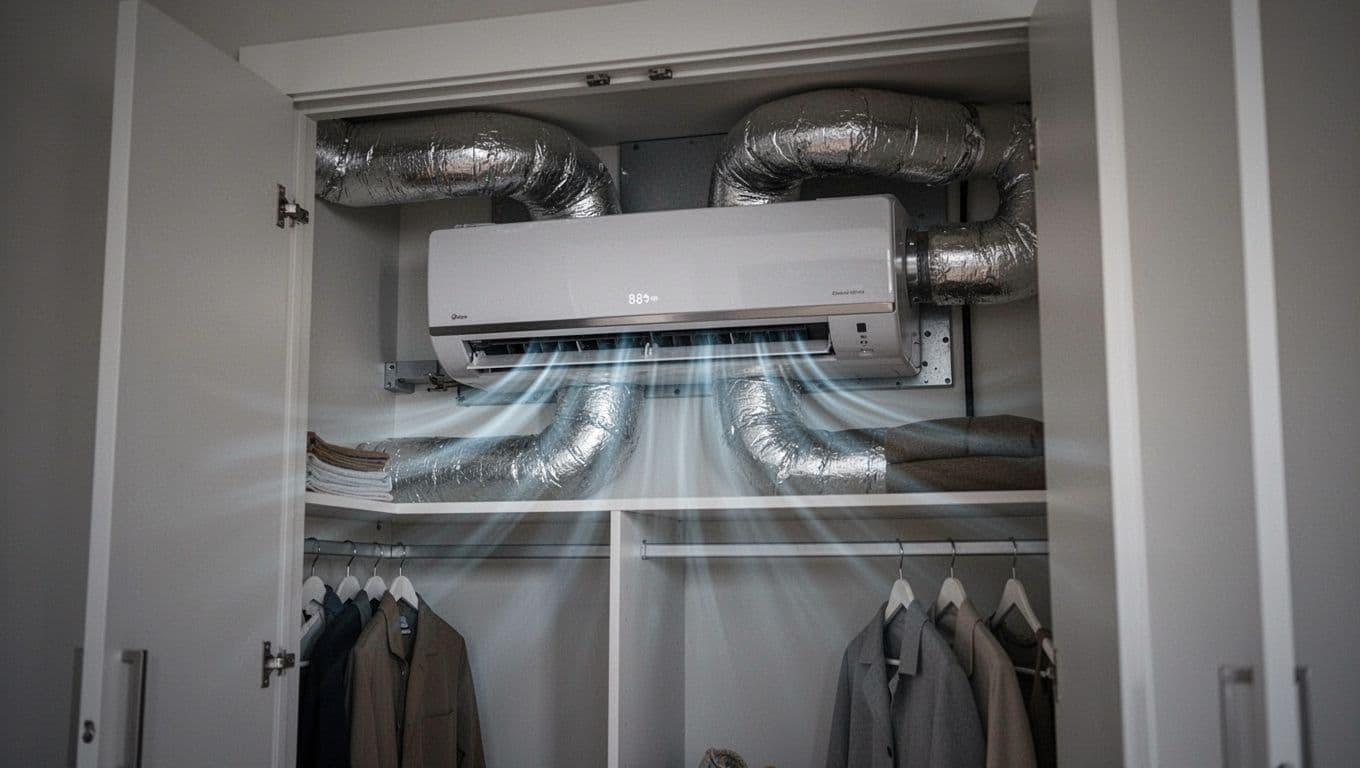
Technicians measure pressure on the supply side and the return side, then compare the readings. Many residential systems are often near 0.5 inches of water column total external static pressure or lower, but the right target depends on the equipment and duct design. A number by itself does not tell the whole story. The system still has to move enough air where your home needs it.
When static pressure climbs, the blower fights harder. That can reduce airflow across the coil, which can hurt cooling and dehumidification. In other words, your AC may cool the air, but it may not cool the home evenly.
Why Florida homes notice airflow problems sooner
Florida homes run cooling systems for long stretches, so small airflow issues show up fast. A filter that looks only a little dusty in spring can create a real restriction by midsummer. Add long cooling seasons, attic heat, and humidity, and the system has little margin for error.
Humidity is the big one here. If airflow drops, the evaporator coil may not remove moisture as well. The house may reach the thermostat setting, yet still feel damp. That's when people keep lowering the temperature and never get the comfort they want.
Hot attics also matter. Many Florida homes have ductwork in spaces that get very warm. If the ducts already have too much resistance, that extra heat makes the system work harder.
Older homes and remodels can create another issue. A room added later may have long duct runs, tight bends, or weak return air. The AC then has to push against a layout that was never ideal.
If the air barely moves at one vent, the problem may be in the ducts long before it shows up at the thermostat.
Signs your duct system may be under strain
High static pressure does not always announce itself with one dramatic failure. More often, it shows up as a pattern. One room feels fine, another stays warm, and the system sounds busier than usual.
Here's a quick look at common signs.
| What you notice | What it often means | Why it matters |
|---|---|---|
| Weak airflow from vents | Air has trouble moving through the system | Rooms cool slowly |
| Hot or humid rooms | The system is not distributing air evenly | Comfort drops |
| Whistling or rushing sounds | Air is squeezing through a tight opening | The blower works harder |
| Longer AC run times | The unit is fighting resistance | Energy use rises |
| Dust that returns fast | Return air or duct issues may be present | Indoor air quality suffers |
If several of these show up together, don't blame the thermostat first. The thermostat may be doing its job. The duct system may be the part that needs attention.
A higher-than-normal fan sound is another clue. So is an AC that seems to cycle longer than it used to. Those signs can point to a pressure problem, a dirty coil, clogged filters, or a duct layout that restricts airflow.
What raises static pressure in a Florida house
Several common issues can push pressure up. Some are easy to spot. Others stay hidden behind walls, in the attic, or inside the air handler.
Filters and return air
A dirty filter is one of the simplest causes. A filter that is clogged with dust or pet hair makes air work too hard to get through. The same thing happens when return grilles are blocked by furniture, rugs, or buildup on the grille itself.
Too much restriction on the return side can be just as bad as a blocked supply vent. Air has to get back to the unit before it can be cooled again. If that path is tight, the whole system slows down.
Duct design and hidden restrictions
Some homes have ducts that are too small for the system, too long for the layout, or full of bends that slow air down. Flexible duct that sags or kinks can cause the same problem. Closed or partially closed vents can add more resistance.
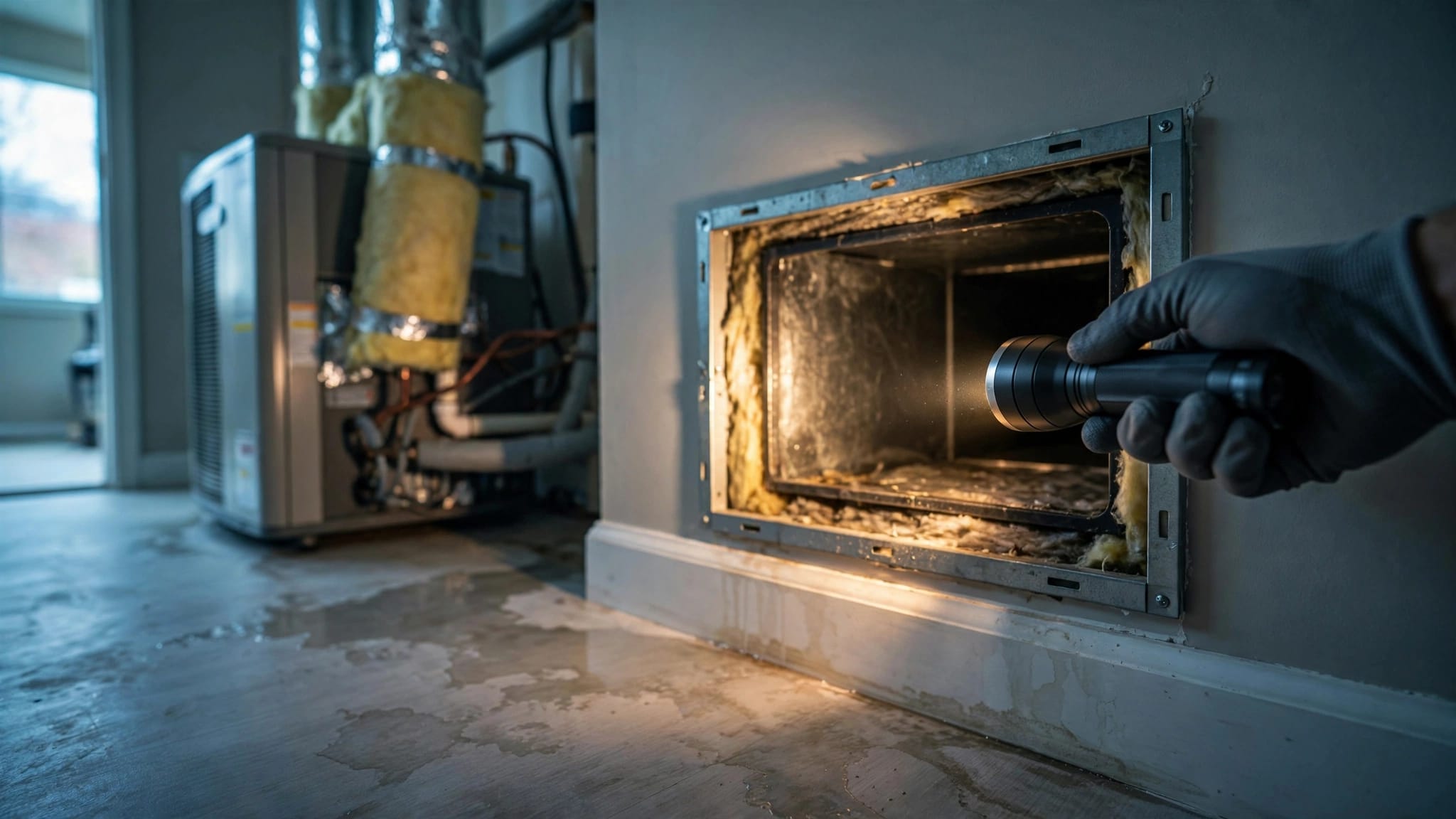
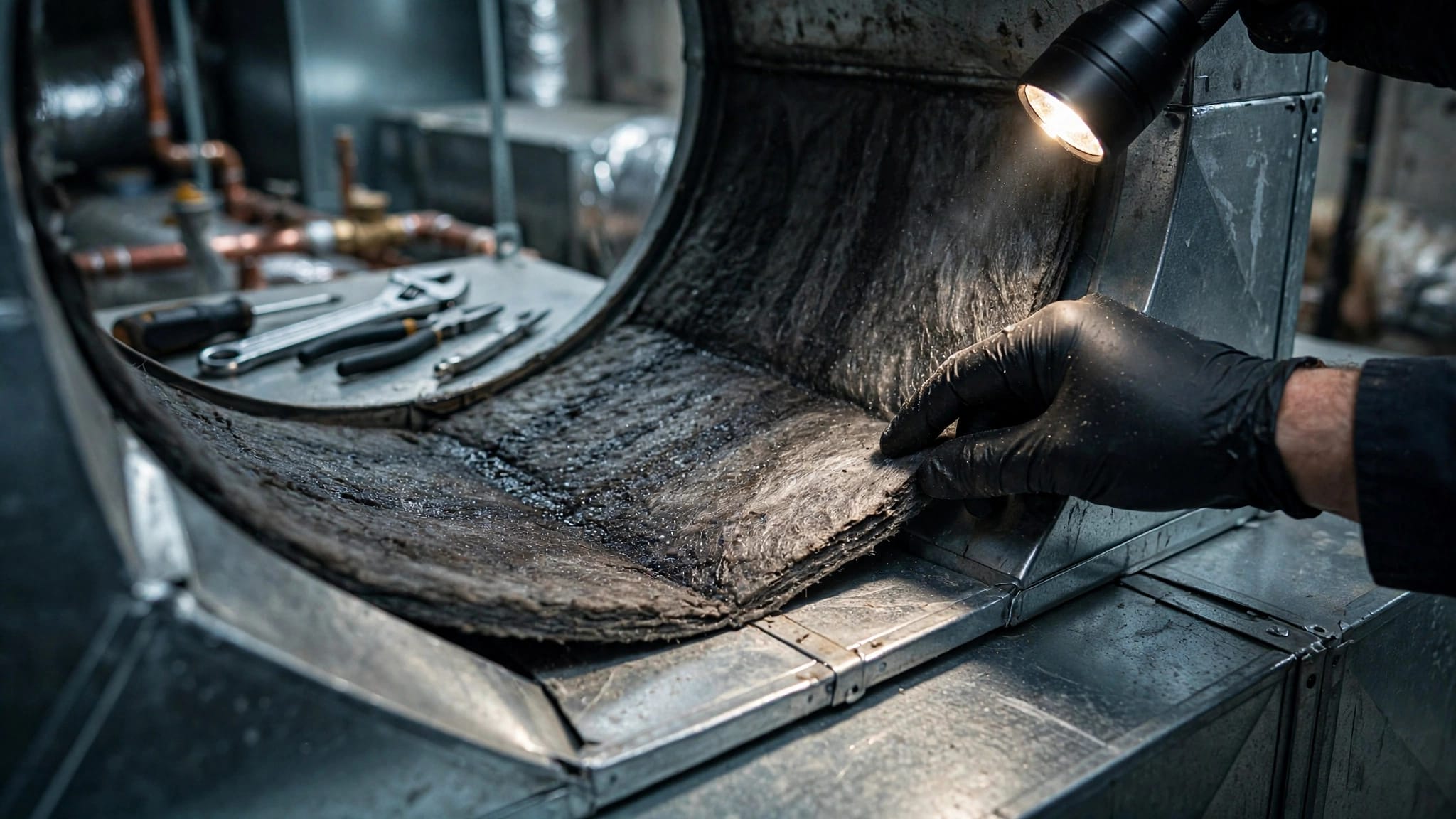
Dust and debris also matter. When ducts are packed with buildup, airflow can shrink. In those cases, professional air duct and dryer vent services can help clear restrictions and improve how the system moves air.
Moisture, dust, and neglect
Florida humidity can make dust stick to surfaces more quickly. That buildup can collect on coils, in returns, and around grilles. A dirty evaporator coil can block airflow too, even if the ducts are in decent shape.
Dryer vents belong in the same conversation about airflow. A clogged dryer vent does not affect your AC pressure, but it does create the same kind of problem, poor air movement. That's why both systems deserve regular attention.
What you can check safely yourself
Some checks are safe and useful for any homeowner. They do not require tools, and they can help you rule out the obvious causes.
- Check the air filter. If it looks dirty, replace it with the correct size and type for your system.
- Make sure supply vents are open. Furniture, curtains, and rugs can block them without anyone noticing.
- Clear return grilles. Vacuum away dust and move anything that blocks the intake.
- Look for obvious duct damage. If you can see a crushed or disconnected flex duct in an accessible area, take note of it and call a pro.
- Watch the system after the changes. If airflow still feels weak, the issue is deeper than a dirty filter.
Do not keep turning the thermostat lower in hopes of forcing the house to cool faster. That usually adds runtime, not comfort. If the system still struggles after these checks, the next step is professional testing.
When to call for professional testing
A technician can test total external static pressure and compare it with the blower's real-world performance. That kind of test shows whether the system is breathing freely or fighting against resistance. It also helps separate a cleaning issue from a duct design problem.
That matters because not every airflow problem has the same fix. Sometimes the answer is a dirty coil or heavy buildup in the ducts. Other times the system needs sealing, balancing, or a duct redesign. A good evaluation should look at the whole path the air takes, from the return grille to the supply vents.
A technician should also check whether the equipment matches the ductwork. A strong unit on a restrictive duct system can still perform poorly. Bigger equipment does not solve a tight airflow path.
If you're comparing options, start with a company that handles the system as a whole, not just one part of it. The goal is better airflow, better humidity control, and less wear on the AC.
If your home keeps feeling uneven or sticky, Get a Free Estimate and ask about the airflow, duct, and cleaning issues that may be affecting the system.
Conclusion
When static pressure is too high, your AC has to push harder for less comfort. That can leave Florida homes with weak airflow, higher humidity, and bigger energy bills than they should have.
Start with the simple checks, like the filter, vents, and return grilles. If the problem stays, the issue may be in the ducts, the coil, or the system layout itself.
The fastest fix is not always the right one. A careful look at static pressure tells you whether your home needs a cleaning, a repair, or a better airflow plan.