
How Often Should You Change AC Filters in Florida Homes?

Adkins Duct Cleaning • May 24, 2026

Florida air conditioners work hard for most of the year. Because of that, AC filter replacement in Florida homes usually needs more attention than it does in cooler places.

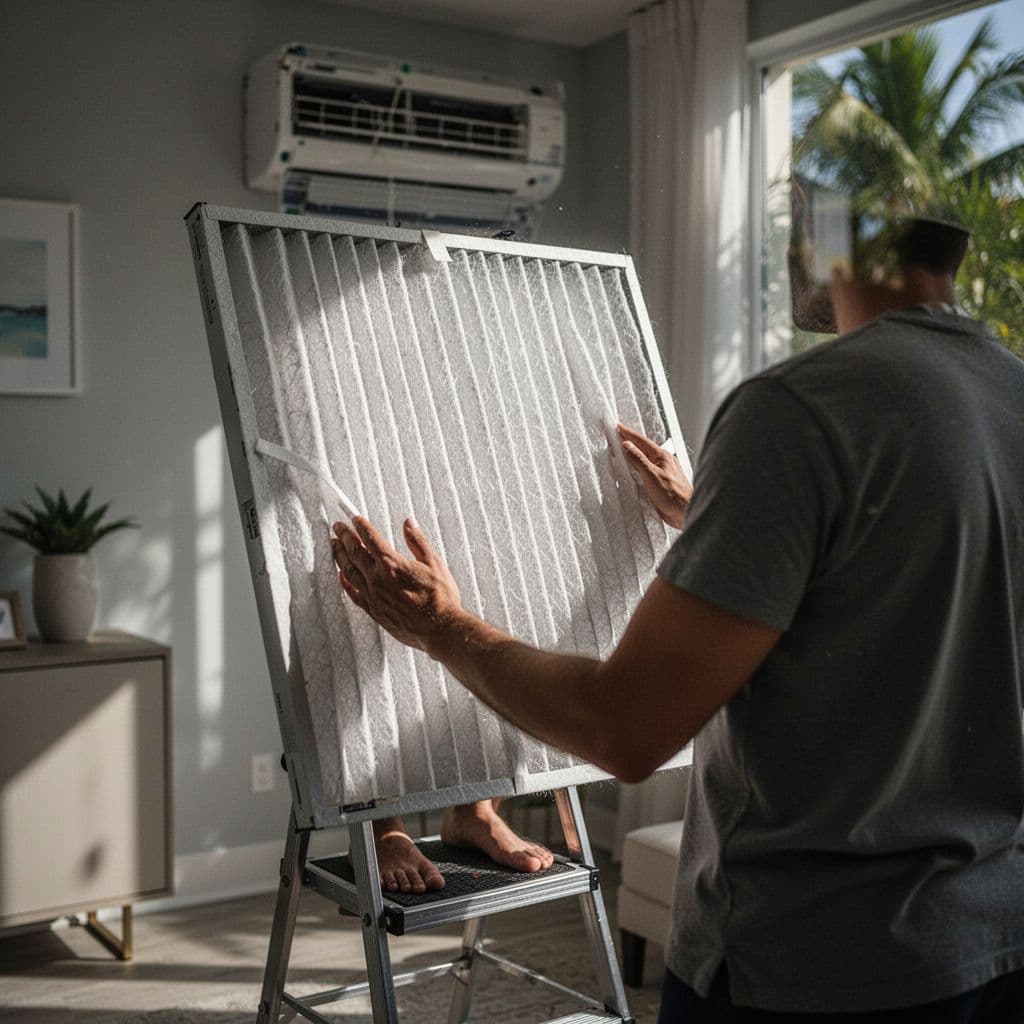
A good rule is simple: check your filter monthly during the heavy cooling season, then replace it when it starts to load up. Many homes land somewhere in the 30 to 90 day range, but pets, allergies, household size, filter thickness, and system use can shorten that window fast.

If you want cleaner air and steadier airflow, the filter schedule matters. The right timing starts with how Florida heat, humidity, and indoor dust affect your system.

Why Florida Homes Burn Through Filters Faster

Florida homes face a long cooling season, so the AC often runs like a daily habit instead of a seasonal appliance. That means the filter catches dust, pollen, pet hair, and fine debris for months at a time.

Humidity also plays a part. Moist air can make dust cling more easily, so filters may load up sooner than you expect. Add in sandy buildup near entryways, open doors, tracked-in dirt, and everyday cooking residue, and the filter gets busy fast.

Household size matters too. More people usually means more foot traffic, more dust movement, and more particles floating through the home. Pets add even more hair and dander.

Filter type changes the timing as well. A 1-inch filter usually fills faster than a thicker media filter. A higher MERV rating can catch smaller particles, but it may also need closer monitoring. The filter should match the system and the manufacturer's guidance, not just a number on the package.

In Florida, monthly checks beat guesswork, especially when the AC runs most of the day.

What a Realistic Change Schedule Looks Like

There's no single schedule that fits every Florida home. Still, most homeowners can use a simple starting point and adjust from there.

Use this as a practical guide, then fine-tune it based on your home and system.

Home setup Check the filter Typical change range Why it changes faster or slower
No pets, light AC use, 1-inch filter Monthly 60 to 90 days Lower dust load and lighter use
Average family home, moderate AC use Monthly 30 to 60 days More airflow through the system
Pets, allergies, or lots of indoor dust Monthly 30 days or sooner More hair, dander, and fine particles
Thicker media filter, moderate use Monthly 60 to 90 days, sometimes longer Depends on the filter and manufacturer guidance

The table gives you a starting point, not a hard rule. A filter can clog early in one home and last longer in another, even on the same street.

If your AC runs nearly all day in summer, move closer to the short end of the range. If you use a thicker filter and the manufacturer allows a longer service window, you may get more time between changes. Still, monthly checks are the safest habit in Florida.

Signs Your Filter Needs to Be Changed Sooner

A dirty filter doesn't always look dramatic. Sometimes it just creeps up on you.

Watch for these signs:

  • Airflow feels weaker at the vents.
  • Dust comes back fast after cleaning.
  • The filter looks gray, packed, or bent when you pull it out.
  • The AC runs longer to reach the set temperature.
  • Allergy symptoms flare up indoors more than usual.
  • You hear the system working harder , even if the thermostat stays the same.

If one or two of these show up, don't wait for the calendar. Replace the filter and check it again in a few weeks.

A clogged filter can also make the home feel less comfortable. Rooms may cool unevenly, the system may cycle more often, and the air can feel stale. In Florida, that extra strain adds up quickly.

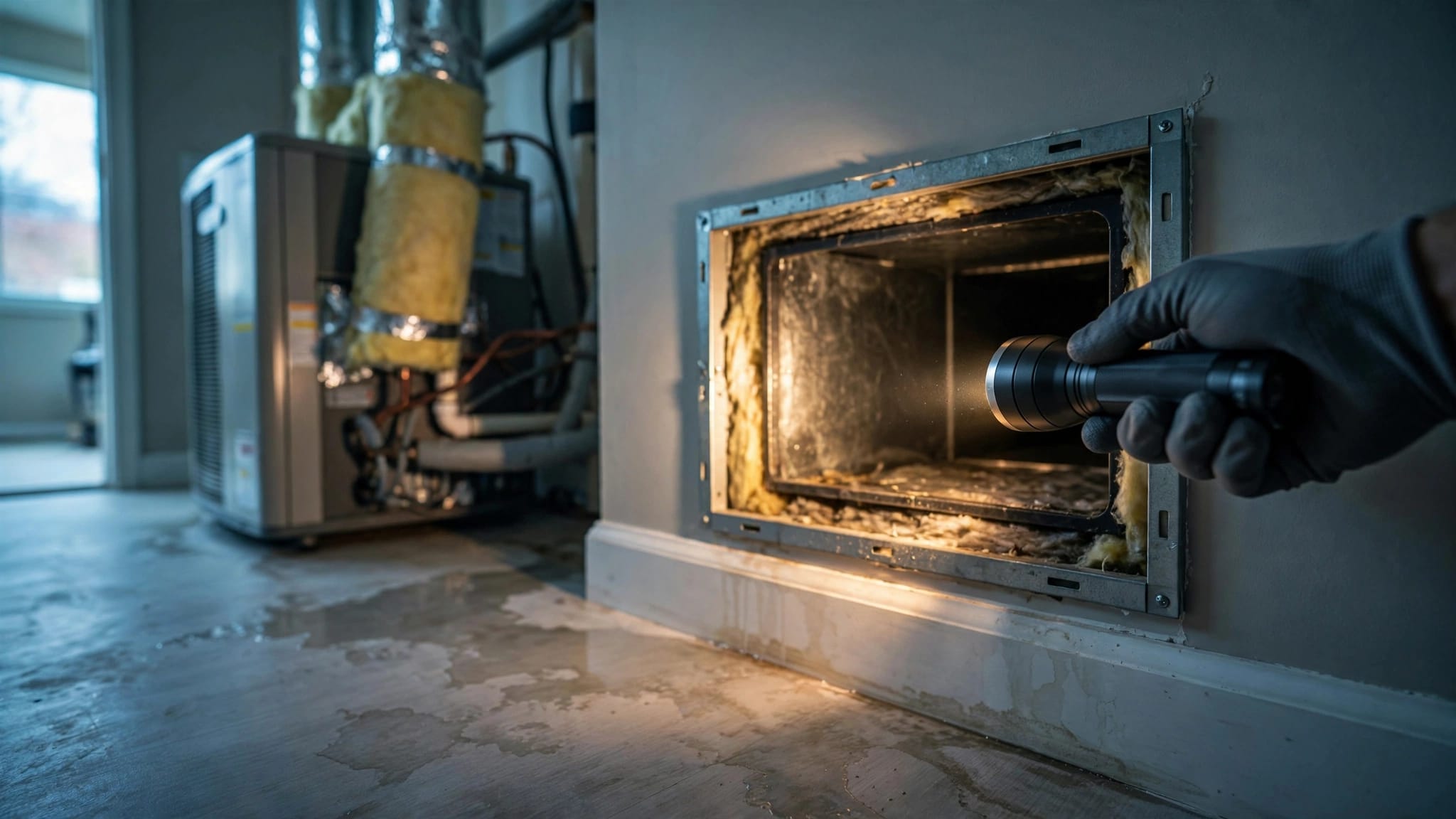
When the filter looks dirty after only a short time, the home may have a bigger dust issue. A buildup in the ducts, return, or air handler can send particles back into the filter fast. In that case, it helps to understand the difference between air handler and duct cleaning before you decide what to tackle next.

How to Set the Right Schedule for Your Home

The best filter schedule comes from watching your own home, not copying a neighbor's routine. Start with monthly checks during the hottest months, then adjust based on what you see.

A few things should shape the schedule:

System use matters most. If the AC runs most of the day, the filter works harder and fills up sooner.

Filter thickness and MERV rating matter too. Thicker filters often last longer, while higher-rated filters may catch more fine particles. Both should follow the manufacturer's instructions.

Pets and allergies also change the picture. A shedding dog, multiple cats, or family members with allergies can turn a 60-day filter into a 30-day filter.

Household size matters because more people bring more dust, fabric fibers, and foot traffic into the house.

Indoor air quality needs should guide your choice as well. Homes with smoke, strong odors, or extra dust usually need closer filter checks.

A simple routine works well in Florida:

  1. Check the filter once a month during heavy cooling season.
  2. Replace it when it looks loaded, even if the calendar says otherwise.
  3. Write the date on the frame or on a note near the air handler.
  4. Recheck sooner if you add pets, host guests, or notice weaker airflow.
  5. Follow the manufacturer's schedule if it is shorter than your normal routine.

If your filters clog fast no matter what you use, the problem may go beyond the filter itself. A system inspection can show whether the air handler, ducts, or other parts need attention. If you want help sorting that out, Get a Free Estimate and get a better look at what's happening inside the system.

Conclusion

In Florida, filter changes work best when you treat them as a habit, not a yearly task. Monthly checks during cooling season give you a better shot at staying ahead of dust, airflow problems, and extra strain on the AC.

For many homes, the real answer sits in the 30 to 90 day range, with some needing more frequent changes. Pets, allergies, household size, filter thickness, and how hard the system runs all shape that timing.

A clean filter helps your AC breathe easier, and that matters when the weather keeps the system running day after day.

By Adkins Duct Cleaning May 23, 2026
When one room feels humid, the AC may be running but not doing enough there. The air can feel sticky, heavy, or slightly warm while the rest of the house feels fine. That usually points to a local airflow, moisture, or duct problem, not a total system failure. A single damp ro...
By Adkins Duct Cleaning May 22, 2026
Duct insulation rarely fails all at once. More often, it starts with a loose edge, a dusty patch, or a room that never seems to stay comfortable. When duct insulation breaks down, your HVAC system works harder, and your home can start feeling stuffy, damp, or uneven. In Florid...
By Adkins Duct Cleaning May 20, 2026
Dust that keeps coming back fast usually has a source. When leaky return ducts pull air from the attic, they can carry insulation fibers, dirt, and other debris straight into your living space. That hidden airflow problem does more than make shelves dusty. It can hurt indoor a...