How Cigarette Smoke Gets Trapped in HVAC Ducts
Cigarette odor can hang around long after the last smoke clears. When that smell keeps showing up in different rooms, your HVAC system is often part of the story.
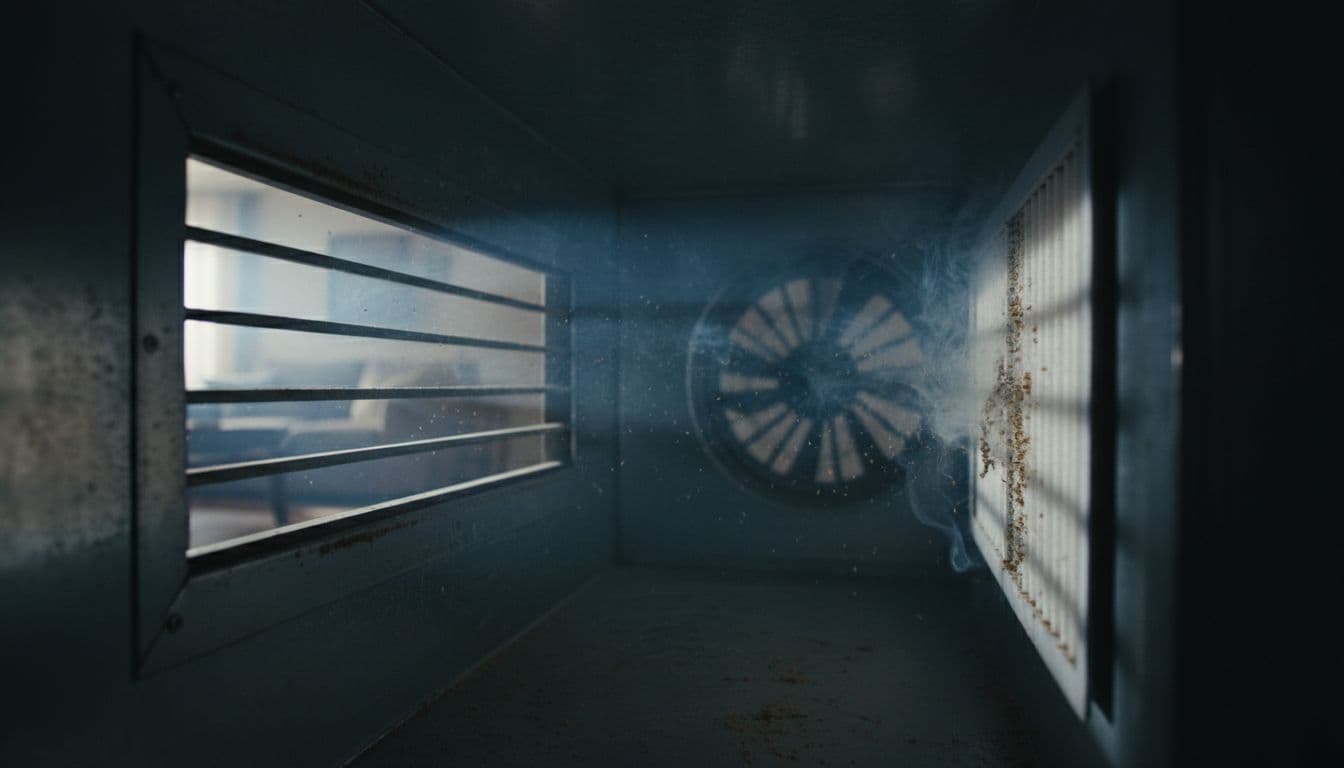
Smoke does more than float in the air. It leaves tiny particles and sticky residue that settle on filters, coils, registers, and nearby materials. Once that happens, every cycle of the system can move the odor back through the house.
Why cigarette smoke keeps moving through the system
Your HVAC system pulls air from rooms, conditions it, and sends it back out again. That cycle is useful for comfort, but it also gives smoke a path through the house.
Cigarette smoke contains fine particles and gases. The particles can hitch a ride on dust and air currents, then cling to surfaces inside the system. The sticky part, often a mix of tar and nicotine, is what makes the smell hard to remove.
Warm air also helps the odor spread. As the blower runs, it pushes contaminated air through return grilles, duct runs, and supply vents. If smoke entered one room for weeks or months, the system can spread the smell to rooms that were never used for smoking.
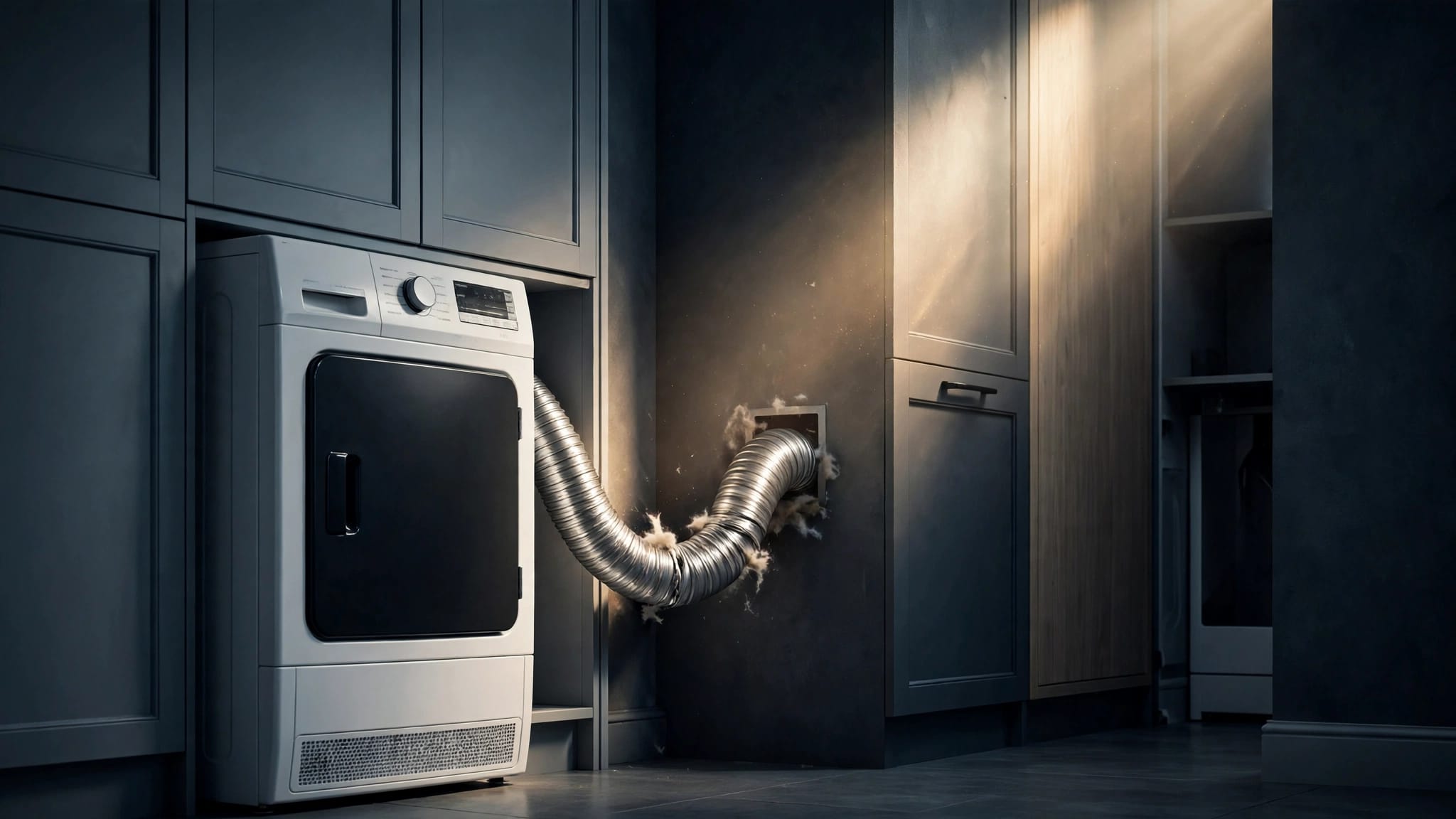
Filters catch some of that material, but not all of it. When a filter is dirty, loose, or the wrong type, more residue moves deeper into the system. That is why cigarette smoke ducts can keep smelling long after the smoking stops.
A clean filter helps, but it won't remove residue already stuck to coils, blowers, or duct liner.
Where smoke hides in your HVAC system
Smoke contamination often reaches more than the duct walls. It can settle in places that are easy to miss during a quick inspection.
The most common hiding spots include:
- Filters , which trap some smoke but can hold odor if they sit too long.
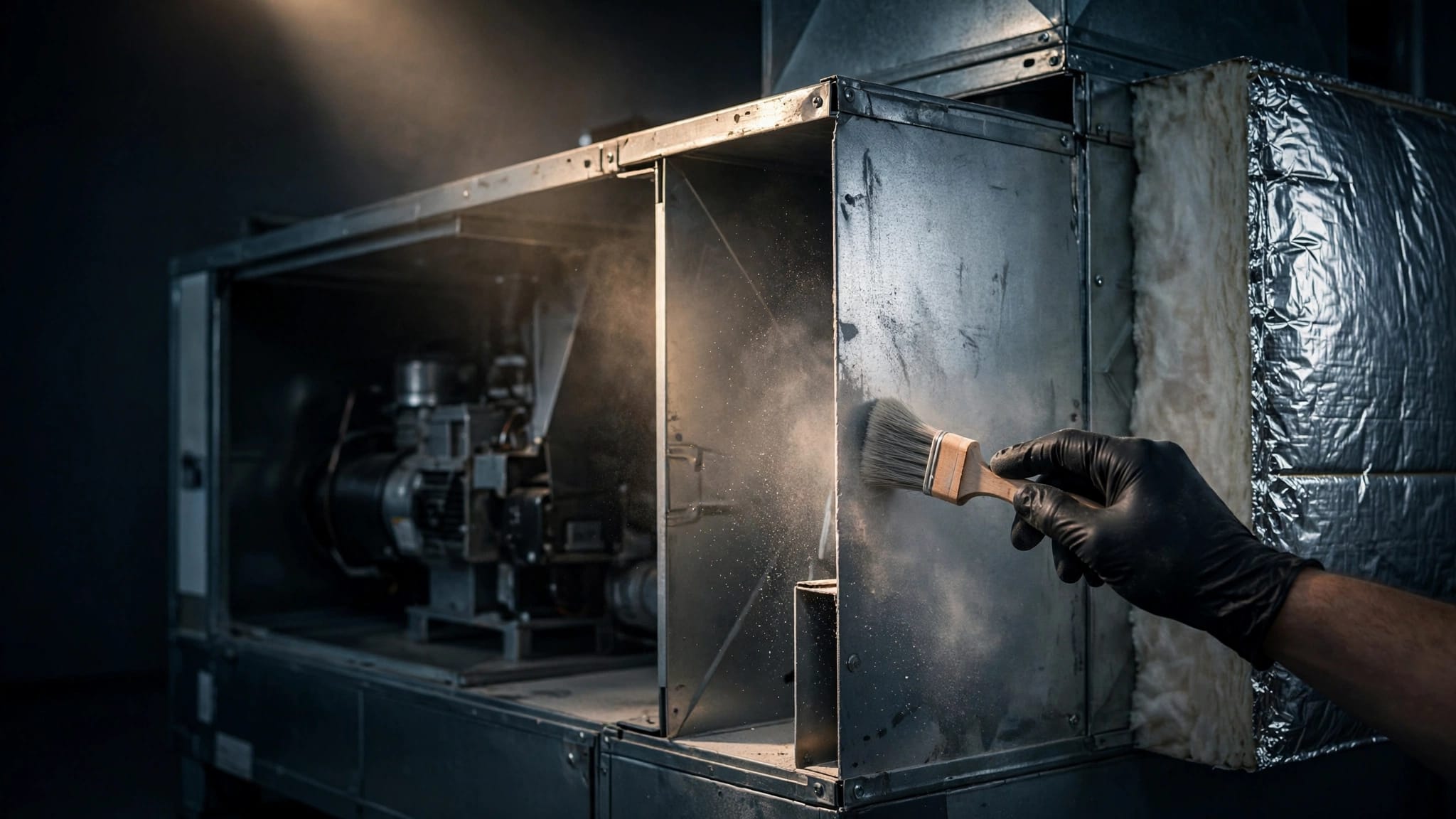
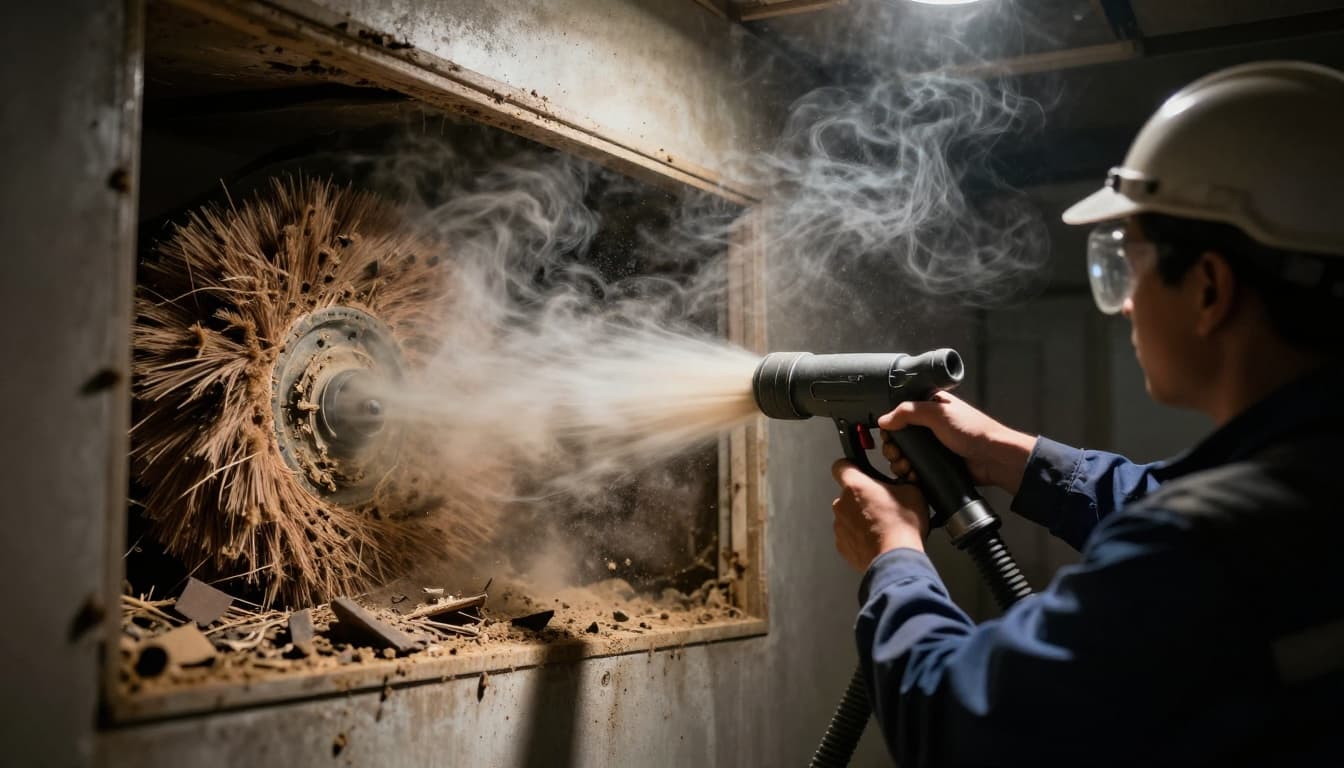
- Blower components , especially the blower wheel, where residue can collect on moving parts.
- Evaporator coils , which can hold film and dust that keep odors in circulation.
- Duct insulation and liner , which can absorb smell and release it slowly.
- Supply and return registers , where dust and oily residue gather on the surface.
- Nearby porous materials , such as carpet, curtains, furniture, and wall coverings close to smoking areas.
This is why a home can still smell smoky after a surface cleaning. The odor may not live in one single place. Instead, it can sit in several layers of the system and nearby materials.
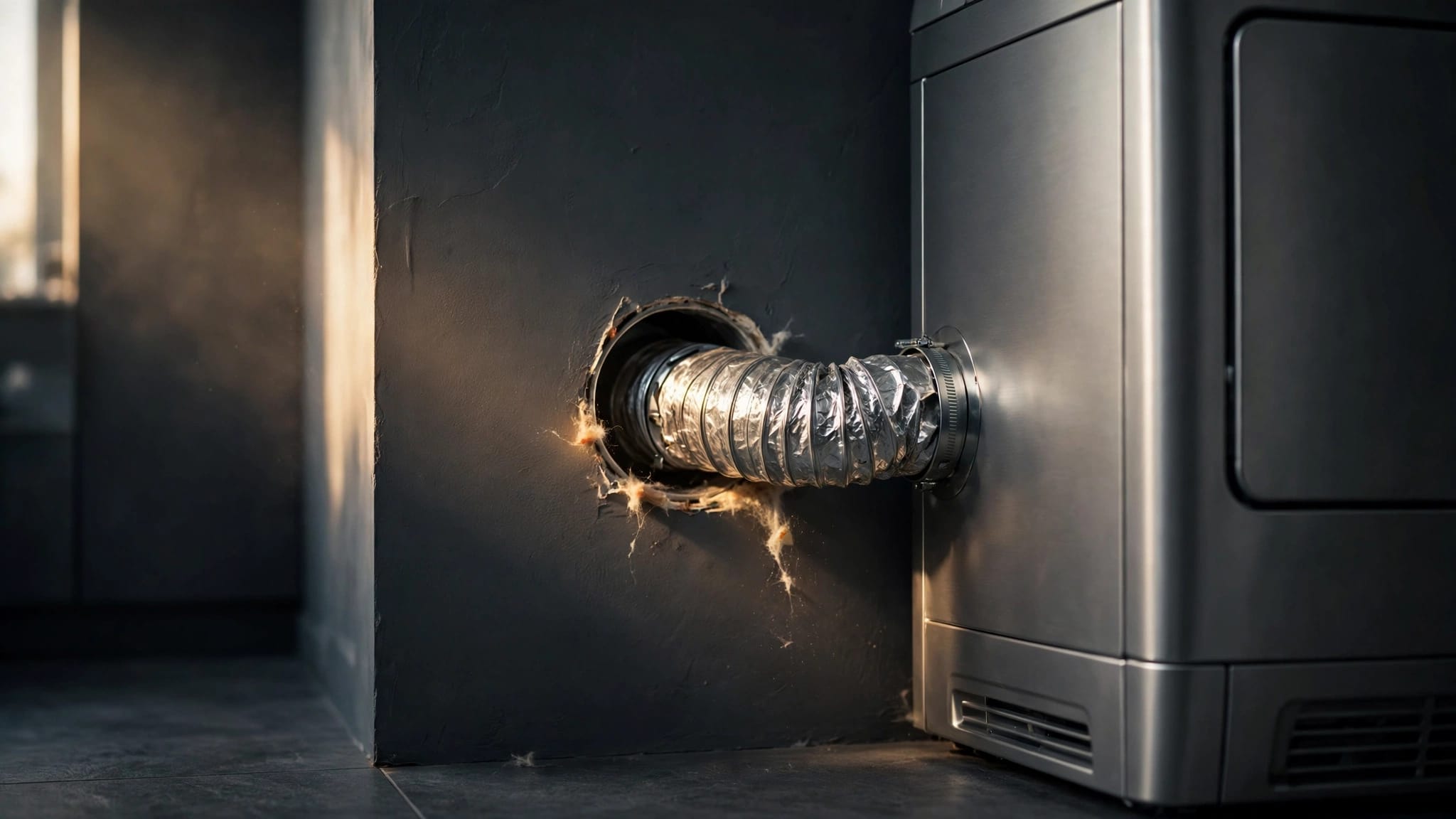
Metal ductwork is easier to clean than soft materials, but even metal can hold a film that keeps the smell alive. Flexible duct and lined duct usually hold onto odor more stubbornly because the surface is less smooth.
If you want to see what a full cleaning service covers, review air duct cleaning services before you decide what needs attention.
How to tell where the odor is coming from
The first step is to separate the HVAC system from the rest of the house. That helps you figure out whether the odor is inside the ducts, inside the air handler, or trapped in the room itself.
Start with a simple check:
- Smell the return vents first. If the odor is stronger there, the system may be pulling smoke residue from nearby areas.
- Turn the system off for a few hours. If the smell stays about the same, the source may be carpets, furniture, drapes, or wall surfaces.
- Replace the filter and see what changes. If the odor drops for a day or two, then comes back, the system likely has more contamination than the filter can handle.
- Look at the registers and grille edges. Yellow-brown dust or sticky buildup can be a clue.
- Check the air handler area. If the odor is strongest near the unit, the blower cabinet, coil, or drain area may need attention.
A smell that gets stronger when the fan starts is a useful clue. It often means the system is reintroducing residue that has settled inside.
The goal is not to guess. It is to find the strongest source, then clean that area first.
Practical steps that help before you call anyone
Some odor problems improve with a few basic steps, especially when the smoke exposure was light or recent. These changes also help you judge how much residue is left in the system.
A good starting plan looks like this:
- Change the HVAC filter and use the correct size for your system.
- Clean return grilles and supply registers with a damp cloth and mild cleaner.
- Vacuum nearby dust around vents, baseboards, and furniture edges.
- Use kitchen and bath exhaust fans when you air out the home.
- Open windows on suitable days to move stale air out and fresh air in.
- Check the filter more often until the odor starts to fade.
If the system supports it, an odor-reducing or activated carbon filter may help reduce smoke smell. Still, filters are only one part of the fix. They help with airborne particles, but they do not remove buildup from coils, blowers, or duct surfaces.
You should also clean the parts you can reach safely. That includes visible vent covers, the outside of the air handler cabinet, and the area around the intake. However, avoid opening sealed compartments unless you know what you're doing.
If the smell lingers after those steps, the problem may be deeper in the system. That is the point where a full inspection starts to make sense.
When professional duct cleaning makes sense
Smoke odor that keeps returning usually needs more than a filter swap. A professional cleaning is worth considering when the smell stays after basic cleaning, or when you can see residue around vents and the air handler.
This is especially true if:
- The home had a long-term smoker.
- You recently moved into a smoker's home.
- The smell gets stronger when the HVAC runs.
- The ducts have liner or flexible runs that hold odor.
- The evaporator coil or blower housing needs access.
- Nearby porous materials also smell smoky.
A proper service can inspect more than the ducts alone. That matters because smoke contamination may spread through the filter cabinet, blower assembly, evaporator coil, insulation, registers, and return side of the system. Sometimes the ductwork is only part of the job.
Professional cleaning is also useful when residue is hard to reach. Technicians can access hidden sections, remove built-up dust, and clean components that homeowners usually can't reach safely. If the contamination is heavy, they may also recommend replacement for parts that keep holding odor.
That is why a one-time odor spray rarely solves the issue. The smell comes back because the source is still there.
If you're ready to have the system checked, Get a Free Estimate and ask what parts of the system need cleaning, not just the ducts.
Conclusion
Cigarette smoke gets trapped in HVAC ducts because it is sticky, light, and easy to recirculate. Once it settles on filters, coils, blower parts, insulation, and nearby soft materials, the odor can keep showing up every time the system runs.
The best fix starts with a simple diagnosis. Check the filter, look at the registers, improve ventilation, and pay attention to what happens when the fan starts. If the smell keeps returning, the system likely needs a deeper cleaning.
A stubborn smoke odor is often a sign that residue is still hiding somewhere in the airflow path. Find that source, and the whole house starts to smell more normal again.