
Signs Your Florida Home Has Mold in the Ductwork

Adkins Duct Cleaning • April 14, 2026

A musty smell when the AC turns on can feel small at first. In Florida, though, that little warning can point to a moisture problem hiding where you can't see it.

That's what makes mold in ductwork tricky. It often stays out of sight, while the signs show up in your air, your vents, and the way certain rooms feel. Before you assume the worst, it helps to know what to watch for.

Why mold in ductwork is easy to miss in Florida

Florida homes run air conditioning for much of the year. That long cooling season, mixed with heat and humidity, gives moisture more chances to build up around HVAC parts and inside duct runs.

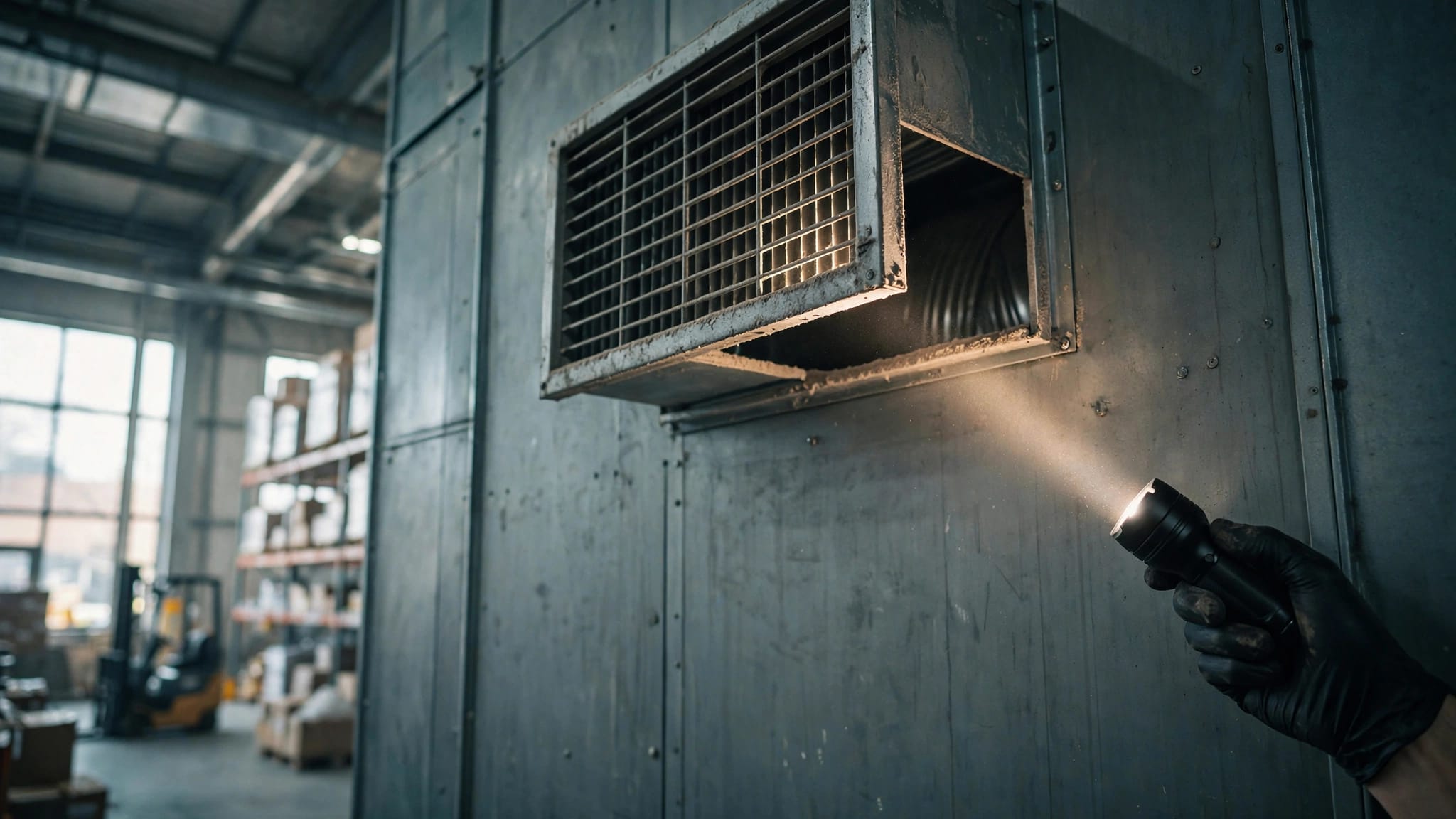
The problem is that ductwork is mostly hidden. It may sit behind walls, above ceilings, or in hot attics. So even if mold is present, you may never see it directly. A vent cover can look clean while moisture sits deeper in the system.

That's also why sight alone doesn't confirm much. Dark spotting around a register could be mold, but it could also be dust stuck to damp metal. A stale smell might come from the ducts, the evaporator coil, or a clogged drain line. In other words, the clues matter, but they don't tell the whole story by themselves.

The EPA and CDC both stress a simple point, moisture drives mold growth. If your HVAC system keeps getting wet, the odds of trouble go up.

If a musty odor shows up mainly when the AC runs, the HVAC system deserves a closer look.

Common signs your home may have mold in the ductwork

When mold in ductwork is present, the system often gives off hints during normal daily life. Here's a quick way to sort the most common ones.

Sign you notice What it may suggest
Musty odor when the AC starts Moisture and growth somewhere in the HVAC system
Allergy-like symptoms feel worse indoors Airflow may be moving irritants through the home
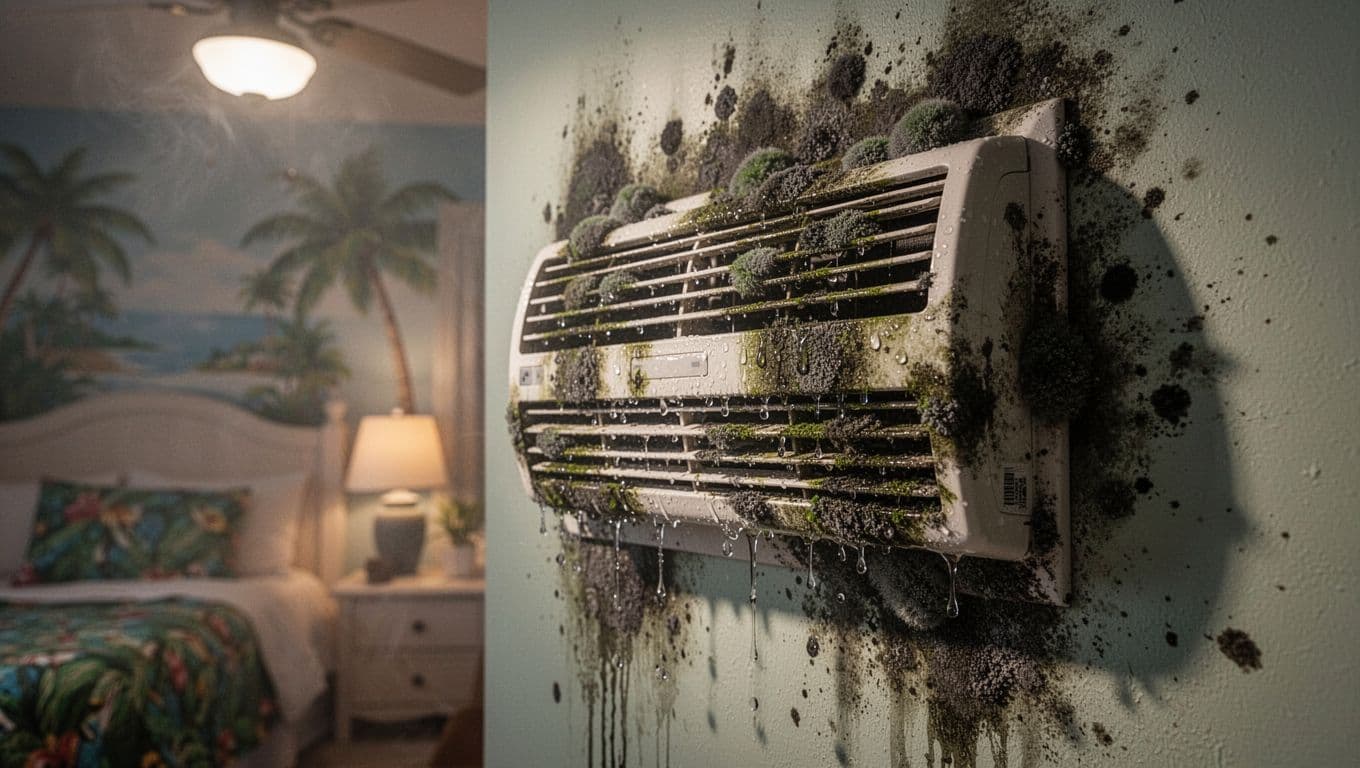
Dark or fuzzy buildup around vents Moisture is collecting at or near the register
Condensation on vent covers keeps coming back High indoor humidity or poor insulation around ducts
One room feels stale while another feels fine Air quality and airflow may not be consistent throughout the system

A musty smell is often the first clue. Many homeowners notice it for a few minutes after the system kicks on. It may fade, then return again with the next cooling cycle. That pattern matters.

Indoor discomfort can also build slowly. Maybe your nose feels stuffy at home but eases up outside. Maybe one bedroom always feels damp, while the living room feels normal. Those changes don't prove mold, but they do suggest the air system needs attention.

Visible growth around vents deserves a closer look, especially if it returns after you wipe the cover clean.

Recurring condensation is another big clue in Florida homes. Cold supply air meets humid indoor air, and water forms on the metal. When that keeps happening, dust and moisture can stick together and create a good surface for growth.

If you've also noticed more dust, stale air, or hot-and-cold spots, it may be time to look beyond the vent cover. Articles on the importance of air duct cleaning and the hidden health benefits of duct cleaning explain why airflow problems and contamination often show up together.

What these signs do, and don't, mean

It helps to stay practical here. A dirty vent does not automatically mean there's mold throughout the whole system. On the other hand, a clean-looking vent does not rule it out either.

That's why repeated signs matter more than a one-time issue. If the smell keeps returning, if humidity stays high, or if growth shows up again after basic cleaning, the problem may be deeper in the HVAC system. Wet insulation, duct leaks, a blocked drain line, or buildup on the coil can all feed the same cycle.

Avoid trying to diagnose the type of mold by color. That guesswork doesn't help, and it can lead homeowners to spray chemicals where they shouldn't. Disturbing growth inside ducts without the right tools can spread debris and make cleanup harder.

A professional inspection is the safest next step when signs keep coming back. The goal is confirmation, not panic. A good inspection can check the duct interior, coil area, drain system, and nearby moisture sources before anyone talks about cleaning or remediation.

Prevention tips that make sense for Florida homes

The best defense is moisture control. If your home stays muggy, your HVAC system has a harder job, and duct surfaces are more likely to collect condensation.

Start with indoor humidity . Many Florida homeowners do best when humidity stays around 45 to 55 percent. If your home runs higher, a whole-home dehumidifier or HVAC adjustment may help.

Next, keep up with the basics. Change filters on schedule. Have the evaporator coil cleaned when needed. Make sure the condensate drain line stays clear and drains properly. Seal duct leaks, especially in attics or garages, where humid air can get pulled into the system.

Regular HVAC inspections matter too. A technician can catch moisture problems long before they turn into a bigger cleanup job. In some homes, added protection like UV purification that boosts HVAC efficiency may make sense as part of a wider air-quality plan.

If your AC smells musty, your vents keep sweating, or one room always feels off, don't wait for the signs to stack up. You can Get a Free Estimate if you want a professional look at the system.

A Florida home shouldn't smell like a damp closet every time the AC runs. When odors, humidity, and vent buildup keep coming back, the message is usually the same, something in the system needs attention.

The strongest takeaway is simple, hidden mold often starts with hidden moisture . Find the moisture source, confirm the problem properly, and you'll have a much better shot at fixing it for good.

By Adkins Duct Cleaning April 13, 2026
Your AC shouldn't feel like it's running a marathon every hot afternoon. If your summer bill keeps climbing, dirty air ducts may be part of the reason. When dust, pet hair, and debris build up inside ductwork, cool air has a harder time moving through your home. That can push...
By Adkins Duct Cleaning April 12, 2026
Your remodel may be done, but your ductwork can still look like a job site. Fine drywall dust, sawdust, insulation fibers, and pet dander often travel farther than you think. In Florida, that leftover debris matters even more because the AC runs hard for much of the year. If d...
By Adkins Duct Cleaning April 11, 2026
A duct cleaning visit shouldn't feel like a mystery. If you're booking air duct cleaning Florida homeowners often want the same thing, a clear picture of what will happen, how long it may feel, and what a good crew should do. In Florida, that matters even more. Your AC runs ha...