Sand in HVAC Ducts: Florida Causes and Service Options
Finding sand in HVAC ducts can be unsettling, especially in a Florida home where attic heat, crawl spaces, storms, and construction work can affect ductwork. Sandy debris may point to a duct leak, damaged connection, contaminated filter, or material brought into the system during remodeling. It can also be ordinary dust that only looks sandy.
The safest response is an inspection before cleaning. A technician should identify what the debris is, where it entered, and whether the ductwork needs cleaning, sealing, repair, replacement, or moisture control.
Key Takeaways
- Sandy debris may come from construction, unsealed duct connections, attic or crawl-space conditions, or storm-related intrusion.
- Color and texture can provide clues, but homeowners cannot confirm insulation, mold, or other contaminants by appearance alone.
- Cleaning removes loose debris. It does not repair a disconnected duct, stop moisture, or correct an active building-envelope problem.
- A proper evaluation should include accessible ducts, registers, plenums, the return path, filters, and relevant air-handler components.
- Service recommendations depend on the duct material, the amount of debris, the source of the problem, and the condition of the system.
- Ask for photographs, a written scope, proof of insurance, and an explanation of how dust will be contained during the work.
What Sand in HVAC Ducts May Indicate
Sandy material inside a register or near an air-handler cabinet does not prove that the entire duct system is contaminated. It may have collected at one opening, entered through a leak, or fallen through a damaged grille.
Look at where the debris appears
Location often gives a technician the first useful clue. Sand around one supply register may point to a loose boot, damaged grille, or debris that entered from the room. Material across several registers may require a broader inspection of the supply branches and main trunk.
Debris near a return grille deserves attention because return air moves toward the air handler. A loose return connection can draw air from an attic, crawl space, garage, wall cavity, or other unconditioned area.
Also check the filter. If it is loaded with tan or gritty material, the filter may have caught debris before it traveled farther through the system. A filter alone, however, cannot show where the material entered.
Cleaning may not be the first service
A spotless duct can become dusty again if a return connection leaks. Likewise, cleaning will not restore airflow through a crushed or disconnected flex duct.
The source should be addressed before or alongside cleaning. A professional may inspect joints, plenums, boots, accessible flex runs, the air handler, and the surrounding attic or crawl space. Airflow testing or a camera inspection may help in some systems, but major problems are often visible without cutting into every duct.
Florida Causes Worth Investigating
Florida homes have several conditions that can contribute to sandy debris around HVAC components. These are possible sources, not confirmed explanations. An onsite inspection is needed to determine which one applies.
Construction and remodeling debris
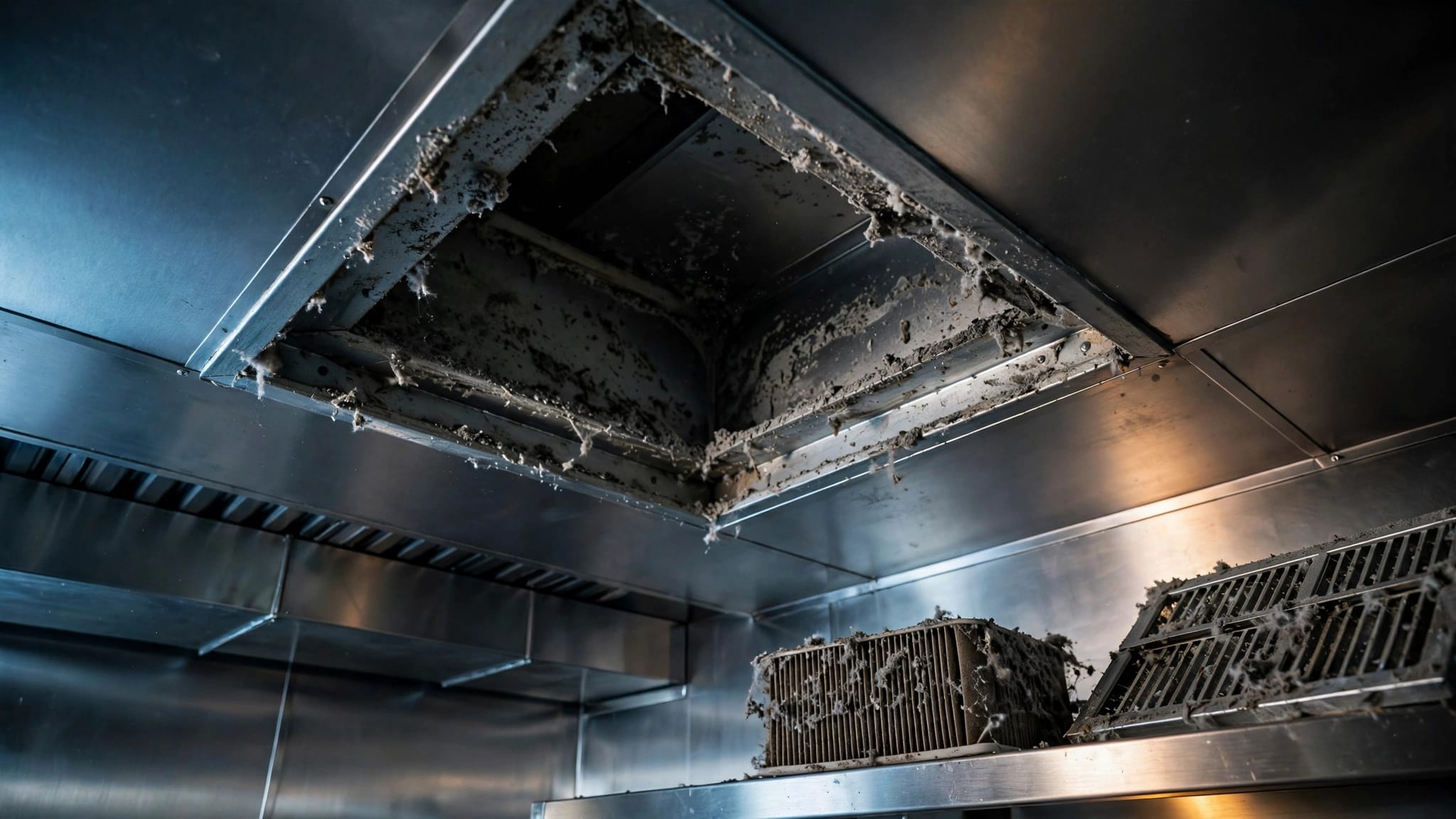
Drywall dust, sawdust, insulation fibers, and loose renovation debris can enter an operating HVAC system through open registers or return grilles. Fine material may travel farther than homeowners expect, especially when sanding, demolition, or cutting occurs near the return side.
Construction debris often looks pale, chalky, or sandy. It may collect on the filter, blower compartment, supply branches, or register covers. If the system operated during the work, ask a technician to determine whether debris stayed near the grilles or traveled through the ductwork.
Keep the HVAC system off during active sanding when possible. Afterward, contain the work area, complete surface cleanup, and inspect the HVAC path before running the system continuously.
Attics, crawl spaces, and duct leaks
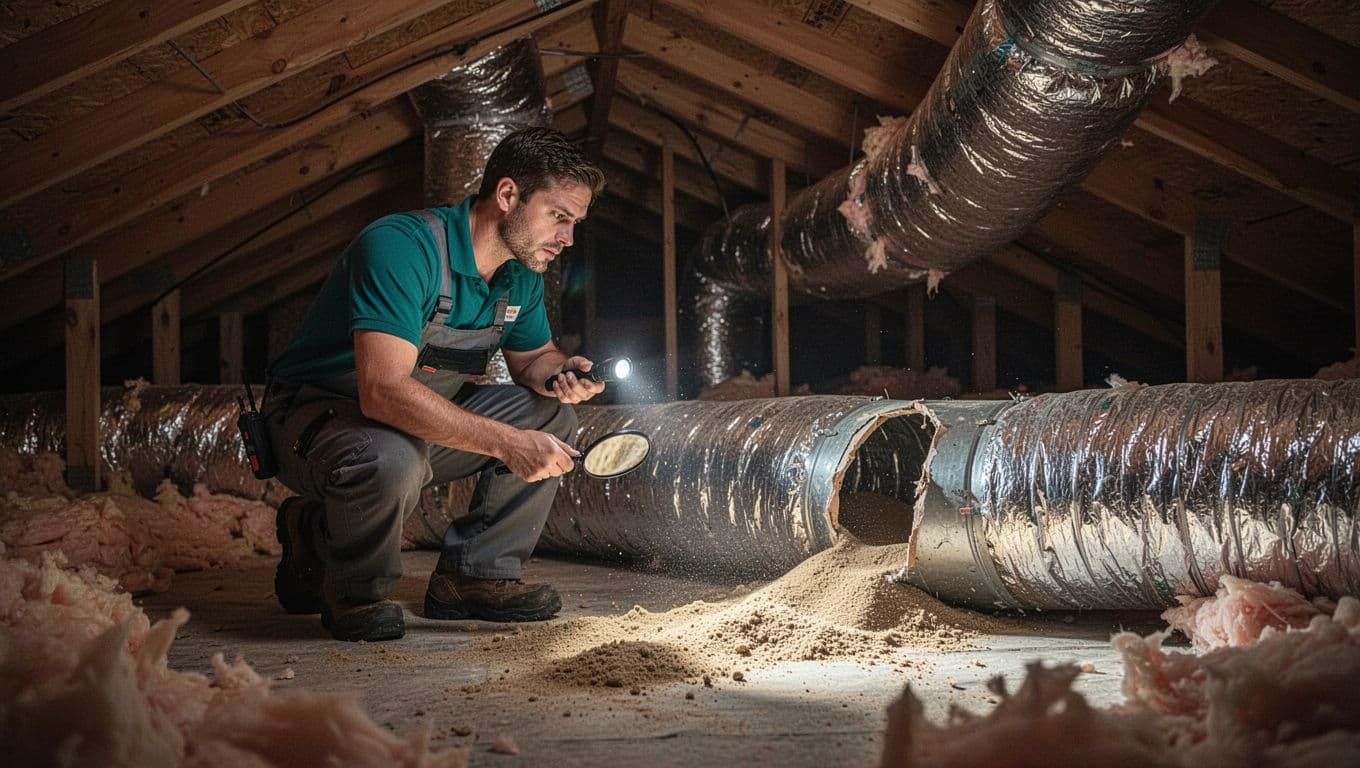
Many Florida ducts pass through hot attics, compact crawl spaces, garages, or tight HVAC closets. Torn flex duct, loose insulation, crushed sections, and open connections can expose the system to surrounding debris.
A leaking return path is especially important because it can pull air from an unconditioned space. In a crawl space, the technician may look for loose soil, damp insulation, pest debris, vapor-barrier problems, and damaged duct supports. In an attic, inspection may include roof leaks, disturbed insulation, gaps around penetrations, and duct joints.
Storms and building-envelope problems
Strong wind and storm activity can move sand, dust, and moisture around a home. Damaged soffits, roof areas, attic vents, crawl-space openings, or exterior penetrations may allow debris into spaces near ductwork.
Storm-related intrusion can also involve water. A musty odor, wet insulation, staining, or new airflow changes deserve an inspection before ordinary duct cleaning. Cleaning cannot stop an active roof leak, standing water, or moisture entering through a damaged part of the building envelope.
How to Distinguish Sand From Other Debris
Homeowners can record what they see and where it appears, but visual inspection cannot provide a definitive diagnosis. Avoid scraping, disturbing, or handling suspicious material unnecessarily.
Sand, dust, and insulation
Sand often feels gritty and contains visible grains. It may be tan, off-white, or gray depending on what it mixed with. Construction dust can look similar, especially when drywall residue combines with ordinary household dust.
Insulation usually appears fibrous, fluffy, or clumped. Fiberglass may have a thread-like appearance, while loose-fill insulation can resemble small particles or flakes. Avoid touching it with bare hands or blowing it into the air.
Dust tends to form a soft coating or fine layer. It may collect on grille covers, filter surfaces, or ledges without indicating that the duct interior is heavily contaminated.
Mold-like growth and damp material
Dark spots, staining, or a musty smell do not automatically confirm mold. Similar appearances can come from soot, adhesive residue, settled dust, or water staining. A technician may recommend additional testing or a separate moisture assessment when the source is unclear.
Wet insulation, a dripping register, condensation, or an overflowing drain pan should be addressed before treatment. Applying a sanitizer or coating without correcting the moisture source can leave the underlying problem in place.
If an older home contains suspect material that could include asbestos, do not disturb it. Ask an appropriate asbestos professional about testing, handling, and local requirements.
Service Options for Sandy HVAC Debris
The right service depends on evidence from the inspection. Cleaning, sealing, repair, replacement, and moisture correction are separate decisions, although one project may require more than one.
Inspection and documentation
A useful inspection looks beyond visible registers. Ask whether the evaluation includes the return and supply sides, trunk lines, branch runs, plenums, filters, blower compartment, coil area, and accessible duct connections.
Photographs can help show whether the debris is loose, whether a connection is open, or whether insulation has deteriorated. The technician should explain which findings support cleaning and which require HVAC repair or building work.
Controlled duct cleaning
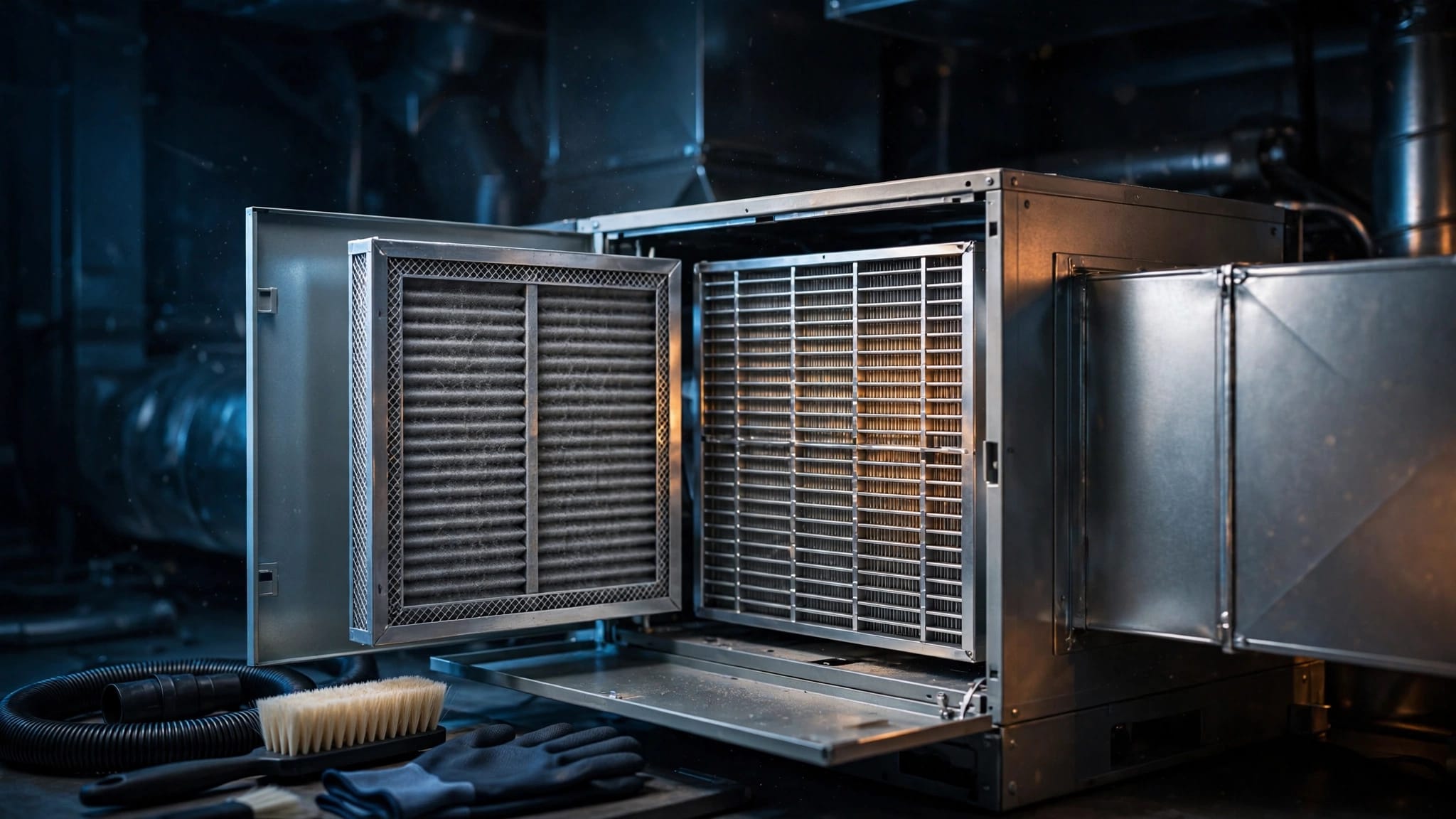
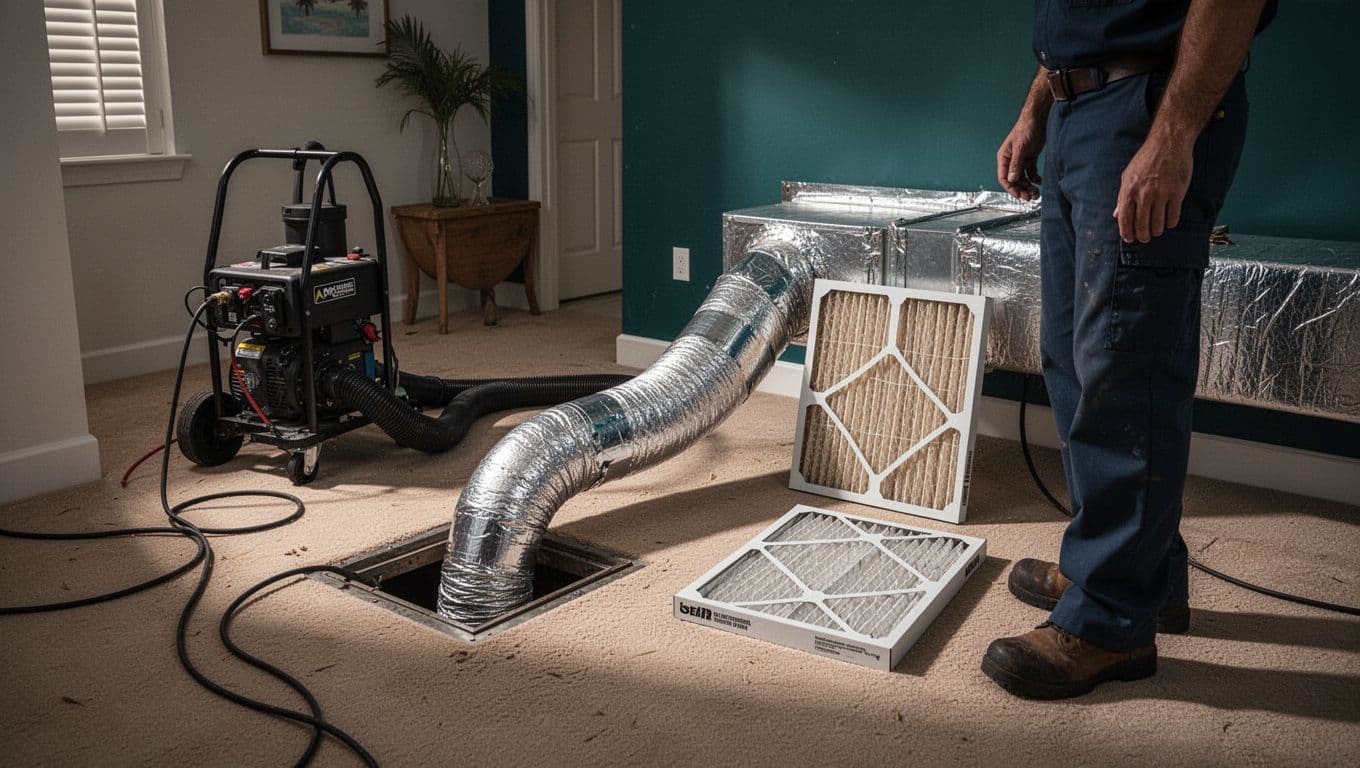
Cleaning may make sense when loose debris is present inside accessible ductwork and the duct surfaces remain intact. Professional methods commonly combine agitation with vacuum equipment that keeps the affected section under negative pressure. This helps reduce the chance of loosened debris entering living areas.
The cleaning method should match the duct construction. Flexible duct and fiberglass-lined systems can be damaged by aggressive brushing or rotary tools. If a lining is torn, brittle, wet, or deteriorated, replacement may be safer than repeated cleaning.
The scope should state whether the provider will clean grilles, supply branches, return ducts, plenums, the air-handler cabinet, blower compartment, and other components.
Sealing, repair, filtration, or replacement
Gaps at joints, boots, or plenums may call for sealing rather than cleaning. Approved mastic or foil-backed HVAC tape can help with suitable joints, while ordinary cloth duct tape often fails in hot attic conditions.
A torn, crushed, disconnected, or collapsed flex duct may need repair or replacement. Cleaning cannot restore its shape or prevent air leakage. Replacement can also make sense when insulation has deteriorated across multiple sections.
A correctly sized, properly fitted filter helps reduce future dust bypass. Follow the equipment manufacturer's filter instructions, because an overly restrictive filter can reduce airflow.
Safety Concerns Before Work Begins
Duct cleaning is not automatically appropriate for every system. The contractor should identify damaged materials, suspect insulation, pest waste, water intrusion, and other conditions before starting.
Protect fragile or suspect materials
Avoid anyone who plans to push a stiff brush into an unknown duct without checking its construction. Fiberglass duct board and lined systems need a measured approach. Cleaning can remove loose material, but it cannot restore a failed facing or damaged panel.
Also question proposals to coat or seal old duct linings. The Environmental Protection Agency and the National Institute for Occupational Safety and Health have raised concerns about how some sealants and encapsulants may affect fibrous-glass duct insulation and fire characteristics. Ask what product is proposed, where it will be applied, and whether the material is suitable for the system.
Control dust and contamination
The system should be off while workers open or access ductwork unless the contractor explains a controlled procedure. Work areas should be protected, access openings sealed afterward, and removed debris contained.
Rodent droppings, nesting material, feathers, wet insulation, and suspected mold-like growth may require additional steps. Pest or moisture problems should be addressed before routine cleaning, and porous materials may need replacement rather than surface vacuuming.
Questions to Ask an HVAC or Duct-Cleaning Provider
Before approving a quote, ask:
- Will you inspect the system before recommending cleaning?
- Which parts of the air handler and duct system are included?
- Do you suspect sand, construction debris, insulation, dust, or another material?
- Can you provide photographs of the findings?
- How will you contain dust while accessing the ductwork?
- What cleaning equipment and tools will you use on flexible or fiberglass-lined ducts?
- How will you protect insulation and seal each access opening?
- Are sealing, cleaning, repair, and replacement listed as separate options?
- What happens if you find wet insulation, pest debris, damaged flex duct, or suspect growth?
- Do you carry insurance, and can you provide relevant licensing or technician training information?
- Will the estimate explain what is excluded?
NADCA publishes the ACR, The NADCA Standard, 2021 Edition. Its guidance focuses on cleaning the HVAC system rather than brushing only the visible registers. A clear proposal should identify the system components included and the method used.
If you want an inspection and service recommendation for a Florida home, you can Get a Free Estimate before authorizing work.
When Professional Service Is Needed
Call an HVAC or duct-cleaning professional when sandy debris keeps returning, blows from supply registers, collects heavily on filters, or appears in several parts of the system. Professional evaluation also makes sense after remodeling, storm damage, pest activity, water intrusion, or a major change in airflow.
Schedule service promptly when rooms become unevenly comfortable, the system runs longer than usual, a duct appears disconnected, or you notice wet insulation and musty odors. Those signs may point to sealing, repair, moisture control, or replacement rather than cleaning alone.
If the proposed work includes cutting multiple access holes, applying a coating, treating suspected mold, or replacing large sections of ductwork, request a written explanation and a second opinion when the evidence is unclear.
FAQ About Sand in HVAC Ducts
Can sand damage an HVAC system?
Loose debris can collect on filters and components, but the effect depends on the amount, location, and type of material. A technician should determine whether the system has restricted airflow, damaged components, or an active leak.
Should I clean the ducts immediately?
Turn off the system if debris is actively blowing into rooms or if construction, storm, or moisture damage is ongoing. Cleaning may be appropriate, but an inspection should first establish whether repair or source control needs to happen before cleaning.
Does sandy debris mean I have mold?
No. Sand, dust, staining, soot, insulation, and mold-like growth can look similar in photographs or at a register. A musty odor or damp material supports further investigation, but it does not confirm mold by itself.
Can I vacuum the register myself?
You can clean a removable grille carefully without disturbing unknown material. Do not reach deep into the duct, brush fragile lining, handle suspect insulation, or disturb possible asbestos. Professional service is safer when the material, source, or extent is unclear.
Conclusion
Sand in HVAC ducts is a clue, not a diagnosis. Florida homeowners should look for construction debris, leaking connections, damaged flex duct, attic or crawl-space conditions, storm intrusion, and moisture before choosing a service.
An inspection can separate a cleaning need from a sealing, repair, replacement, or building-envelope problem. The strongest service plan is based on documented findings, careful containment, and a scope that explains exactly what the contractor will clean and what requires a different fix.