Commercial vs Residential HVAC Duct Service Explained
The difference in commercial vs residential HVAC duct service goes beyond the size of the building. A home usually has fewer zones and occupants, while a business may have multiple air handlers, complex controls, strict access rules, and several areas that must remain usable during service.
Cleaning also isn't always the right answer. Duct leaks, damaged insulation, poor filtration, and active moisture problems need separate repairs. The right service starts with a clear inspection and a written scope.
Key Takeaways
- Commercial duct service requires more planning around building access, HVAC controls, tenants, employees, parking, weather, and cleanup.
- Residential work often focuses on household dust, pet hair, renovation debris, attic ductwork, tight closets, or crawlspaces.
- Commercial systems may include several zones, air handlers, rooftop equipment, larger trunks, and complex return-air paths.
- Cleaning can't repair disconnected ducts, replace failed insulation, or correct a moisture source.
- A low quote may cover only registers, while a complete scope may include trunks, branches, returns, plenums, the air handler, containment, and cleanup.
- HVAC ductwork and dryer vents are separate systems. They should be inspected and quoted separately.
Commercial vs Residential HVAC Duct Service: The Main Difference
Commercial service is planned around the building's operation. Residential service is usually planned around the home's layout, the occupants, and available access. Neither type is automatically better or more difficult, but each requires a different approach.
Commercial work involves building coordination
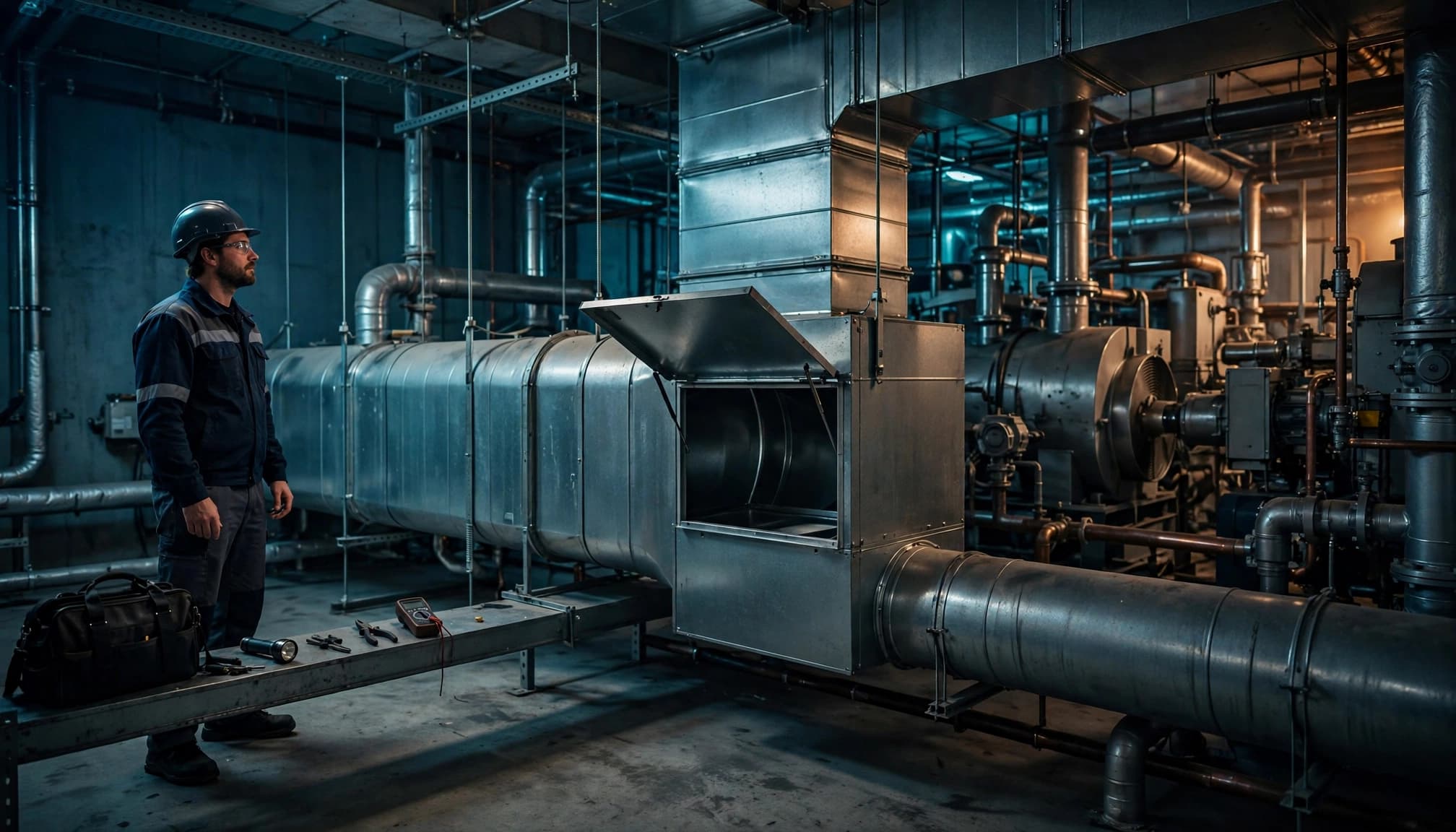
An office, restaurant, retail space, medical facility, or apartment property may have employees, tenants, visitors, security procedures, and occupied areas. A crew may need permission to enter mechanical rooms, coordinate with a building manager, protect merchandise, or work when the property is closed.
After-hours service can involve more than choosing an evening appointment. Access, HVAC controls, parking, tenant notices, weather, and post-service cleanup all affect the plan. Businesses can review after-hours commercial duct cleaning when scheduling work around normal operations.
Commercial technicians also need to understand how the system affects multiple zones. A dirty or restricted section may affect several rooms, while a blocked branch may affect only one area.
Residential work centers on the home
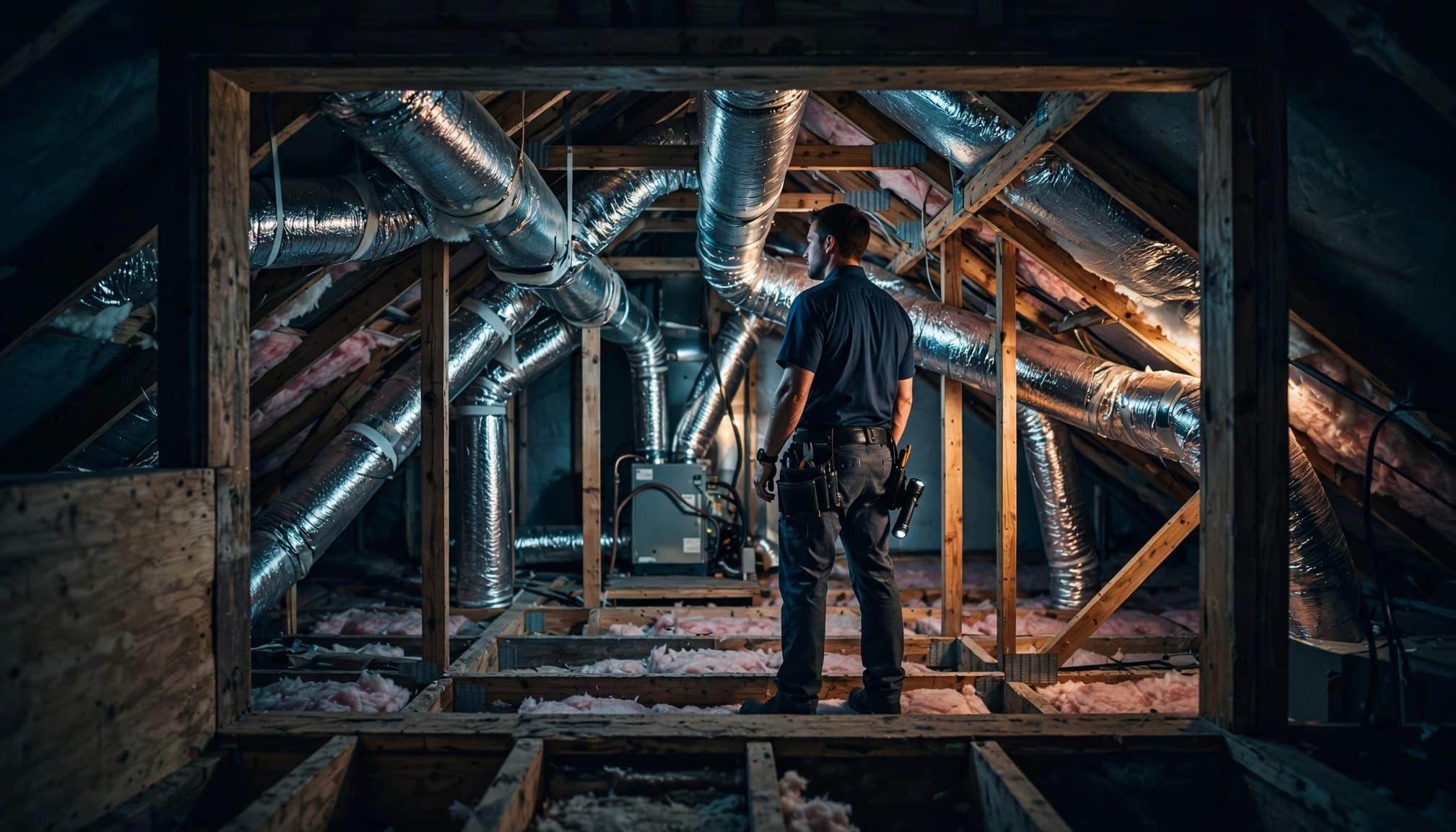
In a house, technicians usually coordinate with the homeowner, protect finished rooms, and work around furniture, pets, children, and daily routines. Access may lead through an attic, crawlspace, garage, hallway closet, or laundry area.
Florida homes can have insulated flex duct in hot attics, older sheet-metal sections, or air handlers installed inside tight closets. Those conditions affect how technicians reach the system and which tools are safe for the duct material.
For local homeowners, Fort Myers air duct and dryer vent cleaning can involve separate concerns such as dust, allergens, airflow, indoor odors, and dryer-vent buildup. The proposed work should identify which system needs attention.
Access, Equipment, and System Complexity
The commercial vs residential HVAC comparison becomes clearer when you look at the equipment and access points. Commercial systems aren't simply residential systems with more ductwork attached. They may have different controls, layouts, operating schedules, and documentation needs.
Commercial systems can have multiple service zones
A commercial property may use several air handlers, rooftop units, variable air volume boxes, long trunk lines, large return systems, or separate areas with different schedules. The technician may need to understand which equipment serves each zone before opening the system.
Documentation matters because a property owner or facility manager may need records showing what was inspected, which areas were cleaned, what access points were opened, and whether problems were found. Building and safety requirements also vary by property type and jurisdiction, so the service plan should account for local rules.
If a business has restaurants, kitchens, or laundry equipment, the technician should keep HVAC ductwork separate from exhaust and dryer-vent systems. Each system has a different function and may require a different service plan.
Residential systems often have tighter physical access
Homes can present their own technical challenges. A narrow mechanical closet may limit tool placement. Flexible duct can require gentler agitation than bare sheet metal. Crawlspaces may contain damp insulation, pest debris, or limited working room.
Multiple air handlers also change the job. A home with two systems has separate comfort zones, returns, supply runs, and equipment areas. Cleaning one handler doesn't automatically service the other.
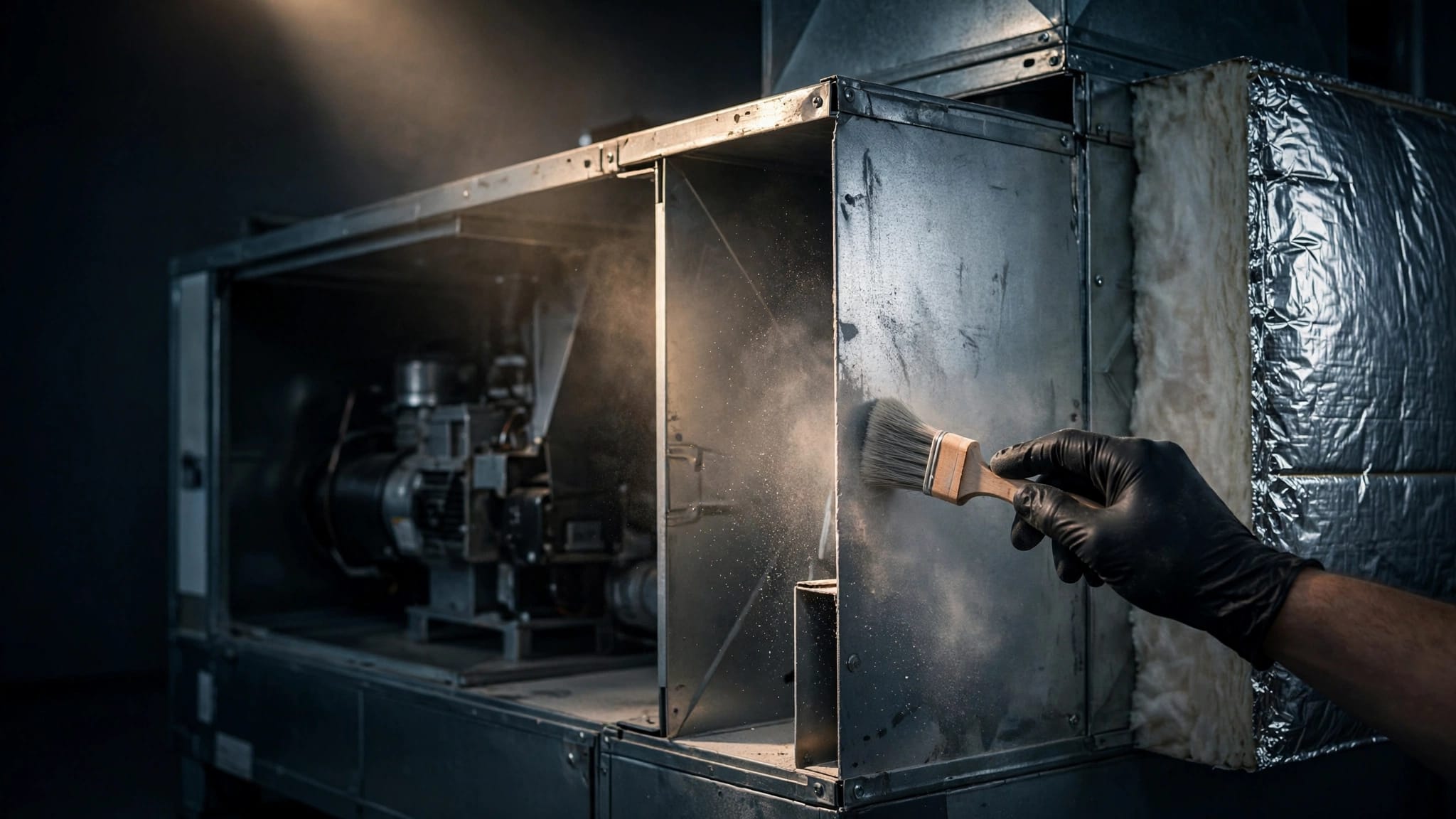
A full-system estimate should state whether it includes supply ducts, return ducts, branch lines, main trunks, registers, plenums, the blower area, and accessible air-handler components. Visible dust on a register doesn't prove that every connected duct needs the same treatment.
Diagnosis Matters More Than the Building Label
A building owner may request cleaning because of weak airflow, dust, or an odor. Those symptoms can come from different sources, so the technician should inspect before recommending a solution.
Airflow problems may need repair or balancing
Weak airflow in one room may point to a blocked branch, damaged duct section, closed damper, or disconnected connection. Weak airflow across several zones can indicate a broader restriction, control problem, equipment issue, or duct leakage.
Cleaning removes loose contamination. It doesn't repair a separated duct, collapsed section, failed insulation, or poorly sealed connection. In some cases, duct sealing, insulation repair, air balancing, or HVAC equipment service is more appropriate.
Air balancing becomes more important when a home or business has multiple zones. The goal is to distribute suitable airflow without creating excessive pressure or leaving certain rooms uncomfortable. A technician may need to measure airflow at registers and inspect dampers, branches, and returns.
Odors and moisture need closer inspection
Duct cleaning won't solve an odor that starts in a damp air handler, drain pan, wet insulation, floor drain, or clogged dryer vent. In Florida's Gulf Coast climate, moisture checks deserve attention because humidity and condensation can create conditions that keep producing odors after cleaning.
A microbial treatment or sanitizer should not replace correction of the moisture source. If insulation has absorbed contamination or odor, cleaning may not restore the material. Replacement or repair may be needed.
Businesses with food service should pay close attention to this distinction. The guidance on restaurant HVAC duct cleaning notes that airflow and odor complaints can originate in several parts of a property, not only inside duct interiors.
Cost Drivers and Quote Comparison
There is no reliable flat price for commercial or residential duct service. The cost depends on the system's condition, access, materials, building use, and the scope included in the estimate.
| Cost driver | Residential effect | Commercial effect |
|---|---|---|
| System layout | Tight closets, attics, crawlspaces, or multiple handlers can add labor | Multiple zones, air handlers, trunks, and rooftop equipment can require more planning |
| Duct material | Flexible or insulated duct may need careful handling | Sheet metal, lined duct, and mixed materials may require different tools |
| Condition | Dust, pet hair, pests, or renovation debris affect the scope | Heavy buildup, occupied areas, or contamination concerns affect containment and scheduling |
| Access | Furniture, finished rooms, and small openings shape the work | Security, tenant access, parking, controls, and operating hours affect the plan |
| Added services | Sanitizing, coil cleaning, minor repairs, or odor treatment may be separate | Documentation, after-hours work, containment, and coordination may add requirements |
A low quote may cover only a few registers. A higher estimate may include supply and return lines, main trunks, branch ducts, the air handler, access panels, containment, and cleanup. Compare the scope instead of comparing the number alone.
Ask for the details in writing:
- How many supply and return openings are included?
- Will the crew clean the main trunks and branch lines?
- Are registers removed and cleaned?
- Does the scope include the air handler, blower area, plenum, or coil?
- How will the crew protect floors, furniture, walls, and occupied spaces?
- Are sanitizers, microbial treatments, repairs, or odor services separate charges?
- What happens if technicians find wet insulation, pest debris, mold-like growth, or damaged ductwork?
Choosing a Commercial or Residential Duct Cleaner
The right provider should inspect the system, explain the findings, and match the method to the duct material. Controlled negative pressure and suitable agitation tools help collect loosened debris instead of spreading it into occupied rooms.
Ask about experience and documentation
Commercial customers should ask whether the company is insured and whether technicians have worked in commercial buildings. Ask how the crew will coordinate with facility staff, manage access, control the HVAC system, and document the completed work.
Homeowners should ask similar questions about attic flex duct, tight closets, crawlspaces, air handlers, and finished-room protection. Relevant training and experience matter more than a coupon price.
A trustworthy contractor should also explain what cleaning cannot do. It won't cure every allergy, eliminate every odor, repair a leak, replace failed insulation, or correct an active moisture problem. Be cautious when a company promises those outcomes.
Separate cleaning from repairs and dryer service
Cleaning, sealing, equipment maintenance, and duct replacement are different services. A proposal should identify which one is recommended and why. Before approving microbial treatment, ask what evidence supports it and whether the moisture source has been addressed.
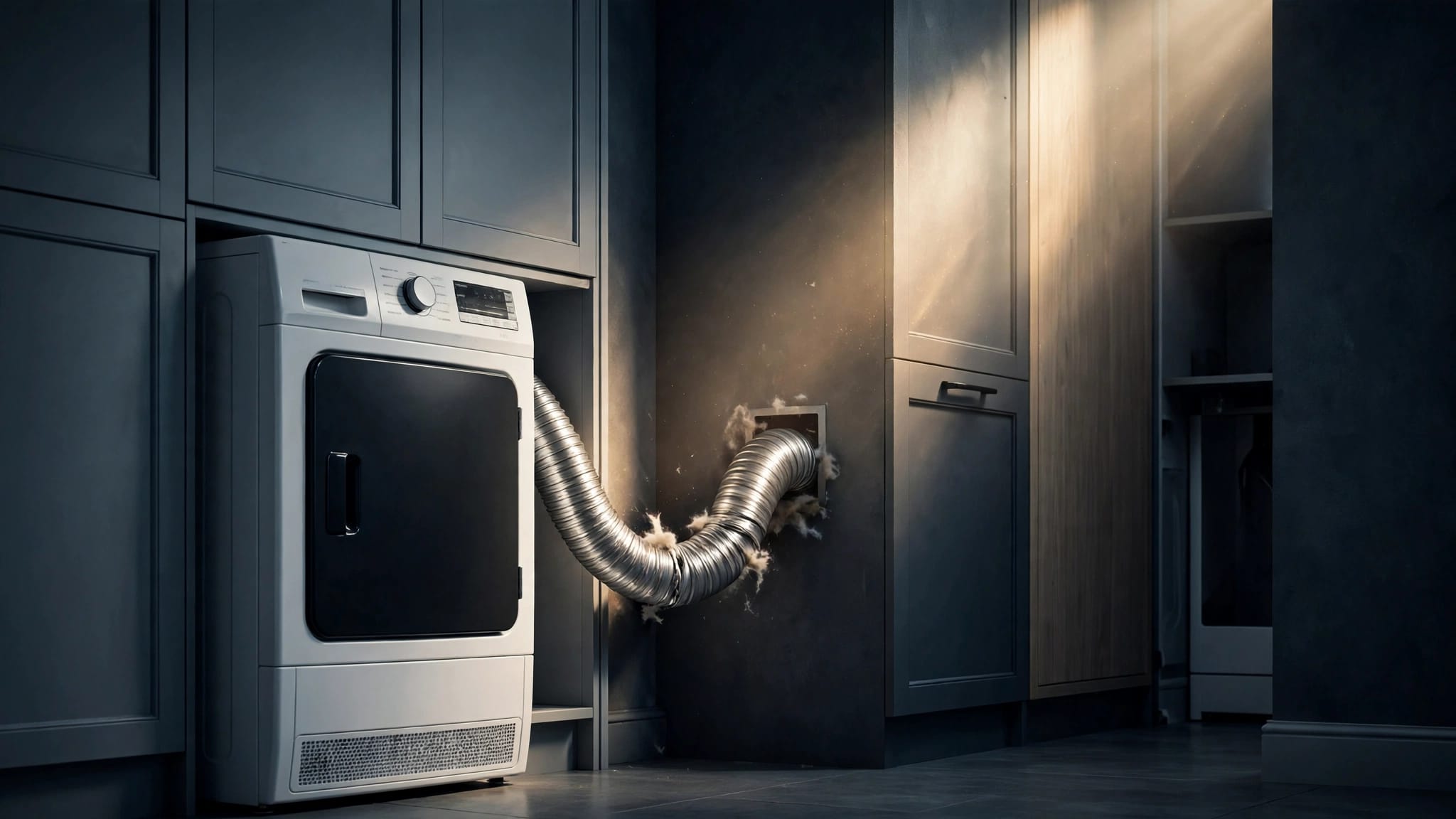
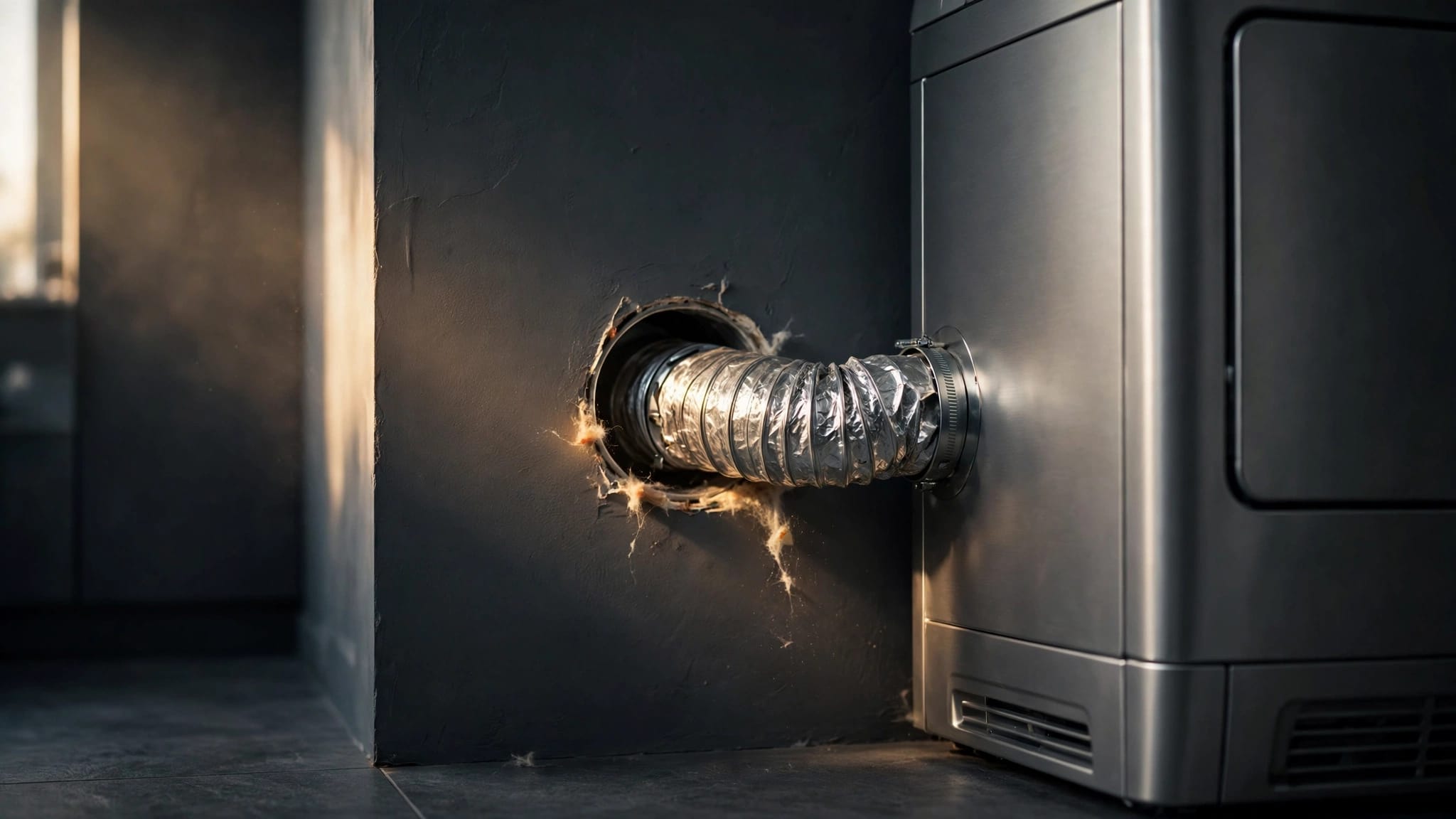
Dryer vents also need their own inspection. HVAC ducts move conditioned air through rooms, while dryer vents carry heated, lint-filled exhaust outdoors. Cleaning one does not clean the other.
Adkins Duct Cleaning & Dryer Vent Service serves residential and commercial customers along Florida's Gulf Coast, including areas near Naples, Fort Myers, and Tampa. The company lists air duct cleaning, dryer vent cleaning, odor removal, microbial treatments, UV light installation, and air purification among its services.
FAQ: Commercial and Residential Duct Service
Is commercial duct cleaning always more expensive?
Not automatically. Commercial work may involve larger systems or more coordination, but the final cost depends on access, system condition, operating hours, equipment, and the agreed scope. A small commercial suite may require less work than a large home with multiple air handlers and difficult attic access.
Does duct cleaning fix poor airflow?
Only when contamination causes the restriction. Poor airflow can also come from leaks, damaged insulation, closed dampers, equipment problems, or poor system balance. Ask the technician to identify the likely cause before approving cleaning.
Should dryer vent cleaning be included with HVAC duct cleaning?
They can be scheduled during the same visit, but they are separate systems. Ask for separate line items in the estimate so you know what each service covers.
How often should ducts be cleaned?
A calendar alone doesn't determine whether cleaning is needed. Visible buildup, pest activity, renovation debris, water damage, persistent odors, or contamination inside accessible duct sections provide stronger reasons to request an inspection. Routine filter changes and HVAC maintenance still matter after cleaning.
What should Florida property owners watch for?
Pay attention to attic flex duct, tight mechanical closets, crawlspaces, poor drainage, condensation, and Gulf Coast humidity. Dust or odor may come from a leak or moisture source outside the duct interior, so the inspection should cover the surrounding HVAC components as well.
Conclusion
Commercial and residential duct service differ in planning, access, equipment, documentation, and the effect of the work on occupants. Commercial properties often need coordination around zones, controls, tenants, and operating hours. Homes may require careful work around attics, crawlspaces, flex duct, pets, furniture, and multiple air handlers.
The strongest estimate explains what will be cleaned, what will be inspected, and which problems need repair instead. If you want to compare the scope for your property, Get a Free Estimate for air duct or dryer vent cleaning.