Lead Dust and HVAC Duct Cleaning in Older Florida Homes
Searching for lead dust HVAC duct cleaning usually means a homeowner has found deteriorated paint, completed a renovation, or noticed dust near vents. The right response depends on where the lead hazard began. In many older homes, renovation debris or failing paint creates the primary exposure risk, while ductwork may only collect some of the dust.
Homes built before 1978 may contain lead-based paint. However, ordinary duct cleaning isn't lead abatement, and it can't make a contaminated home safe by itself. Start with a lead-risk assessment when the situation calls for one, then coordinate any HVAC cleaning with the cleanup plan.
Key Takeaways for Florida Homeowners
- Pre-1978 homes may contain lead-based paint, especially around windows, doors, trim, and painted walls.
- Deteriorated paint and renovation work are often more important lead sources than ordinary dust inside ductwork.
- Disturbing contaminated dust through sweeping, dry brushing, or casual vacuuming can spread particles.
- Florida follows the federal Environmental Protection Agency (EPA) Renovation, Repair, and Painting program for paid work in most pre-1978 homes.
- Duct cleaning may help after lead abatement when the HVAC system contains dust or debris, but it isn't a substitute for abatement.
- A certified lead inspector or risk assessor can help identify the hazard before anyone opens registers, walls, ceilings, or duct access points.
- Ask HVAC companies to separate routine duct cleaning from lead-related work, containment, testing, or hazardous-material services.
Why Lead Dust Matters in Older Florida Homes
What a pre-1978 home can contain
The age of a house doesn't prove that lead paint is present, but it tells you to take the possibility seriously. The EPA advises homeowners to assume lead-based paint may exist when the construction date is uncertain. Lead paint can remain under newer layers, around repaired windows, or on trim that has been painted many times.
Paint becomes a concern when it flakes, chalks, rubs against a moving window, or gets disturbed during repairs. Florida's older homes often have painted wood windows, doors, baseboards, cabinets, and exterior surfaces that have seen decades of maintenance.
A certified inspector can identify lead-based paint. A risk assessor goes further by evaluating where lead hazards exist and how they may affect occupants. That distinction matters when a child, pregnant person, or renovation project is involved.
Renovation dust is different from routine vent dust
Drywall sanding, window replacement, trim removal, flooring work, and scraping can send fine particles into the air. An operating return grille may pull some of that material toward the air handler. Yet the main exposure may still come from contaminated floors, sills, tools, clothing, or surfaces around the work area.
Ordinary household dust near a register doesn't prove lead contamination. Likewise, a dirty filter doesn't prove that lead traveled through the HVAC system. Testing and a review of the work history provide a better answer than appearance alone.
Lead concerns usually begin with the painted surface or renovation activity. Ductwork should be evaluated as part of the larger home, not treated as the only source.
When Florida's RRP Rules Apply
Paid work in pre-1978 homes
Florida doesn't operate a separate state RRP program. Paid renovation work in pre-1978 homes generally falls under the federal EPA Renovation, Repair, and Painting program. The rule took effect on April 22, 2010.
A company performing covered work must be EPA-certified, and its workers must receive lead-safe training. The program can apply to painting, window replacement, demolition, repair, and other activities that disturb painted surfaces.
Florida's Department of Health says the RRP requirements don't cover minor maintenance that disturbs less than 6 square feet of interior painted surface or 20 square feet outdoors. Those thresholds aren't permission to ignore lead safety. A small job can still create dust, especially around friction surfaces or damaged paint.
Rentals, child-care properties, and home renovations
The homeowner exception is limited. It generally doesn't apply when the property is rented, operates as a child-care center, or is being renovated for profit as a flip. Property owners and managers should confirm which rules apply before work begins.
Local requirements and professional qualifications can change based on the property, scope, and contractor. Verify current requirements with the EPA, Florida Department of Health, or the appropriate local authority. An HVAC company may be qualified to clean ductwork but not to perform lead testing or lead abatement.
Testing Before Lead Dust HVAC Duct Cleaning
Choose the right lead professional
A lead inspector can test painted components and identify whether lead-based paint is present. A risk assessor evaluates hazards, exposure pathways, and recommended controls. For a renovation concern, the second service may provide more useful direction than a simple paint test.
Testing can be especially important when you see peeling paint, heavy dust after remodeling, paint chips, or residue around windows. It also helps when a previous contractor worked without documented lead-safe controls.
Don't disturb questionable material
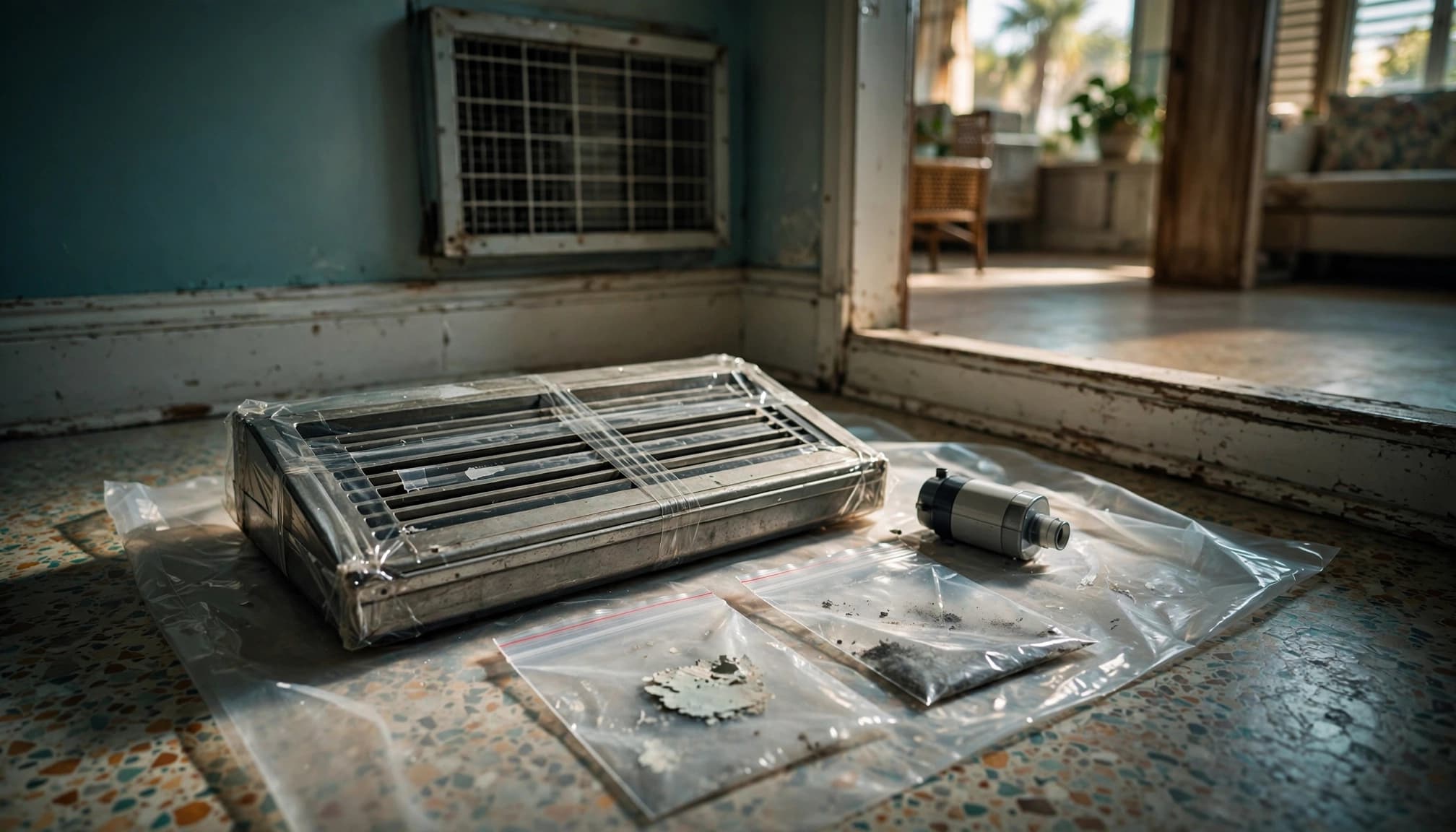
Avoid scraping, sanding, dry sweeping, or opening damaged duct insulation to investigate by yourself. Don't use a household vacuum on suspected lead dust unless it is specifically designed and equipped for that purpose. A standard vacuum can release fine particles through its exhaust or spread contamination through the home.
Keep children and pets away from the work area. Close doors where possible, avoid tracking dust into clean rooms, and don't shake dusty clothing or rugs indoors. If a renovation is underway, pause activities that disturb painted surfaces until a qualified professional provides direction.
When Lead Dust and HVAC Ducts May Be Connected
What ductwork can collect
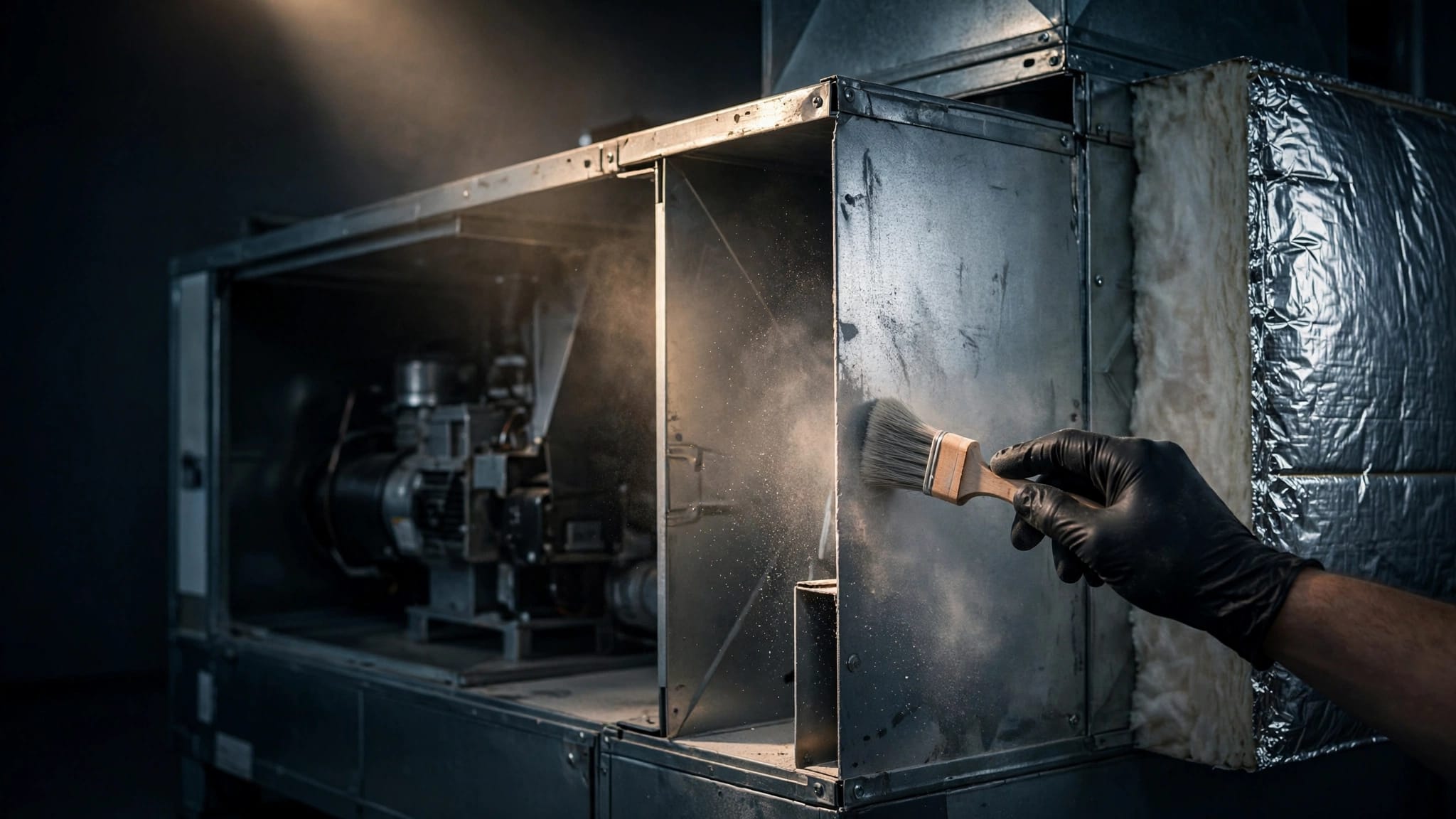
Return grilles, filters, plenums, air handlers, and supply runs can collect dust. EPA guidance also recognizes that accessible duct and radiator surfaces may gather household dust, although concentrations there are generally lower than in many other areas of a home.
Regular care still matters. Replace HVAC filters according to the equipment manufacturer's guidance, and wipe accessible hard surfaces with a clean, damp cloth. Wet cleaning helps capture dust instead of sending it back into the air.
In a Florida home, long cooling seasons, attic heat, tight mechanical closets, and humidity can complicate the inspection. Damaged insulation, moisture, pests, or a clogged filter may matter as much as loose debris inside a duct.
Why duct cleaning isn't lead abatement
A professional HVAC cleaning service can remove dust and debris from appropriate duct components. It cannot repair lead-painted windows, remove contaminated soil, clean every affected surface, or control a renovation that is still generating dust.
That is why the sequence matters. Lead professionals should identify and control the hazard first. HVAC cleaning may follow when the system has been exposed or when the abatement plan calls for it. Read more about post-abatement duct cleaning in Florida before scheduling work.
A Safer Post-Renovation Cleanup Sequence
Control the source before cleaning the HVAC system
If painted surfaces are being disturbed, the work area needs appropriate containment and lead-safe controls. Keep the HVAC system off during dusty work when a qualified contractor recommends it. Protect registers from construction debris without blocking equipment in a way that creates a mechanical or safety problem.
After the work ends, the responsible lead professional may recommend HEPA vacuuming, wet cleaning, clearance testing, or additional controls. EPA cleaning guidance includes HEPA vacuuming of furniture and other items, along with wet cleaning of hard surfaces. Those steps belong to a broader cleanup plan, not a casual household vacuuming routine.
A lead-safe contractor should also explain when the area can return to normal use. If clearance testing is part of the project, wait for the appropriate result before resuming regular occupancy.
Inspect filters, air handlers, and accessible duct sections
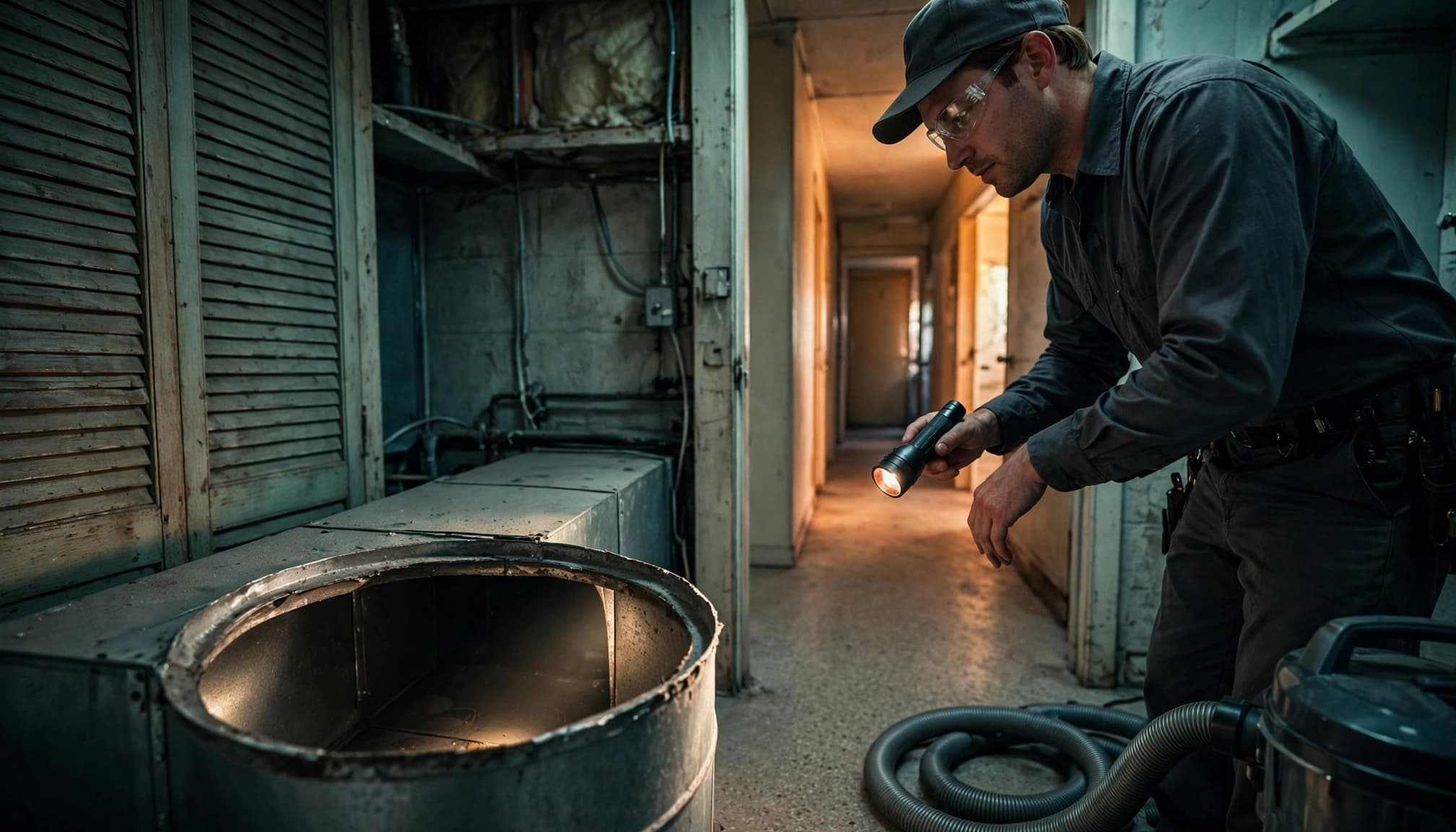
Once the source is controlled, an HVAC professional can determine whether contamination reached the filter, blower compartment, return plenum, or duct runs. The system may need cleaning, filter replacement, repair, or no additional service.
The condition of the duct material matters. Wet insulation, delamination, sagging flex duct, or damaged lining can require repair before cleaning. If asbestos is suspected, stop and obtain the correct assessment. Don't let a routine duct-cleaning appointment turn into unplanned disturbance of hazardous material.
For a clearer scope, compare what to expect during Florida air duct cleaning, including access, containment, equipment, and final cleanup.
How to Choose an HVAC Company for an Older Home
Ask the company to inspect before recommending a full cleaning. A careful provider should identify the air handler, return paths, supply runs, filter location, access limits, and visible conditions before quoting the work.
You should also ask:
- Does the company carry current insurance?
- Will the estimate separate duct cleaning from lead assessment or abatement?
- What will happen if the technician finds damaged insulation, moisture, or suspected asbestos?
- Will the crew protect floors, furniture, and registers?
- How will debris be contained and removed?
- Will you receive photographs, a written scope, or a service summary?
A duct cleaner shouldn't claim to test for lead simply because a technician can see dust. Lead testing and risk assessment require appropriate qualifications. Likewise, a lead contractor may not provide the specialized HVAC cleaning your system needs.
If only the air handler is dirty, cleaning the entire duct system may not be necessary. Understanding the difference between air handler and duct cleaning can help you avoid paying for work that doesn't match the problem.
FAQ About Lead Dust and HVAC Duct Cleaning
Should I clean my ducts if my Florida home was built before 1978?
Age alone doesn't mean the ducts need cleaning. Inspect the system for visible debris, renovation dust, pest material, moisture, or odors. If the concern involves painted surfaces or a remodeling project, address the possible lead hazard first.
Can a HEPA vacuum remove lead dust from my home?
A properly equipped HEPA vacuum can be part of professional cleanup, but vacuuming alone doesn't resolve every lead hazard. Wet cleaning, containment, source control, and clearance procedures may also be needed. A regular household vacuum isn't a safe substitute for lead-cleanup equipment.
Can duct cleaning spread lead dust?
Any work that opens, brushes, or disturbs contaminated components can spread dust if the crew lacks proper controls. Tell the company about known or suspected lead before the visit. Coordinate the HVAC service with the lead professional's instructions.
Should I clean the dryer vent at the same time?
A dryer vent is separate from the HVAC duct system. Cleaning it may be useful when airflow is weak, drying takes too long, or lint has accumulated, but it doesn't address lead dust in living areas. Keep the two services listed separately so the scope is clear.
Conclusion
Older Florida homes deserve a careful answer when lead dust and HVAC concerns overlap. Lead-based paint, deteriorated surfaces, and renovation work often create the primary hazard, while ductwork may collect only part of the material.
Use qualified lead professionals when testing, containment, or abatement is needed. After the source is controlled, an HVAC inspection can determine whether duct cleaning adds value. That separation keeps lead dust HVAC duct cleaning from becoming a misleading one-step solution and gives your home a safer, more practical plan. If you need an HVAC inspection or a separate dryer vent service, Get a Free Estimate.