Post-Abatement Duct Cleaning for Florida Homes
A lead abatement project can make any Florida homeowner worry about what may have reached the HVAC system. Post-abatement duct cleaning may be appropriate in some homes, but it isn't an automatic part of every lead-related project.
The project plan, containment methods, HVAC protection, final cleaning, and clearance requirements should guide the decision. A clean-looking register alone can't show whether a home is ready for normal use.
Lead Abatement and Duct Cleaning Are Separate Jobs
Lead abatement addresses a confirmed lead hazard through a defined scope of work. The team must follow the project plan and applicable professional requirements for containment, cleaning, waste handling, and final verification.
Air duct cleaning is a separate service. It addresses accessible HVAC components when there is a sound reason to believe dust or debris entered them, or when an inspection finds contamination inside the system.
That distinction protects homeowners from two bad outcomes. First, nobody should assume ducts are safe because an abatement crew cleaned the room. Second, nobody should be sold a whole-house duct service without evidence that the HVAC system was exposed.
A lead-safe project controls dust before it can travel. Supply registers, return grilles, and the air handler should be isolated, covered, shut down, or otherwise protected according to the work plan. When those controls worked as intended, duct cleaning may add little value.
However, a different approach may be needed if the system ran during dusty work, a return grille sat inside the containment area, or workers found debris in an accessible return or supply line.
Start With the Abatement Plan and Clearance Results
Before arranging any HVAC work, gather the paperwork from the lead project. The documents should identify the affected rooms, work methods, containment boundaries, cleanup steps, and required final testing or verification.
The abatement contractor should also state whether the HVAC system was shut down, covered, isolated, or used to maintain controlled conditions. That record helps a duct professional inspect the right components instead of making assumptions.
Cleaning verification is not the same as clearance testing
EPA lead work requirements distinguish post-work cleaning verification from formal clearance. Cleaning verification may involve prescribed wet-wipe procedures. Clearance involves dust-wipe samples collected under a defined protocol and analyzed by a laboratory.
When the project requires clearance, a qualified inspector or risk assessor usually collects the samples after final cleaning. The results matter more than a visual check because lead dust can remain after a room looks spotless.
Clearance requirements can come from the abatement plan, a housing program, a contract, or other applicable rules. Follow the standard named in your project documents.
A passed clearance result confirms the tested areas met the applicable requirement. It does not automatically prove that every hidden HVAC component needs cleaning or that no inspection is needed.
Keep records together
Save the scope of work, clearance report, invoices, photos, and any filter-change notes. If a duct contractor later recommends cleaning, those records help them match the service to the actual exposure.
They also give you a clearer basis for comparing estimates. A written scope should say which HVAC components the contractor will inspect or clean, which ones are inaccessible, and what conditions could change the price.
Protecting the HVAC System During Lead Work
The strongest duct-cleaning decision is often made before abatement begins. Keeping contaminated dust out of the system is safer and less disruptive than trying to remove it later.

The abatement contractor should follow the project plan for HVAC isolation or protection. Depending on the job, that can include turning off the system, sealing supply and return openings, protecting the air handler, and maintaining containment around the work area.
Containment keeps dust from riding the airflow
Florida's long cooling season means many homes run their AC often. A return grille can pull airborne particles toward the air handler quickly if the system operates during dusty work.
Containment barriers and controlled work practices reduce that risk. HEPA vacuuming and wet wiping then remove settled dust without sending it back into the air.
Dry sweeping is not appropriate around suspected lead dust. Neither is using a standard household vacuum, which can exhaust fine particles back into the room. Homeowners should avoid opening registers or disturbing duct interiors while lead cleanup is still underway.
Filters need deliberate attention
The HVAC filter may have protected the equipment, but it should not be treated as ordinary household trash after a lead project. The abatement plan should address removal and disposal of any filter that could have captured contaminated dust.
A replacement filter should match the air handler's specifications. An overly restrictive filter can reduce airflow, while a poorly fitting filter lets air bypass the media. Record the replacement date and check the new filter sooner than usual after the system returns to service.
When post-abatement duct cleaning is needed
Post-abatement duct cleaning makes sense when the evidence points to HVAC exposure. It should follow the lead contractor's final cleaning and required clearance steps, not replace them.

An inspection may be reasonable when containment failed, duct openings were not protected, the HVAC system ran during dust-generating work, or visible debris reached an accessible plenum, return, or blower compartment. The same is true when the project plan calls for HVAC assessment.
The recommendation should connect to a real condition. Dust on a grille does not prove that every branch line contains lead dust. Likewise, a stale odor after work does not prove the duct system caused it.
Signs that support an inspection
A qualified professional can inspect accessible portions of the system when you notice any of these conditions:
- A return or supply opening sat inside the abatement containment area without documented protection.
- The AC operated while paint, dust, or debris-generating work took place nearby.
- The filter, blower area, return box, or accessible duct surfaces show debris linked to the work.
- Abatement records identify possible HVAC exposure or call for an HVAC evaluation.
- The home already had a duct-cleaning need, such as construction debris, pest material, or damaged ductwork.
If inspection finds clean, protected components and the work area has passed the required verification, a full cleaning may not be needed. That is a good outcome, not a missed service.
For a clearer view of service access, equipment, and preparation, review what to expect during air duct cleaning.
What Safe Duct Cleaning Should Include
When a professional determines that duct cleaning is appropriate, the work should control debris at every step. The contractor should understand that the job follows lead abatement, not routine seasonal dusting.

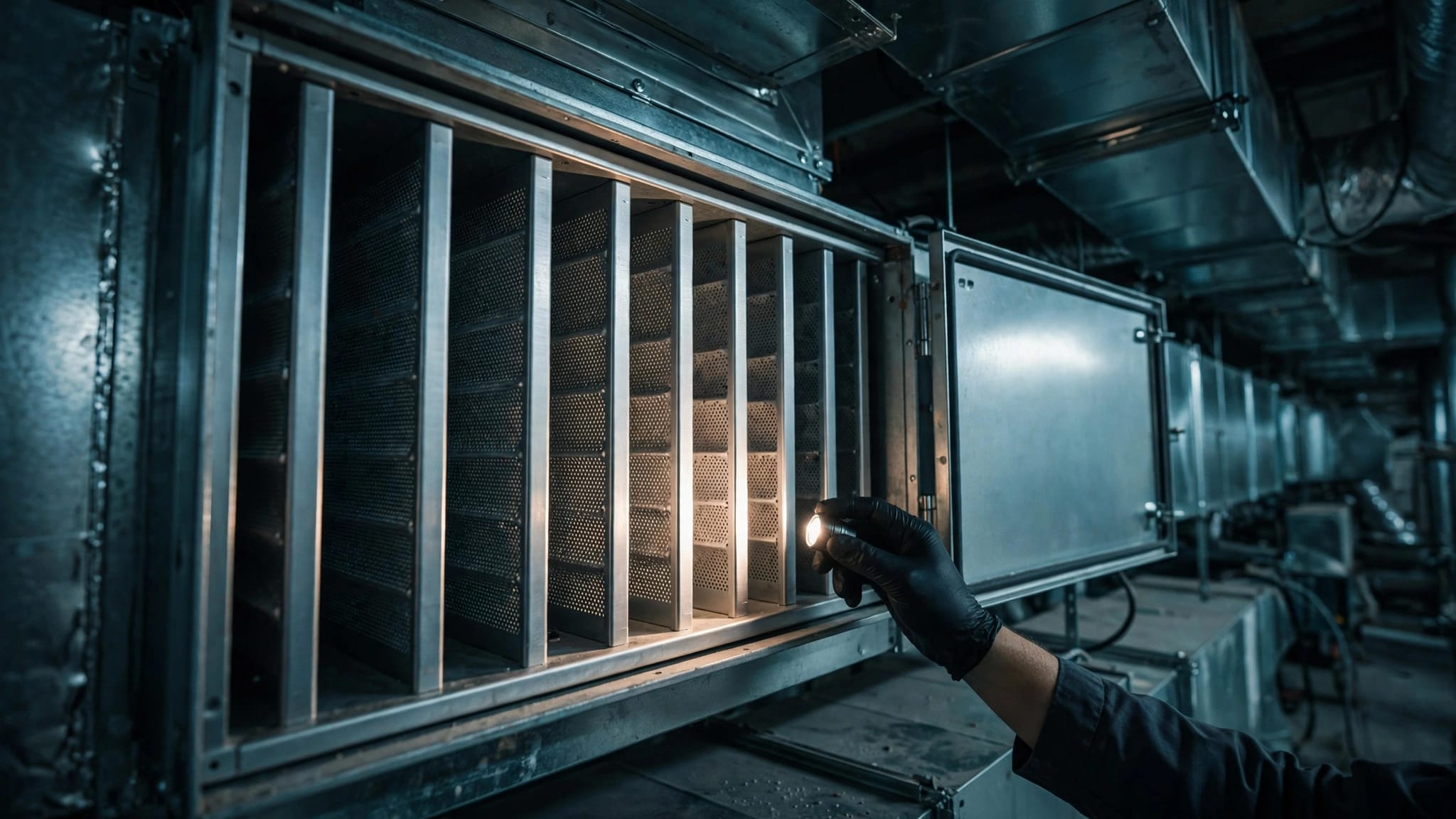
A careful crew inspects the accessible system first. That usually includes return grilles, supply registers, accessible branch lines, main trunks, the return box, and the air handler area when the scope allows.
HEPA collection and controlled negative pressure
A professional setup uses HEPA-filtered collection equipment and controlled negative pressure to pull loosened material toward the vacuum source. Technicians may use gentle mechanical agitation when the duct material can handle it.
Flexible ductwork deserves extra care. Aggressive brushes or high pressure can tear the inner liner, loosen insulation, or damage vapor barriers. Cleaning should never create an air leak that sends conditioned air into a Florida attic.
The crew should protect floors and nearby furnishings, seal any access openings after service, and remove collected material without spreading it through living spaces. Ask how they will contain debris before approving the work.
Cleaning cannot repair damaged ductwork
A disconnected flex duct, crushed section, torn liner, or contaminated insulation may need repair or replacement. Vacuuming cannot correct those defects.
The final report should identify damaged sections, inaccessible areas, and any follow-up work that falls outside the original scope. Request photos when possible, especially if a contractor recommends replacement.
Inspect the Air Handler, Not Only the Ducts
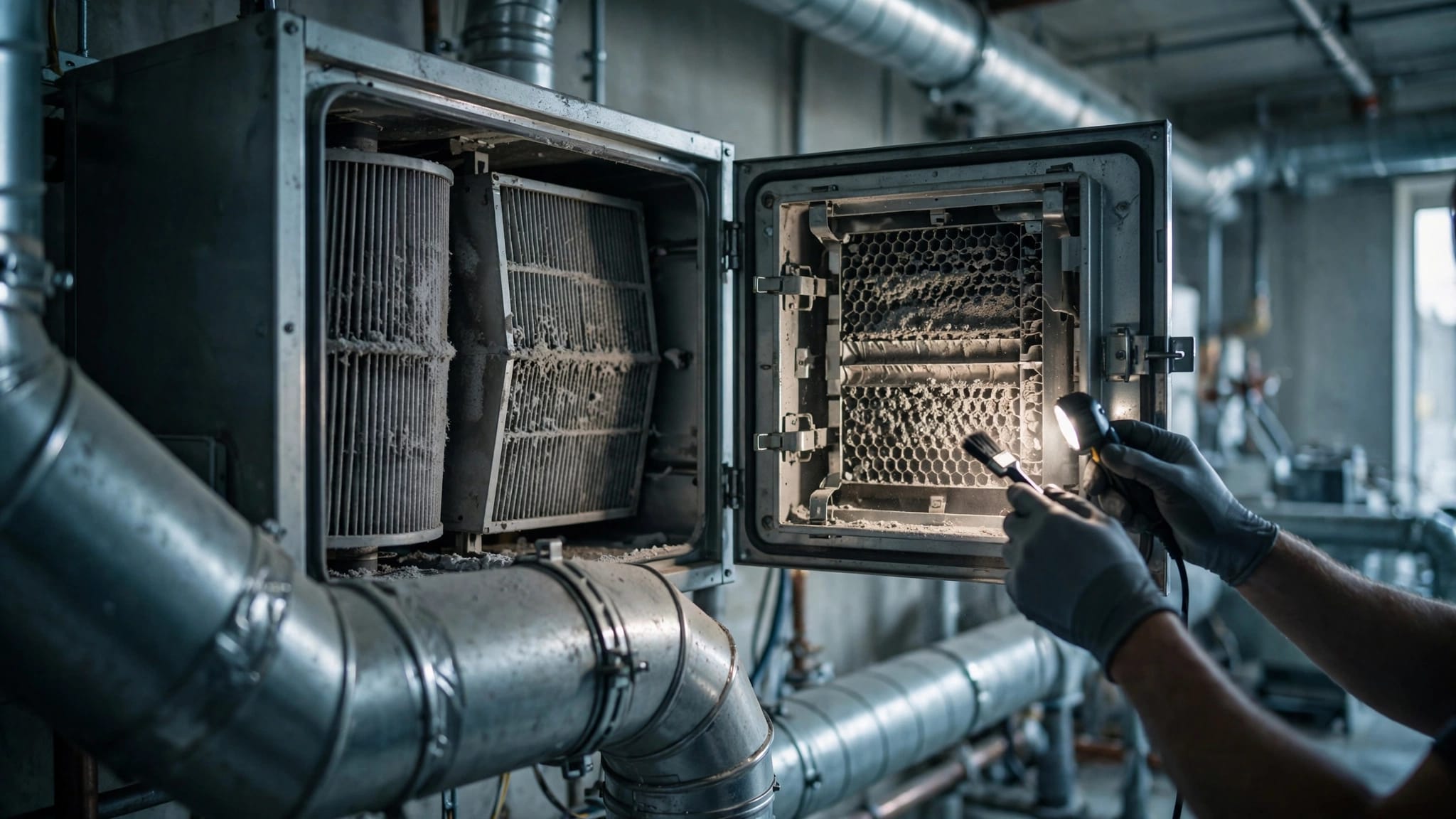
The air handler is the heart of the HVAC system. It contains the filter rack, blower compartment, cabinet, drain components, and other areas that can collect dust. If a return pulled particles toward the system, this area may need attention even when supply ducts appear clean.
A duct-only quote can miss the component that needs inspection most. On the other hand, a dirty air handler does not automatically mean every duct line needs cleaning.
The right service depends on where the debris is located. A clean filter rack and blower area may point toward limited exposure. Debris in an accessible return box may call for a focused scope. A technician should explain the finding in plain language.
For help separating those decisions, see this guide to air handler versus duct cleaning.
Keep dryer vents out of the same estimate
A dryer vent is separate from your home's HVAC ducts. It moves hot, moist exhaust and lint outdoors, while the HVAC system circulates conditioned air through supply and return pathways.
A dryer vent cleaning may still be useful if the laundry vent has poor airflow or lint buildup. It should appear as its own service, with its own scope and price. Combining unrelated work into one vague "air quality package" can make it hard to know what you are buying.
Questions to Ask Before Hiring a Duct Cleaner
Florida homeowners should use a contractor who can explain the process without making broad promises. EPA lists Florida among states with special licensing requirements for air duct cleaners, so verify that the company meets applicable licensing and insurance requirements.
Ask these questions before work starts:
- Can you explain why duct cleaning is recommended after this particular abatement project?
- Which supply ducts, return ducts, air handler components, and access areas are included?
- How will you protect the home and contain collected debris during service?
- Do you use HEPA-filtered equipment and controlled negative pressure?
- How will you handle flexible ductwork without damaging the inner liner?
- Will you replace the HVAC filter, and how should the old filter be handled?
- Which conditions could require added work, and will you get approval first?
- Can you provide a written report with photos, findings, and any damaged components?
A low estimate may cover only a few registers or a quick vacuum near the air handler. Compare the written scope, access limits, containment method, cleanup, and documentation instead of the headline price alone.
If you need an inspection-based quote for the Gulf Coast home, Get a Free Estimate after you have the abatement scope and clearance information available.
Avoid DIY Disturbance of Suspected Lead Dust
Lead dust is not a normal housekeeping problem. Do not remove vent covers, push household tools into ducts, dry sweep registers, or use a non-HEPA vacuum in an attempt to clean suspected contamination.
Homeowners can take low-risk steps while waiting for direction. Keep children and pets away from the affected area, avoid running the HVAC system unless the lead professional says it is safe, and retain all project records.
A concise safety disclaimer
This article offers general homeowner information, not a lead-risk assessment or clearance determination. Follow the written abatement plan, the requirements that apply to your project, and directions from qualified lead and HVAC professionals. Contact the appropriate professional promptly if you suspect lead dust entered an operating HVAC system.
A Clean Result Depends on the Right Sequence
A successful lead project starts with containment and HVAC protection. It ends with thorough cleaning and the required verification or clearance, not with a rushed duct appointment.
Post-abatement duct cleaning is useful when an inspection and project records show that HVAC components may have been exposed. When the system stayed protected and clearance requirements are met, unnecessary cleaning can be avoided.
The safest choice is a documented one: follow the project plan, replace filters correctly, use qualified professionals, and treat suspected lead dust with care.