Attic Air Duct Cleaning for Florida Homes: What Matters
An attic can turn an ordinary HVAC cleaning decision into a more careful home-maintenance project. Florida heat, humid air, insulation, and tight access points all affect what a technician can inspect and clean safely.
Attic air duct cleaning may help when an inspection finds real buildup, pest debris, renovation dust, or moisture-related concerns. It is not a service every home needs on a fixed yearly schedule. The right timing depends on the condition of your ducts and the equipment connected to them.
A careful inspection gives you a clearer answer than a calendar reminder ever could.
Why Attic-Mounted HVAC Systems Need Extra Care
Many Florida homes place the air handler and most ductwork above the ceiling. That keeps equipment out of living areas, but it puts it inside one of the hottest parts of the house.
Summer attic temperatures can put stress on duct insulation, tape, mastic, drain components, and flexible duct connections. A small opening in a return duct may pull dusty attic air or loose insulation fibers into the system. Meanwhile, a supply duct leak wastes cooled air before it reaches a room.
Heat and humidity can expose weak spots
Conditioned air moving through cold ducts can meet warm, humid attic air at damaged insulation or unsealed joints. That combination can create condensation on exterior duct surfaces.
Condensation does not prove the ducts need cleaning. However, it does call for a close look at insulation, vapor barriers, duct sealing, drainage, and the source of moisture. Cleaning alone cannot correct a disconnected duct, torn insulation jacket, or recurring water problem.
Access affects both safety and results
An attic technician needs a stable route, safe lighting, and enough clearance to avoid stepping through a ceiling. Loose-fill insulation can hide joists, electrical wiring, and duct connections.

Flexible ducts also need gentle handling. Their inner liners can tear or collapse if someone drags equipment across them or uses an overly aggressive brush. A qualified crew should protect the attic path and inspect accessible connections before starting work.
When Attic Air Duct Cleaning Makes Sense
Dust on a vent cover alone is common and does not reveal the condition of every duct run. Start with visible evidence, system history, and an inspection of accessible areas.
For example, a home may need attention after a renovation that sent fine dust into returns. A pest issue in the attic may leave debris near ducts or damage insulation. Roof work can also create attic dust, although a reroof does not automatically mean the entire HVAC system needs cleaning.
Look for a pattern, not one minor clue
Consider an inspection when you notice several of these conditions:
- Visible debris inside accessible supply or return openings.
- Dust or construction material entering the system after remodeling.
- Pest droppings, nesting material, or damaged duct insulation in the attic.
- Musty odors that appear when the HVAC system starts, especially with signs of moisture nearby.
- Filter loading that seems unusually fast, even after checking the filter size and fit.
- A confirmed duct disconnection, crushed flex duct, or return-side opening that draws attic air.
Odors and dust can come from many places, including flooring, furnishings, smoke residue, or a return-air leak. An inspection should separate those possibilities before anyone promises that cleaning will solve them.
Avoid automatic annual scheduling
A clean, sealed system with normal airflow and no contamination may not need routine duct cleaning every year. On the other hand, a house with ongoing construction dust, pets, water intrusion, or pest activity may need service sooner.
Repeated dust after a cleaning can point to a return leak or damaged duct insulation, not a need for another cleaning.
The goal is to correct the condition that brought debris into the system. Otherwise, the same issue can return after the ducts look clean.
Duct Cleaning and Air-Handler Service Are Different Jobs
Homeowners often use "duct cleaning" as a catch-all term. Yet ducts, the air handler, the evaporator coil, and the condensate system are separate parts with different cleaning methods and service needs.
A written estimate should name each task. That protects you from paying for a vague package that does not address the equipment you are concerned about.
| Service area | What it involves | What it cannot fix |
|---|---|---|
| Duct cleaning | Supply runs, return runs, registers, grilles, and accessible plenums | Leaks, crushed ducts, or failed insulation |
| Air-handler cleaning | Cabinet interior, blower area, and accessible components | A damaged coil or electrical fault |
| Evaporator-coil service | Cleaning the coil with appropriate HVAC methods | Duct contamination elsewhere |
| Drain-pan and condensate-line service | Removing drainage blockage and checking water flow | Dust buildup inside long duct runs |
What duct cleaning covers
Proper attic air duct cleaning targets the pathways that carry conditioned air. A technician may use a negative-pressure vacuum, controlled agitation tools, and sealed access points to remove loose debris from accessible duct sections.
The work should include a review of return ducts as well as supply ducts. Return-side problems matter because they can pull air from the attic if a seam, chase, or connection has opened.
What air-handler service covers
The air handler houses components that move and condition air. Its blower compartment, coil area, drain pan, and condensate line need their own inspection.
A dirty evaporator coil or blocked condensate line can cause cooling and drainage concerns even if the duct interiors look normal. For a closer look at the difference, review air handler cleaning vs duct cleaning before approving a combined service.
What a Careful Attic Duct-Cleaning Visit Includes
Good work begins before the vacuum turns on. The crew should ask about attic access, the number of HVAC systems, recent roof or renovation work, visible moisture, and any rooms with airflow concerns.
They should also identify duct material. Many Florida homes use insulated flexible ducts, and those sections require a cleaning approach that will not crush, puncture, or pull apart the liner.
Inspection, containment, and controlled cleaning
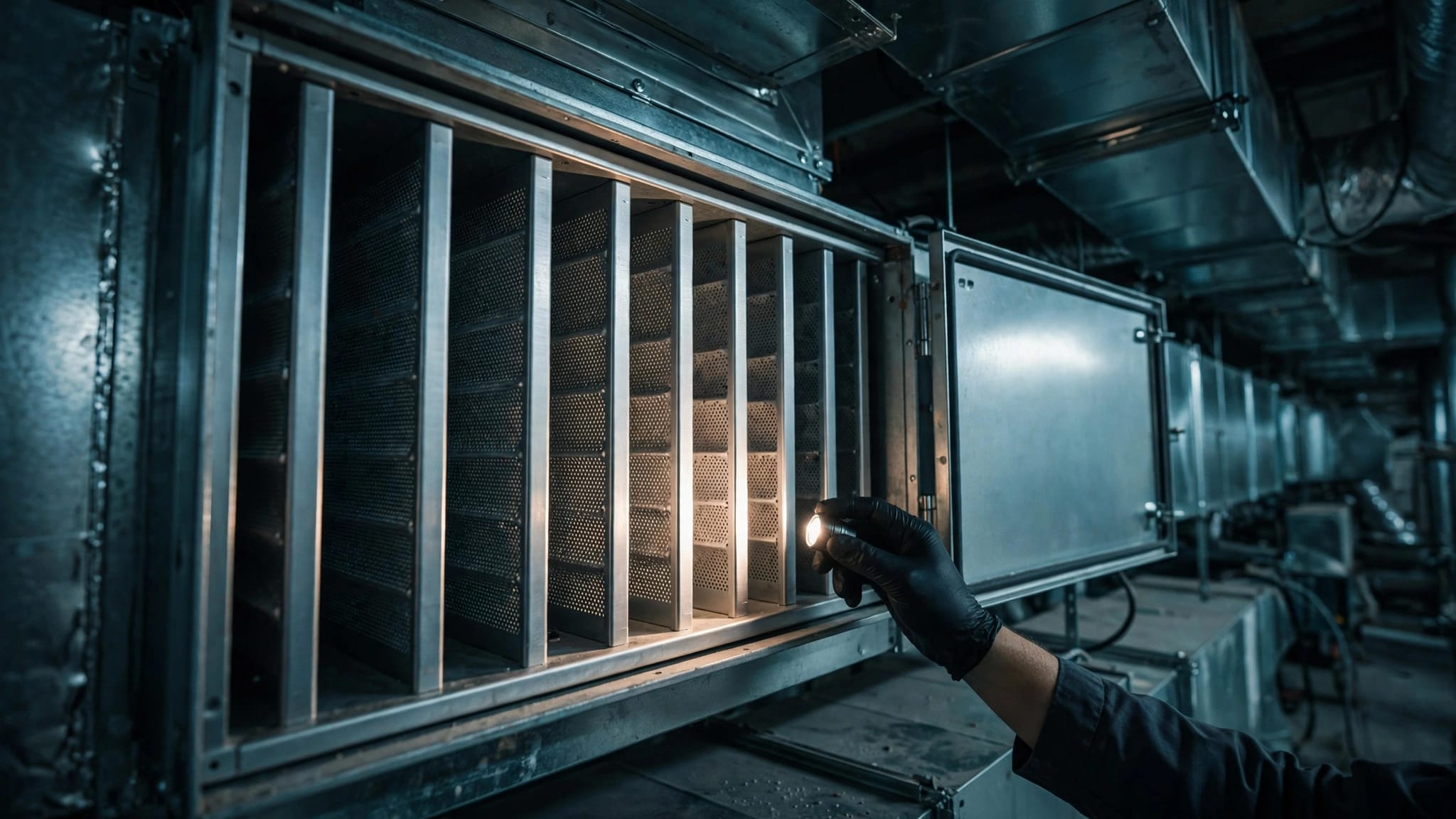
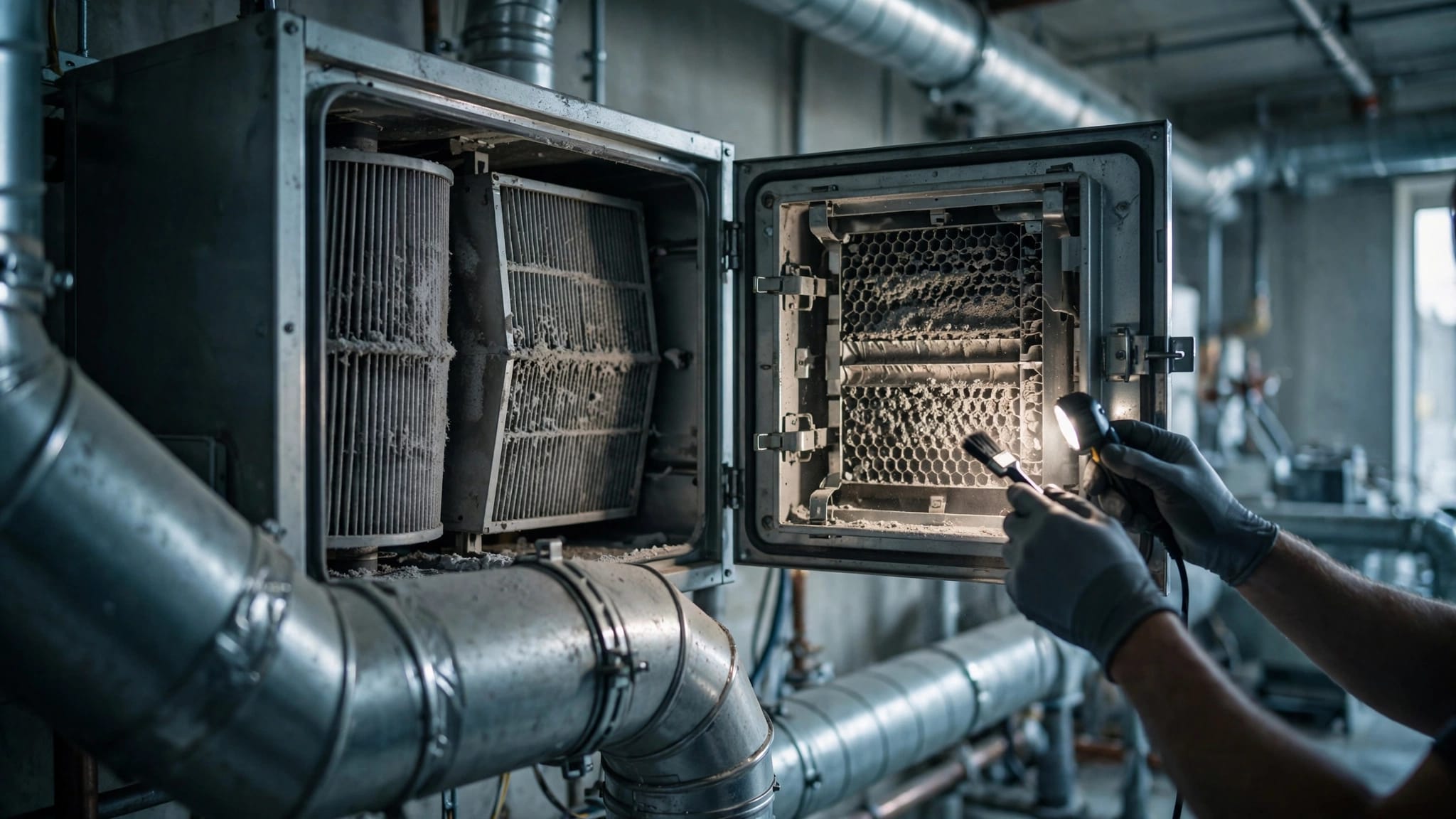
A technician should inspect accessible ducts, plenums, registers, returns, and air-handler connections. If the attic shows water damage, pests, disconnected ducts, or fragile flex duct, those findings should shape the service plan.
During cleaning, the system should stay under controlled suction so loosened debris moves toward collection equipment rather than into rooms. Crews may create and reseal access openings when needed. They should not leave unsealed holes in ductwork or damage the exterior insulation jacket.

Documentation makes the work easier to evaluate
Ask for a completion report that identifies the system serviced and the areas accessed. It should note visible concerns such as damaged flex duct, loose connections, wet insulation, inaccessible runs, or debris that needs a separate repair.
Photos can help when they show a real condition, especially in an attic you cannot safely enter. They should support a recommendation, not replace an explanation of what needs repair and why.
For a practical overview of arrival, setup, and cleanup, see what to expect during an air duct cleaning visit.
Moisture, Insulation, and Contamination Risks
Florida attic conditions make moisture control part of HVAC care. Cool air leaks, poor duct insulation, a blocked drain, roof leaks, and return leaks can all create damp conditions around the system.
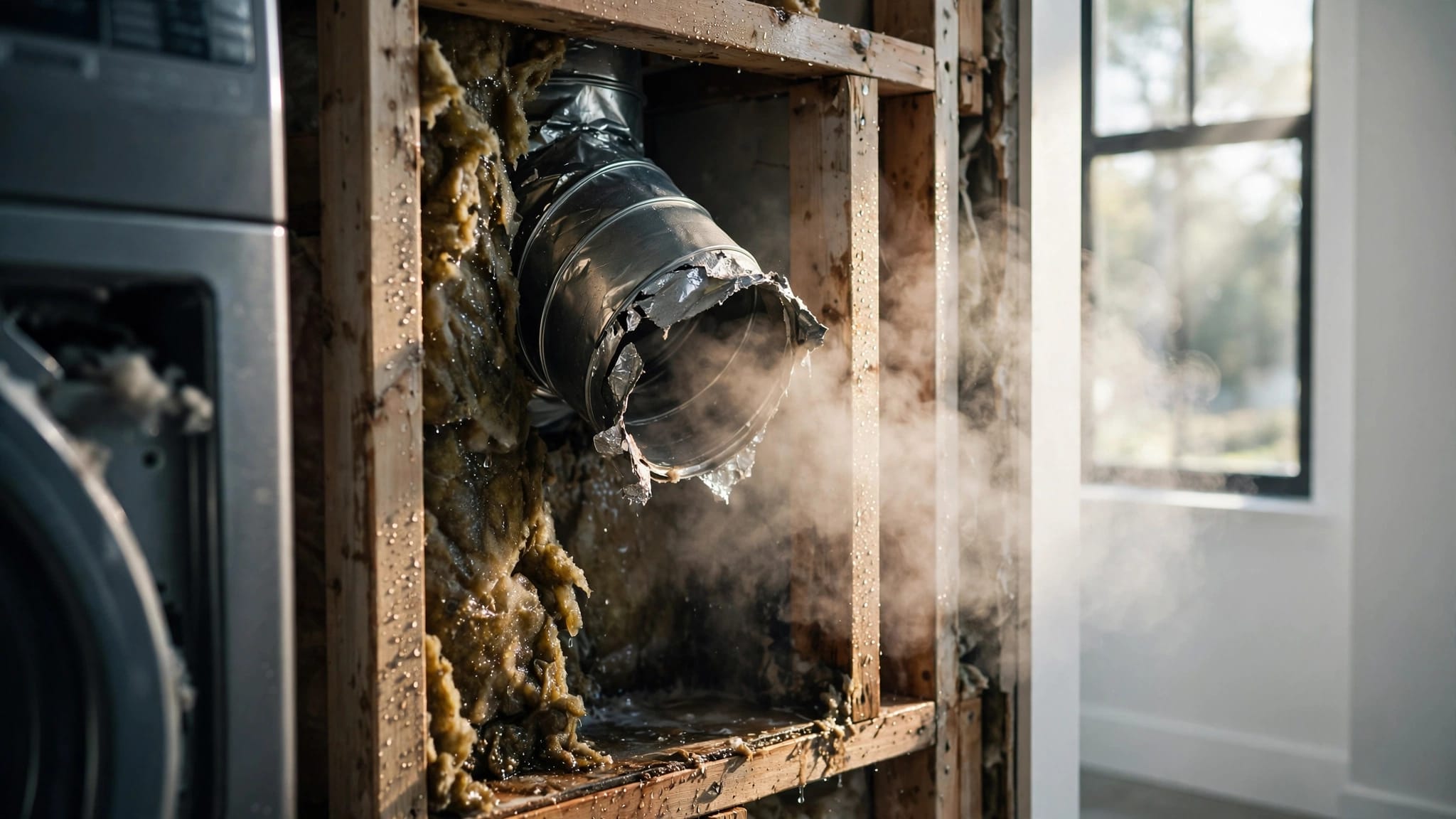
Cleaning dry dust differs from addressing material affected by water or suspected microbial growth. If an inspector finds wet insulation, visible growth, or pest contamination, the source must be corrected before the area can stay clean.
Treat moisture as a repair issue first
A condensate drain problem may overflow into a pan or surrounding area. A roof leak can wet insulation above a duct. Neither situation is resolved by vacuuming the ducts.
Ask whether the drain pan, condensate line, coil compartment, and nearby insulation show signs of water. If they do, get the drainage or building issue assessed by the appropriate HVAC or repair professional.
Seal leaks before they refill the system with dust
Return leaks deserve special attention because negative pressure can draw attic air into the HVAC system. That air may carry insulation fibers, dust, and odors through the return side.
Duct sealing is different from duct cleaning, but the two services often belong in the same conversation. Once a leak is found, ask whether the duct requires mastic sealing, reconnection, replacement, or added support. Avoid covering a problem with a deodorizer or treatment before the source is clear.
Questions to Ask Before You Hire a Contractor
A low estimate may leave out difficult attic access, return ducts, air-handler inspection, or repairs. Compare the scope, not only the total price.
Before booking attic air duct cleaning, ask these questions:
- Will you inspect the air handler, duct insulation, return connections, and condensate pan separately from the duct-cleaning work?
- Which supply and return sections are included, and which areas may be inaccessible?
- What equipment will you use for flexible ducts, and how will you prevent damage to the inner liner?
- Will you reseal access openings and report disconnected ducts, leaks, water damage, or pest evidence?
- Does the estimate include optional sanitizers or treatments, and what condition would those products address?
- Are you insured, and will the crew protect floors, furniture, attic access points, and ceiling areas?
Keep dryer vents in a separate scope
Your dryer vent may also run through the attic, but it is not part of the HVAC duct system. Dryer exhaust carries heat, moisture, and lint outside through a separate route.
If you schedule both services, request two clear descriptions of the work. Dryer vent cleaning should include the accessible route, exterior termination, and an airflow check when appropriate. It should also identify crushed ducting, loose connections, or a damaged exterior flap.
Do not operate the dryer if you smell burning, see smoke, or notice scorching. Turn it off and arrange an inspection. For HVAC or dryer vent service with a defined scope, Get a Free Estimate.
A Better Standard for Attic HVAC Care
Attics make HVAC maintenance harder because heat, humidity, insulation, and limited access can hide problems. That is why attic air duct cleaning should begin with evidence and inspection, not a fixed schedule or a broad promise.
Clean ducts can remove certain debris, but lasting results depend on dry conditions, sealed connections, sound insulation, and a properly maintained air handler. A careful service plan addresses each of those pieces in its proper place.