Air Duct Cleaning in Tight Florida HVAC Closets
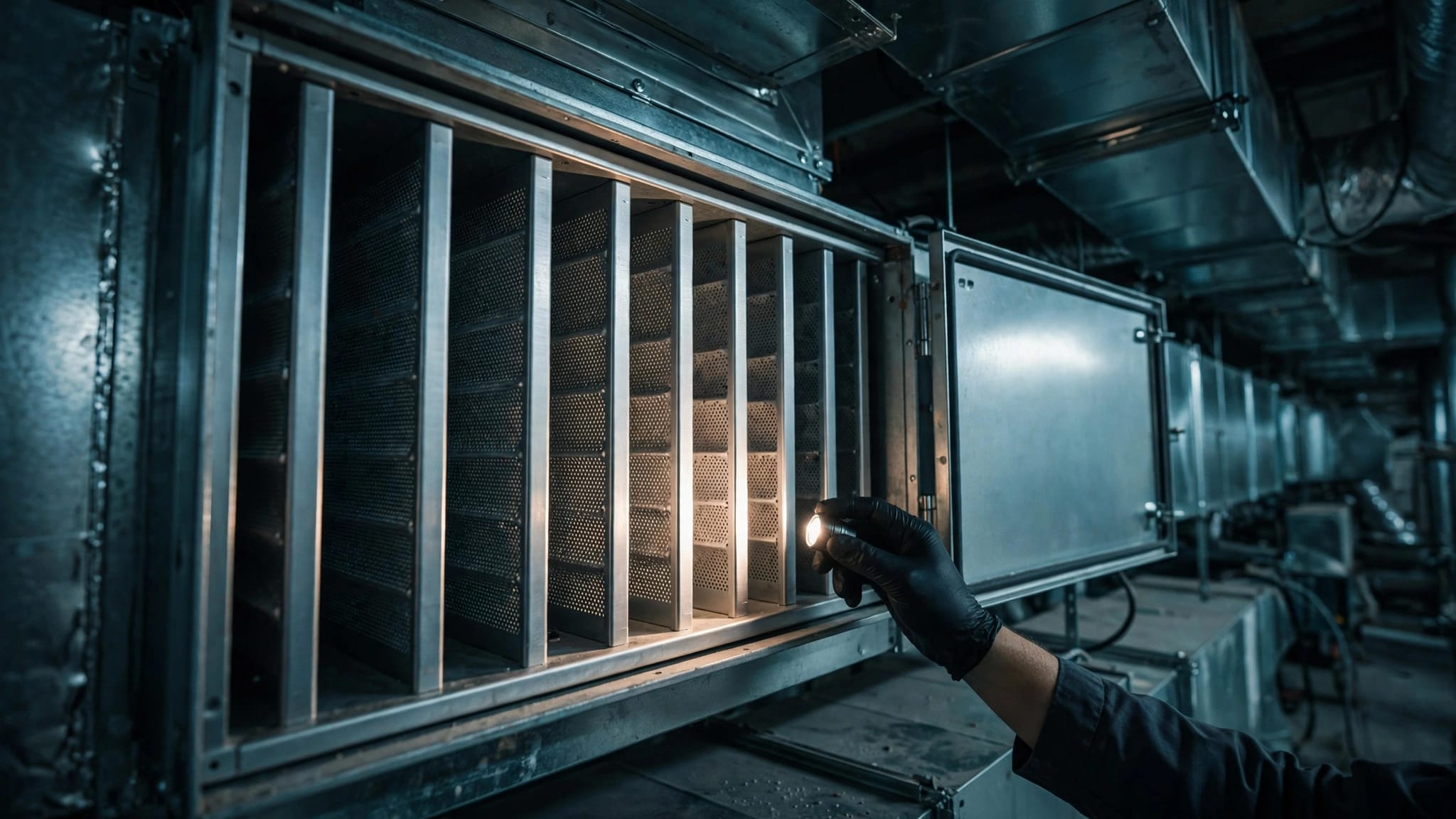
A narrow HVAC closet doesn't prevent air duct cleaning , but it does change how the work should happen. Florida homes often tuck the air handler into a hallway, laundry room, garage, or small utility closet, where every inch of access matters.
When dust collects at vents, renovation debris shows up in rooms, or a musty odor returns with the AC, the ducts may deserve a closer look. A careful inspection helps separate a duct issue from a filter, drain, coil, or humidity problem before any cleaning begins.
Why tight HVAC closets need a careful approach
An HVAC closet may look simple from the outside. Behind the door, though, there can be duct connections, a return opening, wiring, a filter rack, a drain line, and insulated refrigerant lines in a small footprint.
A professional crew plans the access route before bringing in large hoses or agitation tools. That protects the home and helps avoid damage to nearby equipment.
Limited space changes the equipment setup
Technicians often use flexible vacuum hose, compact tools, and access points at supply and return ducts. They may connect a negative-air vacuum to an appropriate duct opening, then use controlled brushing or air-whip tools to loosen debris inside the runs.
Floor coverings, door frames, and nearby walls should be protected before work begins. The goal is to contain loosened material under suction, rather than push dust into the closet or living space.

Florida humidity adds another concern
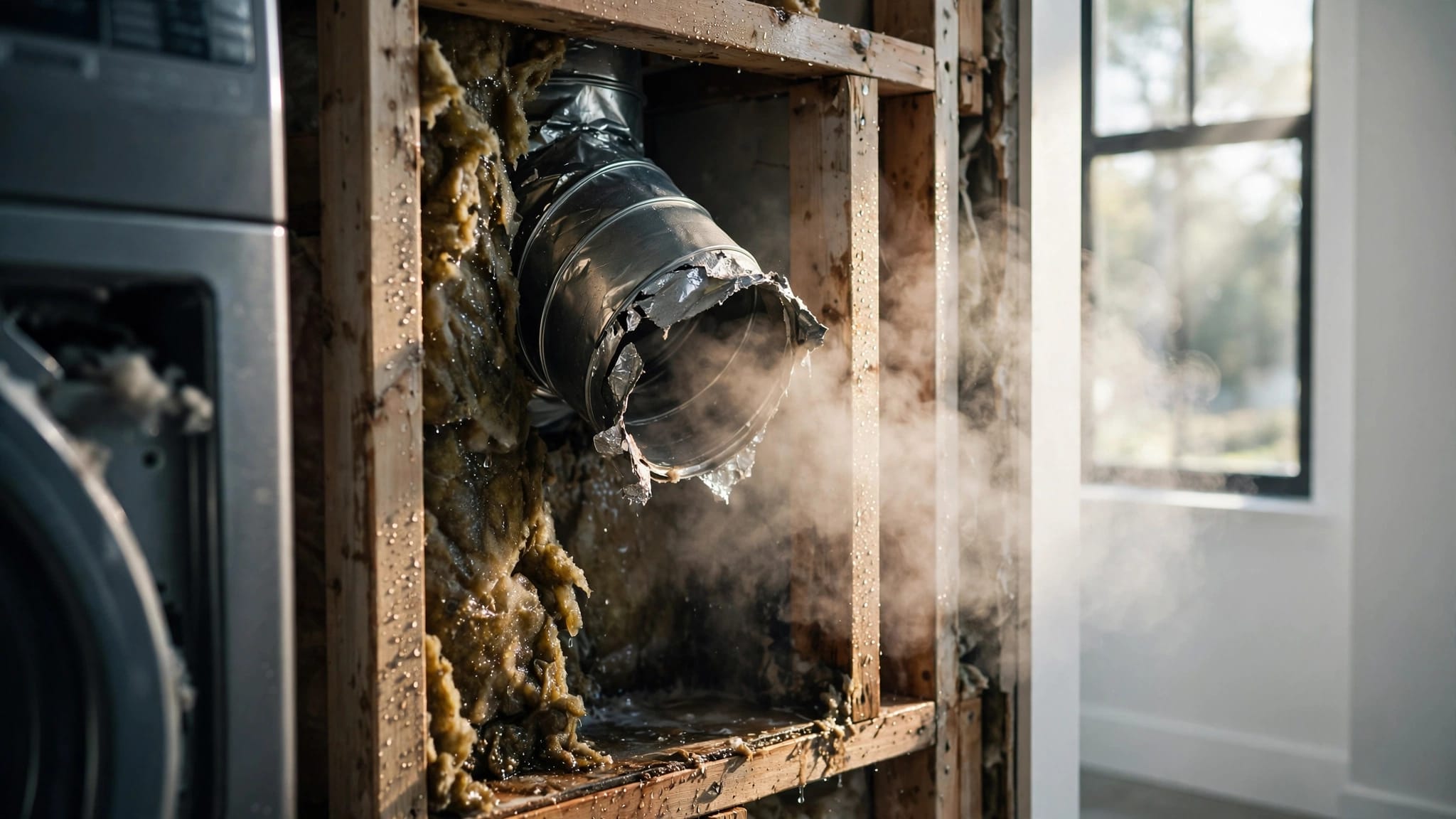
High humidity can make a closet feel damp, especially if the air handler runs for long summer stretches. Moisture near the indoor unit may come from condensation, a drain issue, poor insulation, or air leakage around duct connections.
Duct cleaning can remove dust and debris. However, it won't correct an active water source. If there is staining, visible growth, standing water, or a persistent musty smell, the moisture issue needs inspection and repair first.
Cleaning material from ducts without correcting moisture can leave the conditions that caused the problem in place.
Signs air duct cleaning may be worth considering
Ductwork doesn't need cleaning on a fixed calendar. A service makes more sense when there is visible contamination, a known event, or a recurring problem that basic housekeeping has not solved.
For a closer comparison between routine filter care and duct service, see this guide on when to clean Florida air ducts.
Dust, debris, and post-renovation buildup
Dust on a return grille alone doesn't prove the ducts are dirty. Still, debris blowing from supply vents, visible buildup inside accessible registers, or drywall dust after remodeling can justify an inspection.
Homes with pets, frequent open windows, recent construction, or years of deferred maintenance may collect more material in return paths. A clogged filter can also add to the problem, so check its condition and fit before assuming the duct system is the cause.
Odors and airflow changes need diagnosis
A stale smell when the AC starts can come from several places. Ducts may hold dust or residue, while the evaporator coil, drain pan, blower area, wet insulation, or a dirty filter can create similar symptoms.
Likewise, weak airflow may involve dirty ducts, but it can also point to a blocked filter, duct leak, closed damper, failing blower, or restricted coil. An honest assessment identifies the likely source instead of treating every HVAC concern as a duct-cleaning job.
How professionals clean ducts in cramped closets
A good appointment should feel organized, even when the indoor unit sits in a closet barely wider than the equipment. Crews need access to registers, return grilles, and the air handler area, but they should explain what they will open and why.
For a broader walkthrough of the visit, review what to expect from Florida air duct cleaning.
Protecting the home and setting up containment
First, the crew checks the closet, identifies accessible duct connections, and protects the work area. They should keep a clear path for hoses and avoid placing heavy equipment against walls, cabinets, or the air handler.
Next, they establish negative pressure in the duct system when the setup allows. This pulls loosened dust toward the collection equipment. Registers and return openings may be cleaned one at a time as the technician works through the system.
Cleaning the supply and return pathways
Air duct cleaning focuses on the supply ducts that deliver conditioned air and the return path that brings household air back to the system. Technicians may clean registers, grilles, accessible trunk lines, branch ducts, and return components within the agreed scope.
A concealed return chase can hold material beyond the grille. In Florida homes, that pathway may run through a wall, soffit, ceiling, or closet. Return air chase cleaning in Florida requires appropriate access, because forcing tools through a hidden path can damage drywall, insulation, or duct board.

Duct cleaning and air handler service are different jobs
The HVAC closet holds more than ducts. Understanding what each service covers helps you ask for the right work and compare estimates fairly.
| Service | Main area addressed | Common reason to schedule it |
|---|---|---|
| Air duct cleaning | Supply ducts, return ducts, registers, and accessible return paths | Dust, debris, pests, renovation residue, or visible duct contamination |
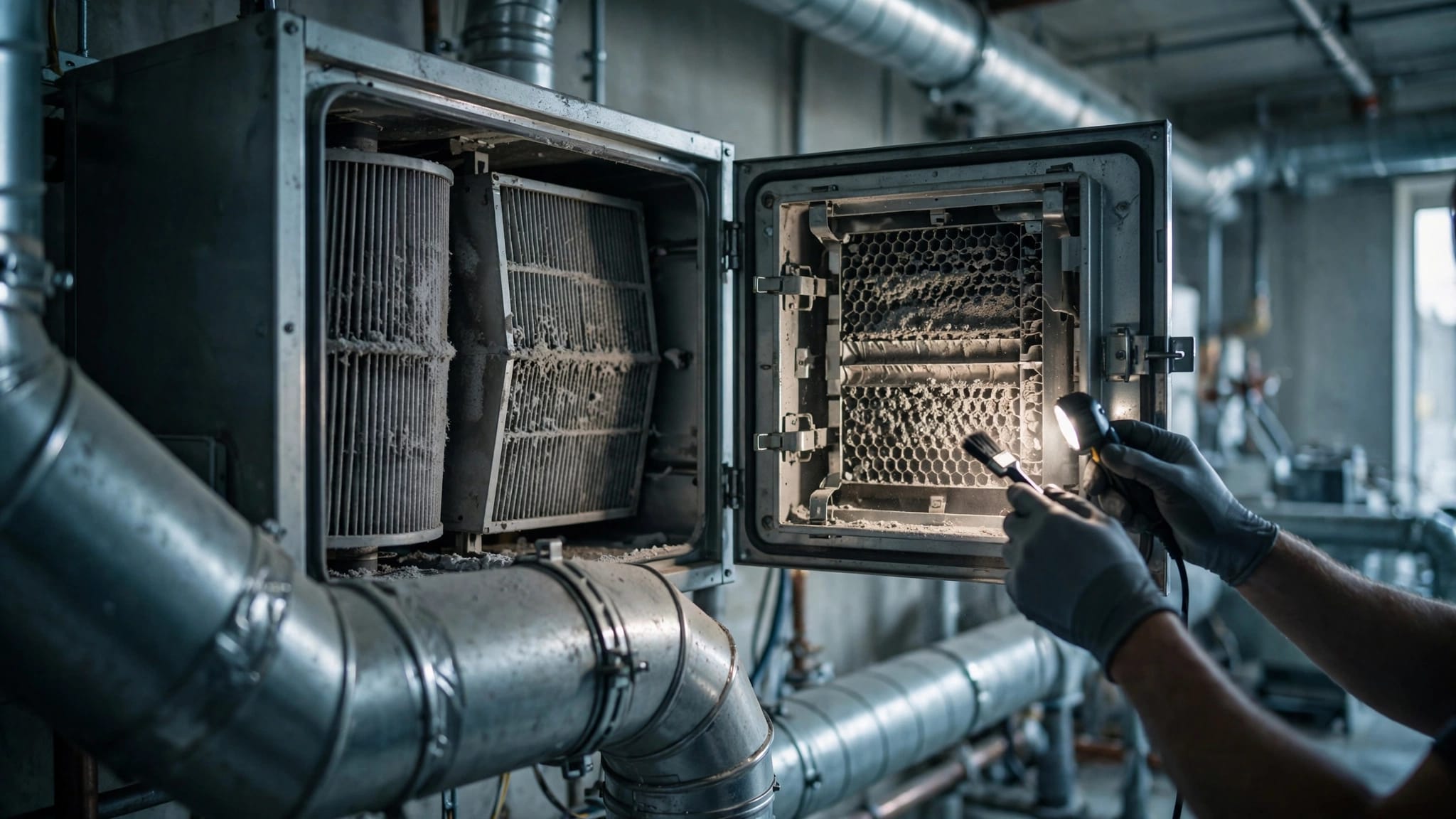
| Air handler cleaning | Blower compartment, evaporator coil area, cabinet interior, and drain pan | Dirt near the unit, musty startup odors, poor drainage, or maintenance needs |
| Condensate-line service | Drain line and related fittings | Water backup, overflow, algae buildup, or drainage trouble |
| Dryer vent cleaning | Dryer exhaust duct to the outside termination | Long dry times, hot laundry room, lint buildup, or restricted exhaust |
The services can be scheduled together, but each uses different access points and tools. For a fuller comparison, read about air handler versus duct cleaning.
Coils, blowers, and drain pans need their own scope
The evaporator coil, blower assembly, drain pan, and condensate line are part of the air-conditioning system. They are not automatically included in duct cleaning. A technician should state clearly whether those areas are inspected, cleaned, or left for an HVAC service professional.
Homeowners should not remove panels, disconnect wiring, handle refrigerant lines, or open sealed equipment compartments to prepare for a cleaning. Those parts can be damaged easily, and refrigerant work requires properly qualified HVAC personnel.

Mold concerns need more than a cleaning claim
Florida's heat and moisture make homeowners alert to anything that looks or smells unusual near the AC. That concern is reasonable, yet visible discoloration alone does not identify mold or show where moisture started.
A contractor should avoid promising that air duct cleaning will eliminate mold, cure allergies, or solve every odor. Those claims skip the inspection that comes first.
Find and correct moisture before treatment
If material appears suspicious, document the location and check for condensation, drain overflow, roof leaks, wet insulation, duct sweating, or plumbing leaks nearby. A qualified indoor air quality or remediation professional may need to inspect the area when contamination is widespread or moisture damage is present.
Cleaning may be one part of a larger plan. Depending on the finding, the plan could include repairing a drain issue, sealing leaking ducts, replacing damaged insulation, or remediating affected building materials.
Be cautious with chemical add-ons
Sanitizers, inhibitors, and other treatments should have a clear purpose. Ask what product is proposed, where it will be applied, and why it fits the conditions found in the home.
No spray replaces physical debris removal or repairs a wet component. Treatment also should not be a substitute for a proper mold inspection when there is visible growth or ongoing moisture.
How to prepare a tight HVAC closet for service
A little preparation helps the crew work safely and keeps the appointment moving. You don't need to dismantle anything or attempt a repair.
Before the visit, remove household items stored in front of the closet. Laundry baskets, shelving, cleaning products, and loose boxes often block the only workable path to the air handler.
Make the closet accessible, not altered
Leave the system intact. Keep access panels, electrical connections, refrigerant lines, drain piping, and duct insulation alone. If the closet door sticks or furniture blocks it, mention that when scheduling.
Also secure pets and plan for equipment noise during the cleaning. Crews may need access to supply vents, return grilles, and possibly attic openings, depending on the home's duct layout.
Ask direct questions before work starts
A reliable estimate should describe the service area and any limits created by the closet. Ask whether the price includes supply and return ducts, registers, return chases, access-panel sealing, and cleanup.
You can also ask how the company protects floors, contains debris, and handles a discovery such as wet insulation or a damaged duct. Clear answers matter more than a vague promise to clean "the whole system."
If you are ready to discuss your home's layout, Get a Free Estimate for duct or dryer vent service across Florida's Gulf Coast.
Keep dryer vents separate from AC ducts
A dryer vent is an exhaust route, not part of the HVAC duct system. It carries hot, moist air and lint outside, while your AC ducts circulate conditioned indoor air. The two systems require separate cleaning methods.
Longer drying cycles, a hot laundry room, damp clothes after a full cycle, or lint around the exterior vent hood can point to a restricted dryer exhaust. Florida's humidity can make those signs more noticeable because laundry already takes longer to dry.
For a practical overview, see what to expect during dryer vent cleaning. Keeping the dryer vent clear supports proper exhaust and reduces lint buildup in a line that gets hot during normal use.
A cleaner system starts with the right scope
Tight HVAC closets call for patience, proper access, and respect for equipment that should remain sealed. Air duct cleaning can remove accumulated debris from supply and return pathways, even when the indoor unit sits in a compact closet.
The strongest results come from matching the service to the actual problem. Clean the ducts when they are contaminated, service the air handler when its components need attention, and address moisture before it creates a repeat issue.