Crawl Space Duct Cleaning for Florida Homes
Florida crawl spaces can hide problems that affect the air moving through your home. Crawl space duct cleaning targets dust, pest debris, damp insulation fibers, and other material that may collect around or inside ducts beneath the floor.
High humidity, heavy summer rain, and coastal air make this area harder to ignore. A careful inspection helps separate a cleaning need from a moisture, repair, or mold-remediation issue before anyone starts work.
Why Florida Crawl Spaces Put Ductwork Under Stress
Many Florida homes have duct runs below the living area, where they face humid air, wet soil, insects, and limited ventilation. Even well-installed ductwork can develop trouble when the crawl space stays damp.
Humidity and condensation can wet duct insulation
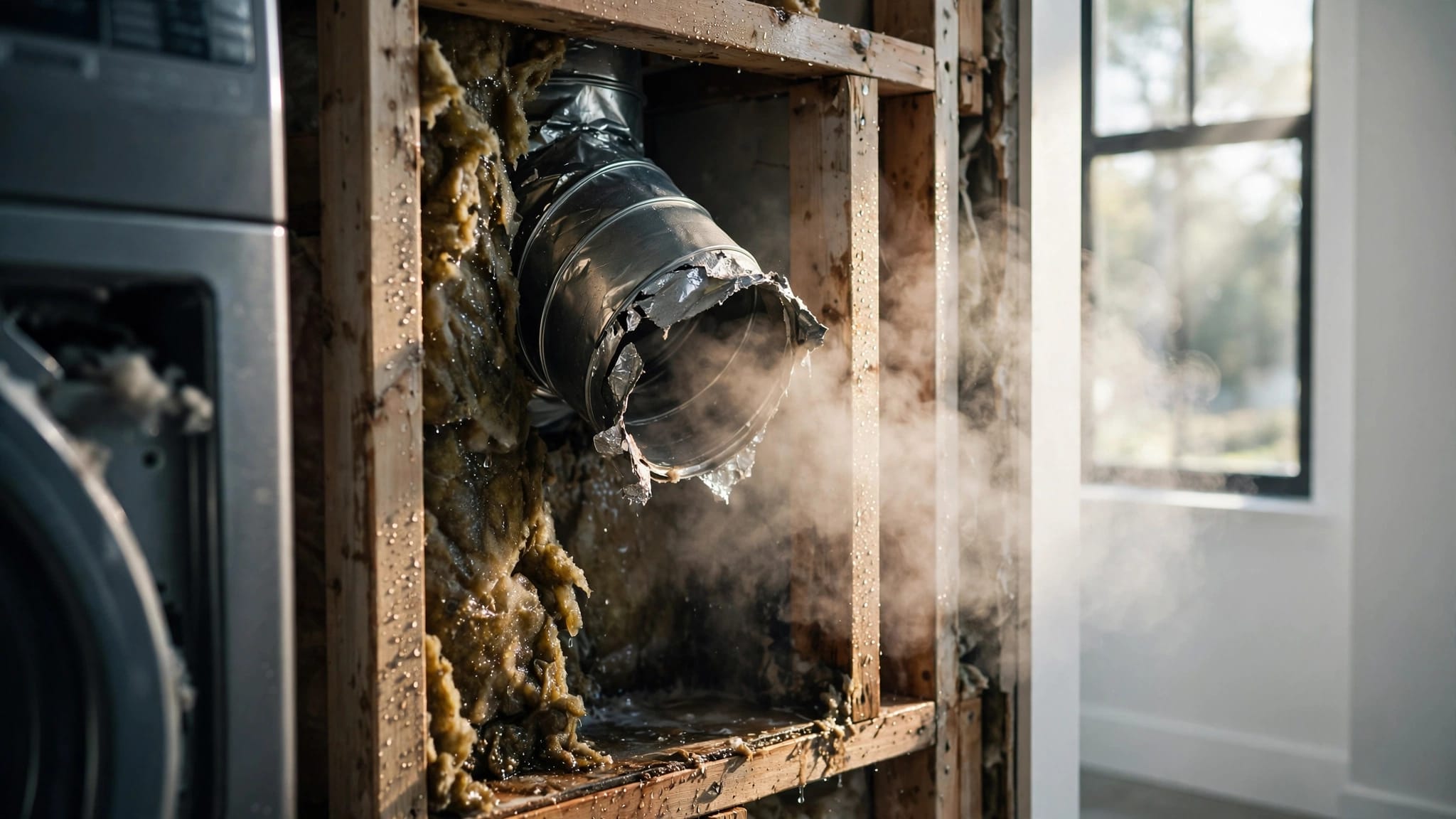
Cold air inside a duct can meet hot, humid crawl-space air outside it. If insulation is damaged, compressed, or missing, condensation may form on duct surfaces. Wet duct wrap can lose its insulating value and hold onto dirt.
Humidity also affects duct seams, mastic, and flexible duct connections over time. Florida humidity and air ducts need regular attention because moisture can raise indoor humidity and create persistent musty odors.
Flooding, pests, and falling insulation create debris
After a storm, water can enter through foundation vents, access doors, or low drainage areas. Even if the water never reaches the ducts, a wet crawl space can affect surrounding insulation and supports.
Rodents, insects, and lizards may also enter through gaps. Their nesting material or droppings don't belong near an HVAC system. In older homes, loose insulation fragments can settle on duct exteriors or enter an open return connection.

A dirty duct and a wet crawl space are related, but cleaning ducts won't stop moisture from returning. The water source needs correction first.
Signs You May Need Crawl Space Duct Cleaning
A crawl space isn't an area most homeowners visit often. However, changes inside the home can point to a duct or moisture issue below the floor.
Watch for odors, dust, and uneven comfort
A musty smell when the air conditioner starts may justify an inspection, especially after rain. Still, odor alone doesn't prove mold is inside the ducts. Drain pans, wet insulation, dirty coils, and a damp crawl space can all produce similar smells.
Other signs include visible debris at supply registers, dust that returns quickly after cleaning, weak airflow in a room, or a new rattle from a loose duct run. Cooling bills that rise alongside sticky indoor air may also point to duct leakage.
For a clearer distinction between routine maintenance and duct cleaning, review HVAC tune-up versus duct cleaning. A tune-up addresses mechanical equipment, while duct cleaning focuses on the air path.
Act promptly after pests, renovations, or water intrusion
Schedule an inspection after rodents are found in the crawl space, construction work leaves heavy dust, or a plumbing leak wets insulation near ducts. A tropical storm or flood also calls for a close look before running the system heavily.
Don't enter a low, contaminated crawl space yourself. Standing water, unstable flooring, exposed wiring, animal waste, sharp debris, and poor air quality can make access unsafe. Keep children and pets away from the access opening until a qualified professional evaluates it.
What a Professional Should Inspect and Document
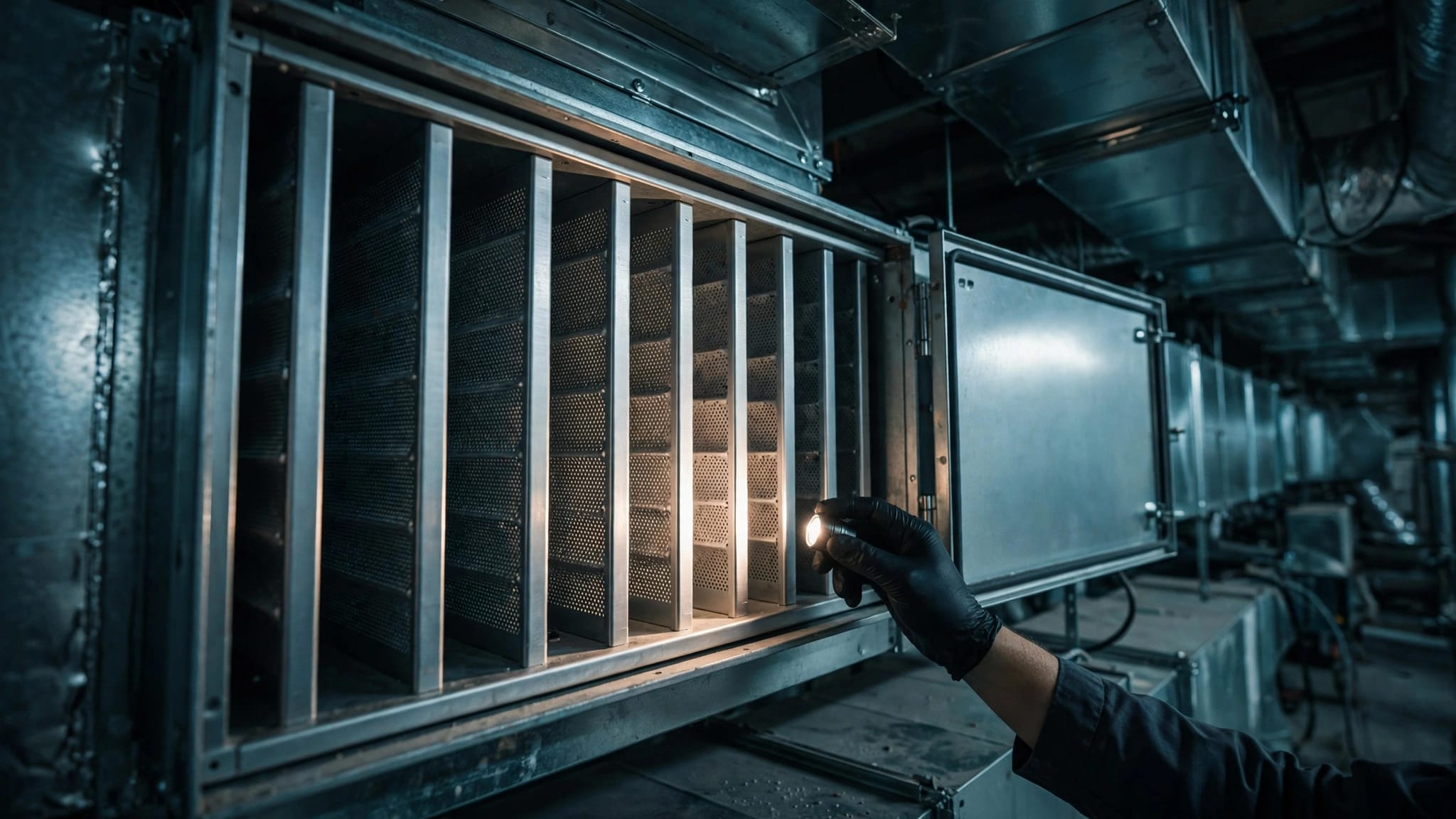
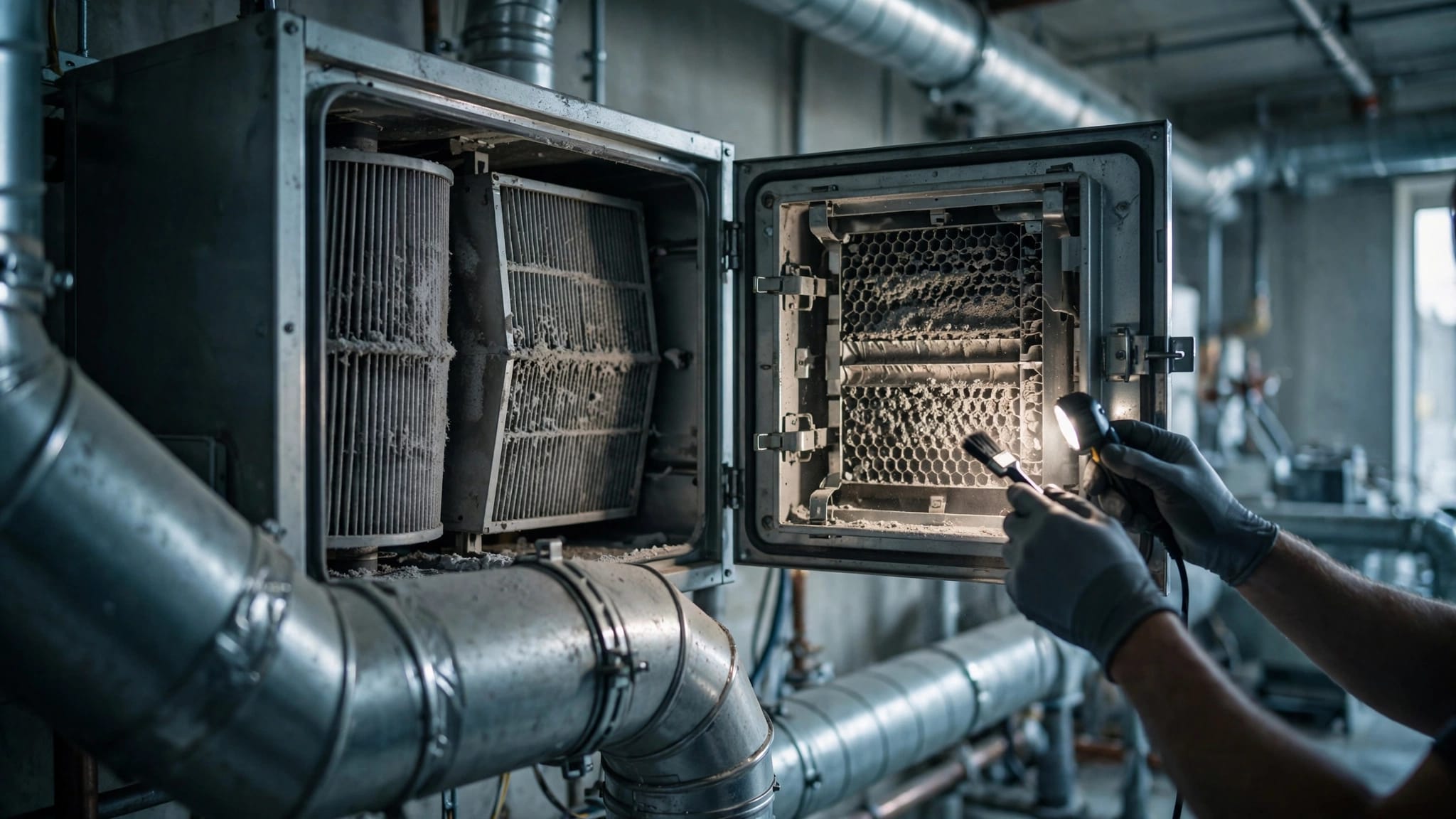
A proper visit starts with evidence, not a blanket recommendation. The technician should inspect accessible supply and return runs, duct connections, insulation, registers, and the air handler area when appropriate.
The inspection should identify the moisture source
The contractor should look for standing water, damp soil, plumbing leaks, condensate drain problems, missing vapor barriers, poor drainage, and signs of outside air entering the crawl space. They should also note whether duct insulation is wet, sagging, torn, or compressed.
A moisture meter can help confirm whether materials are damp. Photos or video of accessible conditions give you a record of what the technician found. Ask for clear documentation before approving extra treatments or repairs.
Duct condition matters as much as debris
The inspection should identify disconnected joints, crushed flex duct, loose hangers, open returns, damaged vapor jackets, and pest entry points. Cleaning can't restore ductwork that has collapsed or deteriorated.
A contractor should also explain access limits. Some ducts may be inaccessible without opening building materials, and that changes the scope. You deserve to know what can be cleaned, what can't, and why.
What Crawl Space Duct Cleaning Usually Involves
Professional crawl space duct cleaning should contain debris rather than stir it into your home. The exact method depends on the duct material, access, and type of buildup.
Containment and source removal come first
Technicians typically protect the work area, open selected access points, and connect a powerful vacuum system to place the duct run under negative pressure. They then use tools suited to the duct material to loosen dry dust, hair, and loose debris.
Flexible duct requires care. Aggressive brushing can damage a thin inner liner or pull apart a weak connection. A careful provider will adjust the method instead of treating every duct system the same way.

Cleaning has limits when moisture remains
After cleaning, the technician should close access points and show you the condition of the ducts. If they find wet insulation, active leaks, or damaged ducts, repair work may need to happen before the system can stay clean.
Microbial products are not a substitute for fixing a damp crawl space. Air duct microbial treatment may be appropriate after cleaning when a real concern exists, but it doesn't solve a leak, flooding, or ongoing condensation.
When Cleaning Isn't the Whole Answer
Duct cleaning removes material from accessible HVAC passages. It doesn't repair the causes of water damage, air loss, or biological growth.
Call the right licensed specialist for the problem
An HVAC contractor may be needed for damaged duct connections, an overflowing condensate system, airflow problems, or air-handler repairs. If rooms stay humid or cooling costs climb, testing HVAC ducts for air leaks can reveal gaps that pull humid crawl-space air into the system.
A moisture-control or drainage professional may need to address groundwater, poor grading, missing vapor barriers, plumbing leaks, or crawl-space ventilation issues. These repairs protect the ductwork after cleaning.
Suspected mold needs careful handling
Dark spotting, wet porous insulation, strong persistent odors, or visible growth call for an informed evaluation. Mold can grow on many materials in a damp crawl space, yet visual appearance alone cannot identify the material or its extent.
For a significant suspected mold problem, contact a Florida-licensed mold assessor or mold-remediation professional. They can determine the scope and recommend safe containment. Duct cleaning should follow the remediation plan when ducts are part of the affected area.
If pests have heavily damaged or soiled ducts, replacement can make more sense than cleaning. Review the signs your ductwork needs replacement before paying to clean material that can't be restored.
Questions to Ask Before You Hire a Duct Cleaner
A reputable company welcomes practical questions. Clear answers help you compare proposals without choosing solely on a low advertised price.
Ask about scope, equipment, and proof of work
Before booking crawl space duct cleaning, ask:
- Will you inspect the crawl space and ducts before quoting the final scope?
- Which supply runs, returns, registers, and air-handler components are included?
- How will you protect flexible ducts and prevent debris from entering the home?
- Can you provide photos of accessible duct conditions before and after service?
- What signs would lead you to recommend an HVAC, moisture-control, pest-control, or mold specialist?
- Are treatment products optional, and can you explain their purpose and label directions?
For homes with a laundry area near the crawl space, ask about dryer vent service too. The dryer exhaust route is separate from HVAC ductwork, but a blocked vent can hold moisture near the home and create a fire risk.
Avoid pressure tactics and oversized claims
Be cautious if a company quotes a very low price, then claims every vent needs costly add-ons without showing evidence. Pressure to approve fogging, sanitizers, UV products, or full duct replacement on the spot is another warning sign.
No honest provider should promise to cure allergies, eliminate every odor, or find mold in every dirty duct. Allergy symptoms have many triggers, including pollen, pets, dust mites, smoke, and indoor moisture.
A written scope, proof of insurance, and plain pricing are good signs. When the duct condition is clear and the work fits your home's needs, you can Get a Free Estimate for air duct and dryer vent cleaning without guessing what the visit includes.
A Cleaner Duct System Starts With a Dry Crawl Space
Crawl space duct cleaning can remove unwanted debris and help you understand the condition of hard-to-see HVAC runs. In Florida, the lasting result depends on controlling water, condensation, pests, and air leaks around those ducts.
A documented inspection gives you a better basis for action than a quick sales pitch. Protecting dry, intact ductwork helps your air conditioner move cleaner air through the home.