Why Dryer Vent Clogging Keeps Coming Back
When dryer vent clogging returns soon after professional cleaning, another layer of lint isn't always the main problem. The vent may have restricted airflow, damaged ductwork, a blocked exterior hood, poor routing, or an appliance issue that cleaning cannot correct.
A clean section of duct can still perform poorly if the full exhaust path remains blocked or improperly installed. Safe homeowner checks can reveal useful clues, but recurring clogs, overheating, burning odors, and hidden duct problems call for professional inspection.
Why dryer vent clogging returns after cleaning
Professional cleaning removes lint and debris from the exhaust route. However, cleaning only solves the conditions it can reach and remove. If airflow remains weak, lint can begin collecting again shortly after service.
The cleaning may not reach the entire duct
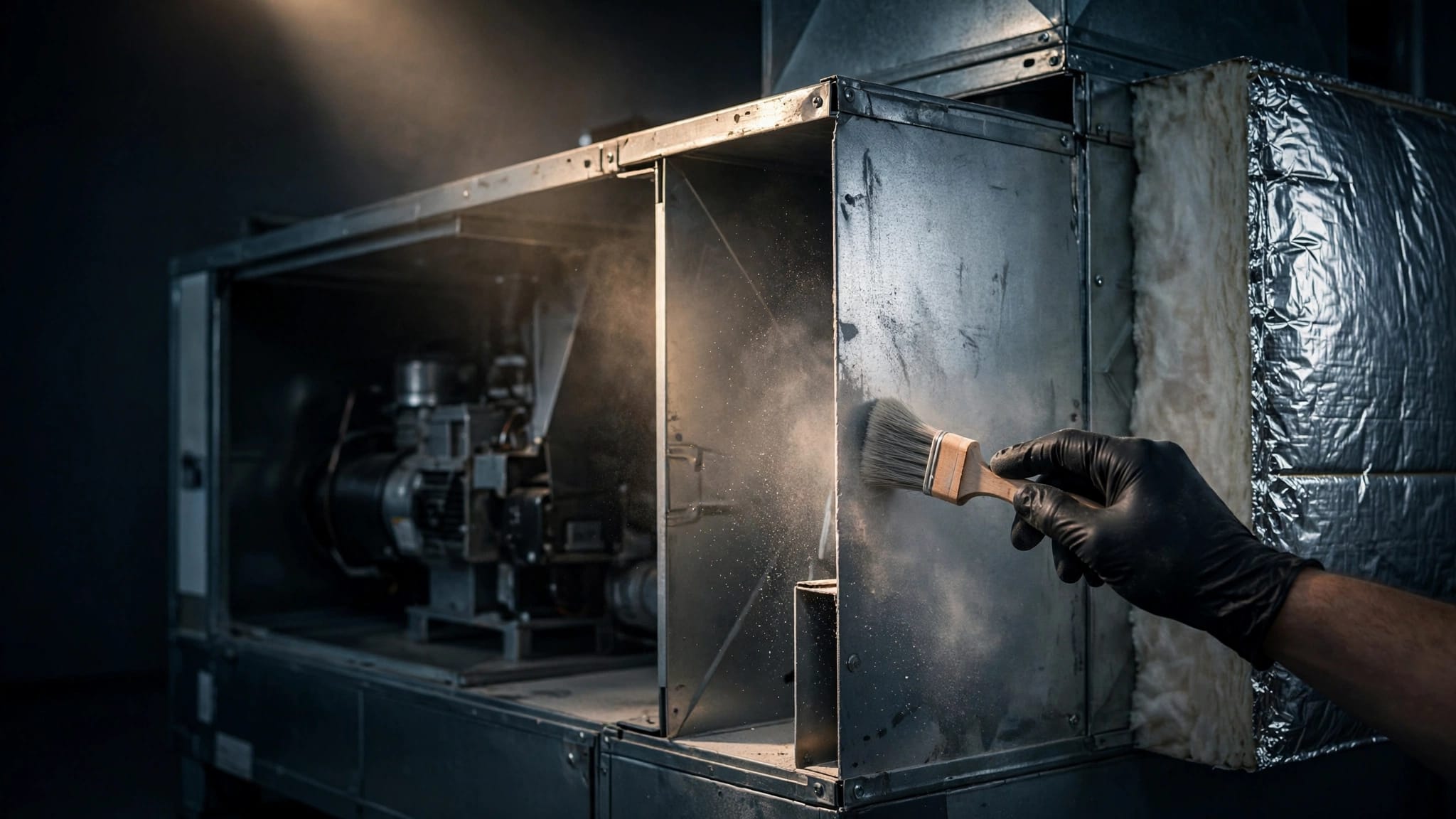
Many dryer vents run through walls, ceilings, attics, crawlspaces, or multi-story chases. A technician may clear the connection behind the appliance while a deeper section still contains packed lint.
The exterior end can also look clean while a pocket of debris remains around a bend or loose joint. A complete service should address the accessible path, the exterior termination, and airflow after the system is reconnected. You can review what happens during dryer vent cleaning before scheduling follow-up work.
The original airflow problem may still exist
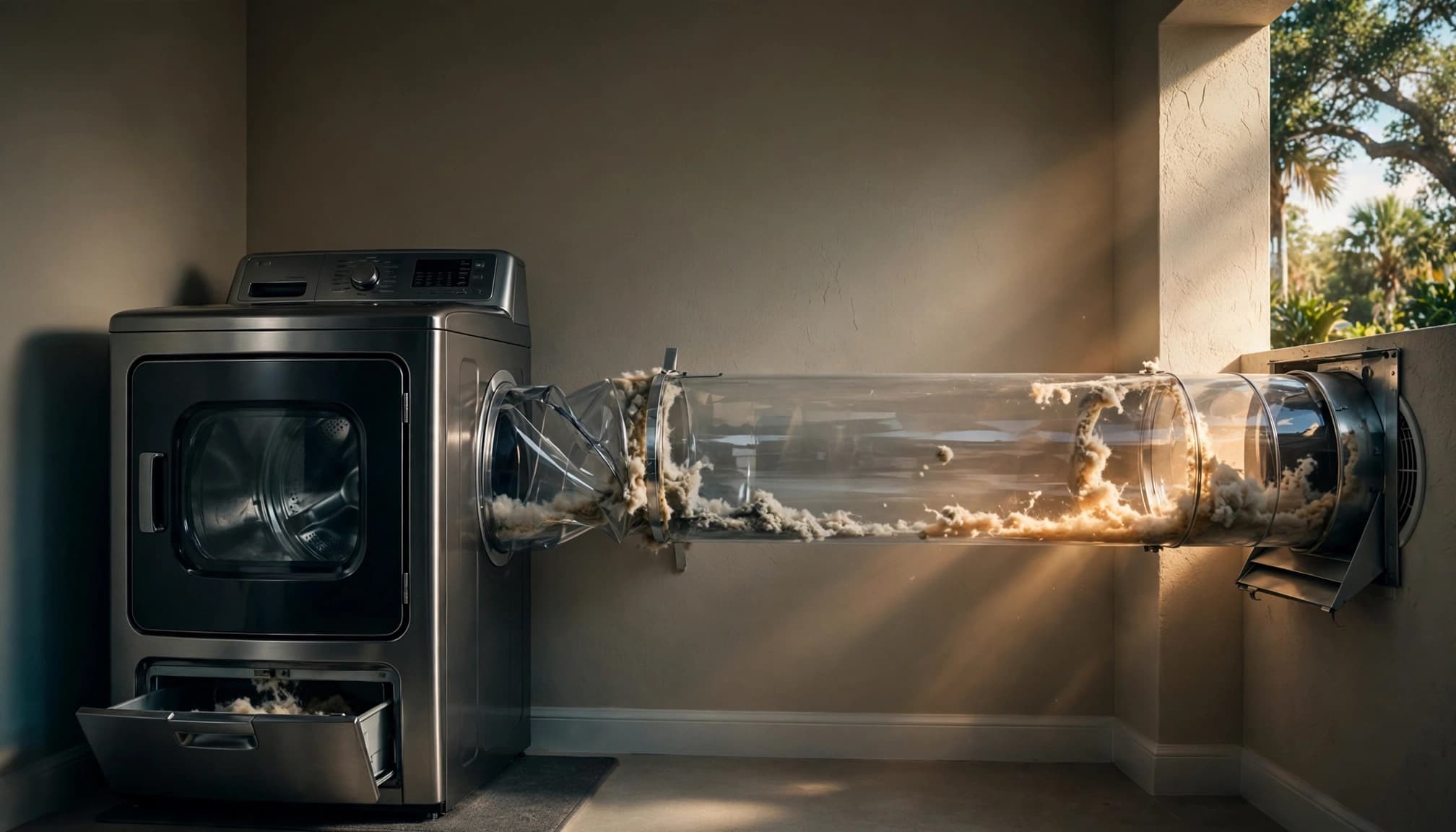
Lint travels through every dryer exhaust system, even when the lint screen is cleaned after each load. When the duct moves air slowly, fibers settle more easily along ridges, fittings, bends, and damaged sections.
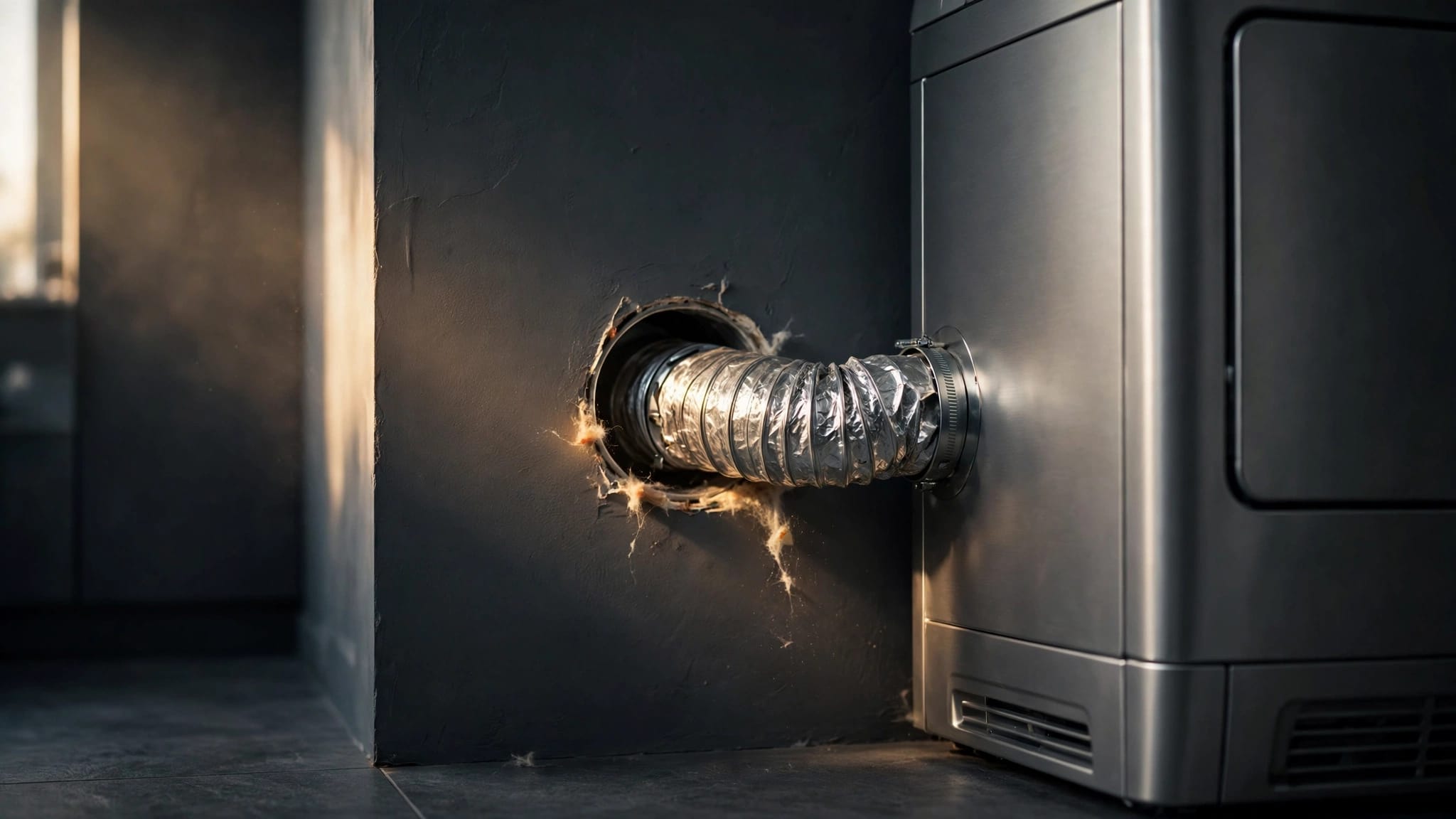
A crushed transition hose behind the dryer can narrow the opening. Too many elbows or an excessively long route can create similar resistance. Cleaning removes material, but it doesn't shorten a poorly designed line or repair a crushed section.
Exterior problems can create a new blockage
The vent termination outside the home is part of the exhaust system. A clean interior duct cannot move air properly if the final opening stays restricted.
A stuck flap or damaged hood limits exhaust
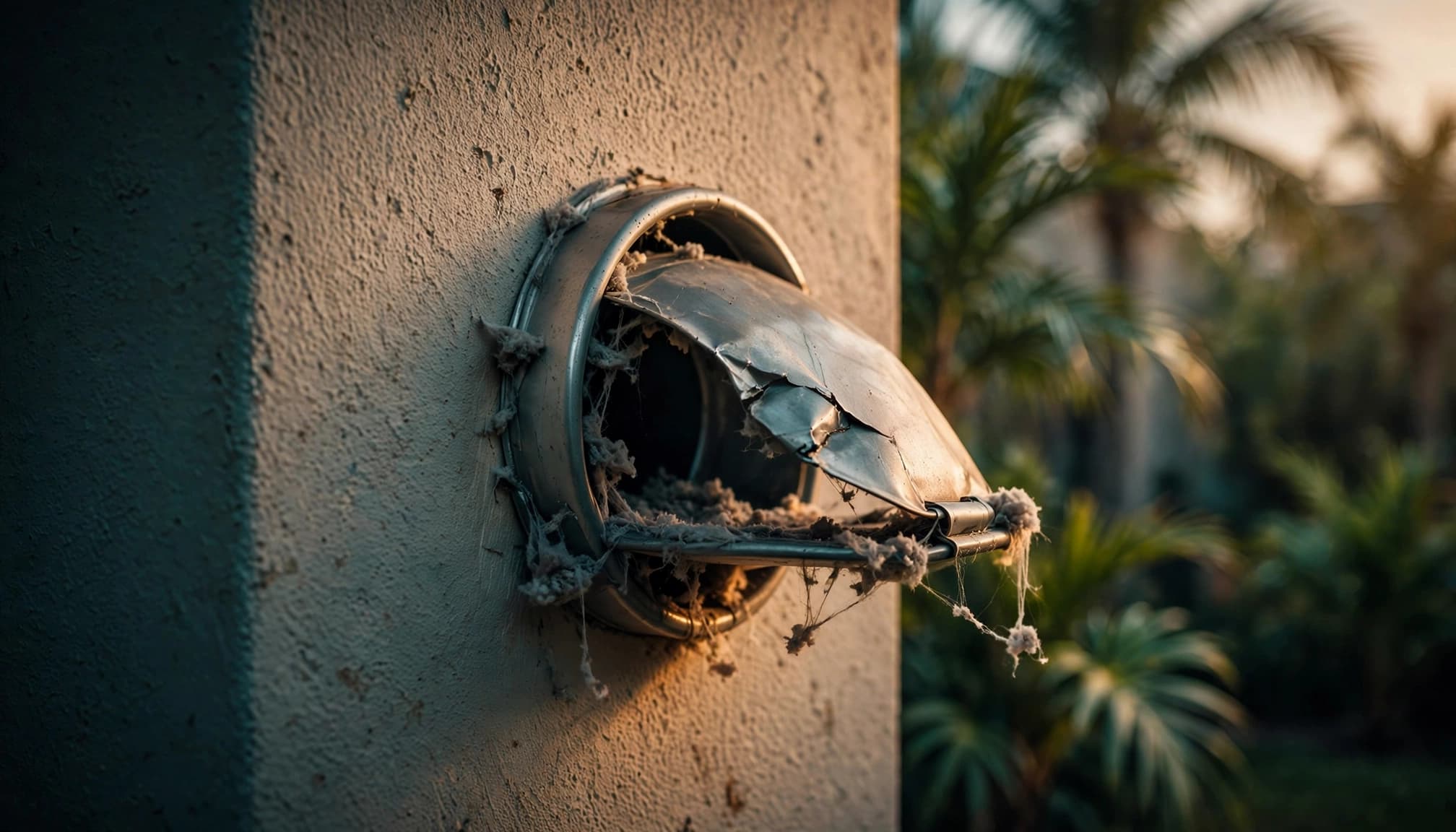
The exterior flap should open while the dryer runs and close when the appliance stops. If it opens only slightly, lint and moisture may remain in the duct instead of leaving the home.
Common problems include a bent hood, a flap stuck with paint or debris, nesting material, or plant growth around the opening. A screen placed over the termination can also collect lint quickly and restrict airflow.
Check a ground-level vent from a safe position while the dryer operates. Keep your hands away from the opening, and don't climb onto a roof or reach into a high wall termination.
Birds and outdoor debris can block the exit
Birds may build nests inside or near dryer vent openings, especially when the flap no longer closes correctly. Leaves, grass, insects, and windblown debris can create similar restrictions.
Watch for weak airflow, chirping or scratching sounds, visible twigs, or lint packed around the hood. Several symptoms together deserve prompt attention. The guidance on bird nests in dryer vents explains why an outside obstruction can cause drying problems inside the home.
Don't reach into the duct or disturb a nest yourself. A professional can determine whether the obstruction sits in the hood, the duct, or both.
Ductwork problems cleaning cannot repair
Recurring dryer vent clogging often points to the condition or layout of the duct. Lint removal may help when the duct is intact, but damaged or poorly routed exhaust needs a different solution.
Crushed, sagging, or sharply bent sections
The short connector behind the dryer is especially vulnerable. Pushing the appliance too close to the wall can pinch the hose and leave only a narrow passage for air.
Flexible material can also sag, kink, or tear. Thin foil or plastic-style ducting tends to collect lint in its ridges and may not provide a suitable long-term exhaust path. A qualified professional should replace damaged material with an approved design that follows the dryer manufacturer's instructions and applicable requirements.
A sudden drop in airflow, a rattling sound, or lint around a joint can indicate a disconnected or damaged section. Those symptoms differ from a gradual increase in drying time, which often points to buildup.
Long routes and too many bends slow air
A short, straight path gives lint fewer places to settle. Long routes with several turns lose airflow and are harder to inspect thoroughly. Each bend adds resistance, especially when the duct is already narrowed by lint or moisture.
An inspection can identify excessive length, sharp bends, loose connections, and concealed damage. See what a dryer vent inspection can reveal when the visible hose looks normal but the dryer continues to struggle.
Moisture can make lint stick
Dryer exhaust carries warm, moist air. When that air moves slowly, condensation can form inside the duct. Damp surfaces give fine fibers more opportunity to stick and accumulate.
Poor airflow, a sagging section, an uninsulated run in a cold space, or a weak exterior cap can all contribute. Florida Gulf Coast humidity can make moisture-related buildup more noticeable. Learn more about moisture and condensation inside dryer vents if you see dampness, musty odors, or repeated lint buildup.
Improper vent routing needs correction
Some exhaust systems have a basic installation problem that another cleaning will not solve. The duct must carry hot, moist air all the way outdoors through a suitable termination.
An attic or enclosed termination is unsafe
A dryer vent should not discharge into an attic, crawlspace, garage, wall cavity, or other enclosed area. Doing so releases moisture and lint inside the building and can damage surrounding materials.
If the vent ends in an attic, it needs to be rerouted outside. That work may involve replacing damaged duct, changing the route, sealing connections, and installing an exterior hood. Cleaning may still be needed afterward if lint has accumulated in the existing sections.
Read can a dryer vent terminate in the attic if you suspect the duct doesn't reach the exterior.
Shared or improvised connections create restrictions
Two dryers should not discharge through one standard residential vent unless the system was specifically designed and approved for that arrangement. A loose Y-connector, undersized reducer, or improvised shared duct can hold moisture and restrict airflow.
Avoid adding a screen, booster fan, or homemade connector without a qualified assessment. The correct repair may require a separate duct and exterior termination for each appliance.
The dryer itself may be part of the problem
Long drying times and excess heat can come from the vent, the appliance, or both. Cleaning the exhaust path doesn't repair a failing heating component, blower, sensor, or internal air passage.
Compare the symptoms before assuming a clog
A vent problem often causes clothes to need more than one cycle, weak airflow outside, a hotter laundry room, or a dryer cabinet that feels unusually warm. Lint around the connector or exterior hood adds another clue.
An overloaded drum, dirty lint screen, failing heating component, or sensor problem can produce similar results. A clean vent with continued poor performance should lead to appliance troubleshooting rather than repeated vent cleaning.
The lint screen needs cleaning after every load. You can also vacuum lint from the screen housing with an appropriate attachment after unplugging the dryer. Don't push tools deep into the housing or scrape the connector.
Stacked dryers need extra caution
A stacked dryer may be secured to the washer with a manufacturer-approved stacking kit. Moving or separating the units without the correct method can cause injury or damage.
Don't pull on the power cord, gas line, water connections, or vent hose. If the connection is too tight to inspect safely, arrange professional service. This is especially important when the duct passes through a wall, ceiling, attic, or narrow chase.
Safe checks homeowners can make
Homeowners can handle basic maintenance without opening walls or moving heavy appliances. Keep the checks limited to areas you can reach safely.
Check the lint screen and visible connector
Clean the lint screen before or after every load. With the dryer off, look behind the appliance without pulling it away from the wall. Watch for a crushed, torn, loose, or sharply bent transition hose.
Keep clothing, storage boxes, and cleaning products away from the dryer. If you see lint escaping around a joint, stop using the appliance until the connection can be checked.
Observe the exterior flap from the ground
If the hood is easy to see, confirm that the flap opens while the dryer runs. Look for lint, leaves, or other debris around the opening, but don't insert objects into the vent.
Never climb onto a roof or reach into a high wall opening. A blocked cap may require specialized equipment and safe access. If clothes remain damp, the dryer feels unusually hot, or airflow stays weak outside, professional inspection is the safer next step.
What follow-up service should include
A useful follow-up visit should identify why the blockage returned instead of repeating a surface cleaning without checking the system.
Ask for inspection and airflow testing
The technician should examine the dryer connection, accessible duct sections, route, exterior hood, and termination flap. Cleaning should remove lint from the path rather than push it farther into the duct.
Before-and-after airflow checks can show whether lint removal improved performance. Dryer vent airflow testing can also help separate a restricted vent from a dryer problem.
A strong result at the hood doesn't prove the duct is sound. A loose joint can leak warm, damp air into a wall or laundry room even when some air reaches the outside.
Match the repair to the finding
Cleaning is usually appropriate when the duct is intact, correctly routed, and filled with lint. Repair or partial replacement makes more sense when one section is crushed, disconnected, corroded, or torn.
A severely damaged or poorly routed line may need replacement or rerouting before cleaning the remaining path. Ask for a clear explanation of the work, including whether the estimate covers the exterior hood, access, repairs, reconnection, and final airflow testing.
Key Takeaways
- Recurring dryer vent clogging usually points to an unresolved airflow, ductwork, termination, moisture, or appliance problem.
- A clean lint screen doesn't prevent all fibers from entering the exhaust duct.
- Check the exterior flap only from a safe, reachable location.
- Stop using the dryer if you smell burning, feel unusual heat, see exhaust escaping indoors, or suspect a severe blockage.
- Don't open walls, enter attics, move stacked appliances, or alter ductwork without qualified help.
- Cleaning can solve lint buildup in sound ductwork, while damaged or poorly routed systems need repair, replacement, or rerouting.
Frequently Asked Questions
Why does my dryer vent clog again so quickly?
A crushed connector, long duct, sharp bends, weak exterior flap, bird nest, or moisture problem may be slowing airflow. Lint then settles faster than it would in a short, clear route. A professional should inspect the full path instead of cleaning only the area behind the dryer.
Can a dryer still have an airflow problem after cleaning?
Yes. Cleaning removes lint, but it doesn't correct a blocked hood, damaged duct, poor routing, disconnected joint, or failing dryer component. A follow-up airflow check can show whether the restriction remains in the vent or the appliance.
Should I keep using the dryer if drying times suddenly increase?
Stop using it if the dryer overheats, smells burnt, shuts off, or produces very weak outdoor airflow. Multiple symptoms together suggest a restriction that needs prompt attention. Arrange qualified service before running more loads.
How often should a recurring clog be inspected?
There is no single schedule for every home. A long or heavily used vent may need attention more often than a short, straight route. If drying times increase, the exterior flap moves weakly, or lint appears around a joint, schedule an inspection rather than waiting for the next clog.
Conclusion
A professional cleaning can remove accumulated lint, but it cannot make damaged ductwork, poor routing, a blocked exterior hood, or a failing dryer work correctly. When dryer vent clogging returns, the next step should be finding the restriction's cause.
Homeowners in Fort Myers and along Florida's Gulf Coast can Get a Free Estimate for a dryer vent inspection, cleaning, or airflow check. The right service may be cleaning, repair, replacement, or rerouting, depending on what the complete exhaust path reveals.