Dryer Vent Airflow Testing: What the Results Mean
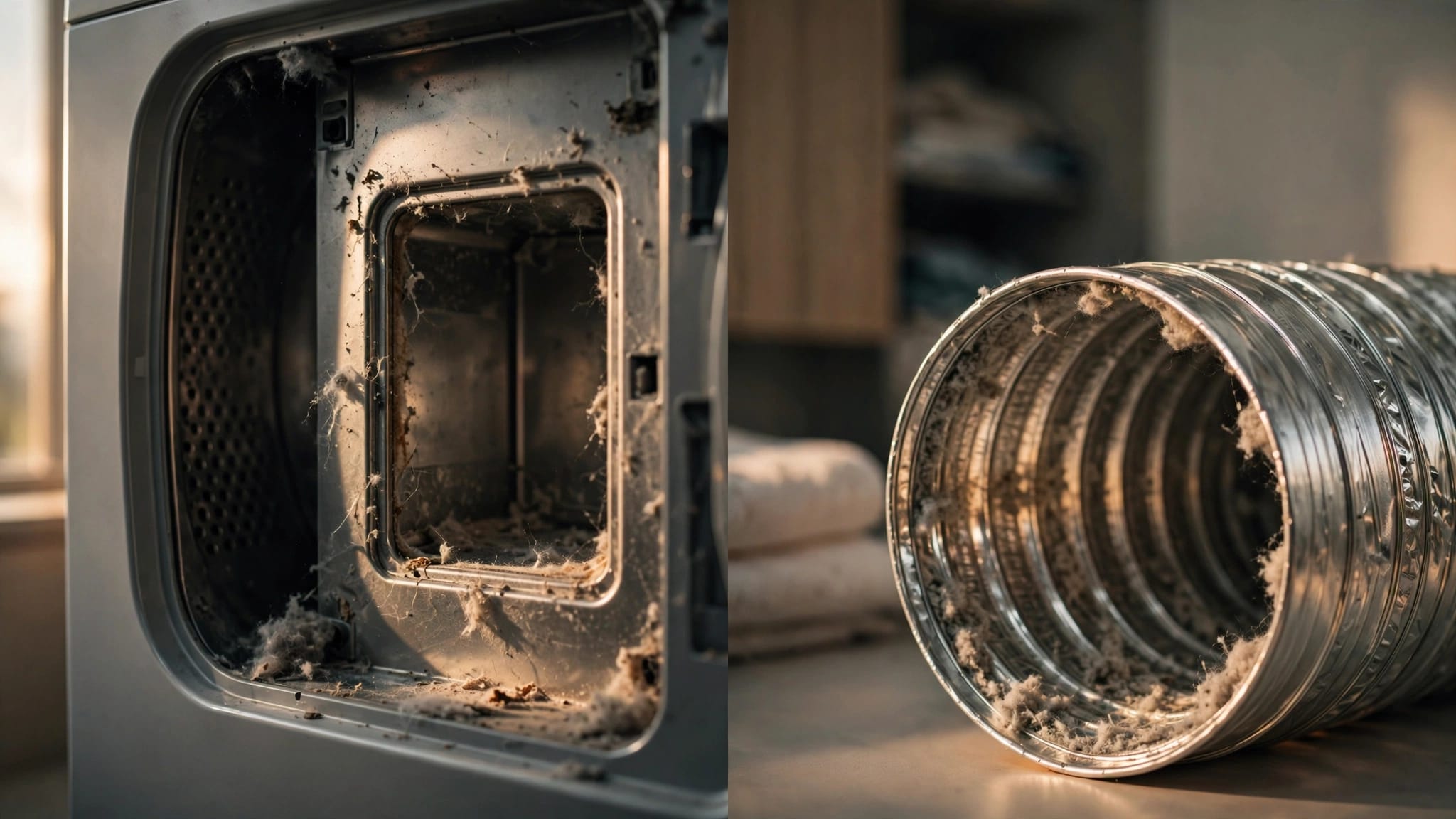
A dryer can appear to run normally while its vent struggles to move heat, moisture, and lint outdoors. Dryer vent airflow testing gives you a useful snapshot of that hidden path and can help explain long cycles, excess heat, and poor drying results.
Still, a single reading is not a pass-or-fail grade. The test becomes most helpful when it is paired with an inspection of the full vent route, the exterior hood, and the dryer itself.
What dryer vent airflow testing actually measures
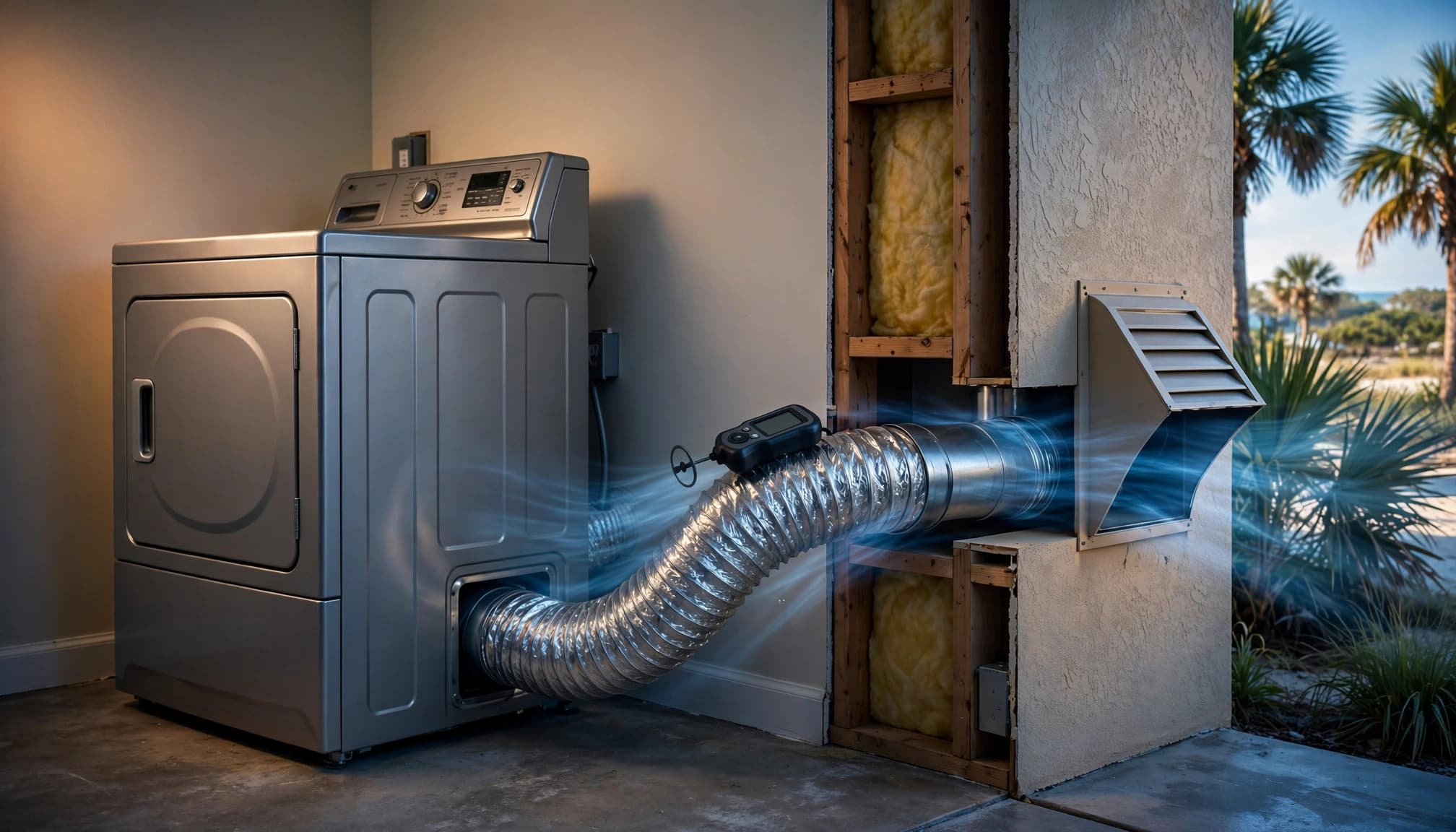
During dryer vent airflow testing, a technician measures how strongly air moves through part of the exhaust system while the dryer operates. Testing may happen at the exterior termination, near the dryer connection, or at another accessible point in the vent path.
Air movement is more than one number
Some instruments read air speed, often in feet per minute. Others estimate airflow volume in cubic feet per minute, or CFM. A technician may also compare readings before and after cleaning.
Air speed and air volume are related, but they are not identical. For example, the same air speed produces a different air-volume estimate in a 4-inch round duct than in a larger opening. That is why the meter type and test location matter.
A reading reflects the whole system
The dryer blower creates the force, but the vent route controls how freely air can leave. Lint buildup may reduce flow. So can a crushed transition duct, too many bends, a long run, a roof termination, or a damper that does not open fully.
A useful test looks beyond the meter. It also considers visible duct condition, exhaust strength outdoors, dryer performance, and the manufacturer's installation instructions.
A comparison before and after cleaning often tells more than one isolated airflow number.
How to read dryer vent airflow testing results
A higher reading usually suggests air is moving more freely at that particular test point. A lower reading suggests resistance somewhere in the system. However, neither result explains the cause without further checks.
The best interpretation starts with the conditions present during the test.
Why readings can vary
Airflow results depend on the instrument and where the technician places it. Measurements at the exterior hood may differ from readings near the dryer. Wind at an outside wall or roof cap can also affect exterior testing.
In addition, the result can change with:
- The dryer model, blower design, and cycle selected
- Vent length, diameter, elbows, and interior surface condition
- The type and condition of the transition duct behind the appliance
- Whether the exterior flap opens freely
- A heavily loaded dryer compared with an empty drum
For that reason, there is no responsible universal CFM number that confirms every dryer vent is safe. A short, straight vent behind one dryer will not perform like a long vent with several turns behind another model.
Compare the result with the symptoms
If airflow improves significantly after lint removal, a blockage was likely part of the problem. If it remains weak, the technician should inspect the route for damage, poor layout, a restricted exterior cap, or an issue at the dryer.
A strong result also deserves context. Air may move well at the exterior hood while a loose duct joint leaks warm, damp air into a wall or laundry room. Good service checks both flow and the physical condition of the exhaust path.
For a closer look at hidden bends, damaged sections, and termination issues, see what a dryer vent inspection reveals.
Airflow restriction or a dryer problem?
Drying problems do not always begin in the vent. A restricted exhaust route and a malfunctioning dryer can create similar symptoms, especially longer drying times and excess heat.
Separating those possibilities prevents unnecessary repairs and keeps a vent issue from being overlooked.
Clues that point to the vent
A vent restriction becomes more likely when the dryer used to dry well but gradually needs more time. You may also notice weak air at the exterior hood, a flap that barely lifts, lint around the termination, or a laundry room that feels unusually hot and humid.
Bends behind the dryer deserve attention. A pushed-back appliance can flatten or disconnect the transition duct. Because that area is hard to see, homeowners often miss it.
Clues that point to the appliance
If airflow at the exterior is reasonable but clothes remain wet, the dryer may have its own problem. A failed heating element, gas ignition issue, sensor problem, worn belt, overloaded drum, or incorrect cycle selection can affect results.
Electric dryers may tumble without producing adequate heat. Gas dryers can also run while the burner fails to ignite. In either case, cleaning the vent will not repair the appliance.
A technician can identify obvious vent concerns, but an appliance repair professional should diagnose internal dryer faults. Both systems need to work together for a load to dry properly.
Warning signs that deserve prompt attention
A slow drying cycle is more than an inconvenience when it becomes a pattern. The dryer runs longer, heat stays in the system, and lint has more opportunity to collect.
Pay attention when several warning signs appear at once.
Heat, moisture, and lingering odor
The top, sides, or laundry-room air may feel hotter than usual after a normal load. You may also see condensation near the dryer or notice a damp, musty smell near the vent route.
Warm, moist exhaust should leave the house. When it slows down, water vapor can cool inside the duct and help lint cling to its walls. Homes with long vent runs may be more prone to this issue.
Signs at the outdoor vent hood
Walk outside while the dryer runs. The damper should open when exhaust reaches it, though wind can make this harder to judge. A hood clogged with lint, nesting material, or debris needs attention.

A burning smell, repeated overheating, or a dryer that shuts off mid-cycle calls for a more cautious response. Stop using the dryer, unplug an electric model if you can do so safely, and arrange for professional inspection. Review these additional signs of a clogged dryer vent if the symptoms are building.
What a professional airflow check includes
A proper airflow check is part measurement and part troubleshooting. The technician should inspect the dryer connection, accessible duct sections, the route to the exterior, and the termination cap.
Cleaning should remove lint from the vent path rather than simply pushing it farther down the line.
Before-and-after testing adds useful context
Testing before service establishes a baseline. After cleaning, a second test can show whether airflow improved under similar conditions. The comparison helps reveal whether lint was restricting the system.
If readings stay low after cleaning, the next step may be a closer inspection of duct length, elbows, crushed sections, termination design, or the dryer itself. That finding is useful because it directs attention to the real cause.
Cleaning methods should protect the vent
Dryer vents need tools and methods suited to their material and route. Professionals often use contained vacuum equipment, flexible rods, and brushes designed to remove lint while reducing the chance of disconnecting or damaging the duct.
Avoid forcing a leaf blower, shop vacuum hose, or homemade device into the vent. Do not use open flames, harsh chemicals, or sharp objects. These methods can damage ductwork, leave lint behind, or create a bigger safety issue.
You can review what to expect during dryer vent cleaning before scheduling service.
Safe next steps after a low reading
A low airflow result calls for a methodical response. First, clean the lint screen before every load and wash it occasionally with warm water and mild dish soap if dryer-sheet residue is visible. Allow it to dry fully before reinstalling it.
Then, check the outdoor hood during a cycle. Keep the area around the termination clear of mulch, stored items, and plant growth that could block the damper.
Inspect what you can reach safely
With the dryer off, look behind it without pulling or twisting the vent connection. Watch for a crushed, loose, torn, or sharply bent transition duct. Leave repairs that require moving the dryer, entering an attic, accessing a roof, or opening walls to a qualified professional.
Use only metal transition ducting that meets your dryer's installation requirements. Plastic or vinyl duct is unsafe for dryer exhaust. Thin foil-style duct can also crush easily, so ask a professional about a safer approved replacement if it is damaged.
Schedule cleaning when evidence points to restriction
A homeowner cannot see most of the vent route. That is why recurring long dry times, overheating, weak exterior exhaust, or visible lint at the hood should lead to an inspection and cleaning appointment.
For homeowners on Florida's Gulf Coast, Fort Myers dryer vent cleaning can address lint buildup and help identify airflow problems in the full route.
If your dryer is overheating, taking multiple cycles, or showing several warning signs, Get a Free Estimate for dryer vent cleaning and an airflow check.
Key takeaways for homeowners
- Dryer vent airflow testing measures air movement, but the number needs context.
- Meter readings vary with the dryer, duct layout, test location, instrument, and exterior termination.
- A low result can point to lint, damage, poor vent design, or a dryer issue.
- Before-and-after readings are often more useful than relying on a universal CFM target.
- Long drying times, excess heat, moisture, and weak exhaust outside call for prompt attention.
- Safe cleaning removes lint from the entire route and includes an inspection of accessible connections and the vent hood.
A clear reading leads to the right repair
An airflow test turns a vague drying complaint into useful evidence. It can show whether the vent deserves cleaning, whether the route needs repair, or whether the dryer needs appliance service.
The goal is not to chase one perfect number. It is to restore safe, consistent exhaust flow and keep heat, moisture, and lint moving out of your home.
Frequently asked questions
What is a normal dryer vent airflow reading?
There is no single normal reading for every home. A valid result depends on the meter, test point, dryer model, duct diameter, total length, bends, and exterior hood. A technician should interpret the reading alongside the condition of the system and any drying problems.
Can I test dryer vent airflow myself?
You can watch for simple clues, such as the exterior flap opening during a cycle or a new increase in drying time. However, these observations cannot diagnose the full vent route. Professional testing and inspection are safer when symptoms persist or the dryer overheats.
Will vent cleaning always fix long drying times?
No. Cleaning fixes lint-related restrictions, but it will not correct a failed heating element, gas burner problem, moisture sensor issue, or overloaded dryer. If airflow is adequate after the vent is cleaned, appliance diagnosis may be the next step.
How often should a dryer vent be checked?
Usage, vent length, household size, and laundry habits all affect the schedule. Homes that run frequent loads or have long, winding vent routes may need attention sooner. Schedule an inspection when drying time increases, exterior airflow weakens, or heat and moisture build up.