Signs Your Dryer Vent Hose Is Too Long

Adkins Duct Cleaning • June 11, 2026

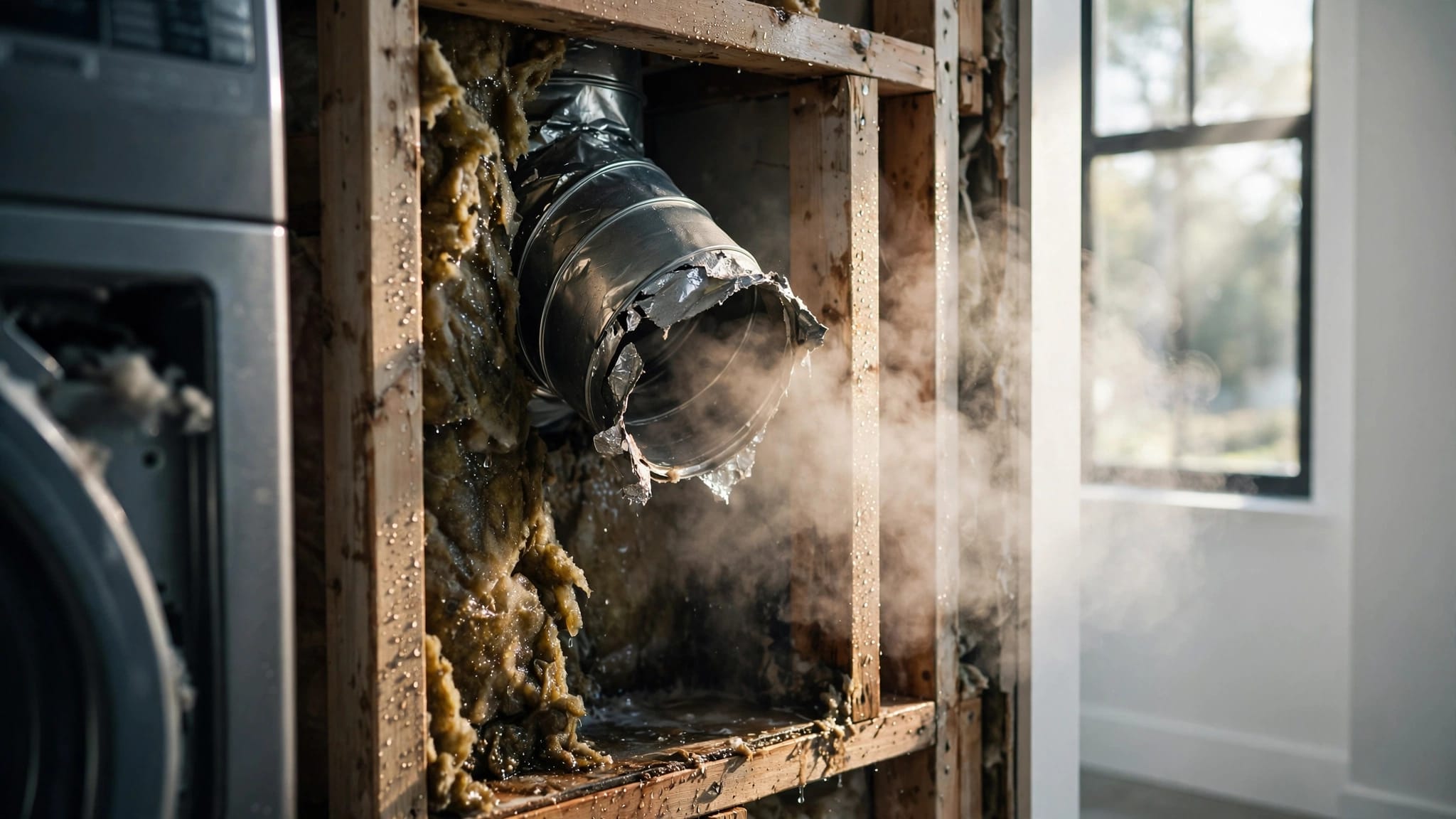
A dryer that needs two cycles for one load is sending a message. When the dryer vent hose length is too long, airflow slows down and heat stays trapped in the system.

That extra drag can leave clothes damp, the cabinet warm, and lint where it doesn't belong. It can also create moisture and odor problems in the laundry room.

The warning signs start small, but they get easier to spot once you know what to look for.

Longer Drying Times Are the First Clue

A long vent hose often shows up at the dryer before it shows up anywhere else. Clothes take longer to dry because moist air can't escape fast enough. The machine works harder, and you may hear it running longer than usual.

A few common signs stand out:

  • Loads need a second cycle even when the fabric wasn't soaked to begin with.
  • Towels and heavier items stay damp near the center after a normal cycle.
  • The dryer cabinet feels hotter than it used to.
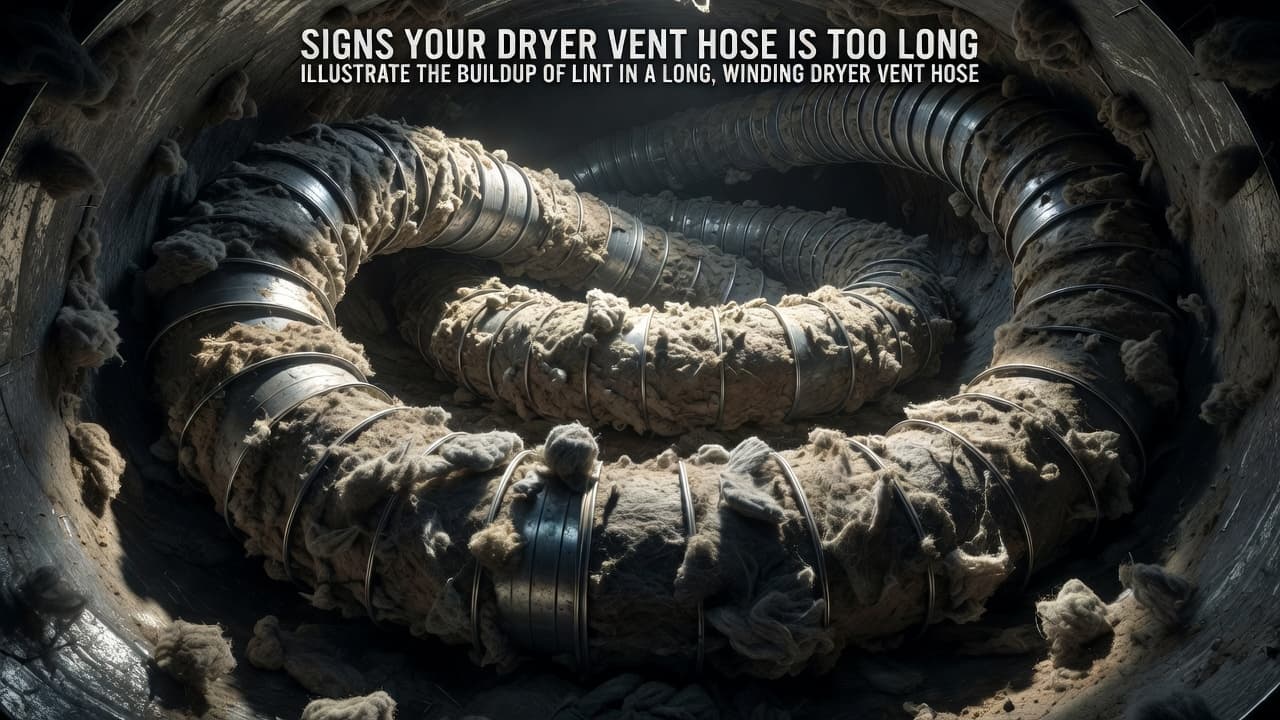
  • The lint trap fills up faster , even when you clean it often.

If a dryer that used to finish a load in one cycle now needs two, airflow is probably being restricted.

A long hose is not the only cause, but it is a common one. Lint buildup makes the problem worse, which is why why professional dryer vent cleaning matters is worth understanding when the dryer starts to fall behind.

When air can't move freely, moisture stays in the drum and inside the vent. That leaves the dryer busy, but not effective.

Bends, Kinks, and Crushed Sections Make the Problem Worse

Length alone doesn't tell the whole story. Every bend, kink, and squeeze adds resistance. A hose that snakes around the wall or folds behind the dryer can act like a narrow straw with a knot in it.

That is why a short-looking hose can still perform badly. Sharp turns slow the airflow, and crushed sections can block it almost completely. Even a loose loop that hangs down can trap lint and moisture.

Moist air that lingers in the hose has to cool somewhere. Then it condenses, and that damp layer helps lint stick. Over time, the vent becomes less open and more packed.

Pay attention to these warning signs:

  • The hose looks flattened or pinched behind the dryer.
  • The vent connection hangs with a sag in the middle.
  • The dryer has to sit far from the wall, which forces extra hose length.
  • The exterior vent flap opens weakly, or barely opens at all.

A clean hose still needs the right shape. If the path is long and cramped, performance drops even faster.

Simple Checks You Can Do Without Tools

You don't need to take anything apart to spot trouble. A quick visual check often tells you plenty.

Start with the space behind the dryer. Pull the machine out carefully and look at the hose path. It should stay as short and straight as your setup allows. Then check for dents, flat spots, and sharp bends.

Next, inspect the outside vent cover. Open the dryer door, run a cycle on air fluff or low heat for a minute, and watch the flap if you can do so safely. Weak airflow outside is a sign that the hose may be too long, clogged, or both.

Use this simple checklist:

  1. Look for slack in the hose. A hanging loop can hold lint and water.
  2. Check for crushing where the dryer sits close to the wall.
  3. Confirm the route matches the manual for your dryer model.
  4. Review local code requirements before making any changes.

Do not add extra hose to make the connection "easier." Do not tape over bends or force the machine into place. Those fixes can make airflow worse and create a bigger safety problem.

If you want a simple rule, keep the hose path as short, smooth, and direct as possible within the manufacturer's guidance.

When the Setup Needs Professional Help

Some laundry rooms leave little room to work. Maybe the vent has to turn around a corner, run through a wall, or reach a far exterior exit. In those cases, the right fix may not be a quick adjustment. It may be a full evaluation.

Professional dryer vent service is the better option when the hose keeps getting crushed, the dryer still overheats after a basic cleaning, or the vent route looks too long for the space. It also makes sense when you notice a musty smell, extra lint around the machine, or moisture near the vent opening.

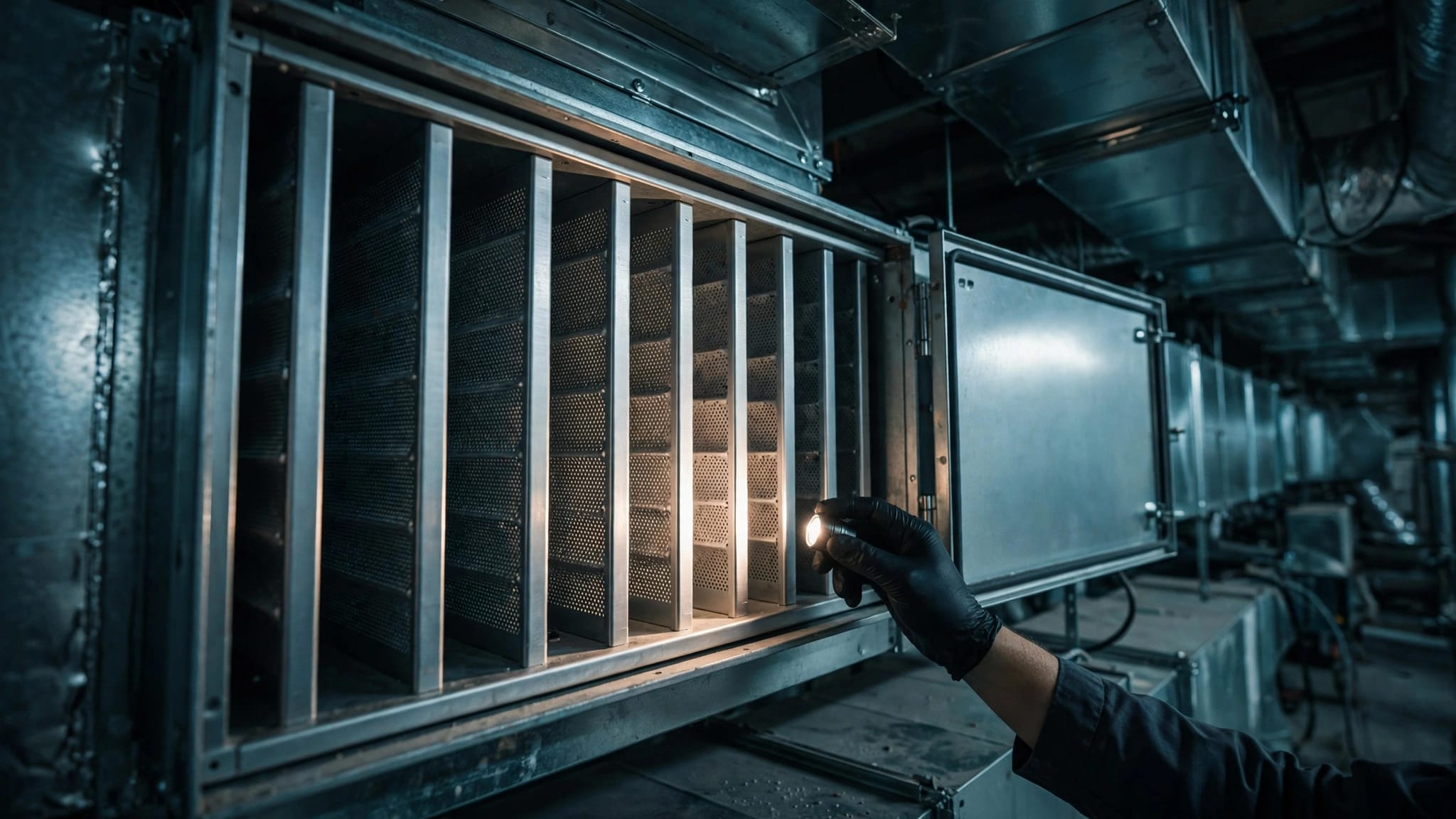
A technician can measure the vent path, clean hidden buildup, and check whether the layout follows the dryer manual and local code. That matters because the wrong hose length, too many turns, or a blocked exterior cap can all put the system under stress.

If the signs keep coming back, Get a Free Estimate for dryer vent cleaning and have the full vent path checked.

Conclusion

A too-long dryer vent hose leaves a trail of clues. Drying times stretch out, the dryer runs hotter, lint piles up, and moisture starts to linger. Once bends, kinks, and crushed spots enter the picture, the problem gets worse fast.

The safest next step is to check the hose path, compare it with the dryer manual, and stay within local code. If the vent layout is cramped or the warning signs keep returning, professional service is the smart move.

By Adkins Duct Cleaning June 10, 2026
When one room feels like a sauna and another feels fine, the ductwork may be part of the problem. A duct damper stuck open or closed can throw off airflow in ways that look like thermostat trouble or a weak AC system. The good news is that many clues show up in plain sight. Un...
By Adkins Duct Cleaning June 9, 2026
A dryer vent problem often starts small. A loose bend, a sagging line, or a crushed section can turn into slow drying, extra lint, and more heat than you want near your laundry room. The short answer is simple: a flexible foil dryer duct is generally not the safest or most rec...
By Adkins Duct Cleaning June 8, 2026
Water in ductwork does not always mean you need a full cleaning. In many Florida homes, the right move is a fast inspection first, then cleaning only if the ducts are dry, structurally sound, and free of heavy contamination. That matters more here because heat and humidity can...