
When a Jump Duct Makes Sense in Florida Bedrooms

Adkins Duct Cleaning • June 21, 2026

A bedroom that feels fine with the door open can turn muggy once you close it. In Florida, that often points to air pressure, not just a weak AC. A jump duct in Florida homes can help, but only when the room and the system are a good match.

Closed doors, tight weatherstripping, and long hallway returns can trap air in one room. The result can be uneven temperatures, stuffy air, and a door that seems harder to shut. Here's when that simple duct makes sense, and when it doesn't.

Why a closed bedroom feels stuffy in Florida

Florida homes put HVAC systems under steady stress. The AC runs often, humidity stays high, and small airflow problems show up fast in bedrooms.

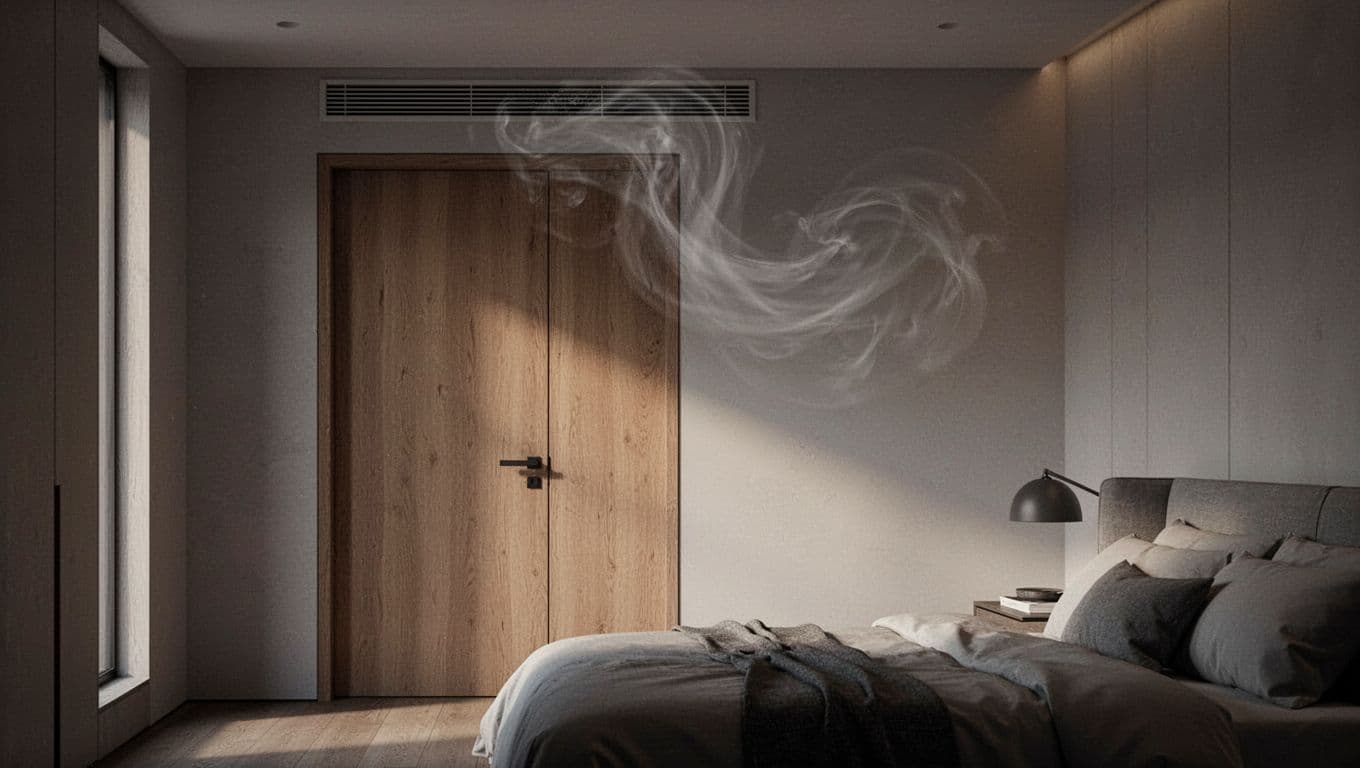
When a bedroom gets supply air but has no easy path back to the return, pressure builds. Fresh air comes in, but stale air has trouble leaving. That can make the room feel warmer than the thermostat says, even when the system is cooling.

You may notice the problem at night. The room starts okay, then feels sticky after the door stays shut for an hour. Sometimes the door even gets hard to close because pressure changes push against it.

That is where pressure balancing comes in. In plain terms, it means giving air a way to move in and out of a room without fighting itself. A bedroom should not act like a sealed box.

What a jump duct does

A jump duct is a short duct that gives air a path from a bedroom to a nearby hallway or return area. It does not add cold air. It helps the room breathe.

That matters because the supply side and the return side need to work together. If air can enter a bedroom but cannot leave easily, comfort drops fast. The AC keeps pushing, but the room still feels off.

A jump duct helps most when a bedroom already gets enough supply air, but the air has nowhere to go.

Used the right way, it can reduce that trapped, pressurized feeling. It can also help the room stay closer to the temperature of the rest of the house. In many cases, that means fewer hot spots and less humidity buildup in the evening.

Some people compare it to opening a window, but that is not the same thing. A jump duct keeps privacy and helps the HVAC system move air through the house the way it was meant to move.

Signs a jump duct makes sense in your home

A jump duct is worth considering when the problem follows a clear pattern. The table below shows common clues.

What you notice What it often means Why a jump duct may help
The bedroom feels fine until the door closes Air is getting trapped in the room It gives air a return path
The room runs warmer or stickier than the hall Pressure imbalance is slowing airflow It helps the AC cycle more evenly
The door is hard to shut or whines when closed Pressure is building behind the door It can relieve that pressure
The room has no return grille and little wall space A full return may be hard to add A short duct can be a simpler fit

These are common in guest rooms, nurseries, smaller bedrooms, and bonus rooms. They also show up in homes with solid doors and tight weatherstripping.

A jump duct makes the most sense when the bedroom already has a decent supply register. If the room is getting almost no cooled air at all, the real issue may be bigger than return air flow. In that case, the duct layout, the duct size, or the equipment itself may need a closer look.

Florida homeowners also run into this after a remodel. New insulation, new doors, or better sealing can make a room quieter and tighter, but that can also trap air. The bedroom feels finished, then the airflow problem shows up.

When another HVAC fix is better

Sometimes the bedroom is only the symptom. If a room stays hot even with the door open, a jump duct is probably not the answer. The issue may be a weak supply run, a crushed flex duct, a dirty filter, low refrigerant, or a return that is too small for the house.

If several rooms feel off, the system may need balancing across the whole home. That can involve duct repairs, airflow checks, or professional air duct cleaning services if dust and buildup are part of the problem.

Humidity is another clue. A bedroom that feels sticky after the AC shuts off may need better airflow, but it may also need help with attic heat, insulation, or air leaks around doors and windows. In Florida, those issues stack up fast.

A jump duct is a focused fix. It works best when one room has a return-air problem and the rest of the system is basically sound. When the whole home struggles, the fix should be broader.

What proper installation should include

A jump duct should be sized and placed with care. If it is too small, it can whistle. If it is poorly routed, it can move dust or make noise. If it is placed in the wrong spot, it can short-circuit the airflow instead of helping it.

Good installation usually starts with a simple plan:

  • The path should be short and direct.
  • The duct should be sealed well.
  • The grille placement should fit the room layout.
  • The setup should match the home's HVAC design.

Local code requirements matter, and so does the way the whole system is built. What works in one house may not work in the next. Ceiling height, door location, return placement, and attic access all affect the final result.

If an installer can explain how air will move with the bedroom door closed, that is a good sign. If they skip that part and just cut a hole, keep asking questions.

The goal is pressure balancing, not a noisy shortcut.

A clean installation also keeps the room usable. You should still have privacy, steady airflow, and a bedroom that feels like part of the house instead of a separate pocket of air. In many Florida homes, that balance is the real win.

Conclusion

A jump duct makes sense when one Florida bedroom gets stuffy only after the door closes, the system already delivers decent supply air, and the room needs a path back to the return. It is a pressure fix, not a cure-all.

When a bedroom still feels uneven after that, the issue may be broader, and the next step should be a full airflow check. If you are dealing with whistling doors, sticky air, or one room that never quite matches the rest of the house, Get a Free Estimate and get the layout looked at before the problem gets worse.

By Adkins Duct Cleaning June 23, 2026
A filter that faces the wrong way can slow an HVAC system fast. The thermostat may keep calling for air, but rooms feel flat, stuffy, or slow to recover. A backward air filter often hides in plain sight because the unit still runs. The fix starts with the arrow on the frame. T...
By Adkins Duct Cleaning June 22, 2026
A dark spot on a vent cover often starts with moisture, not neglect. In Florida, that moisture shows up fast because cool indoor air meets hot, humid outdoor air all the time. That mix makes vent cover mildew a common sight in homes across the state. Dust gives it something to...
By Adkins Duct Cleaning June 20, 2026
When your AC starts losing strength, the ducts are not the only thing worth suspecting. A dirty evaporator coil can cause weak airflow, uneven temperatures, longer run times, poor cooling, and higher energy bills, all of which can look like a duct problem. That mix-up matters...