
Why Vent Cover Mildew Happens in Florida Homes

Adkins Duct Cleaning • June 22, 2026

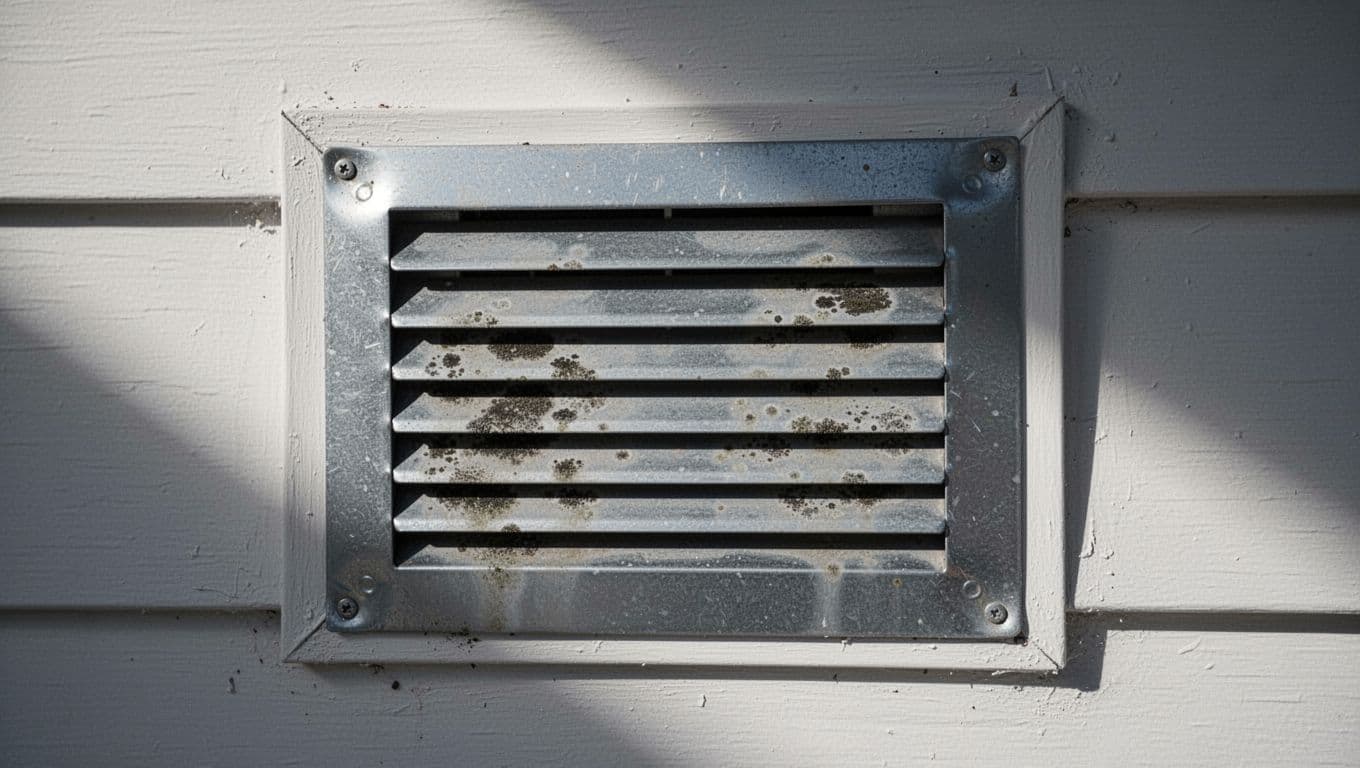
A dark spot on a vent cover often starts with moisture, not neglect. In Florida, that moisture shows up fast because cool indoor air meets hot, humid outdoor air all the time.

That mix makes vent cover mildew a common sight in homes across the state. Dust gives it something to hold on to, and condensation gives it the water it needs. When the same spots keep returning, the cover is usually pointing to a humidity or airflow issue.

How condensation starts on a vent cover

Warm air carries water vapor. When that air hits a cooler vent cover, the air temperature drops and the moisture can condense on the surface. The result is a thin film of water, which may dry quickly or stay long enough for mildew to take hold.

Metal grilles are especially prone to this because they cool fast. Painted covers and plastic registers can still collect moisture, but metal often shows the problem first. If dust, lint, or kitchen residue is already sitting on the grille, mildew has an easy place to grow.

That is why a cover can look dirty even when the rest of the room seems fine. The vent is acting like a little cold plate in a humid room. It catches what the air leaves behind.

Supply vents are common trouble spots because they deliver cool air into rooms that may still feel damp. Bathroom vents can also show buildup faster, especially after showers. If the room stays humid, the cover never gets much of a break.

Why Florida humidity makes it worse

Florida homes deal with humidity for most of the year. Even when the air conditioner runs well, outside moisture still finds its way inside through doors, windows, attic gaps, and small duct leaks. That extra moisture keeps indoor air close to the point where condensation forms.

The AC makes the problem more visible. It cools the air, but it also cools vent surfaces. When those surfaces sit in a humid room, they can collect moisture again and again. Over time, that cycle leaves a perfect landing spot for mildew.

Homes that stay shut tight can have the same issue. Less fresh air exchange means moisture hangs around longer, especially in bathrooms, laundry rooms, and bedrooms with weak airflow. A vent cover in one of those rooms may show mildew even when the rest of the house looks clean.

Short cooling cycles can make things worse too. If the system turns on and off too fast, it may not run long enough to pull enough moisture out of the air. The room feels cool, but the humidity stays high.

Stormy weather adds another layer. On a wet afternoon, indoor air may feel heavier than usual, and vent covers can pick up condensation faster. That is one reason mildew shows up so often in Florida homes, even when the house is well cared for.

When vent cover mildew points to a bigger problem

A little buildup on one register may only call for cleaning. Recurring spots are different. If mildew comes back quickly after you wipe the cover, the issue may be inside the HVAC system, in the room itself, or in both places.

Watch for clues around the vent. A musty smell near the grille, dust streaks on nearby walls, or a damp feeling in the room all matter. So does condensation on the vent trim, because that usually means the surface is staying cool enough to collect water.

If mildew comes back after cleaning, the cover is usually reacting to moisture, not causing it.

Some homes also have clogged filters, weak returns, or duct leaks that keep humid air moving where it shouldn't. In that case, the problem is bigger than the vent cover. If you're trying to sort out whether the fix is a filter change or a deeper cleaning, this guide on when to clean air ducts versus changing filters is a helpful place to start.

You may also notice the same pattern in more than one room. That often means the whole system needs attention, not just one grille. If the upstairs bedrooms, bathrooms, or hall vents keep showing spots, think about airflow and moisture together.

Simple ways to keep vents cleaner

The best approach is to dry the air, keep the system clean, and stop moisture from sitting on the cover. That lowers the chance of mildew far more than scrubbing the grille every few weeks.

Start with the basics:

  • Keep indoor humidity in check. Aim for a level that feels comfortable and does not leave the air sticky. A dehumidifier can help in damp rooms.
  • Change HVAC filters on schedule. A dirty filter restricts airflow and can let more dust collect near vents.
  • Clean vent covers gently. Use mild soap, wipe away residue, and dry the cover fully before putting it back.
  • Run bathroom exhaust fans. Turn them on during showers and leave them running for a while after.
  • Keep vents open and clear. Furniture, rugs, and drapes can block airflow and create damp pockets.
  • Watch for duct leakage. If cool air is escaping into a hot attic or wall cavity, humidity problems can follow.

These steps help because they reduce both moisture and buildup. A cleaner vent in a drier room stays cleaner longer. That is the real goal.

If the rest of the system needs a closer look, what to expect during professional air duct cleaning gives a clear picture of how a technician can inspect for dirt, odor, and moisture-related issues.

When a deeper HVAC check makes sense

If mildew keeps showing up, the vent cover may only be the first thing you notice. A weak blower, leaky duct joint, or poor insulation can leave cool surfaces damp long after the room should have dried out. Bathrooms that vent into the attic instead of outside can cause trouble too.

A deeper check makes sense when cleaning the cover does not fix the pattern. It also makes sense when one room always feels damp, the AC seems to run unevenly, or the same musty smell keeps coming back. Those signs point to a system issue, not just a dirty register.

A professional inspection can help separate surface buildup from a moisture problem inside the system. That matters because wiping a vent cover only treats the symptom. The source still needs attention.

If the problem keeps returning, Get a Free Estimate and have the system looked at before the mildew spreads.

Conclusion

Vent covers grow mildew in Florida homes because warm, humid air keeps meeting cooler surfaces. Once condensation forms, dust and poor airflow give the mildew a place to stay.

The fix usually starts with humidity control , clean filters, better airflow, and regular vent cleaning. If the same spots keep coming back, the cover is warning you about a moisture or HVAC issue that needs attention.

A small patch on a grille can point to a much bigger pattern in the home. In Florida, that pattern usually starts with moisture.

By Adkins Duct Cleaning June 23, 2026
A filter that faces the wrong way can slow an HVAC system fast. The thermostat may keep calling for air, but rooms feel flat, stuffy, or slow to recover. A backward air filter often hides in plain sight because the unit still runs. The fix starts with the arrow on the frame. T...
By Adkins Duct Cleaning June 21, 2026
A bedroom that feels fine with the door open can turn muggy once you close it. In Florida, that often points to air pressure, not just a weak AC. A jump duct in Florida homes can help, but only when the room and the system are a good match. Closed doors, tight weatherstripping...
By Adkins Duct Cleaning June 20, 2026
When your AC starts losing strength, the ducts are not the only thing worth suspecting. A dirty evaporator coil can cause weak airflow, uneven temperatures, longer run times, poor cooling, and higher energy bills, all of which can look like a duct problem. That mix-up matters...