Can a Screened Dryer Vent Cap Trap Lint?

Adkins Duct Cleaning • July 2, 2026

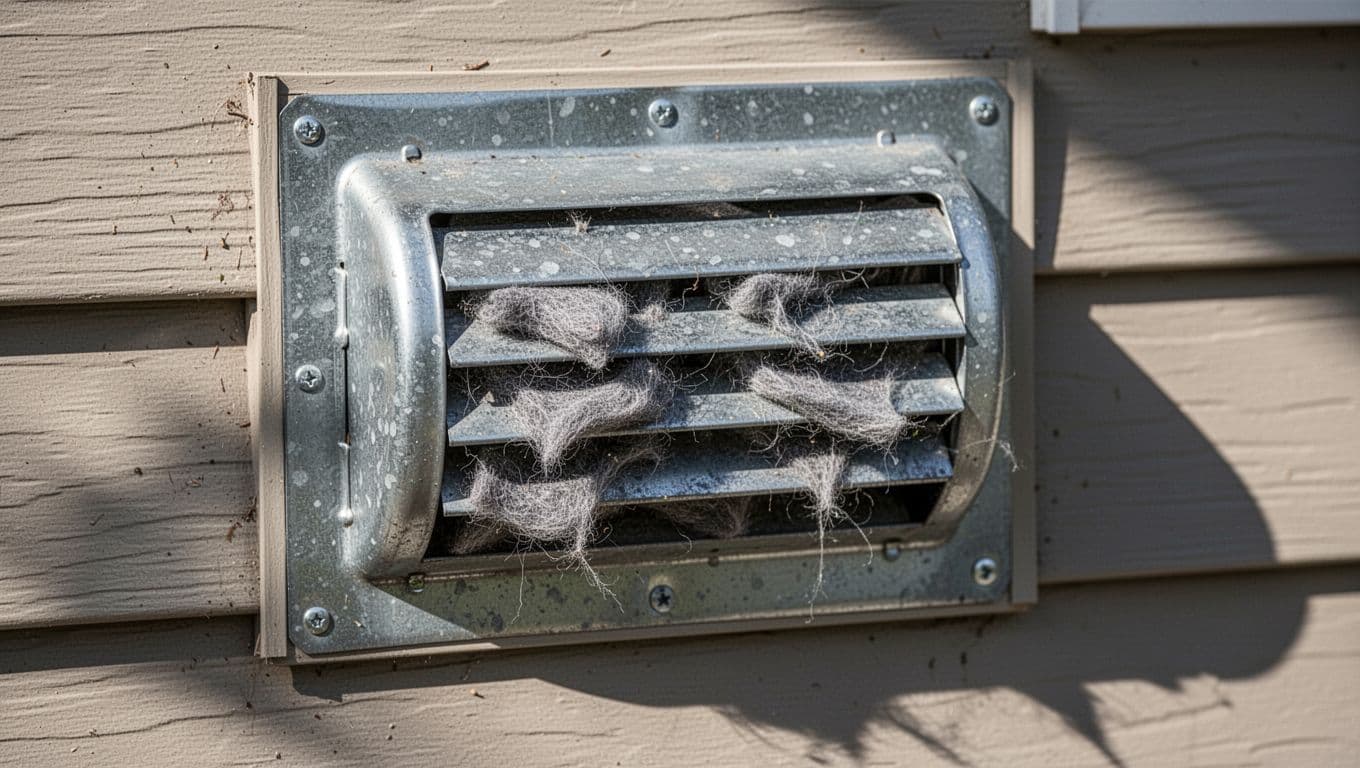
Yes, a screened dryer vent cap can trap lint, and it can restrict airflow more than many homeowners expect. The lint screen inside your dryer catches a lot, but not all of it. Fine fibers still travel with the exhaust, then hang up on the cap and start building a blanket over the opening.

That buildup slows drying, raises moisture levels, and can add heat inside the vent line. If your laundry takes longer to finish or the outside vent looks fuzzy, the cap may be part of the problem.

Why a Screened Dryer Vent Cap Clogs So Easily

A dryer pushes warm air, moisture, and lint through the exhaust path every time it runs. Some lint falls into the trap inside the machine, but some always escapes. Over time, that loose material reaches the exterior termination and sticks there.

A screened dryer vent cap gives lint extra places to catch. Small openings act like a filter, and that sounds helpful until the screen starts loading up. Once lint mats against the mesh, airflow drops fast.

Humidity can make the problem worse. Damp lint clings to the cap, especially in warm climates, and the next load pushes more debris into the same spot. What looks like a minor exterior issue can become a stubborn blockage inside the vent line.

If lint is visible on the outside cap, the exhaust path is already asking for attention.

What Lint Buildup Does to Dryer Performance

When airflow shrinks, the dryer has to work harder to move heat and moisture out of the drum. Clothes stay damp longer, towels feel warm but not dry, and one cycle turns into two. That is more than an annoyance. It wastes energy and puts extra wear on the appliance.

Restricted exhaust also keeps moisture in the system. Instead of leaving the home, humid air can linger in the vent line or push back into the laundry area. In some homes, that can lead to a musty smell or condensation around the vent path.

A clogged cap can also increase safety concerns. Lint is combustible, and heat builds when exhaust cannot escape freely. That does not mean every clogged vent will cause a fire, but it does raise the risk, which is why signs of a clogged dryer vent should never be ignored.

If your dryer feels unusually hot, shuts off on a thermal cycle, or leaves the room warmer than normal, the vent deserves a close look.

Safer Vent Cap Designs and Code Guidance

Many dryer manuals and building guidelines discourage screens on dryer exhaust terminations because they clog so easily. Local code may also limit screened covers on dryer vents, so it pays to check the rules before replacing a cap. The safest choice is the one that lets air escape freely and keeps pests out without choking the system.

A better termination usually has a full-size opening, a smooth metal body, and a backdraft damper that opens with minimal resistance. Some pest-control caps use mesh or small screens, but they need careful evaluation and frequent cleaning. If the screen is fine enough to stop insects and birds, it may also catch lint faster than the vent can clear it.

The goal is simple, steady airflow. Look for these features:

  • A wide opening that matches the vent size
  • A flap or damper that swings open easily
  • Metal construction that holds up outdoors
  • Easy access for inspection and cleaning

If you need pest protection, ask whether the product is approved for dryer exhaust, not just general venting. A cap that looks secure on the wall can still fail if it narrows the exhaust path too much.

How to Inspect the Cap and Decide on Service

Start with a quick exterior check while the dryer is running. Stand outside and look for a strong, steady blast of air. Weak airflow, a flap that barely opens, or lint sticking around the edges all point to trouble. The vent opening should not feel warm and damp for long after a cycle ends.

Next, inspect the cap from the ground or a safe ladder position. If you see lint packed into the screen, remove what you can reach without forcing debris deeper into the line. Do not jam tools into the vent opening, because that can damage the damper or push lint farther inside.

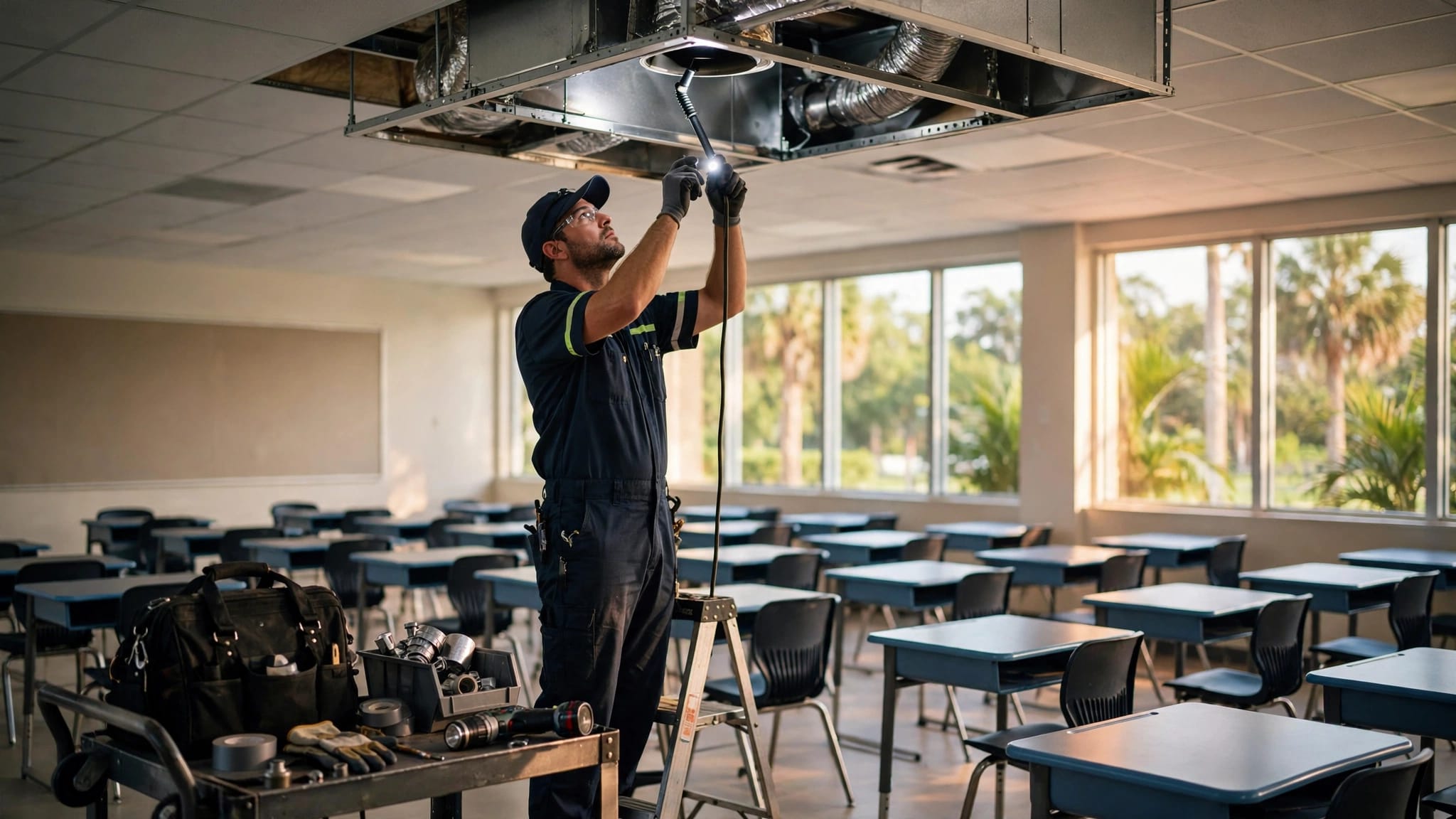
If the vent keeps clogging, the dryer takes too long to finish, or the exhaust path runs through a long duct, call a professional. A full cleaning clears lint from the entire vent line, not just the visible cap. If you want to know what a service visit includes, how dryer vent cleaning works gives a clear overview.

For homeowners who keep fighting the same problem, a professional inspection can also confirm whether the cap design needs to change. If the outside termination is the wrong style, cleaning alone may not solve it.

If your vent cap keeps trapping lint, Get a Free Estimate for a dryer vent inspection and cleaning.

Conclusion

A screened dryer vent cap can trap lint, and that trapped lint can slow drying, hold moisture in the vent, and raise safety concerns. The issue often starts small, then grows every time the dryer runs.

A vent cap should move air out, not act like another filter. When the cap design, airflow, and cleaning schedule work together, the dryer runs better and the home stays safer.

By Adkins Duct Cleaning July 1, 2026
A dryer that suddenly needs two cycles is often sending a message. Sometimes the problem is inside the machine, but just as often the real issue is outside, at the dryer vent hood . When the exterior flap stays shut, hot air and moisture have nowhere to go. You may notice damp...
By Adkins Duct Cleaning June 30, 2026
No, a dryer vent should not terminate in the attic. When hot, moist air and lint dump into that space, you get a fire hazard, moisture damage, mold risk, and a dryer that works harder than it should. It can also violate local building code, even though requirements vary by are...
By Adkins Duct Cleaning June 29, 2026
Condensation inside a dryer vent usually means warm, wet air is cooling before it can escape. That water may look minor at first, but it often points to a vent that is moving air too slowly. When moisture stays in the vent, lint sticks more easily, the dryer works harder, and...