When to Clean Ducts After Mold Remediation
Most homeowners want to know when to clean ducts after mold remediation. Usually, the answer is after remediation is complete, the moisture source is corrected, and the HVAC system is inspected. The right timing depends on those conditions, not an arbitrary number of days.
If you have duct cleaning mold concerns after a remediation project, begin with the system's condition, not the calendar. Mold remediation addresses growth and moisture, while duct cleaning removes dust and contamination from air-moving components.
When to Clean Ducts After Mold Remediation in Florida Homes
Schedule cleaning after affected building materials have been handled, leaks or condensation have been corrected, and the area has dried. If the HVAC system itself is contaminated, cleaning may be part of the remediation scope and happen before final post-remediation verification, often called PRV. The remediation and HVAC contractors should coordinate that sequence.
Fix moisture before you clean
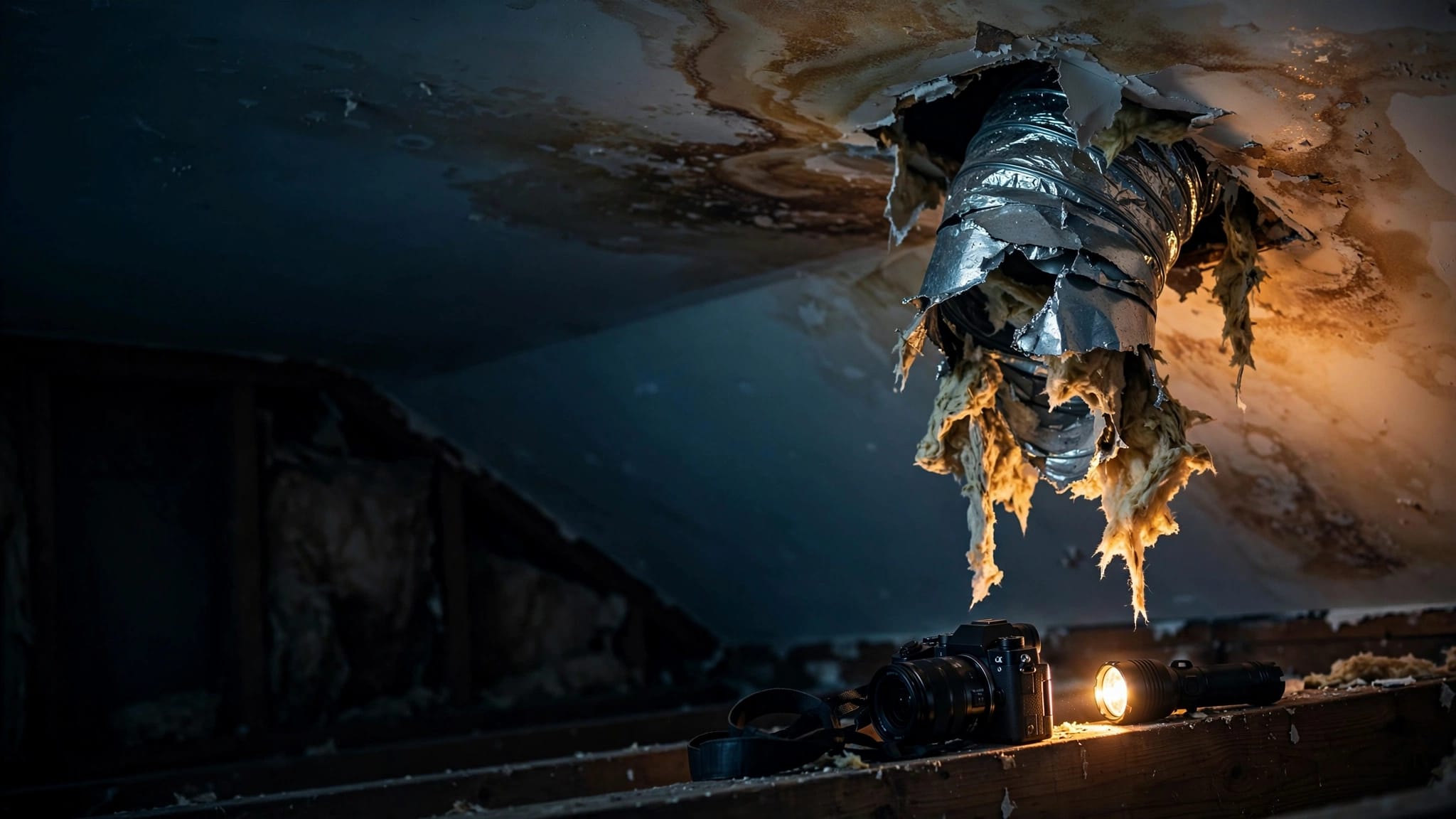
A leaking roof, plumbing line, condensate drain, or humidity problem can feed new growth. Cleaning ducts first may remove debris, but it won't stop mold from returning.
In Florida homes, check the air handler, evaporator coil, drain pan, filter cabinet, and nearby insulation for dampness. If any component remains wet, repairs and drying come first.
Let an HVAC inspection set the schedule
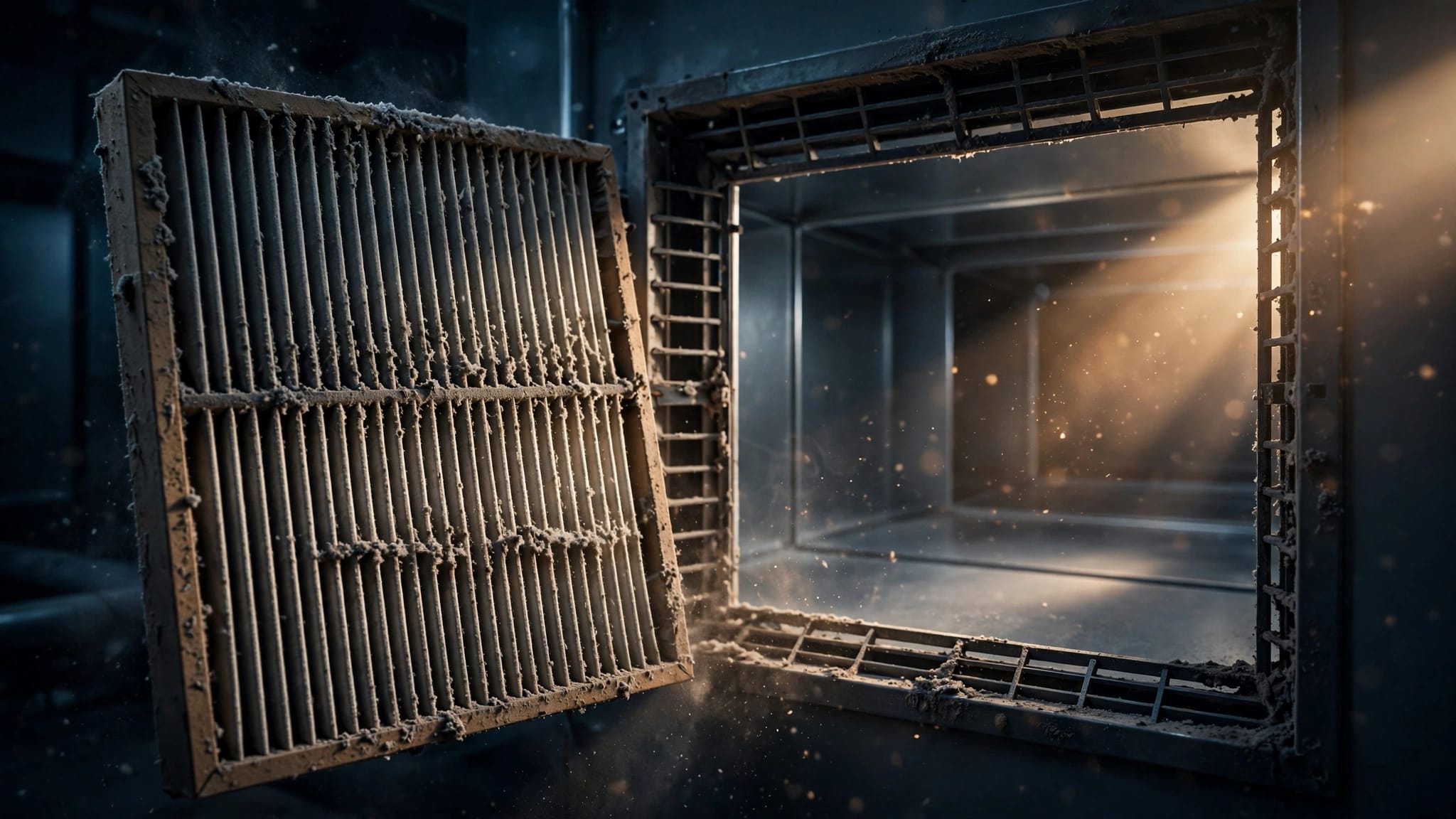
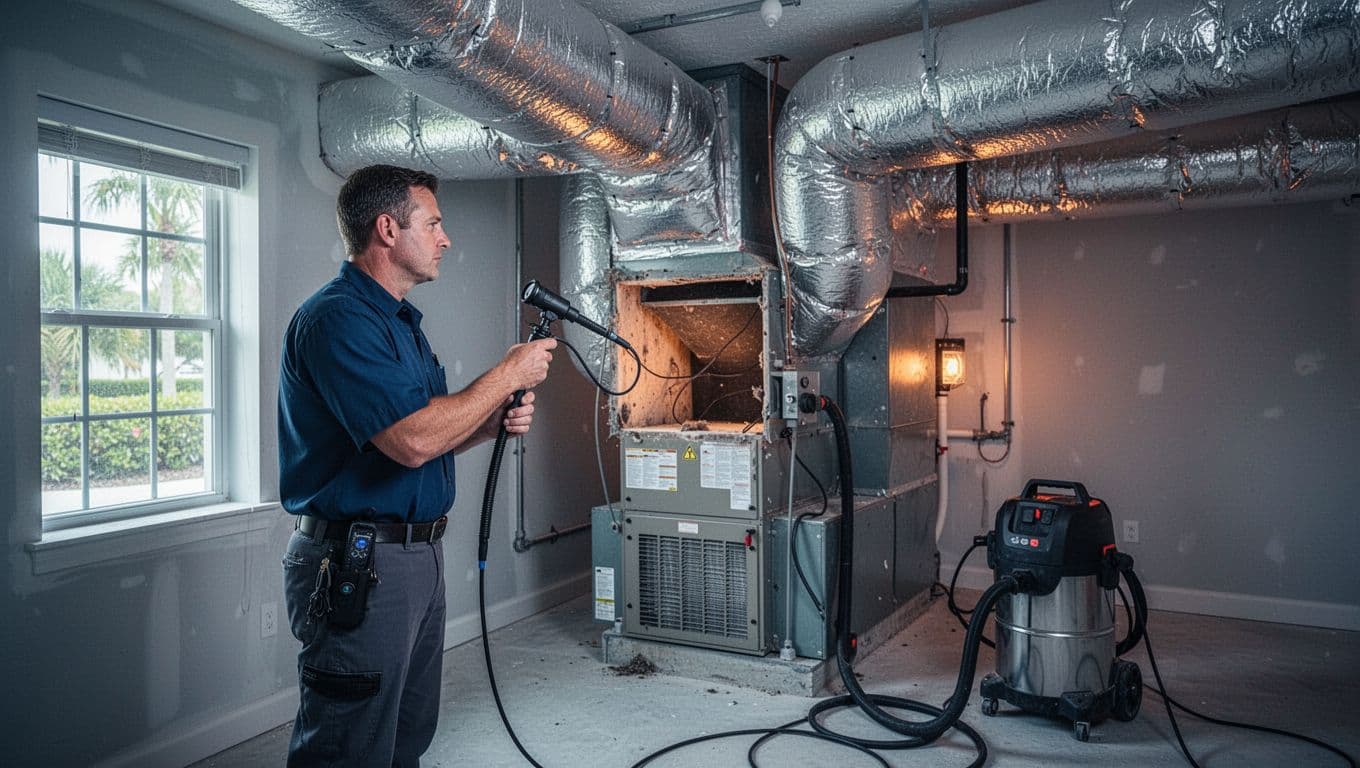
After remediation, an HVAC professional should inspect return grilles, supply runs, the blower compartment, coil area, and accessible duct insulation. A camera can show buildup, damaged sections, or suspicious staining, although dark marks alone don't prove mold.
What a duct camera inspection can reveal can help you understand why video evidence still needs professional judgment. If contamination entered the system, cleaning can follow clearance. If it didn't, no waiting period creates a reason to clean.
How Duct Cleaning and Mold Remediation Differ
Duct cleaning and mold remediation solve different problems and should be planned in the right order. Confusing them can lead to unnecessary treatments or leave the real source untouched.
What duct cleaning can remove
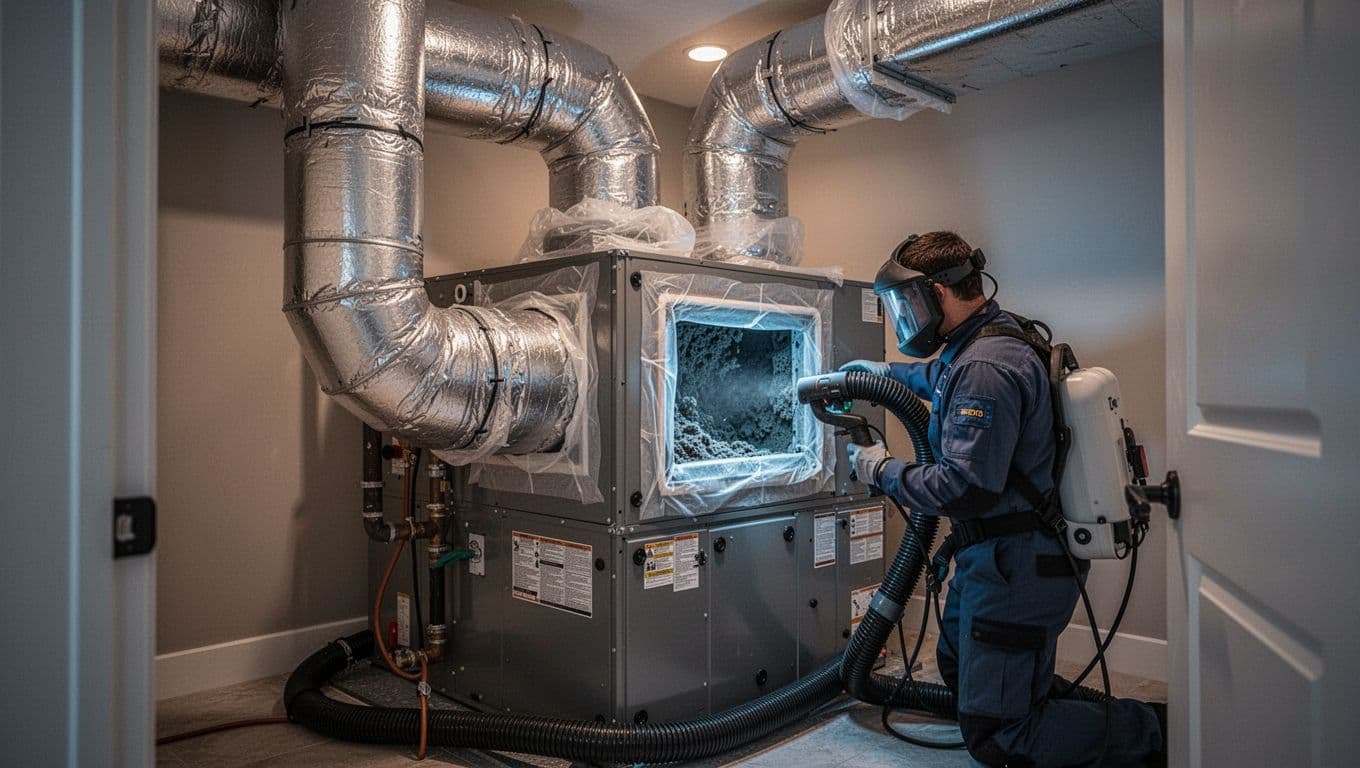
Duct cleaning uses controlled source removal, usually with negative pressure, to pull dust, settled debris, and other contamination from registers, grilles, supply lines, returns, and accessible air-handler parts. The technician should protect the home and seal access points.
Cleaning may improve system cleanliness, but it doesn't correct a water leak, replace mold-damaged insulation, or prove that an active mold problem is gone. A cleaning company shouldn't promise that vacuuming alone cures mold.
What remediation must address
Mold remediation focuses on affected materials and the moisture source. Depending on the location, the work may involve containment, removal of damaged porous material, cleaning, drying, and post-remediation verification.
A sanitizer or antimicrobial product isn't a substitute for that work. Read about what air duct microbial treatment does before approving an add-on, especially when a proposal uses the word mold without describing the actual finding.
When Duct Cleaning May Be Unnecessary
If growth was confined to a wall, ceiling, bathroom, or another area outside the HVAC system, and the system stayed off or isolated, an inspection may show no need for duct cleaning.
When the HVAC system stayed clean
Clean filters, dry components, normal airflow, and no HVAC-related odor support leaving the ductwork alone. A professional should explain why the system needs service instead of assuming every mold event contaminated the ducts.
The same applies when remediation workers protected the HVAC system and final inspection found no debris or suspect growth inside it. Cleaning should respond to observed conditions, not fear about what might be hidden.
Signs contamination reached the system
Cleaning becomes more reasonable when an inspection finds debris inside the system, a musty odor that appears when the blower runs, dust released after remediation, visible contamination on HVAC components, or damp or damaged duct insulation.
Pest waste and renovation dust also justify a scope review. Register cleaning alone won't address contamination deeper in the runs. Dark staining is not confirmation of mold, so ask whether testing or a closer HVAC evaluation is needed.
How to Arrange Safe Post-Remediation Cleaning
A safe job starts with coordination between the remediation team and HVAC provider. They should agree on when the system can run and which components need cleaning or repair.
Keep a suspect system turned off
If you suspect contaminated ducts, turn off the HVAC system if doing so is safe. Don't keep running it to "air out" the home.
Avoid household vacuums, bleach sprays, brushing mold from registers, or cutting into ductwork. These steps can spread particles, damage fiberglass or flex duct, and leave the moisture source untouched. Coordinate the mold-remediation contractor with a qualified HVAC cleaning company when both scopes are involved.
Get a written cleaning scope
Before booking, ask for the inspection findings, affected components, cleaning method, access plan, and any needed repairs or treatments. The provider should use source removal and negative pressure, protect floors and furnishings, and explain how it will handle lined or fragile duct materials.
Questions to ask an air duct cleaning company can help you compare proposals without confusing microbial treatment with remediation. If the inspection supports service in Southwest Florida, you can Get a Free Estimate for duct cleaning.
Make the Inspection the Starting Point
Clean ducts after mold remediation when the moisture source is fixed, the affected area is cleared, and inspection shows HVAC contamination or a sound reason for service. In other cases, cleaning may add cost without addressing the actual problem.
Most importantly, duct cleaning is one step, not a cure for active mold. Keep a suspected contaminated system off, use qualified professionals, and choose the timing based on evidence from the building and HVAC inspection.