Dryer Vent Cleaning Florida Rentals: Who Handles the Work?
A dryer that takes two cycles to dry clothes may have more than a tired appliance. Lint, crushed ductwork, poor airflow, and an improper exterior vent can create a fire-safety concern inside a rental home.
Searches for "dryer vent cleaning Florida" often come from a renter who wants to know whether to call the landlord or arrange service alone. The answer depends on the lease, the vent's location, the appliance, and whether the problem is routine upkeep or a defect. Start with the responsibility split before booking a cleaning.
Dryer Vent Cleaning Florida Rules for Rental Homes
Florida law doesn't assign dryer vent cleaning to landlords or tenants by name. The statewide rental statutes provide general duties instead, so the lease and the condition of the vent usually determine who handles the work.
What Florida law actually says
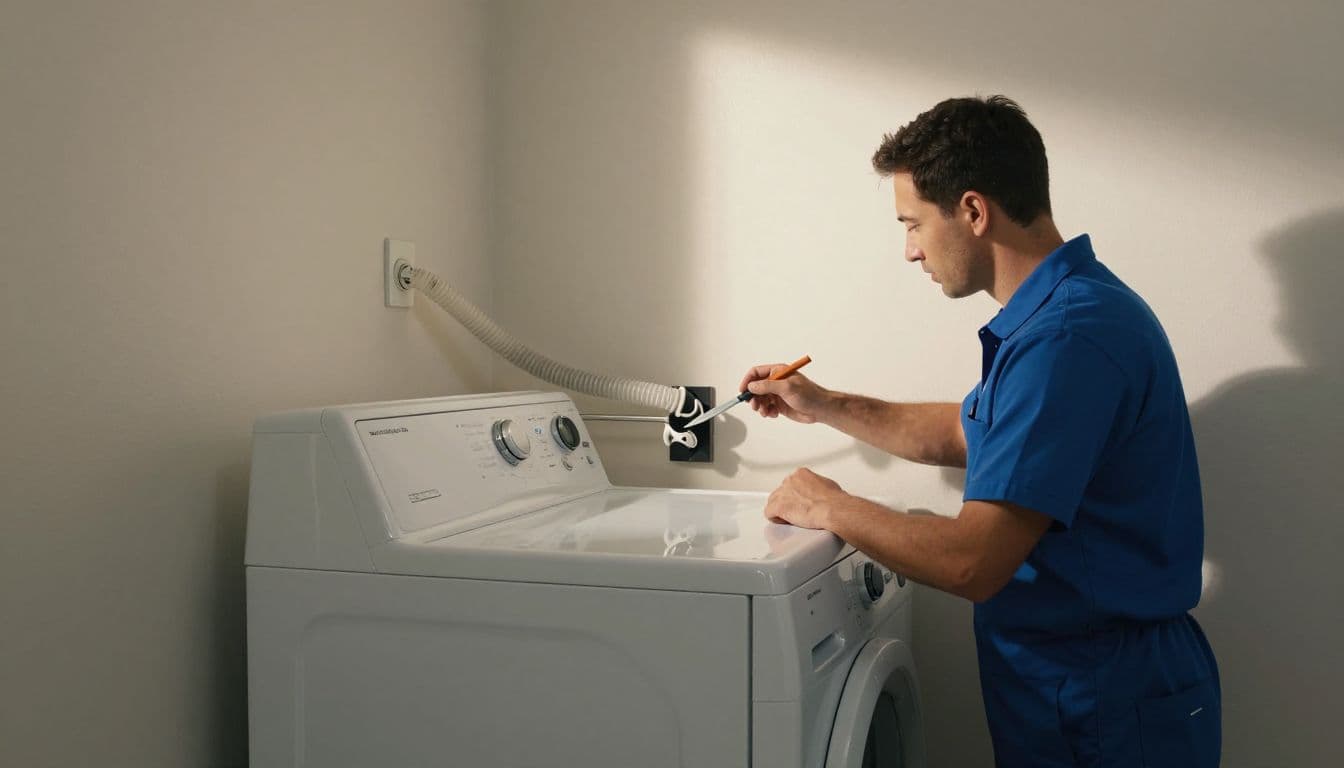
Florida Statutes Section 83.51 requires landlords to comply with applicable building, housing, and health codes. When no specific code applies, it also addresses the upkeep of certain structural parts and plumbing.
Section 83.52 requires tenants to keep the dwelling clean and sanitary. It also requires reasonable use of electrical, plumbing, ventilation, air-conditioning, and other facilities and appliances.
Those sections create a maintenance baseline, but neither one creates a statewide rule that says, "The landlord must professionally clean the dryer vent every year." Local codes, building rules, the lease, and the actual cause of the problem still matter.
Florida rental law treats dryer vent cleaning as part of a broader maintenance and safety question, rather than as a separate duty assigned to one party.
Why the lease matters
Read the maintenance, appliance, pest, and repair sections of the lease. Some agreements assign tenants routine lint removal and cleaning of accessible vent sections. Others require the property manager to arrange all appliance and exhaust-system service.
A lease may also distinguish between tenant housekeeping and landlord repairs. That distinction matters when the vent runs through a wall, ceiling, attic, or shared building space. A renter normally can't inspect or clean those areas without permission and specialized equipment.
If the lease is silent, ask the landlord or property manager for a written decision. Don't assume that silence gives you permission to hire a company and deduct the bill from rent.
When the Landlord Usually Handles the Work
Landlords commonly coordinate service when the vent is part of the building, the dryer belongs to the rental, or the problem involves a safety defect. The exact payment responsibility still depends on the agreement and the facts.
Structural and exterior vent problems
A landlord or property manager should usually arrange inspection when the vent is:
- Concealed inside a wall, ceiling, crawl space, or attic.
- Disconnected, crushed, excessively long, or improperly routed.
- Missing an exterior termination or venting into an attic or enclosed space.
- Connected to a shared laundry exhaust system.
- Blocked because of a construction or installation defect.
These conditions aren't ordinary lint-screen chores. They involve the exhaust path, building components, or work that may require access beyond the renter's control.
For example, a dryer vent that ends in an attic can release heat and moisture into the building. Review this guidance on proper dryer vent routing if you see an unusual termination or suspect the line doesn't reach outdoors.
Problems with a supplied dryer
When the landlord provides the dryer, report poor performance before arranging repairs. The appliance may have a failing blower, damaged connection, or a vent restriction that requires coordinated service.
A property manager may send an appliance technician first, then schedule a vent specialist. That approach helps identify whether the issue comes from the dryer, the exhaust line, or both. Keep the dryer available for inspection, and follow any instruction to stop using it until the visit.
What Renters Are Reasonably Expected to Do
Tenants still have practical maintenance duties, even when the landlord owns the appliance and the vent system. These duties usually involve safe daily use rather than hidden duct repairs.
Routine care inside the home
A renter should clean the lint screen after every load and remove lint around the dryer. Avoid overloading the machine, and don't run it while the home is empty if the lease or appliance instructions discourage that practice.
Report warning signs promptly. A tenant should also avoid pushing the dryer tightly against the wall, disconnecting the exhaust hose, or attaching an improvised extension. Those actions can restrict airflow or damage the connection.
If the lease assigns routine professional cleaning to the tenant, follow its notice, scheduling, and payment terms. Ask the landlord which vent sections the tenant is allowed to access before removing anything beyond the lint screen.
When tenant-caused damage changes the answer
A tenant may face a charge when the problem results from misuse, unauthorized alterations, or failure to follow a clear lease requirement. The landlord should still explain the alleged damage and provide an itemized charge when appropriate.
Normal lint accumulation inside a vent isn't automatically proof of tenant negligence. A long duct run, a poor installation, or years of deferred maintenance can create the same symptom. Responsibility should follow the cause, not merely the fact that the renter used the dryer.
Warning Signs of a Clogged Dryer Vent
Dryer vent cleaning in Florida rental homes becomes more urgent when the machine shows clear airflow or overheating problems. Humidity can also make drying problems more noticeable, but it doesn't explain every slow cycle.
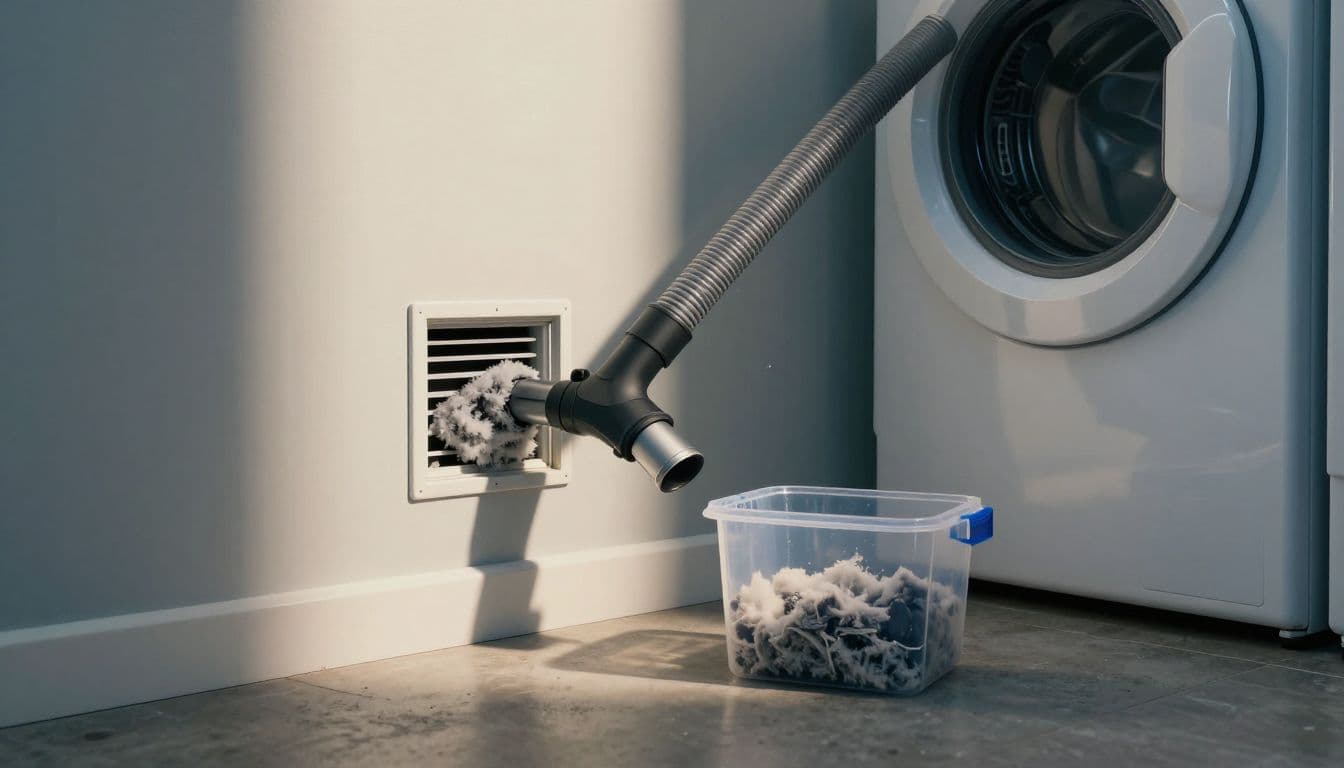
Watch for these signs:
- Clothes remain damp after a normal cycle.
- The dryer or laundry room feels unusually hot.
- The outside vent flap barely opens during operation.
- A burning or overheated smell comes from the dryer area.
- The cycle takes longer than it used to without a change in load size.
- Lint collects around the dryer connection or exterior vent.
- The dryer shuts off, displays an overheating warning, or needs repeated resets.
Treat heat and burning smells as urgent
Stop using the dryer if you smell burning, see smoke, notice melting material, or feel extreme heat around the appliance. Turn it off, unplug it only if you can do so safely, and call 911 for an active fire or smoke emergency.
For a non-emergency concern, notify the landlord in writing and state that you stopped using the dryer because of a possible exhaust or overheating problem. Don't keep testing the machine through multiple cycles. A blocked vent can worsen while the dryer continues producing heat.
How to Coordinate Cleaning in a Rental
Good coordination prevents a maintenance request from becoming a dispute. Both parties should identify the problem, confirm access, and keep a record of what the service provider finds.
Landlord access and contractor visits
Florida Statutes Section 83.53 allows a landlord to enter for necessary or agreed repairs and services. The current statutory text provides at least 24 hours' notice for repair entry, with reasonable repair hours generally listed as 7:30 a.m. to 8:00 p.m.
A tenant can't unreasonably refuse access for an approved inspection or repair. At the same time, the landlord can't use entry rights to harass the renter. Agree on a date, confirm whether the contractor needs to move the dryer, and secure pets before the appointment.
Emergency conditions are different. A landlord may enter without prior notice when an emergency threatens the property or occupants. A strong burning smell or visible smoke may justify immediate action.
Put the request in writing
A renter's message should include the date, the symptoms, and whether the dryer is still in use. Photos of lint buildup, a damaged hose, or an exterior vent cap can help, but don't remove covers or enter restricted areas to take them.
A landlord should respond with the next step, such as an appliance inspection, vent cleaning, duct repair, or a request for more information. After service, ask for the technician's findings and keep the invoice, photos, and any recommendation for future maintenance.
When owners compare dryer vent cleaning Florida providers, they should confirm who will access the line, whether the exterior termination will be checked, and whether the company will report defects instead of only removing loose lint.
If the Landlord Does Not Respond
A landlord's silence doesn't make an unsafe dryer safe to use. Take reasonable steps to protect people and property while creating a clear record.
- Stop using the dryer if it shows overheating, burning odors, smoke, or severe airflow loss.
- Send a dated written request through the communication method named in the lease.
- Describe the symptoms and request inspection or repair within a reasonable period.
- Save messages, photos, lease pages, work orders, and missed appointment notices.
- Contact local code enforcement, a fire marshal, or a housing official if you believe the condition creates an immediate code or fire-safety concern.
- Get Florida legal advice before withholding rent, hiring work without approval, or seeking reimbursement.
Florida Statutes Section 83.56 contains landlord-tenant remedies when a landlord materially fails to meet certain obligations. Those remedies can involve specific notices and deadlines. A Florida attorney or local housing official can explain which process fits your situation.
Choosing a Dryer Vent Cleaning Company in Florida
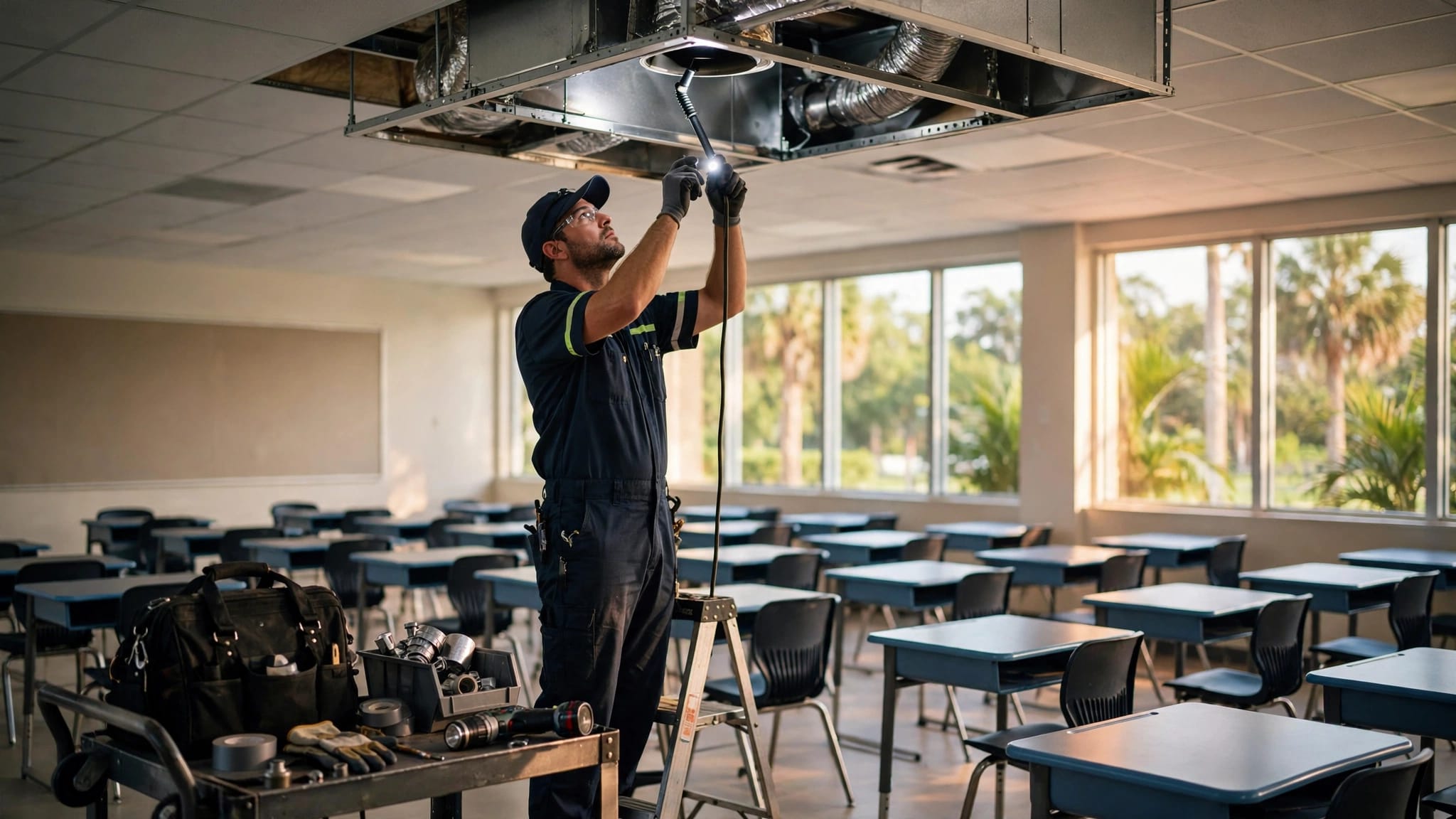
Professional service should cover the dryer exhaust line, not only the lint screen or the short hose behind the appliance. Ask whether the technician will inspect the connection, clean the accessible duct, check airflow, and look at the exterior termination.
Request a written scope of work before anyone starts. The estimate should identify whether the price includes moving the dryer, cleaning a long or concealed line, removing heavy buildup, or recommending a repair. Dryer vent service is separate from air duct cleaning, so a company offering both should describe each service separately.
For landlords, before-and-after photos and a service report help document property care. For renters, written approval can prevent confusion about payment. Adkins Duct Cleaning & Dryer Vent Service provides service along Florida's Gulf Coast, and owners or renters can Get a Free Estimate when the lease or property manager permits outside service.
Conclusion
Florida rental law doesn't give one universal answer to who pays for dryer vent cleaning. The lease usually covers routine care, while landlords commonly coordinate concealed ductwork, exterior problems, shared systems, supplied-appliance issues, and defects.
Tenants should clean the lint screen, use the dryer reasonably, report warning signs, and allow properly arranged access. Landlords should respond to safety complaints and coordinate qualified inspection when the vent may be blocked or defective. The safest next step is to document the condition, stop using a dangerous dryer, and clarify responsibility before service begins.