Rental Property Duct Cleaning Between Tenants: A Turnover Guide
A vacant rental may look ready after painting and floor cleaning, yet the first HVAC cycle can send dust, odors, or debris through the vents. A thoughtful rental property duct cleaning decision helps you address those problems without paying for unnecessary service.
The U.S. Environmental Protection Agency does not recommend routine duct cleaning on a fixed schedule. Cleaning makes sense when an inspection finds visible contamination, pests, water damage, or debris entering the living space. Use the turnover period to inspect the system, correct the source, and document the condition before a new tenant moves in.
Rental property duct cleaning starts with an inspection
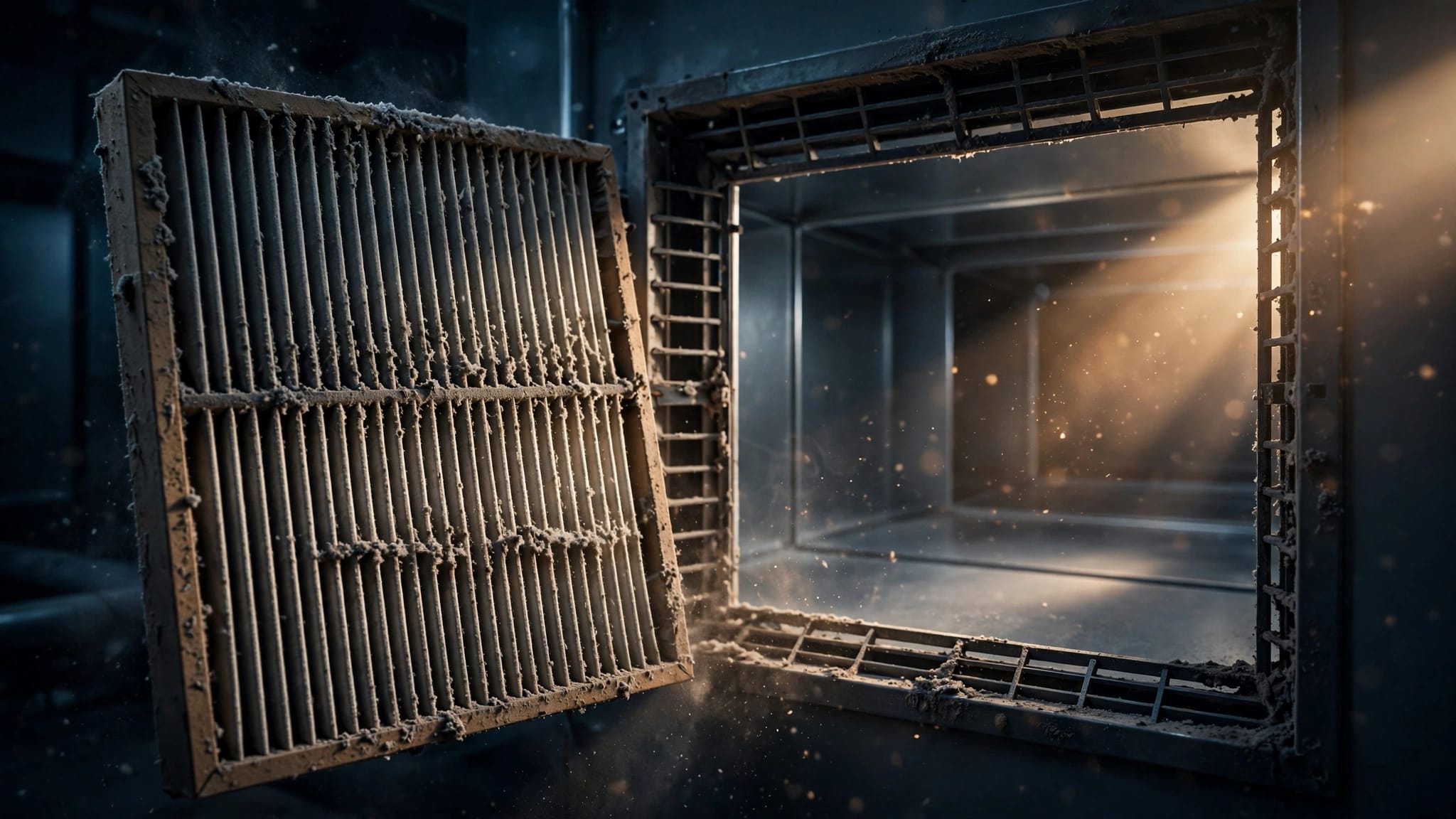
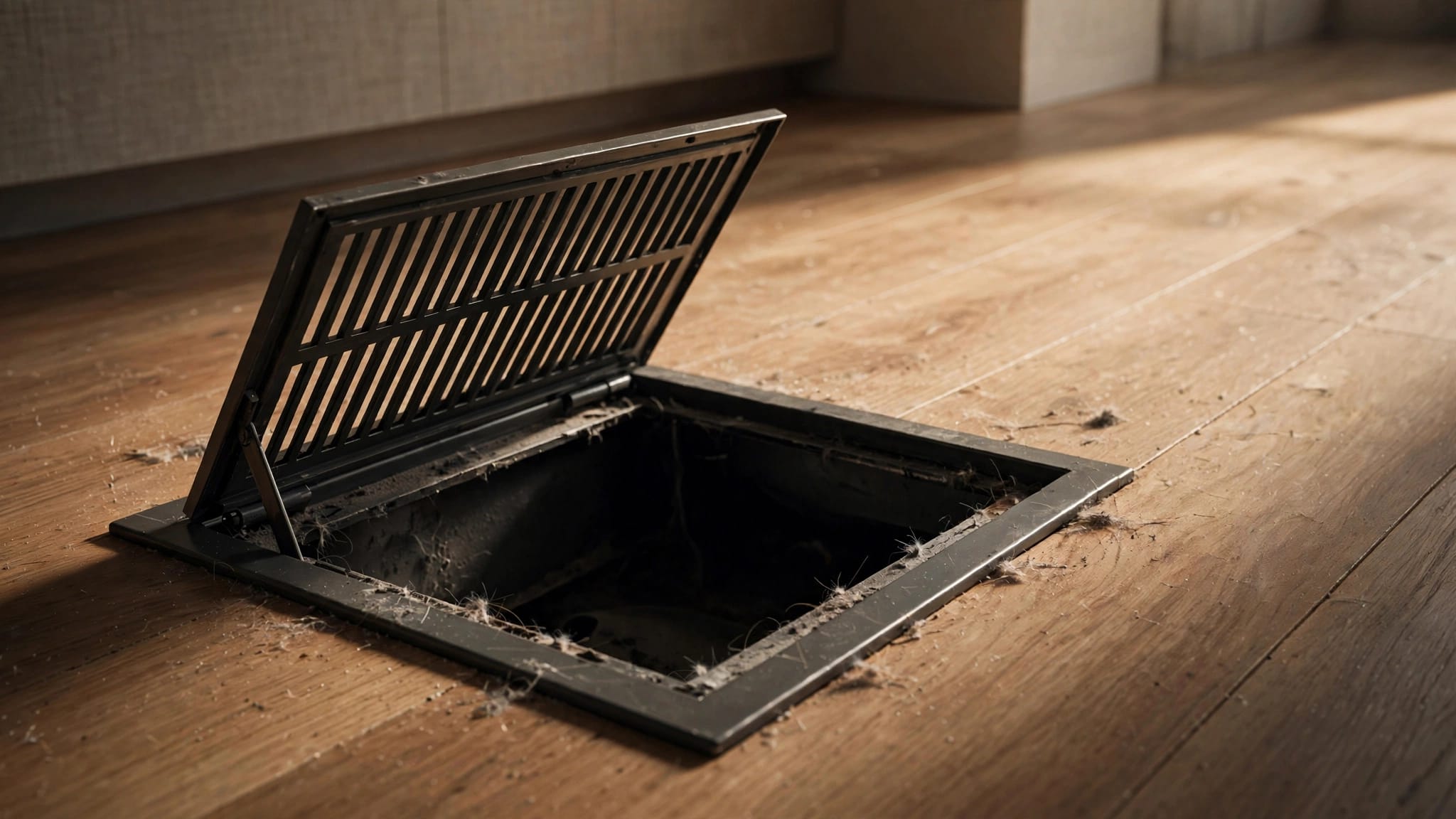
A turnover inspection should cover more than the visible supply registers. Check the return grille, filter, blower compartment, evaporator coil area, drain pan, accessible duct sections, and the space around the air handler. Look for dust buildup, staining, damaged insulation, musty odors, insect activity, rodent droppings, and signs of condensation.
The EPA's guidance is condition-based. It identifies substantial visible mold, vermin infestation, and excessive dust or debris released into the home as reasons to consider duct cleaning. The agency also says routine cleaning has not been shown to prevent health problems, so avoid treating the service as an automatic health measure.
A camera inspection can help when contamination is not visible from the register. However, dark spots on video do not automatically confirm mold. Dust, soot, adhesive residue, and staining can look similar. A qualified HVAC professional can decide whether the system needs cleaning, repair, testing, or replacement of damaged materials.
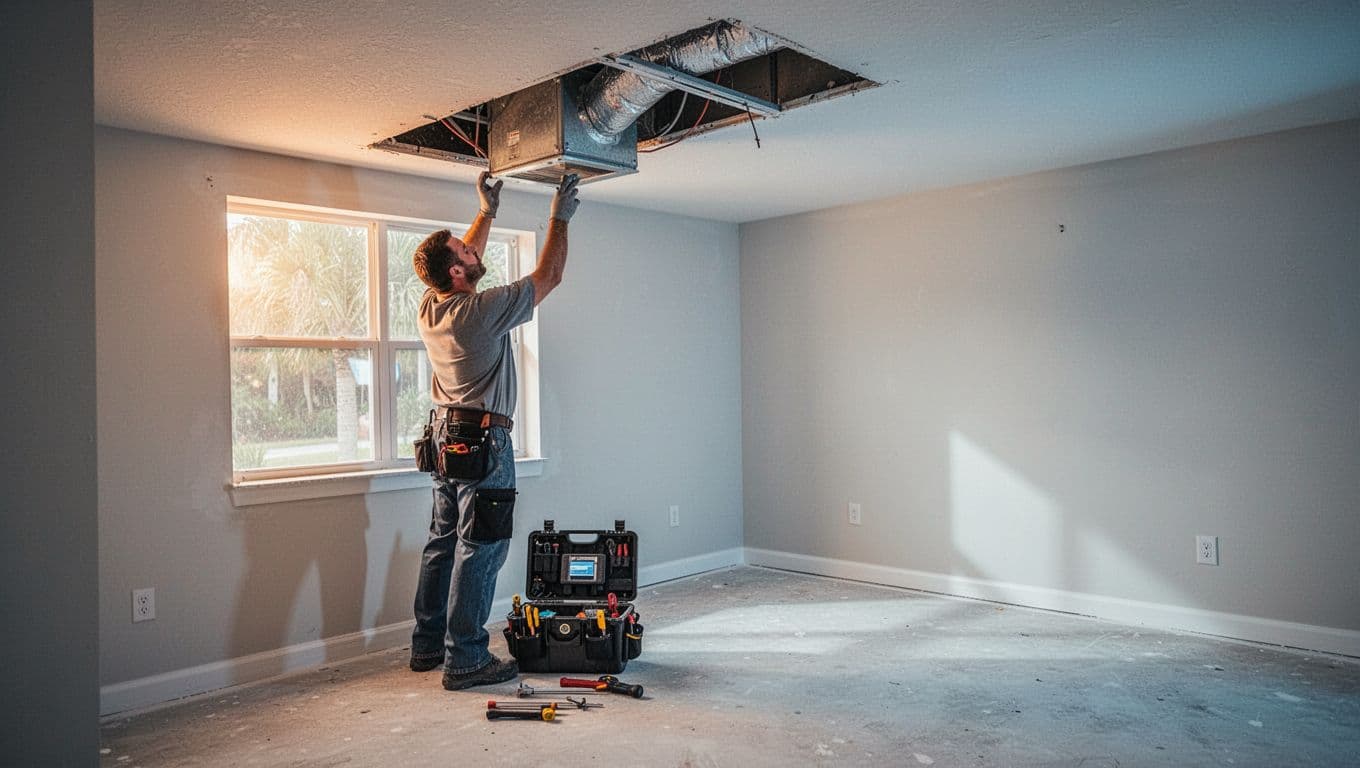
When professional rental property duct cleaning is justified
Professional service is easier to justify when you can connect it to a documented condition. The following issues deserve an inspection and may support cleaning.
| Turnover finding | Why professional service may be appropriate |
|---|---|
| Visible mold-like growth inside ducts or HVAC components | The system may need cleaning after the moisture source is corrected. Testing may also be needed. |
| Rodent or insect evidence | Droppings, nesting material, or live pests can contaminate the duct interior. |
| Dust blowing from supply vents | Loose debris may be circulating through occupied rooms. |
| Water damage or microbial growth | Wet insulation, a leaking air handler, or a damaged duct may need repair or replacement. |
| Persistent odor linked to the HVAC system | Smoke, pets, sewage, mold, or residue may have collected on system surfaces. |
Post-renovation debris is another reasonable concern. Drywall dust, sawdust, insulation fibers, and construction residue can enter open registers during remodeling. A recent pest problem also deserves attention, even if the tenant removed visible evidence before moving out.
When cleaning is justified, ask for the entire HVAC system to be addressed. NADCA's professional cleaning guidance includes supply and return ducts, registers, grilles, diffusers, coils, drain pans, blower components, and the air-handling unit housing. Cleaning only the visible vents may leave the main source untouched.
That makes rental property duct cleaning a documented maintenance decision, not a service added to every turnover invoice.
When duct cleaning is usually unnecessary
A clean-looking system with no odor, visible debris, pest evidence, water damage, or airflow complaint may not need professional duct cleaning. If the previous tenant changed filters regularly and the system shows no signs of contamination, replace the filter and continue normal HVAC maintenance.
A filter change cannot remove buildup inside ductwork, but duct cleaning cannot fix every air-quality concern either. Dust may come from gaps around the return grille, poor filtration, dirty surfaces, open windows, or nearby construction. A musty smell may come from a drain pan, wet insulation, a wall cavity, or a clogged condensate line.
When the equipment needs attention, an HVAC tune-up may be more useful than duct cleaning. Ask a technician to check cooling performance, electrical components, refrigerant-related issues, drainage, and airflow. Cleaning the home's air ducts also does not clean the separate dryer exhaust line, which needs its own inspection.
A practical HVAC turnover checklist
Use this sequence before advertising the unit or handing over keys.
- Review the move-out record. Note complaints about dust, odors, weak airflow, allergies, pests, smoke, or unusually long dryer cycles. Compare those reports with maintenance records and previous filter changes.
- Inspect visible components safely. Examine supply registers, return grilles, the filter, and the area around the air handler. Avoid opening electrical compartments or disturbing insulation unless a qualified professional directs the work.
- Check for moisture. Look for staining, condensation, wet insulation, corrosion, standing water, and a full or dirty drain pan. Correct leaks and drainage problems before scheduling a cleaning. Otherwise, moisture can cause the same contamination to return.
- Look for pests and debris. Droppings, nesting material, insect bodies, and unusual scratching sounds need professional attention. Also check whether dust or loose particles blow into rooms when the system starts.
- Inspect the dryer vent separately. Remove lint from the lint screen and inspect the exhaust connection and exterior termination. A qualified dryer vent technician can check for restrictions, crushed flexible duct, disconnected sections, and poor airflow. Air duct cleaning and dryer vent cleaning are different services.
- Get a written scope before approving work. The estimate should identify the equipment and duct sections included, access points, containment steps, vacuum method, repairs, disposal, and any proposed treatment. Ask whether the technician will provide before-and-after photos.
- Test and record the completed turnover. Install the correct filter, run the HVAC system, check airflow at the registers, confirm that drainage works, and verify that the dryer exhausts properly. Save the invoice, service date, photos, findings, filter size, and repair records with the property file.
Landlord duties and required standards vary by location, building requirements, and lease terms. In Florida, review the lease and applicable rules, including Florida Statutes Section 83.51, rather than assuming a statewide duct-cleaning schedule applies to every rental.
Safety issues that need more than routine cleaning
Mold and water damage
A musty odor alone does not prove mold inside the ducts. If you see growth or find repeated moisture, identify and fix the source first. Possible sources include a leaking roof, overflowing drain pan, blocked condensate line, plumbing leak, or wet attic insulation.
The Florida Department of Health advises calling a professional experienced with contaminated-water damage when sewage or other contaminated water caused the problem. A standard duct cleaning may be inappropriate until the affected materials and surrounding building areas receive the right assessment.
Pests and contaminated systems
Rodents and insects can leave biological material inside ducts and air handlers. Seal the entry point and remove the infestation before cleaning. If a system contains sewage residue, heavy organic contamination, or extensive wet insulation, choose a contractor with experience in that type of work.
Do not rely on a fragrance or sanitizer to cover a contamination problem. A chemical treatment cannot replace source removal, repair, and proper cleaning.
Asbestos-containing materials
Older buildings may contain asbestos in insulation, duct wrap, mastic, or nearby construction materials. You cannot identify asbestos reliably by appearance. Stop work if suspect material could be disturbed, and ask an appropriate asbestos professional about testing, handling, and local requirements.
Also question proposals to coat or seal old duct linings. EPA and the National Institute for Occupational Safety and Health have raised concerns about how sealants and encapsulants can affect fibrous-glass duct insulation and fire characteristics. Cleaning, sealing, and material replacement are separate decisions.
Choosing a contractor and documenting the work
Ask for proof of insurance, relevant licensing, technician training, and a clear description of the cleaning method. NADCA publishes the ACR, The NADCA Standard, 2021 Edition, and its guidance focuses on cleaning the system rather than only brushing the visible registers.
Before approving a quote, ask:
- Will you inspect the system before recommending cleaning?
- Which parts of the air handler and duct system are included?
- How will you contain dust while accessing the ductwork?
- Can you provide photographs of the findings?
- What repairs or material replacement are needed?
- Why is a sanitizer or antimicrobial treatment being proposed?
- Which product will you use, and will you follow its label directions?
- Will dryer vent service be quoted and inspected separately?
NADCA warns that improper use of antimicrobials, sanitizers, disinfectants, and fungicides can violate the Federal Insecticide, Fungicide, and Rodenticide Act. A contractor should explain the reason for any product instead of adding it automatically.
For more detail before hiring, review these questions to ask an air duct cleaning company. If the inspection shows debris or suspected growth, a ductwork camera inspection may help clarify the scope.
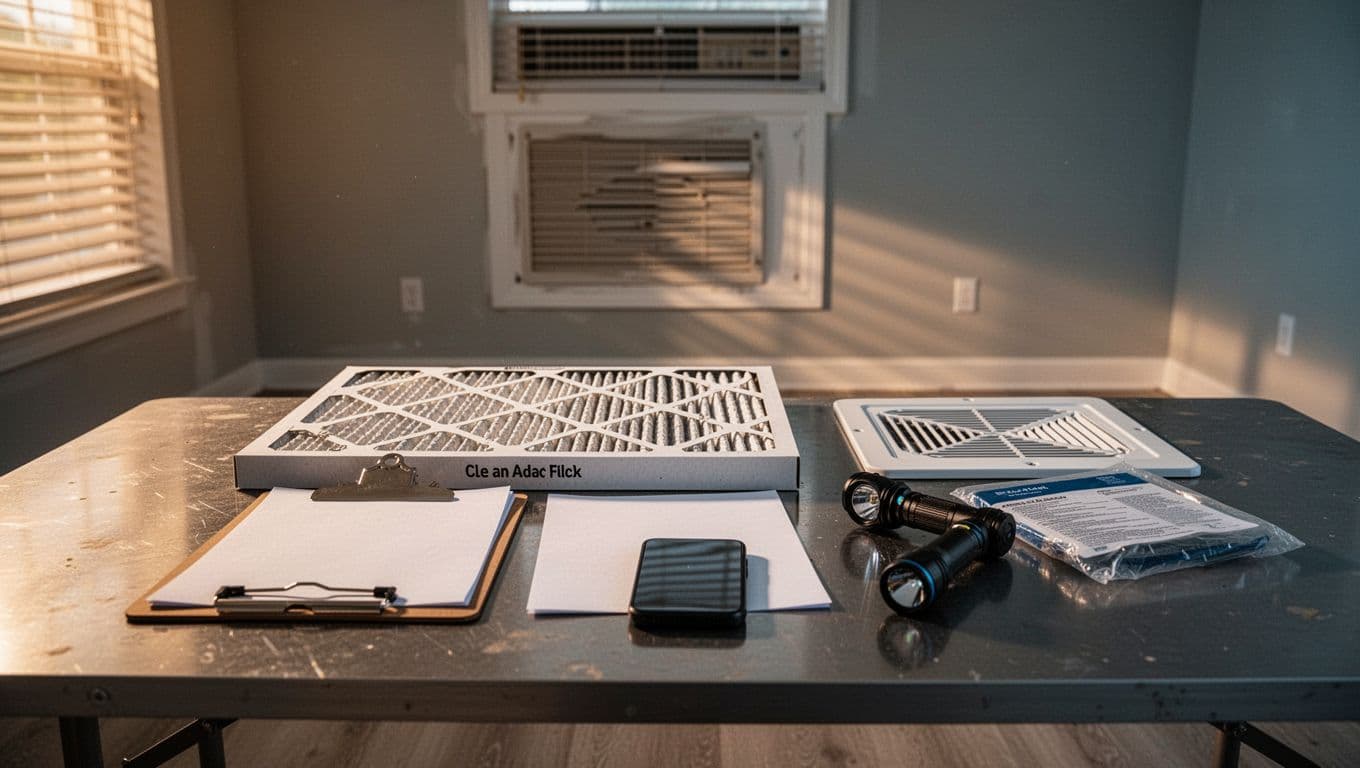
Keep the final report with the property records. Include the condition found, areas cleaned, equipment accessed, products used, repairs completed, filter installed, and photographs. Share appropriate documentation with incoming tenants, especially when the previous occupancy involved smoke, pets, pests, water damage, or renovation work.
If you need a qualified assessment for a Gulf Coast rental, you can Get a Free Estimate for air duct or dryer vent cleaning.
Conclusion: Inspect first, then clean with a reason
A clean rental turnover does not require automatic duct service. Look for visible contamination, pests, water damage, persistent odors, post-renovation debris, or dust entering through the registers. When one of those conditions exists, use a qualified HVAC professional and address the source before the next tenant arrives.
Good records turn a maintenance visit into a clear property history. Rental property duct cleaning works best when it follows evidence, includes the whole affected system, and leaves the incoming tenant with a clean, documented starting point.