
What Happens When an AC Runs Without a Filter
An AC without a filter can seem fine at first, then the dust starts showing up where it shouldn't. The filter catches debris before it reaches the coil, blower, and ductwork, so leaving it out opens the door to buildup and poor airflow.
If it happened by accident, the risk may be limited. If the system kept running that way, the problems can spread fast.
The Hidden Cost of Dust Buildup
The filter is the first line of defense for your cooling system. Without it, dust, pet hair, lint, and other small particles move straight into the unit.
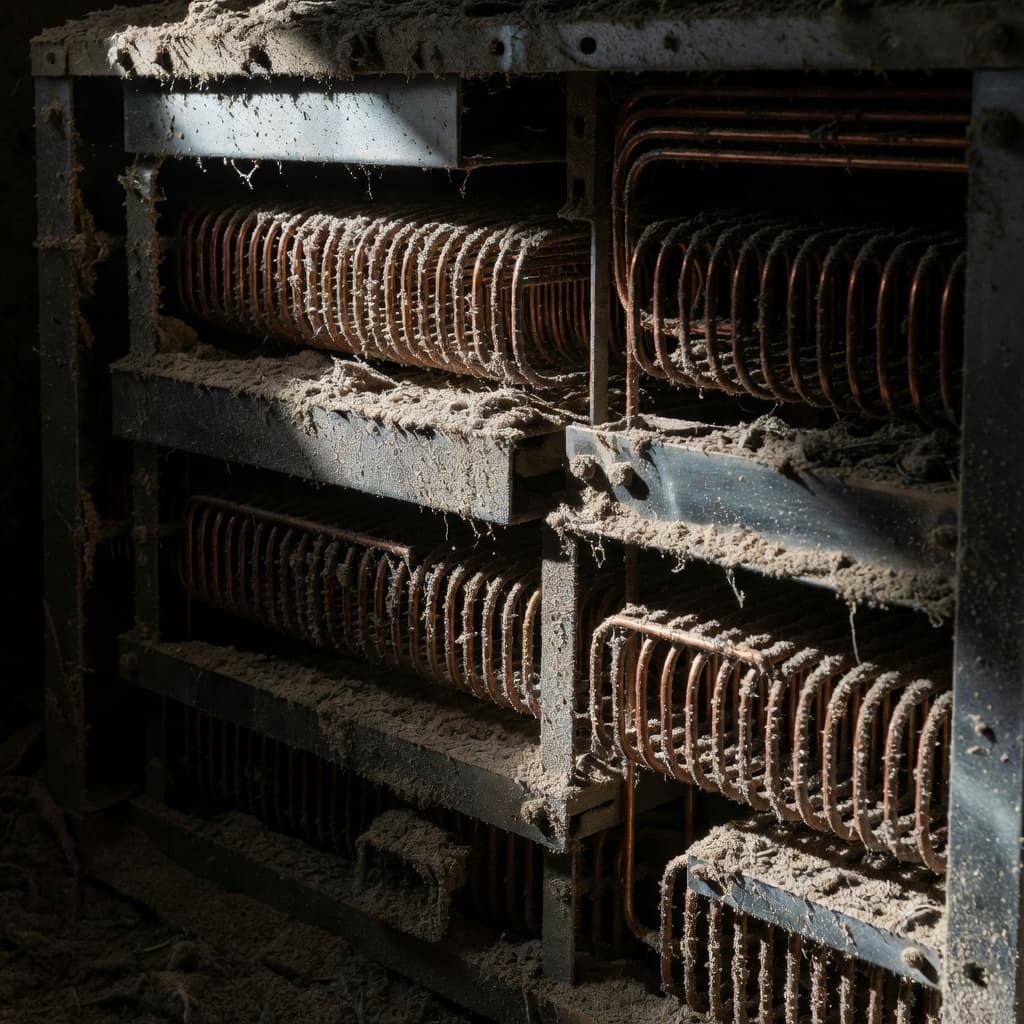
That material does not vanish. It settles on the evaporator coil, sticks to the blower wheel, and collects inside the cabinet. Over time, that layer acts like a blanket over parts that need clean, moving air.
Once that happens, the AC has a harder job. It has to pull air through dirty parts, and it may start cooling less evenly. In humid homes, the damp coil can also hold onto grime and create a stale smell.
The mess often shows up first as more dust around supply vents or on furniture. After that, the system begins carrying the problem around the house every time it runs.
Indoor Air Quality Takes a Hit
A filter does more than protect equipment. It also traps the dust, pollen, fabric fibers, and pet dander that would otherwise keep circling through your home.
When the AC runs without one, those particles stay in the airflow. As a result, you may notice more dust on shelves, more irritation for allergy sufferers, or a room that never quite feels clean. In homes that already have dusty ductwork, the effect can feel even stronger.
Short accidental use without a filter is one thing. A few minutes or even a single cycle usually does not create major damage. Extended operation is different, because the system keeps pulling in debris every time the fan starts.
A short mistake is usually easier to fix than a long stretch of unfiltered operation, but both deserve attention.
The indoor air can also pick up a musty tone when dust mixes with moisture inside the unit. That smell often shows up before a homeowner notices a bigger cooling problem.
Airflow Problems Can Lead to Frozen Coils
Once dust starts coating the coil and blower, airflow drops. The AC still runs, but it cannot move air as efficiently as it should.
That matters because the coil needs steady airflow to absorb heat from your home. Without enough air passing over it, the coil gets too cold. In some cases, moisture on the coil freezes. Then you may see ice on the indoor unit or feel much weaker airflow from the vents.
Higher energy use usually follows. The system has to run longer to reach the same temperature, so the compressor and blower work harder. Over time, that extra strain adds wear to motors, bearings, and other moving parts.
Common warning signs include:
- Weak airflow from several vents
- Warm rooms even when the thermostat is set low
- Ice on the indoor coil or refrigerant line
- More dust coming from the registers
- A system that runs longer than usual
Those signs do not always mean a major repair, but they do mean the system needs attention. The sooner the dust is removed, the easier it is to get normal performance back.
What To Do if the Filter Was Missing
If you find out the AC ran without a filter, act quickly and keep it simple.
- Turn the system off if it has been running for more than a brief test cycle.
- Install the correct replacement filter, using the size marked on the old one or the return grille.
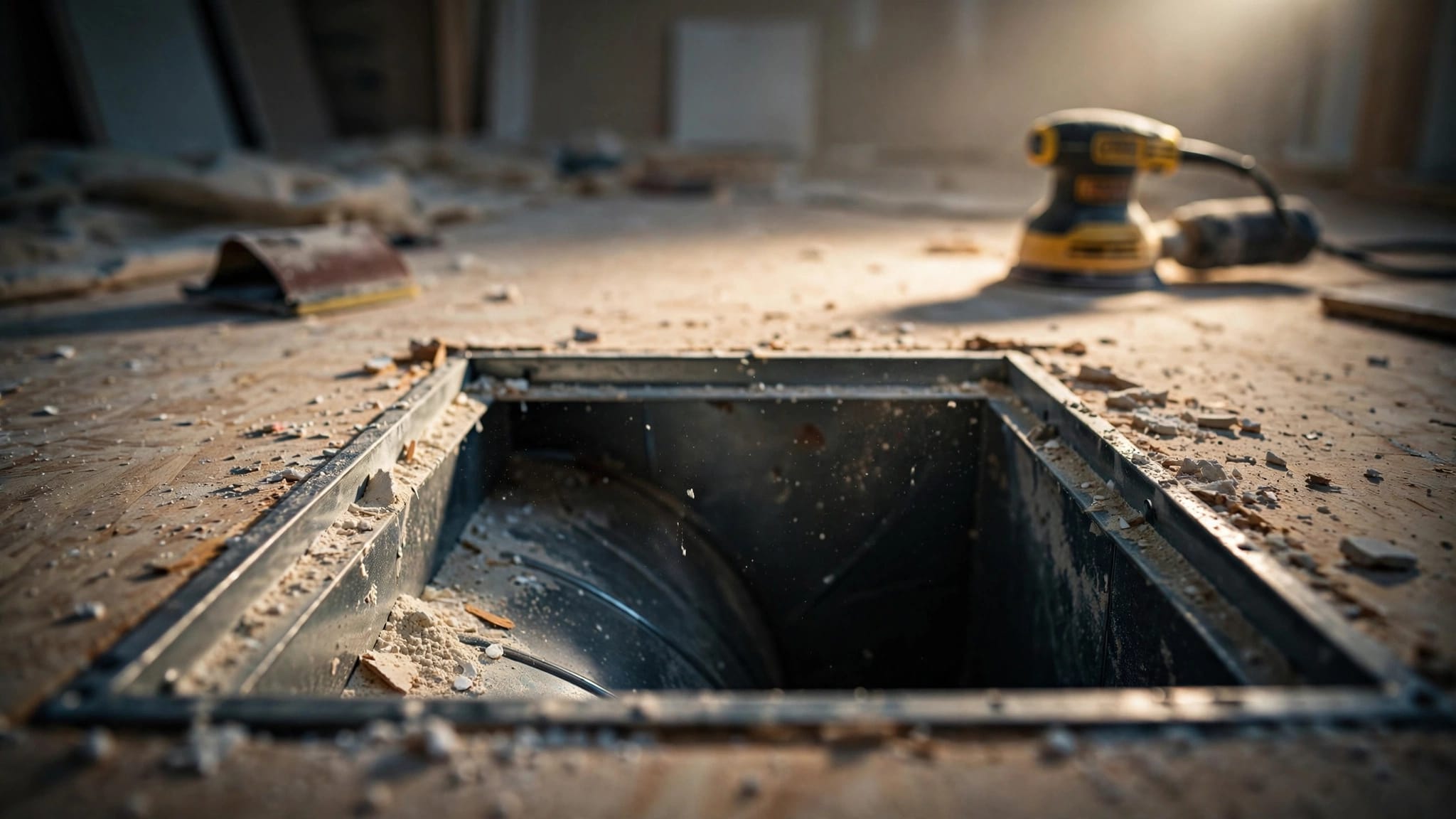
- Inspect the return area, blower compartment, and nearby vents for visible dust buildup.
- Watch the system after restart. If airflow stays weak, the coil freezes, or the home still smells dusty or musty, schedule service.
If the AC is still underperforming after a new filter goes in, the problem may be deeper than a missing filter. Dust may already be on the coil or blower wheel, and those parts may need professional cleaning.
If you want help getting the system back on track, Get a Free Estimate for air duct and dryer vent cleaning.
A quick check can also tell you whether the issue spread into the ductwork. If you see gray dust around vents or feel uneven airflow from room to room, that is a good sign the system needs a closer look.
Conclusion
A short accidental run without a filter is usually less serious than extended use, but it still calls for action. The longer the system runs that way, the more dust collects on internal parts and the more likely you are to see weak airflow, higher energy use, and frozen coils.
Replacing the filter is the first step. After that, look for visible buildup and keep an eye on cooling performance for the next few days.
If the air still feels dusty or the unit does not cool the way it should, the problem is probably sitting inside the system, not just in the return grille.