
Is Flexible Foil Dryer Duct Safe for Florida Homes?
A dryer vent problem often starts small. A loose bend, a sagging line, or a crushed section can turn into slow drying, extra lint, and more heat than you want near your laundry room.
The short answer is simple: a flexible foil dryer duct is generally not the safest or most recommended choice for a permanent dryer vent , especially in Florida homes. Rigid or semi-rigid metal ducts usually handle heat, airflow, and cleaning better.
The short answer for Florida homes
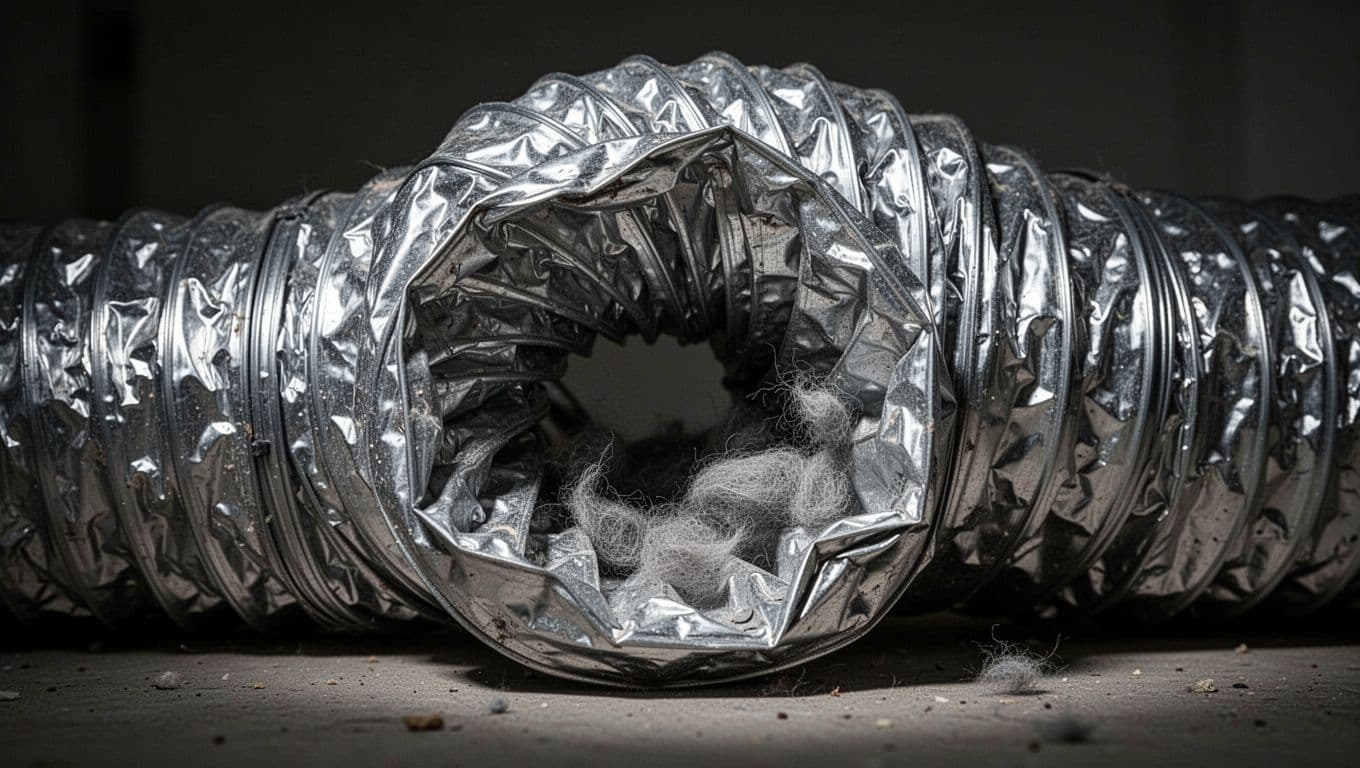
Flexible foil can work in a narrow spot, but it is a poor long-term choice for most dryers. The thin walls bend too easily, which means the duct can pinch, flatten, or trap lint.
That matters even more in Florida. Many homes deal with hot attics, humid laundry rooms, and longer vent runs. A duct that sags in that kind of heat can hold moisture and slow the exhaust before it leaves the house.
Some homeowners choose foil because it is cheap and easy to install. That convenience fades fast when the dryer takes two cycles to finish one load. It also fades when the laundry room feels warm and damp after every wash.
Local rules can vary, but the safety concerns stay the same. A dryer vent should move air out fast and stay open. Flexible foil has a hard time doing that over the long run.
Why foil ducts struggle in Florida heat and humidity
Florida homes put extra stress on dryer vent materials. Attic spaces can get brutally hot, and many laundry rooms run humid for much of the year. Add coastal air, wind-driven rain, and storm debris, and the vent system works harder than it would in a milder climate.
A flexible foil dryer duct does not like that stress. It can sag between supports, and every sag creates a low spot where lint can settle. It can also compress when it gets bumped behind the dryer, which is common in tight laundry closets.
Moist air is another problem. Dryer exhaust carries warm, wet air outside, but a foil duct can cool quickly in certain spaces. When that happens, condensation may form inside the vent line. That moisture sticks to lint, and lint sticks to the wall of the duct. Over time, the inside gets dirty faster.
Storm season can make things worse. If the outdoor vent cap gets blocked by debris, the dryer has to push against that restriction. A foil duct with kinks or weak spots adds even more drag. The system starts to behave like a garden hose with a foot on it.
Fire risk starts with lint and poor airflow
The biggest danger with a flexible foil dryer duct is not the material alone. It is the way that material handles lint and heat.
Dryer lint is light, dry, and flammable. When airflow drops, lint stays inside the duct longer. Heat builds. Drying times stretch out. The dryer runs hotter than it should.
That is why the importance of dryer vent cleaning shows up in safety conversations so often. A clean vent moves air with less resistance, which helps the dryer vent heat and moisture outdoors.
A dryer vent should move moist air out fast. When the line kinks or fills with lint, the whole system works harder and runs hotter.
Warning signs tend to show up before a serious problem. Clothes may come out warm but still damp. The laundry room may feel hot after one load. Sometimes the first clue is a dusty, burnt smell near the dryer.
If that smell sounds familiar, burning smells in dryer vents should be checked right away. A hot odor near the laundry area is not something to brush off.
Flexible foil vs. semi-rigid and rigid metal
A simple comparison makes the difference easier to see.
| Duct type | Safety in a home laundry room | Airflow | Best use |
|---|---|---|---|
| Flexible foil | Lowest | Often restricted by bends and crushing | Limited situations only |
| Semi-rigid metal | Better | Better than foil when kept short and smooth | Short connector sections |
| Rigid metal | Best | Strong, steady airflow | Permanent vent runs |
Rigid metal wins because it keeps its shape. It stays round, so air moves through it more easily. It also handles cleaning better, which matters when lint starts building up.
Semi-rigid metal is a middle ground. It bends more than rigid pipe, so it can help in tighter spaces. Still, it holds up better than foil and usually makes more sense for short sections.
Foil tends to lose that battle fast. One deep kink can cut airflow enough to slow the dryer and trap lint. A few weak spots can create the same problem again and again.
In other words, the vent may look fine from the outside while working badly on the inside. That is a bad trade for a system that handles heat every day.
When a flexible foil dryer duct should be replaced
A flexible foil dryer duct should come out when it shows wear, gets too long, or keeps causing dryer issues. In Florida homes, replacement often makes sense sooner rather than later.
Watch for these signs:
- The duct is crushed, kinked, or flattened behind the dryer.
- The run is long and full of bends.
- Clothes take longer to dry than they used to.
- The laundry room feels hot, stale, or damp after a cycle.
- You see lint around joints, behind the dryer, or near the vent outlet.
- The duct has tears, loose clamps, or visible gaps.
A damaged duct in an attic or tight wall space deserves special attention. Heat can dry out lint, and tight spaces make it harder to notice trouble early. If the vent line also smells burnt, the system needs a closer look soon.
For homeowners who want a quick checkup, Get a Free Estimate and ask about dryer vent cleaning and replacement. A pro can inspect the run, spot hidden damage, and tell you whether the setup should stay or go.
Conclusion
A flexible foil dryer duct is usually a weak choice for a permanent dryer vent in Florida. Heat, humidity, lint buildup, and crushed bends create a risky mix.
Rigid metal or semi-rigid metal handles airflow better and holds up longer. If your current vent is damaged, too long, or buried in a hot attic, replacement is the safer move.
A dryer should dry clothes, not fight its own vent. When the line is open, clean, and built for the job, the whole laundry room works better.