Air Duct Cleaning Florida Homes Need After Rodent Removal
A rodent problem can leave more than a hole in the wall. Droppings, urine, nesting material, damaged insulation, and lingering odors may remain inside or near your HVAC system. For homeowners comparing air duct cleaning Florida services after rodent removal, timing matters as much as the cleaning itself.
The right sequence is clear: remove the rodents, seal their entry points, inspect the HVAC system, then clean the affected ductwork. Cleaning too early can spread new contamination through a system that pests still access.
Why Rodent Exclusion Comes Before Duct Cleaning
Rodent removal and rodent exclusion are related, but they aren't the same service. Removal gets the animals out. Exclusion closes the gaps that allowed them inside.
Florida homes often have access points around roof lines, soffits, crawl spaces, garages, attic vents, plumbing penetrations, and air-conditioning equipment. A small opening can allow rodents to return after the duct cleaning crew leaves. If that happens, fresh nesting material and waste can contaminate the system again.
A pest-control professional should first identify active pathways and confirm that the rodents are gone. The work may include traps, removal of nesting material, sealing openings, and checking nearby insulation. Ask for confirmation that the HVAC area is no longer active before scheduling duct cleaning.
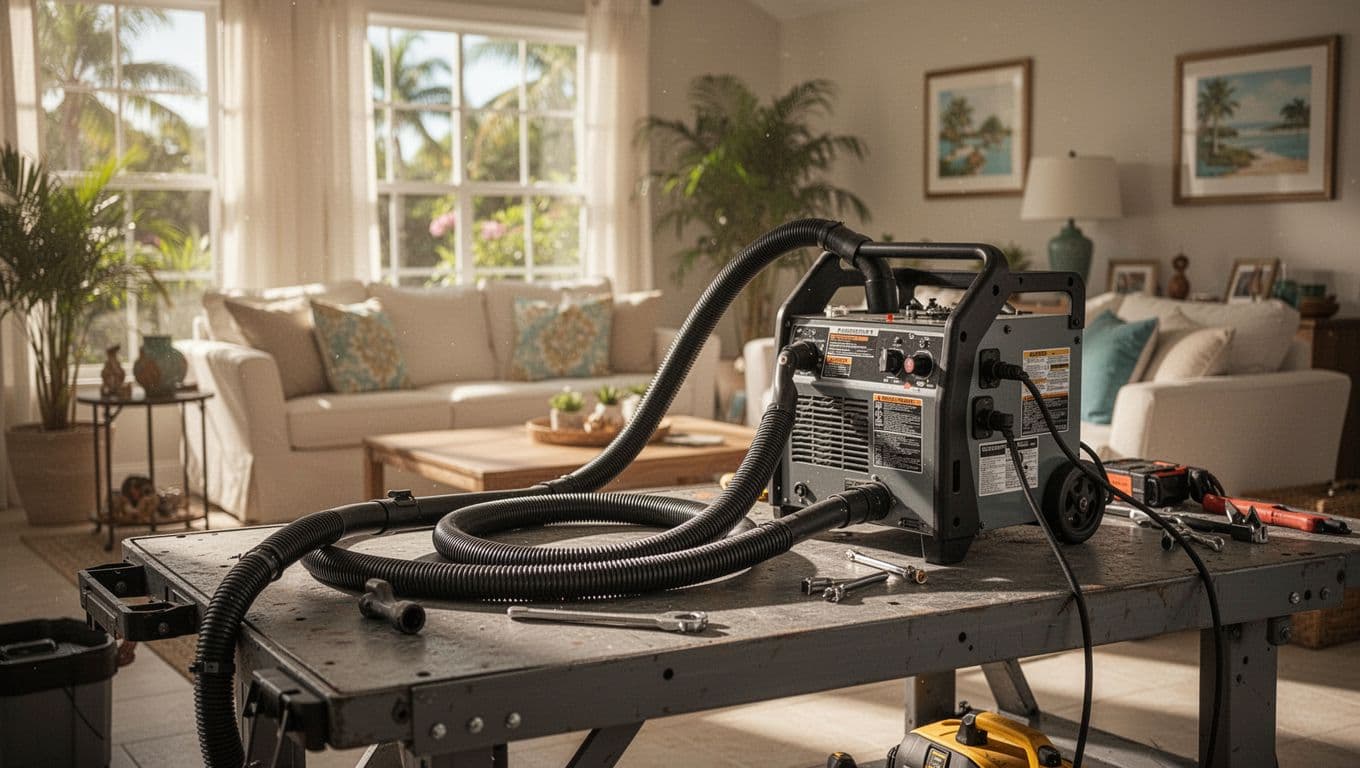
The HVAC system also needs its own inspection. A rodent may damage flexible ductwork, disconnect a duct collar, chew wiring, or enter through a return-air opening. A duct cleaner can remove debris, but an HVAC technician should evaluate electrical parts, the blower assembly, the evaporator coil, the drain pan, and other mechanical components when damage is suspected.
Cleaning cannot solve an active pest problem. The entry point and the source of contamination must be handled first.
Don't sweep or vacuum dry droppings yourself, especially inside an attic, crawl space, return plenum, or duct. Disturbing contaminated material can send particles into the air. Wear appropriate protection and ask a pest-control or restoration professional how to handle heavily affected areas.
What Air Duct Cleaning Florida Homes Need After Rodent Removal
Routine duct cleaning removes dust and debris that have accumulated during normal use. Rodent contamination requires a more careful assessment because the concern is not only household dust.
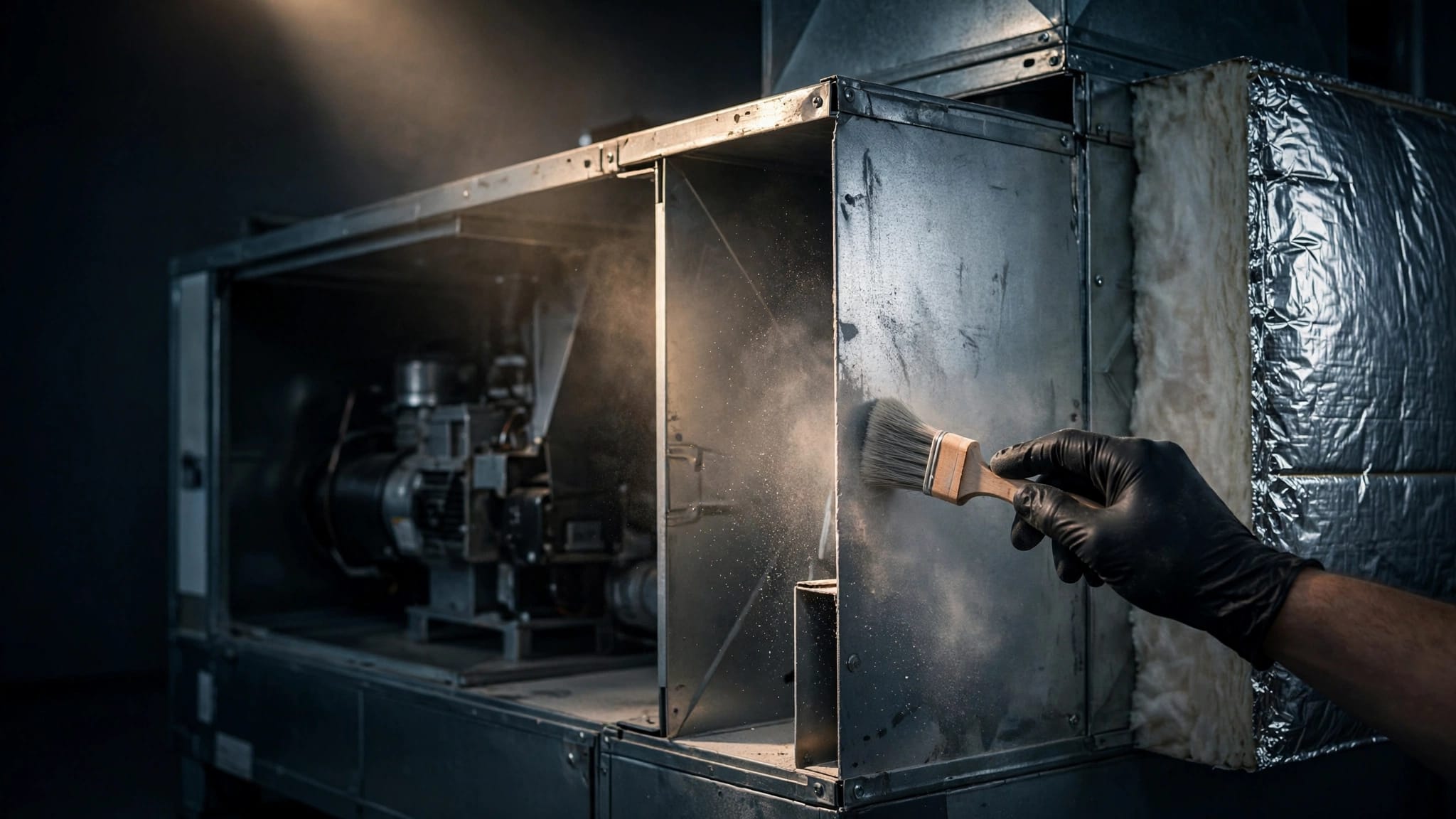
A professional should inspect accessible supply ducts, return ducts, grilles, registers, the air handler, blower compartment, and nearby insulation. Photos can help show whether waste, nesting material, or damaged duct liner is present. The inspection also helps separate a legitimate cleanup need from a sales pitch based only on dark dust around a vent.
The service may involve:
- Removing and cleaning registers and grilles.
- Connecting professional vacuum equipment to the duct system.
- Agitating debris from accessible duct surfaces.
- Cleaning the return-air pathway and supply branches.
- Inspecting the blower compartment and nearby components.
- Replacing sections of contaminated or damaged duct material when cleaning cannot restore them.
- Applying a sanitizer or odor treatment only when the product and application fit the situation.
Routine cleaning and contamination cleanup should appear as separate scopes on your estimate. Ask whether the quote includes the main trunk lines, branch lines, return system, air handler, and any damaged duct replacement. Also ask what happens if the crew finds a dead animal, wet insulation, mold-like growth, or contaminated flex duct.
A standard vacuuming appointment may be enough when rodents stayed outside the ductwork and only left dust behind. It may not be enough when waste entered the return system or when porous insulation absorbed urine. Porous materials can hold odors and contamination, so replacement may be safer than repeated treatment.
For a useful comparison between filter care and cleaning, review this guide on when to clean air ducts. A filter protects the system from some airborne particles, but it cannot remove contamination already inside duct surfaces or HVAC components.
Warning Signs That Call for Professional Help
Some signs point to a routine service. Others require help from an HVAC contractor, restoration company, or pest-control provider before anyone cleans the ducts.
Call pest control when activity continues
Scratching sounds, fresh droppings, new nesting, gnaw marks, or a persistent animal odor suggest that the problem may still be active. You may also see oily rub marks along pathways or notice torn insulation near the attic and air handler.
A pest-control technician can determine whether the animal is still present and identify access points. Don't schedule final duct cleaning until the inspection confirms that removal and exclusion are complete.
Call an HVAC professional when the system may be damaged
Turn off the system and request an HVAC inspection if you notice burned smells, tripped breakers, unusual buzzing, weak airflow, exposed wiring, or a blower that struggles to start. Rodents can damage wires and insulation in areas that aren't visible from a vent.
Weak airflow can also come from crushed flex duct, a blocked return, a dirty blower wheel, or a closed damper. Duct cleaning alone won't correct those problems. Running the system before inspection could spread debris or worsen mechanical damage.
Call a restoration professional for extensive contamination
Restoration help is appropriate when you find a large amount of droppings, urine-soaked insulation, a carcass, widespread odor, or contamination in an attic, crawl space, wall cavity, or return plenum. Water intrusion makes the situation more serious because moisture can support microbial growth.
A restoration crew may contain the affected area, remove unsalvageable materials, clean hard surfaces, and control odor. The HVAC company can then address the duct system after the surrounding contamination is under control.
Seek additional help if anyone in the home develops new breathing irritation, headaches, or allergy symptoms around the system. Those symptoms can have many causes, so don't assume the ducts are responsible. A medical professional can address health concerns while qualified service providers investigate the home.
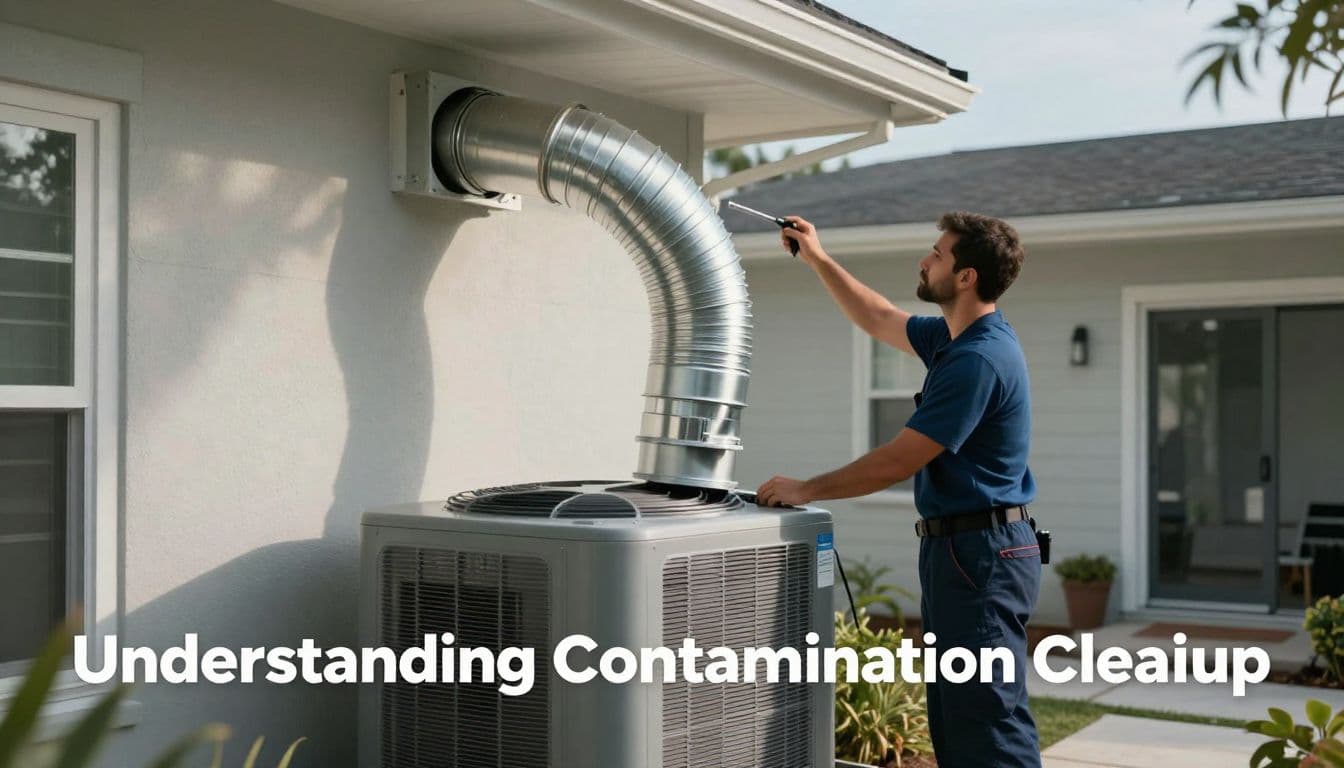
How a Careful Post-Rodent Cleaning Should Work
Once removal, exclusion, and repairs are complete, the cleaning crew can plan the duct service. A good appointment starts with questions, not equipment.
Tell the technician where you found the rodent activity. Share details about odors, droppings, damaged ducts, attic access, and any previous treatments. This information helps the crew focus on the return side and the air handler, where contamination may have traveled.
The technician should protect floors and furnishings, inspect the system, and explain the cleaning method before starting. Vacuum equipment should be connected in a way that controls airflow and limits debris from entering occupied rooms. Registers and accessible components should receive attention instead of being wiped only from the outside.
After cleaning, ask for a report or photos showing the completed work. Confirm whether any duct sections, insulation, blower parts, or grilles still need repair. If a treatment was applied, request the product name and instructions for re-entry or ventilation.
Sanitizers and odor treatments have a limited role. They don't replace removal of nesting material, urine-soaked insulation, or damaged duct liner. A strong fragrance can cover an odor temporarily while the original source remains.
If you're comparing an air duct cleaning Florida provider, look for an insured company that explains the scope in writing and inspects before quoting. These questions to ask duct cleaning contractors can help you compare companies without choosing on price alone.
How Long Should You Wait After Rodent Removal?
There isn't one waiting period for every home. Cleaning can proceed after a pest professional confirms that the rodents are gone, entry points are sealed, and the HVAC system has been checked for damage.
A short delay may be appropriate when the issue was limited to an exterior vent or attic area. Extensive contamination may require several stages, including removal of affected insulation, HVAC repairs, drying, and odor control.
Before the duct crew arrives, replace a heavily soiled HVAC filter if the system can run safely. Keep pets and children away from work areas, and make sure technicians can reach the air handler, return grilles, attic, crawl space, or mechanical closet. Don't run the system to "test" airflow if exposed wiring or loose ductwork is present.
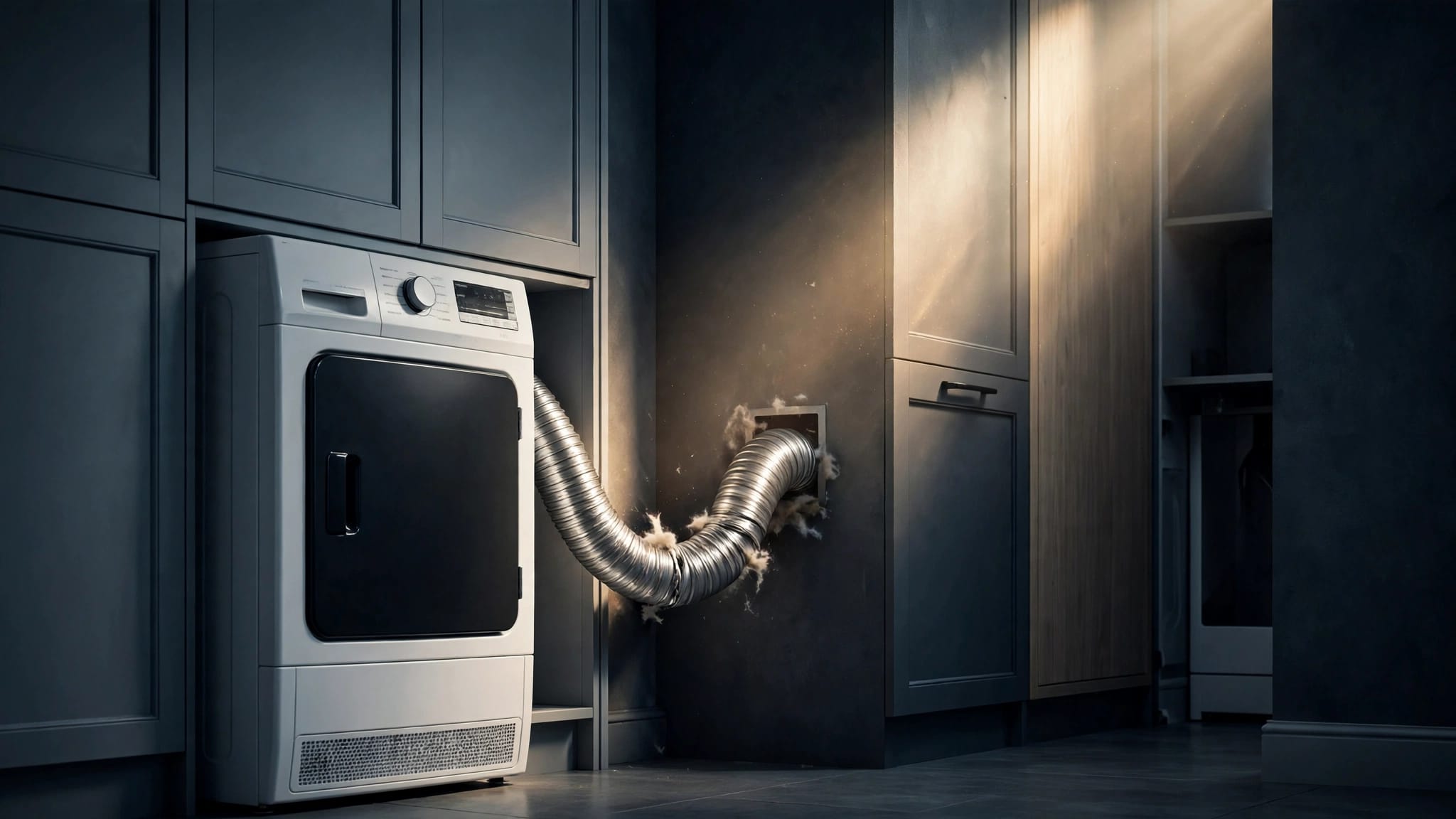
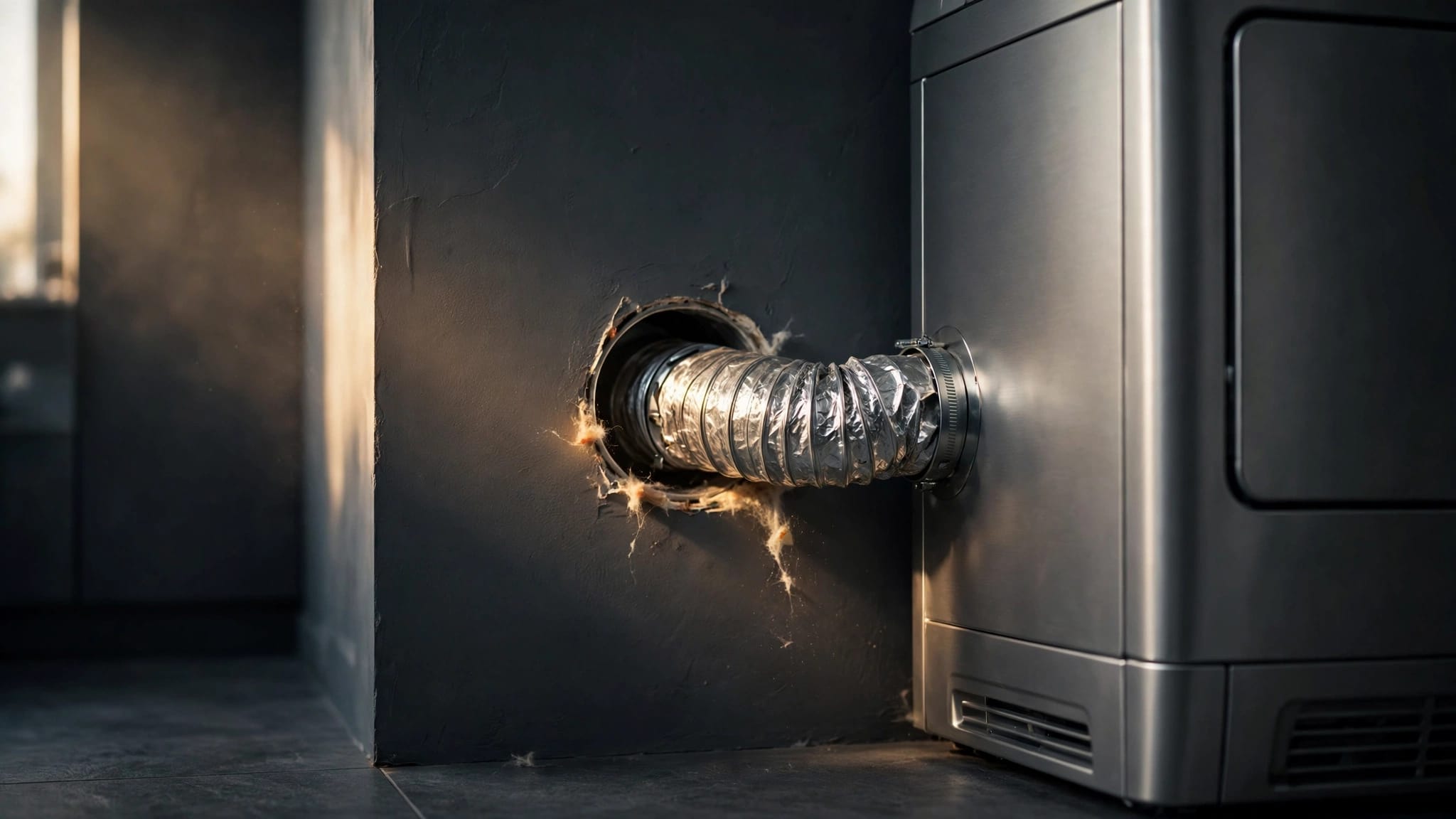
Remember that dryer vent cleaning is separate from air duct service. A dryer vent carries hot, moist exhaust and should be inspected when lint buildup, long drying times, or a burning smell appears. Rodent nesting near a dryer vent also requires removal and exclusion before the vent is cleaned.
Conclusion
Rodent removal is only the first step toward a clean HVAC system. Exclusion must come first , followed by an inspection, needed repairs, and the right level of duct or contamination cleanup.
Routine dust removal may suit a system with no direct pest contact. Droppings, urine, nesting, carcasses, damaged ducts, or persistent odors call for a broader response. Once the source is gone and the system is safe to service, you can Get a Free Estimate for air duct or dryer vent cleaning.