Should You Clean Air Ducts After Fumigation?
A termite tent can leave homeowners wondering whether their HVAC system needs special attention. If you're asking whether to clean air ducts after fumigation , the short answer is usually no, provided the home passed the required clearance inspection.
Tent fumigation fills the structure with a gas that reaches enclosed areas, including ductwork. However, professional aeration and clearance procedures address the fumigant itself. Duct cleaning may still make sense when dust, debris, pests, odors, or moisture problems existed before treatment.
The safest decision starts with the fumigator's instructions, not with the appearance of the duct grilles.
Should you clean air ducts after fumigation?
For most homes, the decision to clean air ducts after fumigation depends on the condition of the HVAC system, not the fact that a tent covered the house. A properly completed fumigation doesn't automatically make supply ducts or return ducts dirty.
The fumigant is a gas, while standard duct cleaning targets physical material such as dust, pet hair, construction debris, insect remains, and mold growth linked to moisture. A vacuum and agitation equipment can remove that material, but duct cleaning isn't designed to make an unsafe home safe after chemical treatment.
Wait until the licensed fumigation company gives the property official clearance. Don't turn on the HVAC system, enter the home, or try to ventilate the structure before that point. Follow the company's written directions about windows, fans, air conditioning, and other equipment.
| Situation | Is duct cleaning usually needed? |
|---|---|
| The home passed clearance and ducts look clean | Usually no |
| Dust or debris blows from vents | An inspection may be useful |
| Fumigation caused an unusual lingering odor | Contact the fumigator first |
| Pest remains or damaged insulation are present | Cleaning or repairs may help |
| Mold or wet insulation is visible | Find and correct the moisture source |
Duct cleaning becomes a separate indoor air quality decision. It should address a documented problem rather than act as an automatic step after every treatment.
How tent fumigation affects the HVAC system
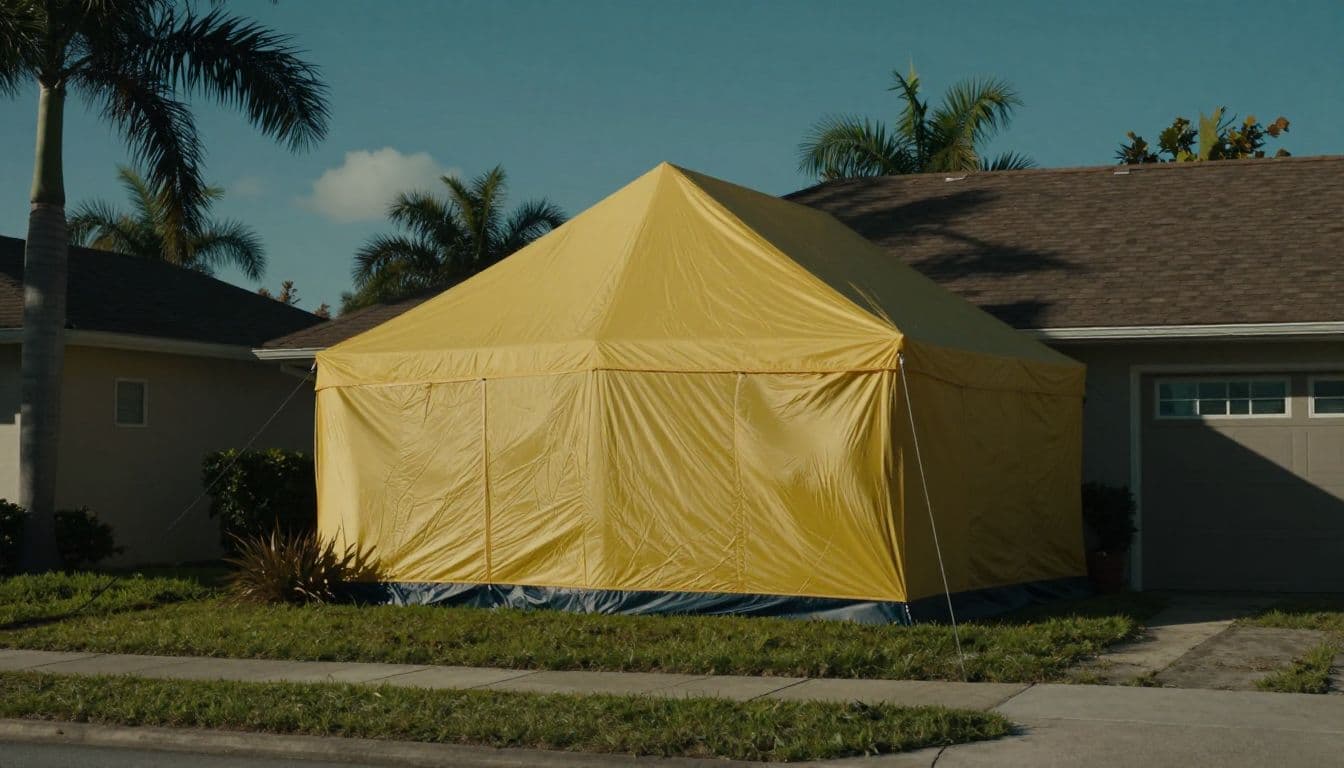
Tent fumigation treats an entire enclosed structure. Because ductwork connects rooms throughout the home, fumigant can enter the air distribution system when the system and ducts remain within the treated space.
That doesn't mean the gas permanently settles inside the ducts. After treatment, the fumigation crew aerates the property and checks the air before releasing it for reentry. The clearance process is the part that confirms the home is ready for occupants.
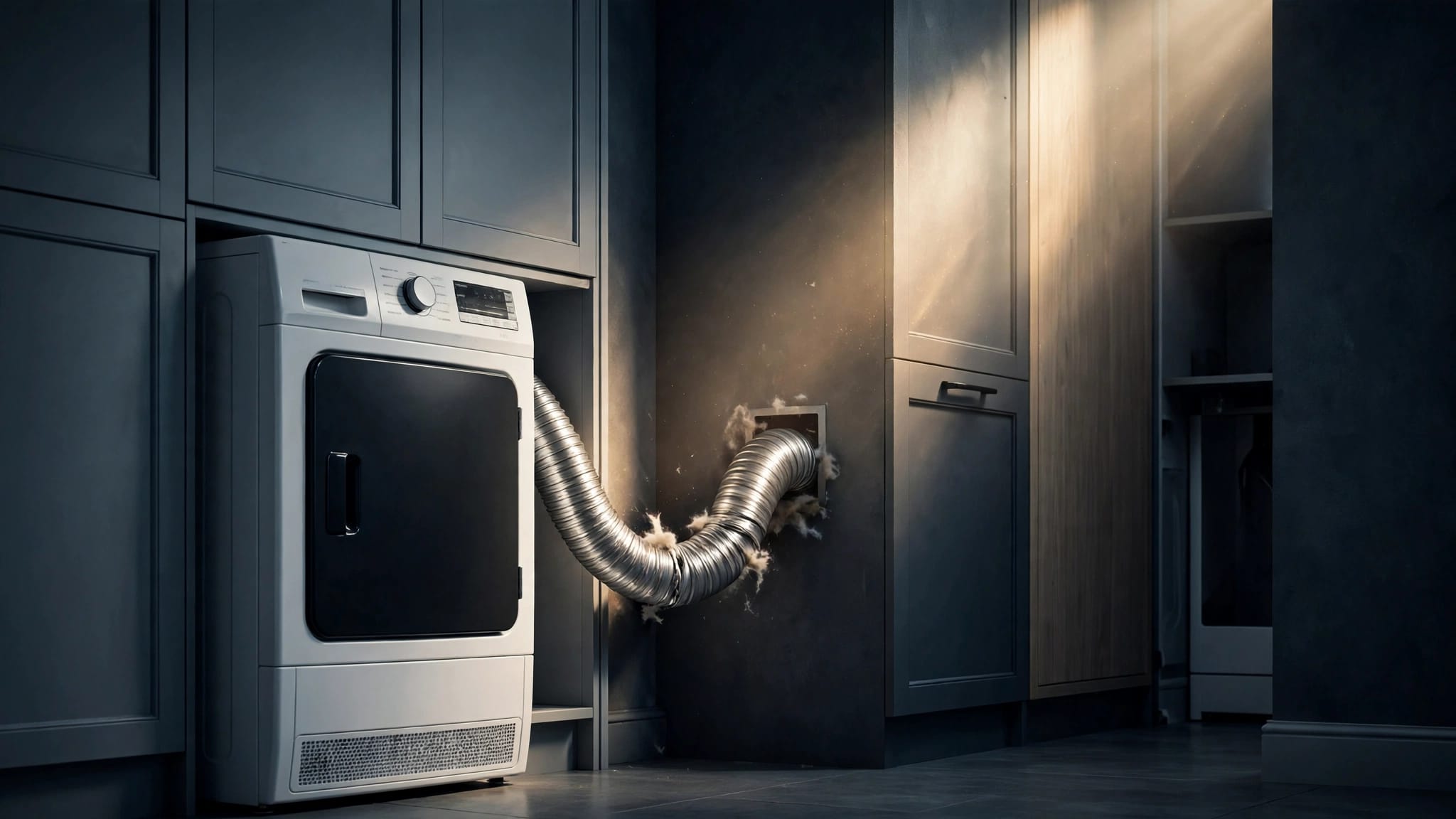
Your HVAC equipment may still need attention if it has existing contamination. A dirty blower compartment, clogged filter, dusty return box, or damaged flexible duct won't become clean because fumigation occurred. Likewise, dead insects around accessible parts of the system may need removal after the home receives clearance.
A duct cleaning crew cannot certify that fumigant levels are safe. Only the authorized fumigation process and clearance testing can answer that question.
Ask the pest-control company which fumigant it used and whether it has any specific instructions for the filter, air handler, or duct system. Many structural fumigations use sulfuryl fluoride products, but the treatment company should provide the product details for your property.
When air duct cleaning after fumigation makes sense
The best reason to schedule service is evidence of a duct or HVAC problem. Look at the vent covers, return grilles, accessible duct connections, and air handler cabinet after clearance. A professional can inspect areas you can't reach without opening the system.
Dust and debris keep coming through the vents
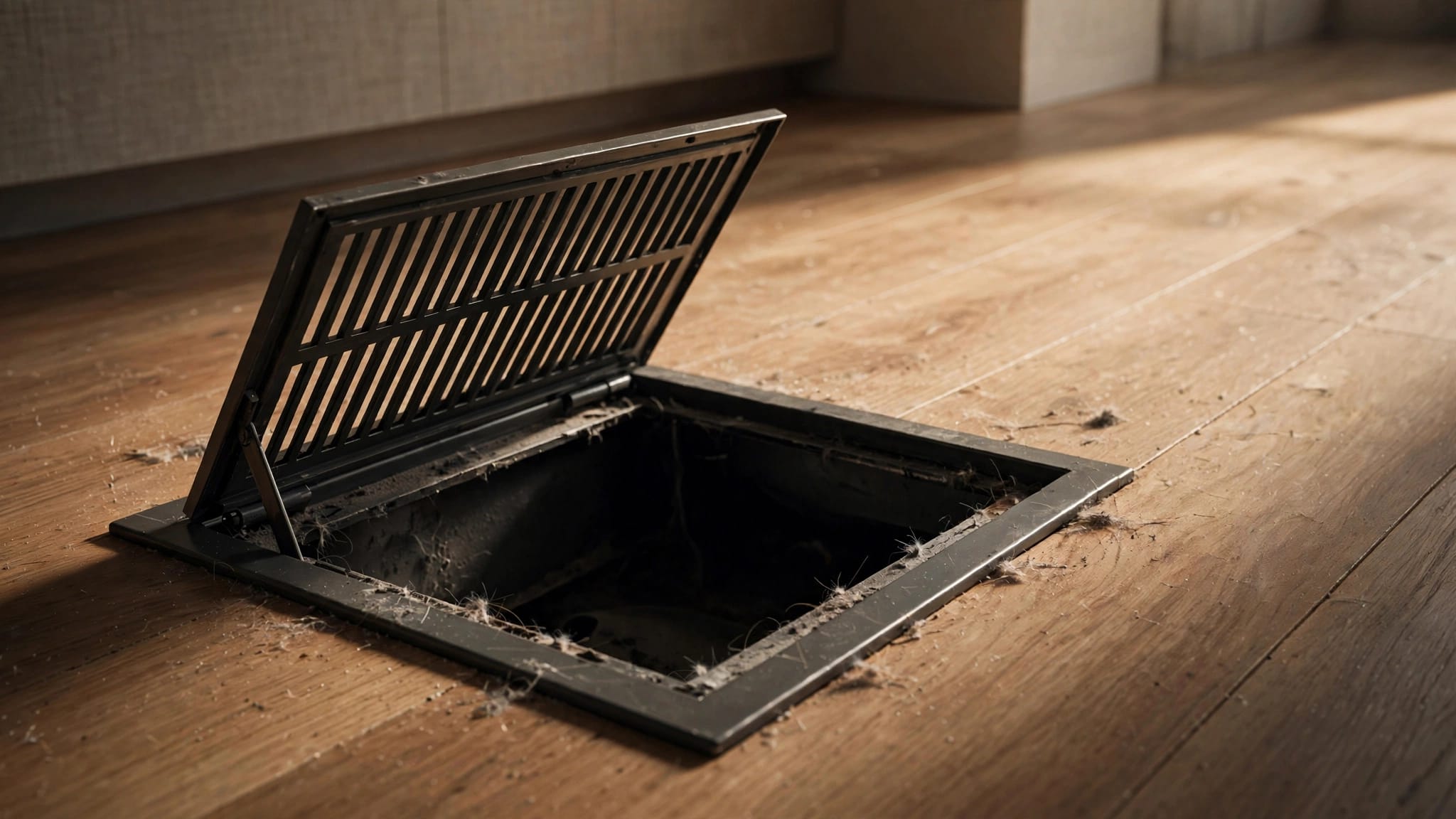
If dark particles, insulation fibers, or heavy dust appear when the blower runs, the system may need more than a new filter. The source could be dirty return ducts, damaged flexible ductwork, an open connection, or debris inside the blower compartment.
Fumigation doesn't remove these materials. Cleaning may help, but the technician should identify where the debris starts before recommending the full service.
Insects or pest material are present
Termite treatment can kill insects inside wall cavities, attics, and other enclosed spaces. The treatment doesn't remove every dead insect, damaged piece of wood, or contaminated insulation.
If pests entered the duct system, ask for an inspection. A duct cleaner may remove loose debris, while an HVAC contractor may need to repair damaged ductwork or replace affected insulation.
An odor continues after clearance
A persistent chemical, musty, smoky, or insect-related odor deserves a clear diagnosis. Start with the fumigator if the odor seems related to the treatment. The company can confirm whether the smell is expected, whether additional ventilation is needed, or whether another source is present.
If the fumigator rules out a treatment issue, an HVAC inspection can check the filter, coil, blower, drain pan, insulation, and duct surfaces. Duct cleaning can reduce odors caused by accumulated dust or biological debris, but it won't fix a wet air handler or a recurring moisture problem.
Moisture or mold is visible
Florida's warm, humid conditions can support microbial growth when condensation, leaks, or damp insulation affect the HVAC system. Fumigation doesn't correct those conditions.
A proper service should identify the moisture source before applying any sanitizer or treatment. For guidance on whether your home needs service, compare when to clean air ducts versus changing filters.
What duct cleaning can and cannot fix
Professional duct cleaning can remove loose dust and debris from accessible supply and return pathways. Depending on the system, technicians may also clean parts of the air handler, blower area, registers, and grilles.
The work can improve cleanliness when contamination is present. It may also reduce dust that recirculates through the home. Results depend on the system's condition and whether technicians correct leaks or replace damaged sections.
Duct cleaning cannot:
- Prove that a home is safe to occupy after fumigation.
- Replace clearance testing by the fumigation company.
- Remove moisture that causes mold or musty odors.
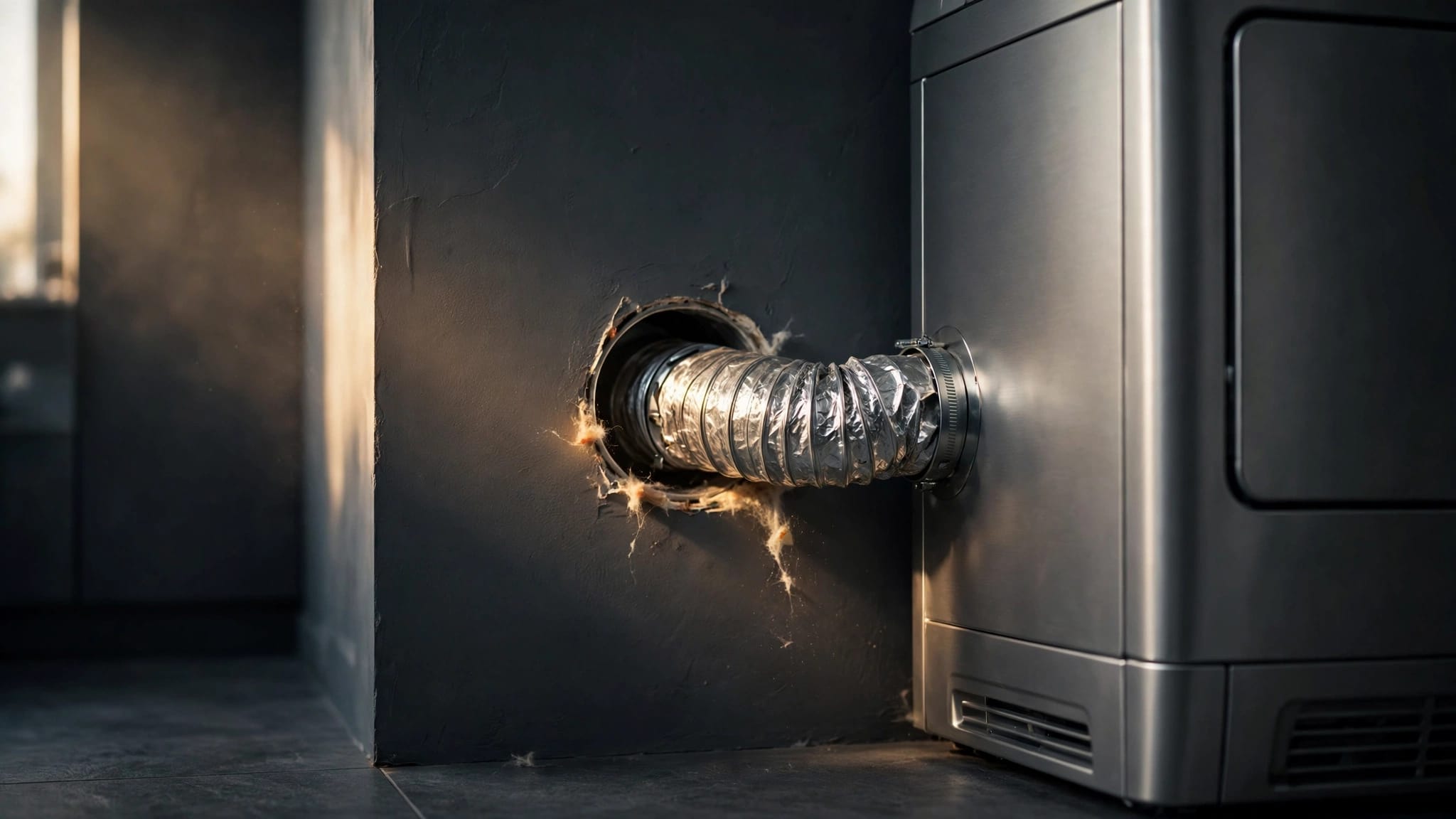
- Repair crushed, disconnected, or poorly sealed ductwork.
- Resolve an odor that comes from furniture, insulation, flooring, or wall cavities.
The filter deserves attention as well. After clearance, replace it if the fumigator recommends replacement or if it looks dirty. A clean, correctly sized filter protects the system while you investigate any remaining dust or odor.
If the air handler or coil has contamination, cleaning only the visible vents won't address the full problem. Ask for an inspection that covers the HVAC equipment and duct connections instead of accepting a vent-only service.
A safe order for post-fumigation HVAC care
The order matters because duct cleaning cannot replace chemical clearance. Use this sequence after a tent treatment:
- Wait for the fumigation company to complete aeration and provide written clearance.
- Follow its instructions before entering, opening windows, or operating the HVAC system.
- Ask whether the filter should be replaced and whether the company has HVAC-specific recommendations.
- Run the system only after clearance and observe the vents for unusual dust, odor, or airflow changes.
- Contact the fumigator first if a chemical odor remains or anyone experiences irritation.
- Schedule an HVAC or duct inspection when you see debris, pest remains, mold, damaged insulation, or persistent dust.
- Correct leaks, wet insulation, disconnected ducts, or air-handler problems before treating odors.
Don't use the HVAC system to spread fresh air through the house before clearance. That approach can move untreated air between rooms and puts an unqualified person in charge of a safety decision.
If you plan to clean air ducts after fumigation, give the duct company the fumigation date, clearance information, and any product details you received. This information helps the technician separate treatment concerns from ordinary HVAC contamination.
How to choose a duct cleaning company after treatment
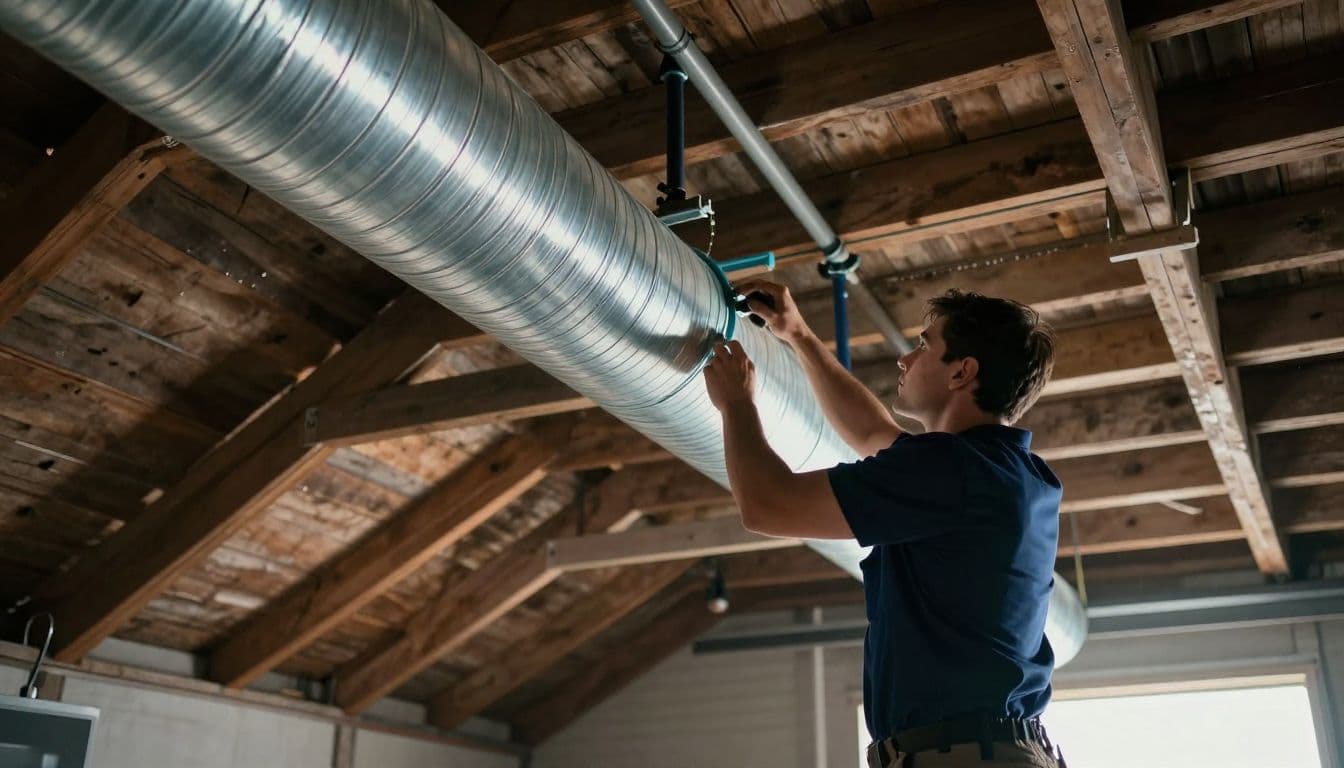
Choose a company that inspects the system before quoting the work. Ask whether the estimate includes supply ducts, return ducts, grilles, registers, and the air handler. Find out whether the crew will document contamination with photos.
You can also ask about:
- Insurance and technician training.
- The vacuum equipment and access methods used.
- Extra charges for difficult attic access or additional returns.
- Sanitizers, microbial treatments, or odor products.
- Repairs needed before cleaning begins.
Be cautious when a company promises to remove fumigant or guarantee that cleaning will improve health. Those claims go beyond what routine duct cleaning can prove. A reliable provider will tell you what the equipment shows and recommend only the work that fits the evidence.
Before hiring, review these questions to ask duct cleaners. For property owners in Fort Myers and nearby Gulf Coast communities, Get a Free Estimate can help you discuss the system's condition after clearance.
Conclusion
Most homeowners don't need automatic duct cleaning after tent fumigation. The fumigation company must first complete aeration and clearance, then an HVAC inspection can determine whether dust, debris, odors, pests, or moisture created a separate problem.
A clean filter and normal airflow may be all your system needs. When evidence points to contamination, choose a detailed inspection that covers the ductwork and air handler, not a service based only on the treatment date.